Author: Andrew Logue

  • Review: Crow Country (Xbox Series)

    Review: Crow Country (Xbox Series)

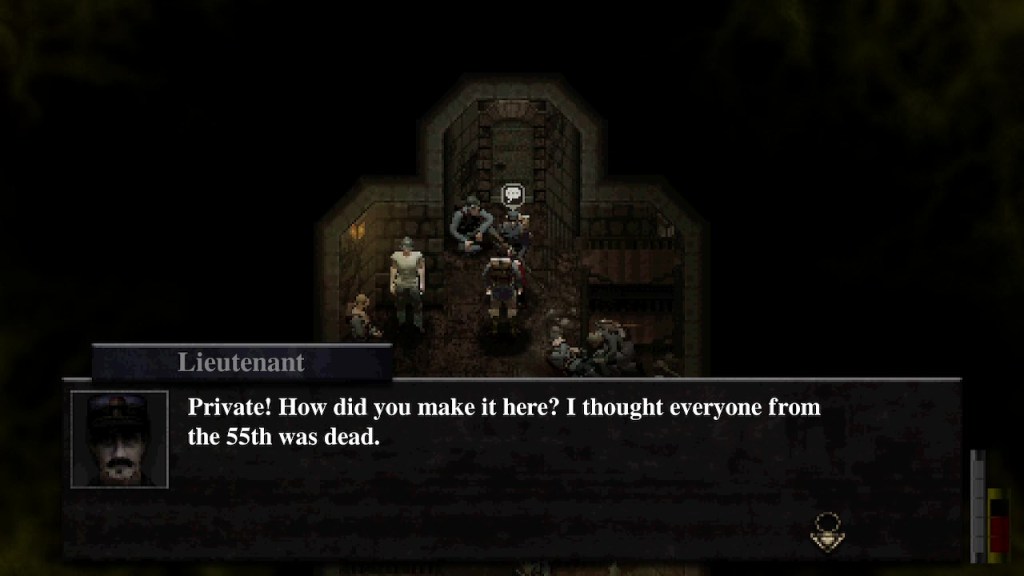
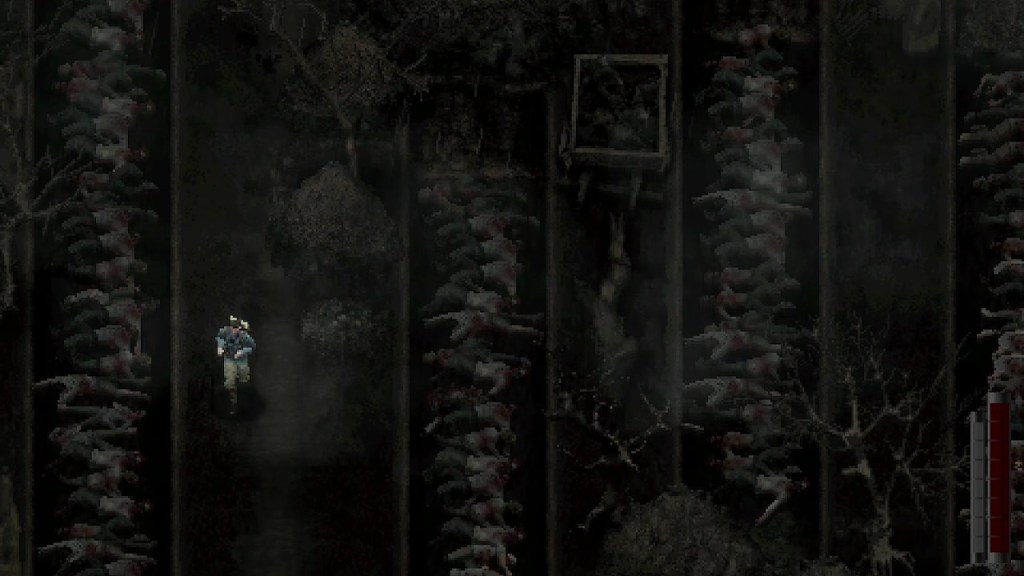
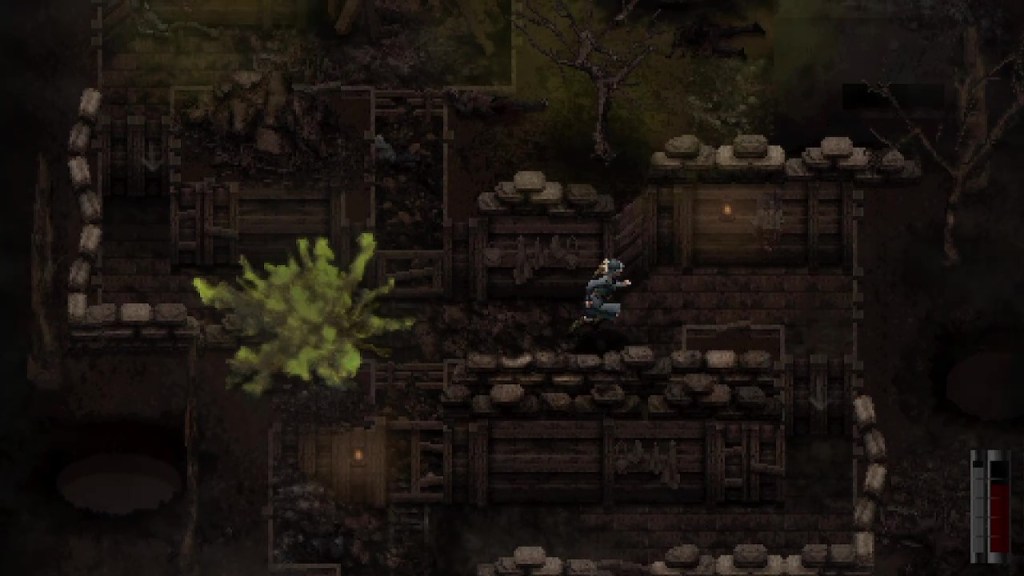
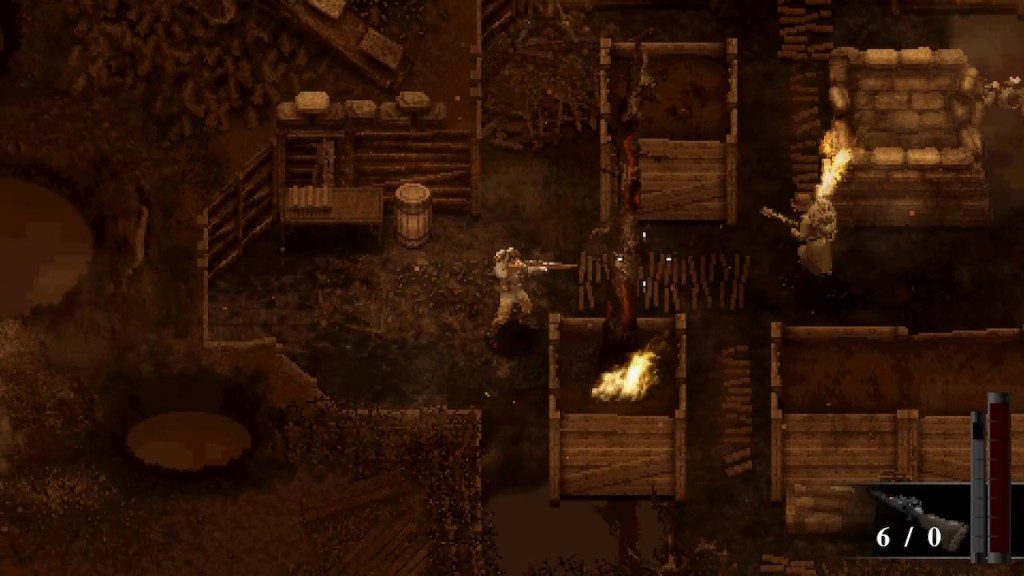
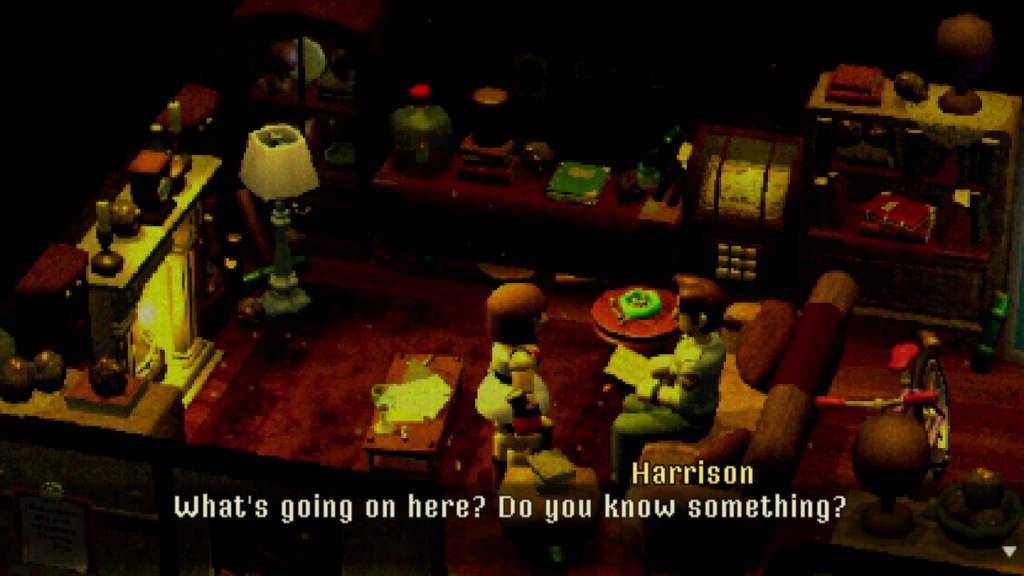
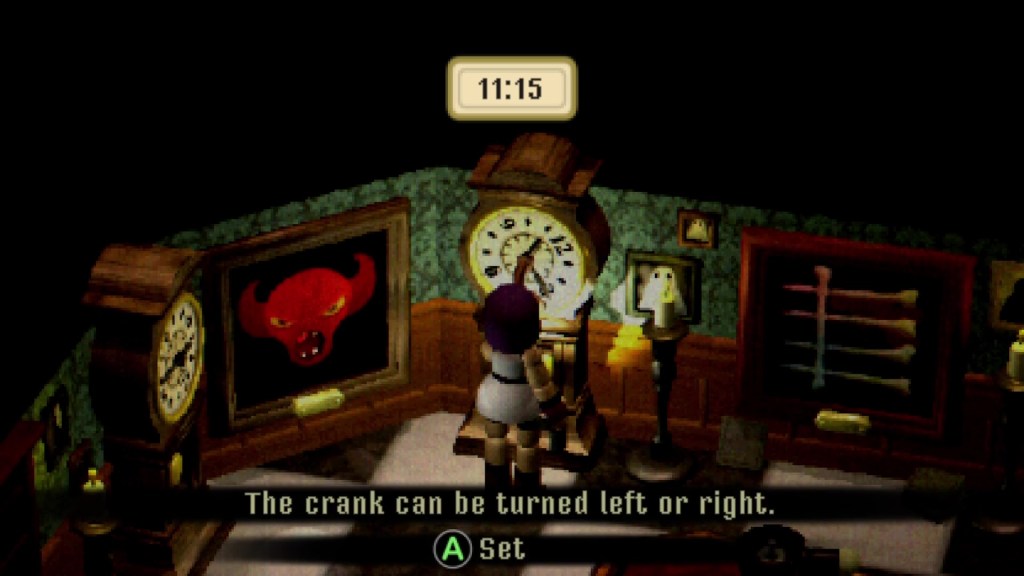
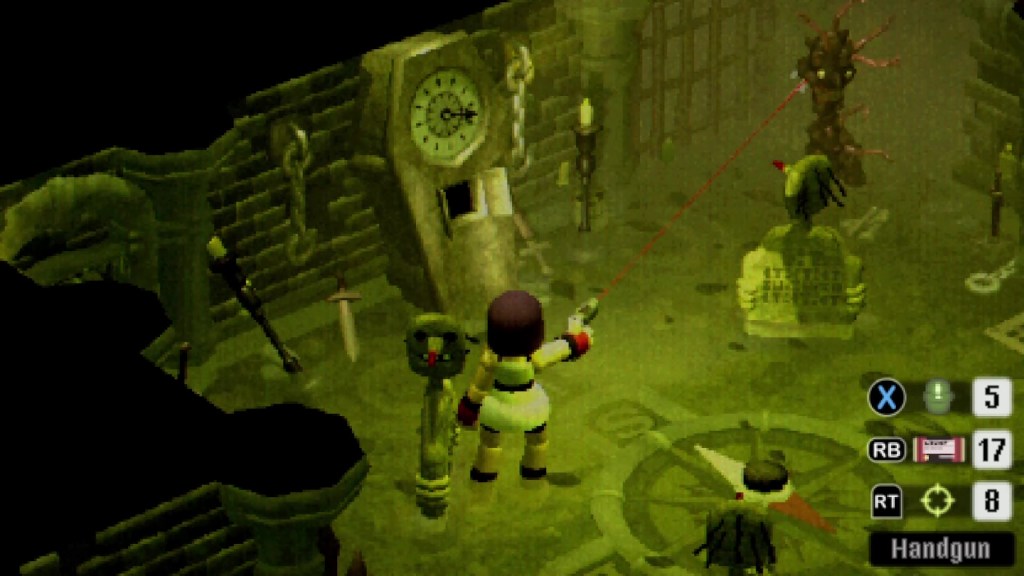
    Crow Country is an accessible retro-inspired survival-horror game that does an impressive job capturing the look and feel of early 3D isometric games that came out on the PS1 or SEGA Saturn during the late-‘90s. The structure and gameplay feel like Resident Evil with a hint of Parasite Eve II, while the environments feel like a mix of Silent Hill and any number of chunky JRPGs from that period. It’s a distinctly cute but creepy vibe. Viewed as a love letter to those classic games, it’s brilliant, but being dependent on those associations is also a mixed blessing. It’s smartly made and polished – but without that nostalgic hook, I’m not sure it has a unique identity like Lone Survivor or Signalis had.

    That said, Crow Country hits all the right notes as the opening leaves the player feeling vulnerable, unsettled, and confused. Mara – special agent Mara Forest apparently – is a capable but unreadable protagonist who is clearly keeping secrets from the player and the supporting cast. Arriving at the abandoned Crow Country amusement park, 2-years after an incident shut it down, she’s quick to shoot her way in through a padlocked gate; shrug off horrific encounters; wield a myriad of weapons; and solve convoluted puzzles that leave the other survivors stumped. Her connection to the park is unclear, and neither is the reason behind her pursuit of the missing owner, Edward Crow. She’s evasive in dialogue and even her comments on environmental details give only the slightest inkling of her personality and past.

    It’s not just Mara though, as many of cast were former staff and clearly complicit in the unfolding events. As a result, simply unravelling the mystery was a strong motivator to keep playing. What was the nature of the incident that shut down the park and drew the attention of a photojournalist and lawyer? Why have Edward Crow’s daughter, former colleagues, and a detective all arrived on this specific evening? What does an American amusement park have to do with a Brazilian gold mine? What are these bizarre creatures that the former staff refer to as “guests”? And who is Mara really? It’s a solid setup with some predictable and some unexpected twists. The environment changes over the course of the night, hinting more and more as to the nature of the threat – though the ending sequence is a bit of an exposition dump that expects you to read a note, midway through the final encounter, if you want all the details.

    After the narrative, it was the mandatory puzzles and over a dozen hidden secrets that hooked me. The amusement park setting, and an increasingly paranoid Edward Crow provide narrative context for the Resident Evil-style structure. As with that game, Crow Country gets a lot of mileage out of a small but dense location, so you’ll often know exactly where you’re trying to go – though you’ll only get there several hours later after jumping through an inordinate number of hoops. Thankfully, Crow Country has some great interconnected puzzles, rather than just hiding keys and data discs behind boss fights. They are present, I guess, but you can run away from everything (outside of the final encounter) and still make progress.

    In authentically classic fashion, you’ll be scouring the environment for key items, clues, and notes – with a handy map that marks the location of unsolved puzzles or points-of-interest to guide you. There are keypads and locks that just require the right code or key; there are logic puzzles that require entering the right sequence of events or the correct values; and there are arcade mini-games and plenty of weird use-item-on-object puzzles befitting the setting. The rest of the cast also have a role to play beyond storytelling as they sometimes provide you with clues or assist in a puzzle – though even if you completely ignore the few you aren’t forced to talk to, the ending variations are negligible.

    Of course, this is a survival-horror game and Mara is packing heat, so shooting your way through the park is a viable strategy if you’re methodical, tactical, and cautious. Sadly, while I love classic resource management, the combat is my least favourite element and goes hand-in-hand with the camera issues. The close isometric viewpoint is appropriately claustrophobic, but you’ve got to combine stand-and-aim shooting mechanics that use the left thumbstick, with camera rotation on the right thumbstick to track enemies. The system allows for precision targeting of item crates, weak-points, and environmental hazards well enough, but it snaps the camera in the direction Mara is facing, which is a real pain in the arse when you’re trying to clear some distance before turning around to shoot again. An option for classic tank controls provides a more reliable option for Mara’s movement, but my brain struggled to coordinate orienting by d-pad while simultaneously rotating the camera.

    Thankfully, Crow Country is not a particularly hard game, even if more monsters, traps, and even fake pick-ups appear as the night progresses – almost Parasite Eve II-style. There’s an “Exploration Mode” that keeps enemies passive, but even the ranked “Survival Horror” mode features an abundance of resources, easy to avoid enemies, and very few high-damage or insta-kill encounters. There are all the basics you would expect from the genre – useful shortcuts and smartly distributed safe rooms with soothing music and sources of fire that serve as manual save points – but you can also get hints from a fortune teller machine, refill pistol bullets from Mara’s car, rummage through dustbins and vending machines for supplies when you’re running low, and several secrets include overpowered weapons and upgrades. Playtime and the number of saves you make don’t affect the ranking score, so you can be super cautious and use the rewards from lower ranks to make subsequent runs much easier if you’re chasing an S+ rank or speed-running the game.

    Looping back to the start, Crow Country does a phenomenal job of emulating late-’90s survival-horror games, nailing the look, sound, and claustrophobic terror that those early 3D environments excelled at. It’s got an intriguing narrative and fantastic puzzles to keep you engaged during a brisk 5–6-hour initial run, though the wonky gunplay and camera control are more likely to frustrate than generate tension. As Crow Country can feel like a greatest hits collection of classic IP, it’ll most likely resonate with retro-gaming fans or those who grew up playing early survival-horror games – but given it’s so accessible, it might also be a good choice for those wanting just a taste of how classic survival-horror games played.

    Pros:

    • It does an great job capturing the look and feel of early 3D isometric games from the PS1 and Saturn era
    • The unravelling plot is intriguing and well-paced
    • The puzzles and secrets are smartly designed
    • It gets a lot of mileage out of a small but dense environment

    Cons:

    • The gunplay and camera are more likely to frustrate than generate tension
    • It can feel more like a homage to the classics than its own thing

    Score: 8/10

    Crow Country was played on Xbox Series S|X using a code provided to gameblur by the publisher. It is also available on PC and PS5.

  • Editorial: Warhammer Age of Sigmar: Realms of Ruin is a great case study on what does and does not work with console RTS

    Editorial: Warhammer Age of Sigmar: Realms of Ruin is a great case study on what does and does not work with console RTS

    As someone who has always enjoyed playing real-time strategy ports on console – going all the way back to Command & Conquer and Red Alert on the PS1 – Warhammer Age of Sigmar: Realms of Ruin feels like a case study on what does and doesn’t work when you have to work around the limitations of a gamepad.

    During the cinematic-heavy campaign, there were times I was reminded of the methodical, scripted approach Blizzard pioneered with the StarCraft and WarCraft III – a design that works well enough on console when the player has more control over the pacing. The rest of the time – by which I mean a third of the campaign missions and every other mode: AI skirmishes, Conquest, or multiplayer – it often felt like trying to play a fast-paced, lane- and territory-control-focussed MOBA with a severe handicap.

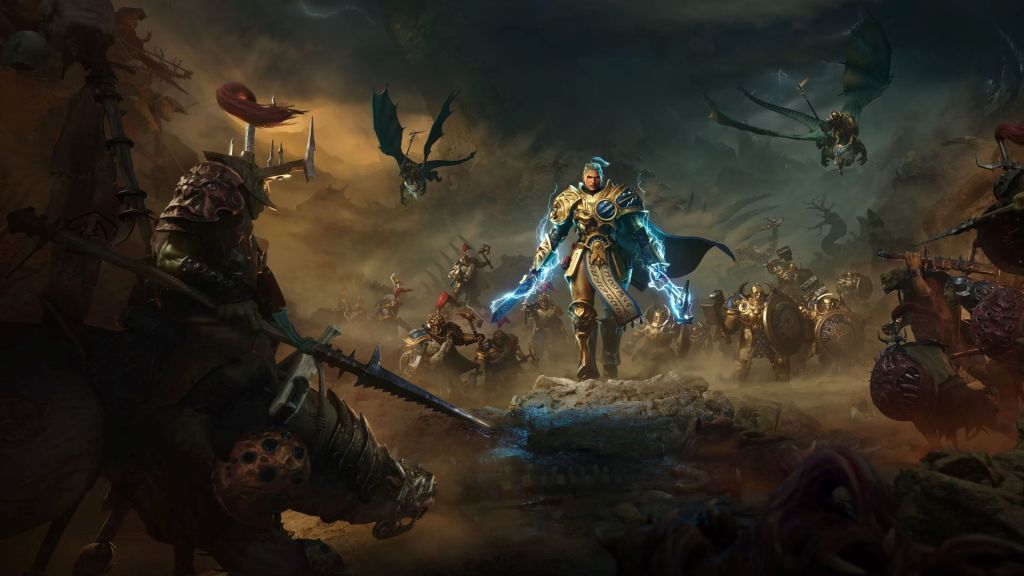
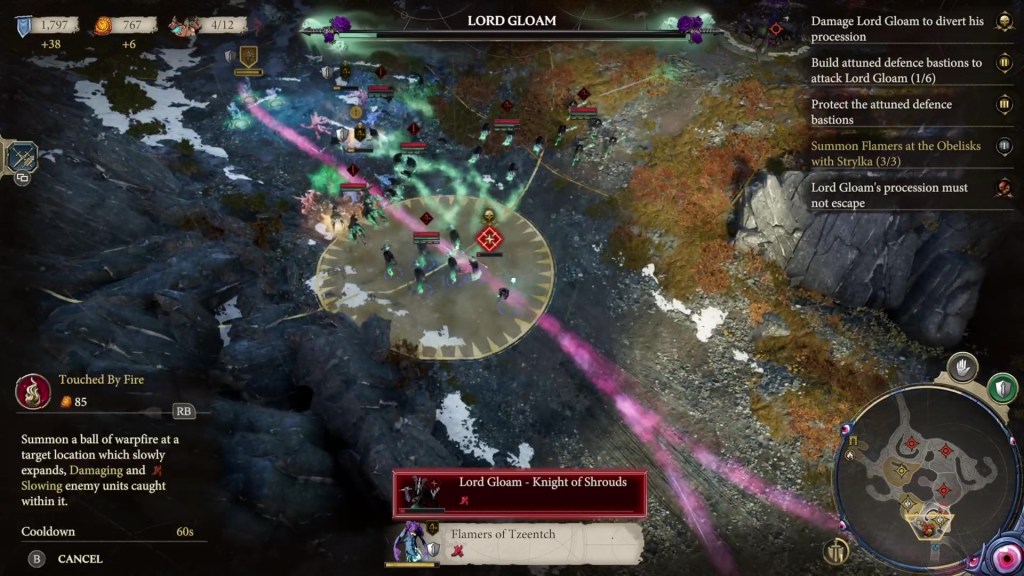
    Starting with the positives, there’s a cinematic 18-mission campaign, with four difficulty settings and optional mission challenges, complemented by AI skirmish maps and a Conquest mode – think a succession of increasingly tough skirmish maps with modifiers. With beautiful environments, detailed character models, and intricate unit animation, Warhammer Age of Sigmar: Realms of Ruin’s in-engine cutscenes do an impressive job presenting another grim, violent, yet often amusing and absurd Warhammer story. It’s full of contrived scenarios, improbable attrition rates, one-note faction leaders making poor decisions, and – more so than any recent RTS I can think of – it shamelessly functions as a glorified tutorial for basic commands, faction abilities, and game modes.

    The Stormcast Eternals seek an artefact of power that may help them reclaim the Region of Ghur; the Ork Kruleboyz are in pursuit of the same prize to elevate the status of their Warboss; and a few flashback missions reveal how The Disciples of Tzeentch originally battled the undead Nighthaunt faction for possession of the artefact. It’s all stylishly presented and – if you can get to grips with the gamepad controls and gameplay basics – the campaign is decent fun and moves at a brisk pace, switching up factions, objective types, and introducing a few novel scenarios. There are times you’re just battling from point-A to point-B down branching corridors, claiming Arcane Conduits to build outposts and generate resources as you go, but there are a few missions that rely almost exclusively on heroes; one that functions as an unforgiving tower defence; one that features clunky stealth; several that have you battle over control points, and even gimmicky boss battles that add some twist to chipping away at a giant HP bar.

    The campaign also serves to highlight what the control scheme and game design gets right. Much like the underappreciated Halo Wars 1 and 2, Warhammer Age of Sigmar: Realms of Ruin focuses on streamlined base-building, managing only two resources, and smaller skirmishes influenced by unit composition, positioning, and the strategic use of abilities – more so than sheer numbers. You can upgrade you primary building to recruit new unit types and unlock three-tiers of unit and outpost upgrades – many of which are mutually exclusive abilities or passive buffs to specialise units. Each faction also has two defence-oriented structures – a tower that deals minor damage but buys you time to muster your army, and a healing bastion to support defensive groups.

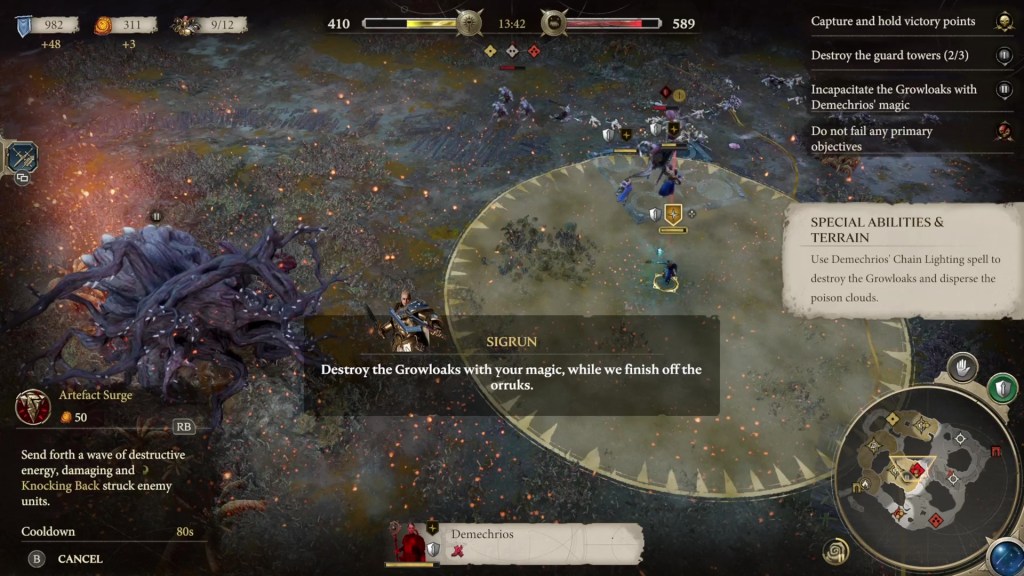
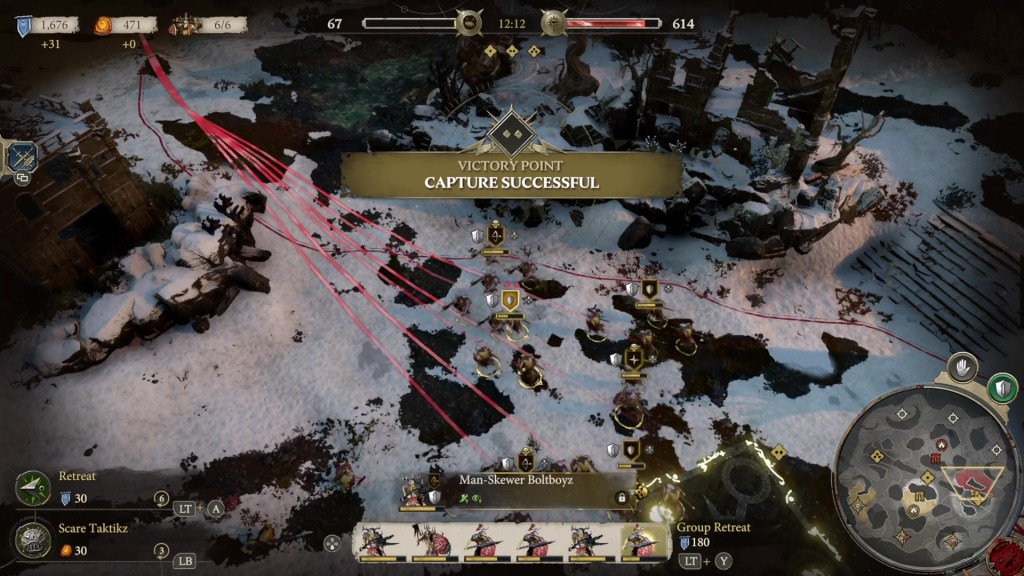
    The controls are what you’d expect from a modern console RTS with one situationally useful addition – “DirectStep” control. The camera latches to your selected unit or group, it’s easier to aim and trigger abilities, and you assign movement or attack-move waypoints to individual units. It’s a smart option for managing small skirmishes but it decreases situational awareness, and I found myself falling back on the emulated reticule controls. In the introduction, I mentioned Warhammer Age of Sigmar: Realms of Ruin could feel like a MOBA, and that’s because it adheres to the rule-of-three design and forces you to multi-task. There are three unit types in the combat triangle (shields vs. bows, bows vs. swords, and swords vs, shields); often three objectives to clear out or three control points to hold; and there are typically three paths you need to defend around any Arcane Conduit. It should come as no surprise the d-pad is used to manage 3 control groups, pad with the last input used to quickly cycle through units within a group.

    On paper and in practice, the controls and streamlined gameplay loop work well enough in the campaign – even on tougher missions that feel like skirmish maps with the AI playing by a general ruleset, rather than custom scripting. The problem is how quickly they buckle when you’re under pressure. In addition to juggling multiple control groups spread across a map, you’ve got to cycle units to access their abilities, deal with barely coherent formations, and interrupt dubious automated decisions. The challenge feels greater still when you realise how quickly the balance of combat shifts when something goes wrong – allowing other players or the AI to push you into a losing spiral. In Warhammer Age of Sigmar: Realms of Ruin, the less of the map you control, the less you can upgrade or reinforce your troops, and the less multitasking your opponent requires to contain and destroy you.

    The most persistent issue is micro-managing your way around the combat-lock mechanic. Units engaged at melee range can’t disengage – unless they’re sent retreating back to your main structure before you can regain control. With no obvious formation behaviour and ranged units prone to outrunning melee units, you need to constantly assign individual attack orders based on type, then utilise abilities to further modify the flow of battle – usually by buffing your troops or inflicting an area-of-affect attack. You can alternate between move and attack-move commands, and you can define the firing-arc of ranged units, but to effectively micromanage just one army, you need to use all three available control groups. On top of that challenge, you’ve still got pathfinding issues and, despite several upgrades allowing you to focus on ranged damage, hybrid units are prone to engaging in melee once they get close – even if their target is combat-locked with another unit.

    As a result, Warhammer Age of Sigmar: Realms of Ruin sits in a weird middle ground, demonstrating both smart design decisions that make a lot of sense in a console RTS – but it also demands a degree of manic multitasking simply not suited to a gamepad. Most campaign missions are either scripted enough or offer maps defensible enough that you can push out cautiously and regroup if things go wrong. However, that’s simply not an option on AI skirmish or Conquest maps, where even the low-difficulty AI can simultaneously contest all control points, harass your outposts, and spam abilities in battle against your primary force. It had me wishing for a pause-and-command option even if it was antithetical to the developer’s intent. An inadvertent positive is that a few multiplayer matches against other human players felt more balanced, as my opponents stuck to managing a single but mobile army I could frantically counter with my own.

    Warhammer Age of Sigmar: Realms of Ruin was played on Xbox Series S|X using a code provided to gameblur by the publisher. It is also available on PC and PS5.

  • Retrospective: Tomb Raider I Remastered

    Retrospective: Tomb Raider I Remastered

    There are few games as deserving of preservation as the original Tomb Raider. Not because it’s some timeless masterpiece that holds up today, but as a reminder of where we’ve come from, and how far we’ve come. If you’re a fan of games set 3D environments and played from a third-person perspective – the vast majority of blockbuster titles – you could trace at least some part of their ancestry back to 1996’s Tomb Raider.

    Replaying it in 2024, in its freshly remastered form, has been unexpectedly compelling – albeit with a mix of highs and lows I expected. There was raw nostalgia for my 11-year-old self, sitting in front of a small CRT screen, playing it on a SEGA Saturn rented from the local video store – my first experience exploring a truly 3D world after growing up with a NES that was as old as I was, and infrequent visits to arcades to play on-the-rail light-gun games. It was a pivotal moment that ensured video games would became a lifelong hobby – with my very own PSOne and a copy of Tomb Raider II the following year cementing my love of the character and IP.

    If you only have experience with the Crystal Dynamics trilogies – 2006’s Legends or 2013’s soft reboot – Lara Croft in 1996 was a rare example of a female protagonist, at least outside of RPGs with character creation, and, rarer still, possessed a physicality typically reserved for male leads. She was an acrobatic heroine with calves, quads, and glutes so strong she could lunge-jump her own height and was strong enough to push and drag around 8 cubic-metre blocks of stone. The first Tomb Raider would pit her against an equally capable villainess and give her the chance to save the world at the expense of power and fame. I doubt representation was Core Designs’ original intent, but Lara nonetheless proved instrumental in drawing more female gamers into a hobby that all too often felt like young to middle-aged men developing games for young to middle-aged men.

    Of course, nostalgia can only take you so far and it was impossible to enjoy the remaster without looking at it through the lens of 28-years of gaming advances. Revolutionary for the time – and possessing an impressive sense of scale and verticality that early 3D FPS and dungeon crawlers lacked – Tomb Raider now offers a purity of design, so uncluttered by secondary mechanics it almost feels novel. The bulk of the experience is simply observing, planning, and traversing blocky 3D environments using Lara’s equally rigid, grid-based move-set. The goal? Rarely more complex than finding key items or switches within a level to open the exit to the next, before a crude in-game cutscene or flashier CG variant pushed the story forward.

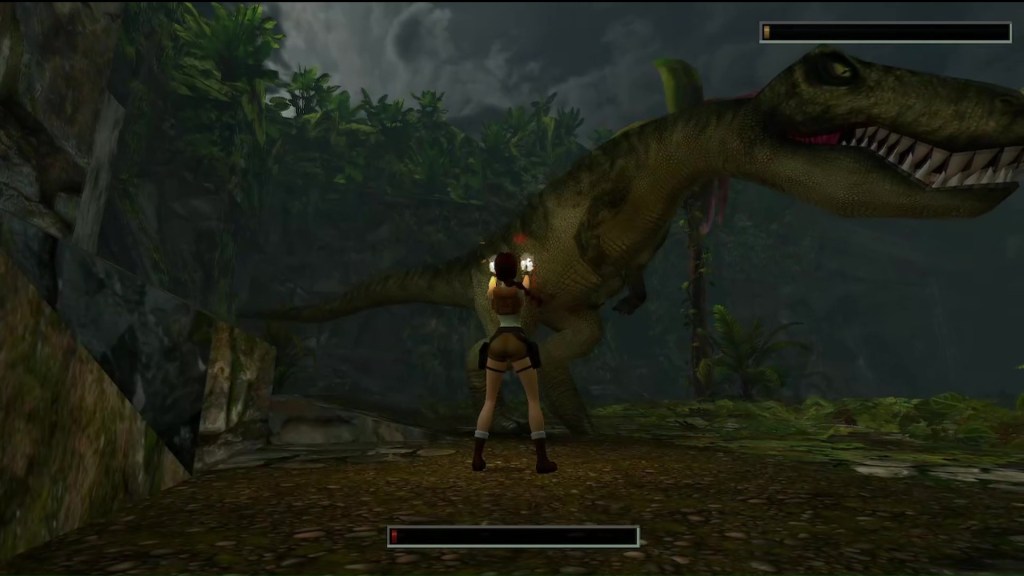
    To spice things up, Lara will sometimes need to solve basic spatial puzzles that typically involve slowly pushing or pulling blocks; while other times she’ll need to draw her weapons to slay a shameful number of endangered species, a few that should’ve stayed extinct, tough mythical creatures, and a handful of human bosses that are an unfortunate reflection of cultural and racial stereotypes in the 1990s. Much like the platforming, combat is all about using Lara’s rigid move-set to avoid enemies that follow far less predictable patterns – often in tight spaces with perilous drops. Combat never feels more than functional, but many encounters can be rendered trivial if you horde powerful ammunition or find high-ground to exploit the limited AI pathfinding. Just don’t stop to ponder who left modern ammunition and health kits in ancient ruins supposedly unexplored in centuries.

    By far the greatest challenge comes from mastering the original controls, especially as the alternative controls offered in this remaster are a twitchy abomination not worth considering. It’s a rough transition from modern games – games that strive to make you not think about the complexity of traversal – however, once you’ve get to grips with Lara’s move-set, they feels perfectly suited to the blocky but carefully crafted environments. It’s a game that requires patience, with a strong focus on planning a sequence of moves and lining up jumps, rather than being reactive, and you’ll want to save regularly if you don’t enjoy hearing Lara’s scream followed by a sickening crunch. The obvious caveat to this design is how clumsy and frustrating simple tasks end up feeling – such as lining Lara up to interact with a switch or pick-up, and how long it can take to trek back to the start of a jumping sequence if you mess up.

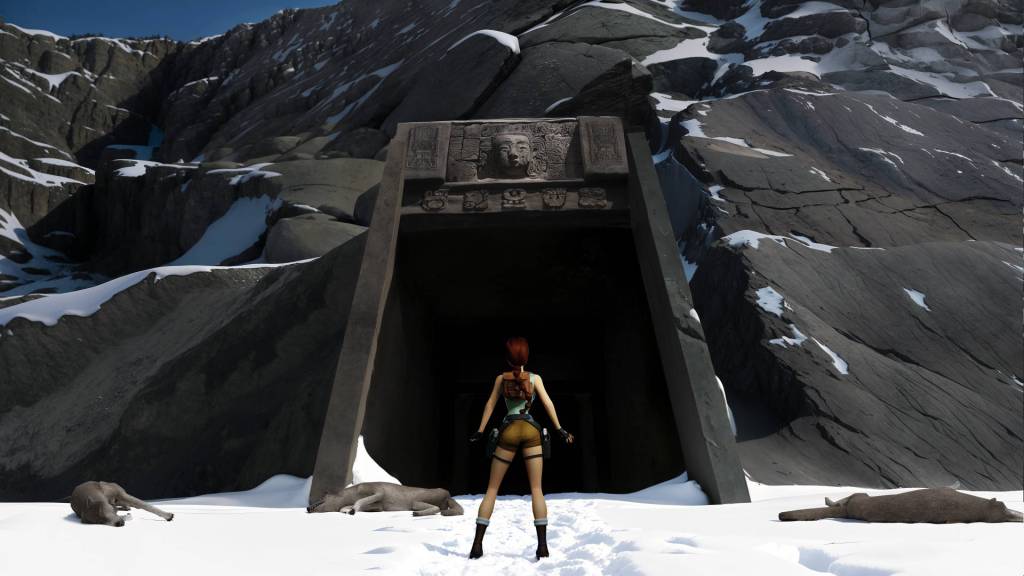
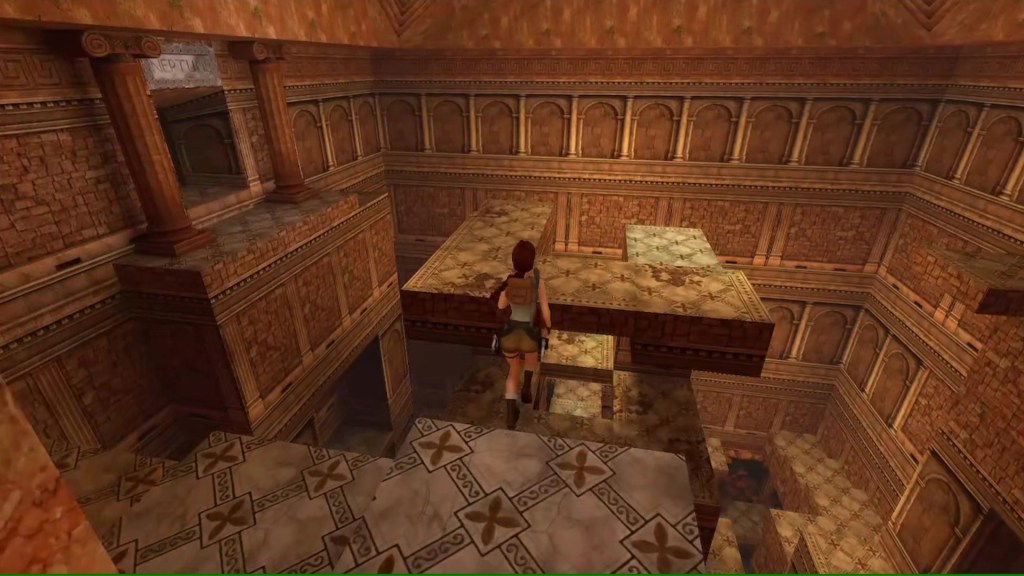
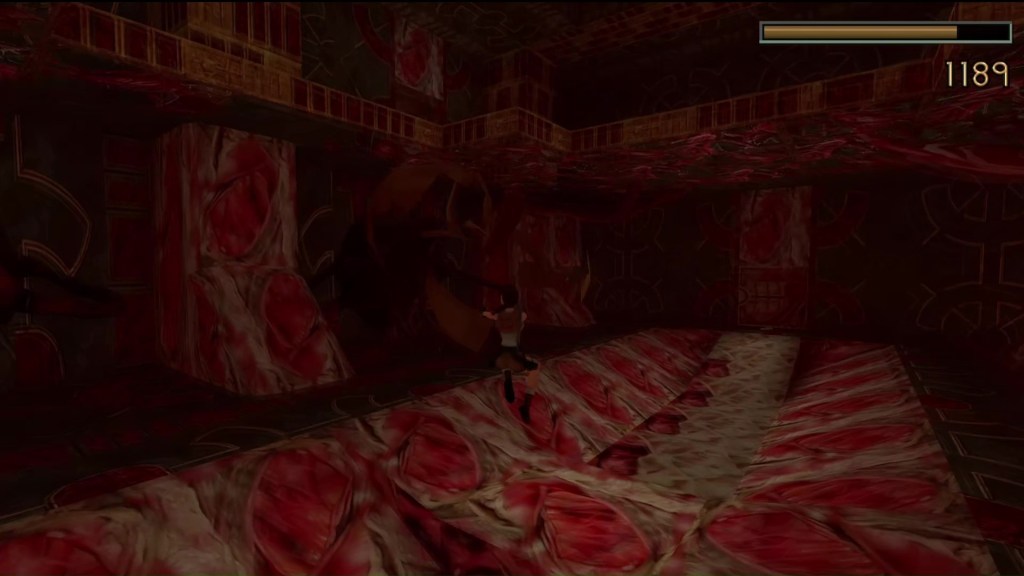
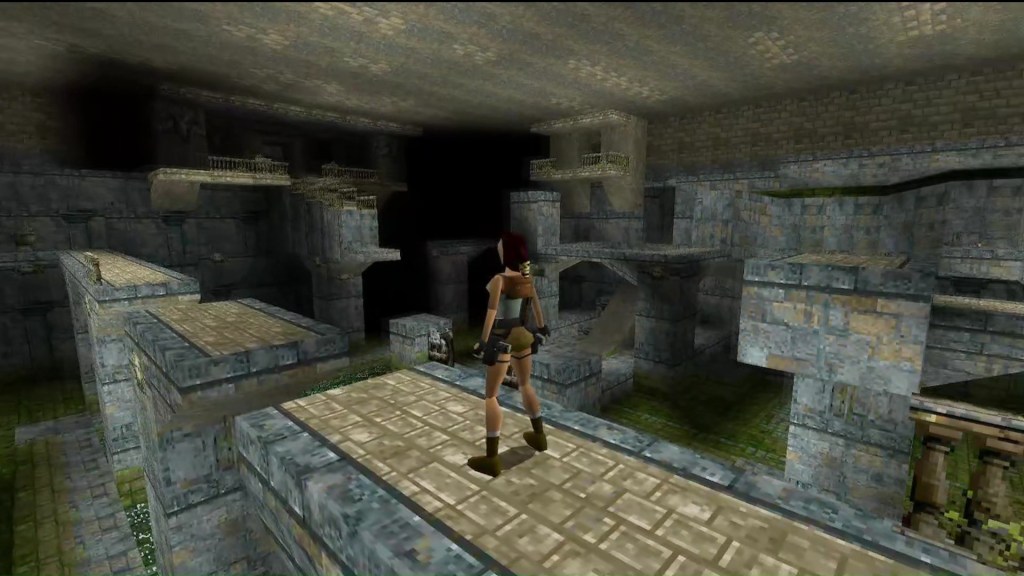
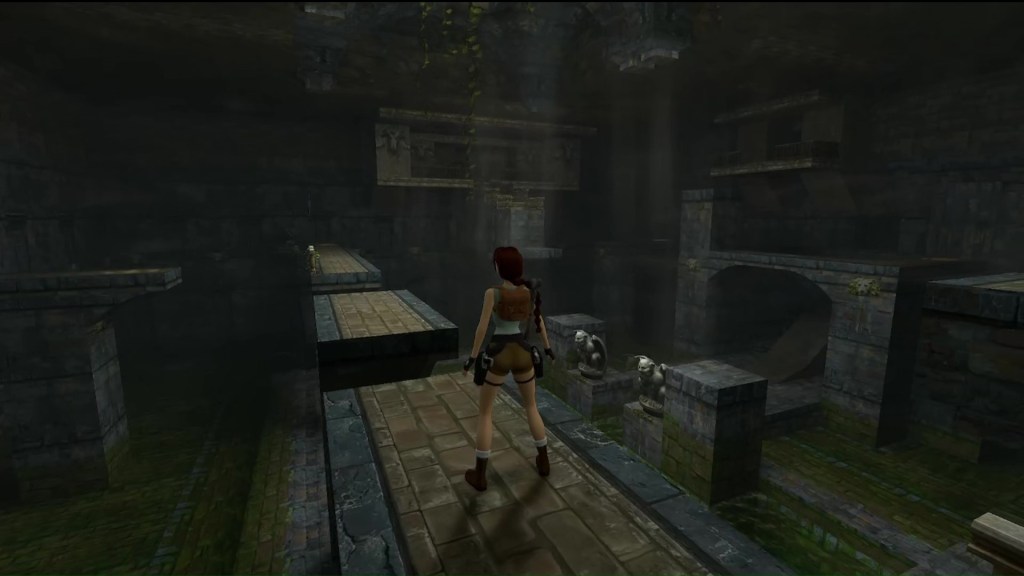
    Moving on to the remastering effort itself – Tomb Raider I Remastered feels smartly touched up and respectful of the original vision, while the only major gripe I have is aforementioned and entirely optional alternate controls. Texture work, character models, and lighting have been overhauled – with the addition of more props where appropriate, and minor geometry changes to introduce new light sources like open ceilings. The world itself is still blocky, and the seams between textures are still obvious, but they feel suitably detailed for modern TVs, those representing water surfaces or lava are better animated, and some even have an impressive parallax effect to simulate depth.

    All character models retain their somewhat angular designs and jerky motion, but they look much more detailed and have been embellished with plenty of added detail – including updated faces and basic lip-syncing for in-game cutscenes. Pixelated 2D sprites for pick-ups and props have been replaced with 3D models, and you can enable an interaction icon to make them easier to find – along with switches and key holes. The new lighting model – especially in rare locations that use beautiful new sky-boxes – looks great, adds to the immersion, and even simulates taking on the colour of the environment. There are more atmospheric effects like dust and mist, while a few locations even have puddles with reflections!

    Talking of atmosphere, Tomb Raider I Remastered still relies primarily on ambient audio to capture that feeling of isolation you’d expect exploring long lost tombs – but it feels like they’ve added a few more music triggers and possibly repurposed a few tracks from the later games. In short, this remaster excels at presenting Tomb Raider as you might remember it. There are oddities, like how some areas feel too dark and the new 3D models for key items too small, but you can always swap back and forth between the remastered and classic visual mode – though you then have to deal with a stuttering 30fps cap that feels awful compared to the remasters 60fps achieved through frame interpolation.

    All of which brings me to who I’d recommend Tomb Raider I Remastered to. From a pure preservation angle and for those interested in the history of video games, it’s an essential remaster. For those just considering the entertainment potential – this is more for fans of the original, especially those without the patience to deal with DOSBOX settings on PC, or console players that once had to deal with a frustratingly restrictive save crystal mechanic. As a long-time fan, the first three acts in Peru, Greece, and Egypt remain the highlight – and levels like The Lost Valley, St. Francis’ Folly, Temple Midas, Obelisk of Khamoon, and Sanctuary of the Scion have not diminished with age. If anything, they finally have a degree of visual spectacle to complement their impressive scope.

    For everyone else still curious in Lara’s original outing, I’d rather suggest Crystal Dynamic’s excellent 2006 reboot, Tomb Raider: Anniversary, which can still serve as an excellent stand-alone experience.

    Tomb Raider I Remastered was reviewed on Nintendo Switch using a code provided to gameblur by the publisher. It is also available on PC, Xbox One/Series S|X, and PS4/5.
  • Retrospective: The Last Guardian (2016)

    Retrospective: The Last Guardian (2016)

    There are many games I enjoy that are objectively average or bad, and quite a few I dislike that consensus tells me are good. The Last Guardian sits somewhere in the middle as one of the rare games I desperately wanted to like more than I did.

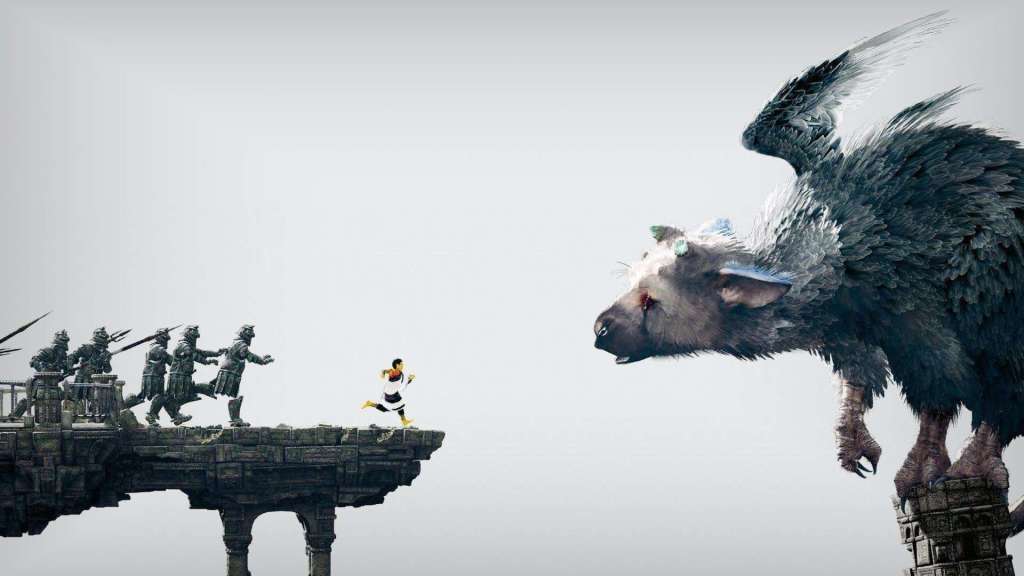
    Coming from the now defunct Studio Japan and director Fumito Ueda – of Ico and Shadow of the Colossus fame – and having gone through a tortuous development cycle going back to the PlayStation 3 era, The Last Guardian is an unevenly paced journey, with incredible storytelling and audiovisual spectacle shackled to clunky and often frustrating gameplay.

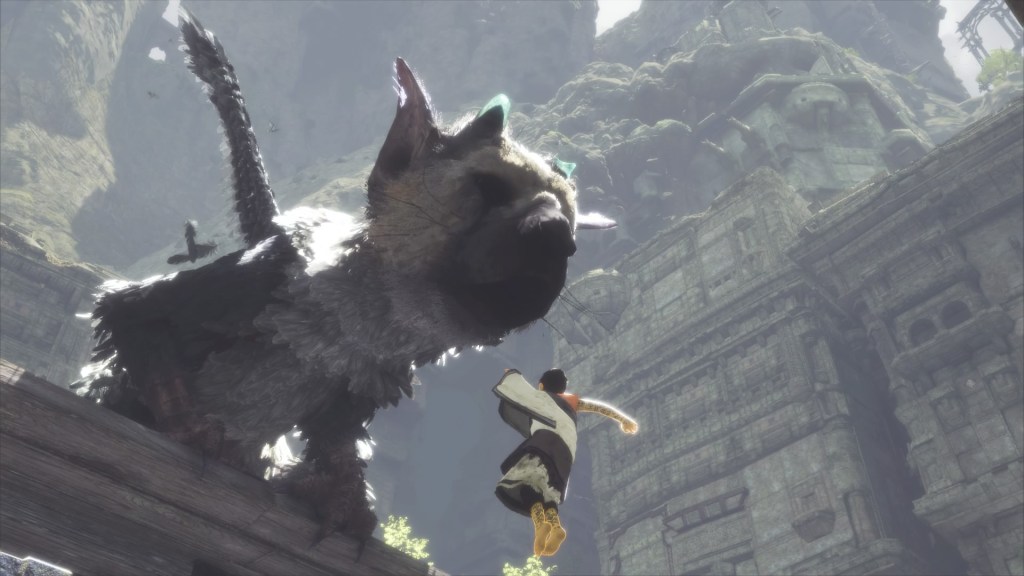
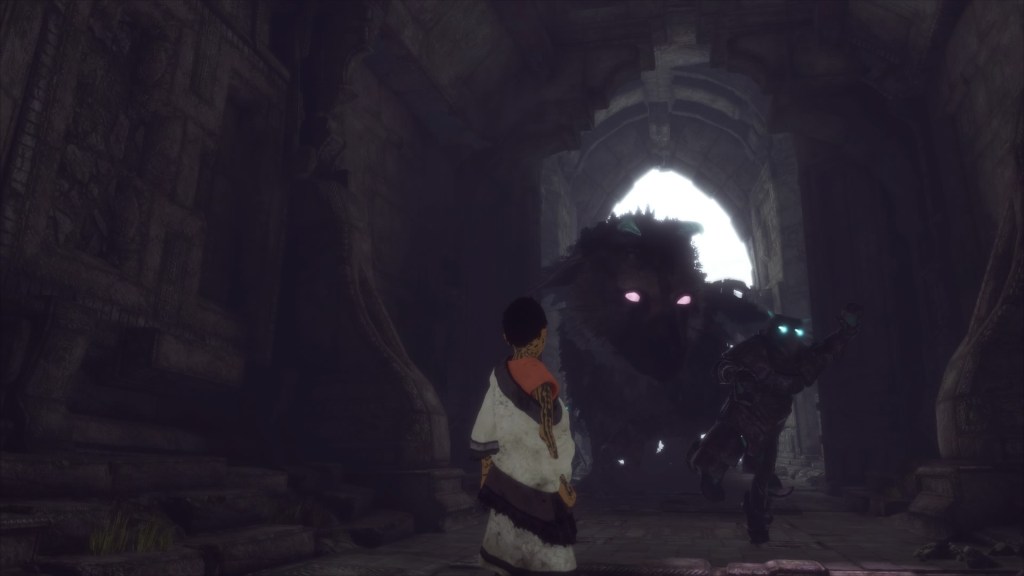
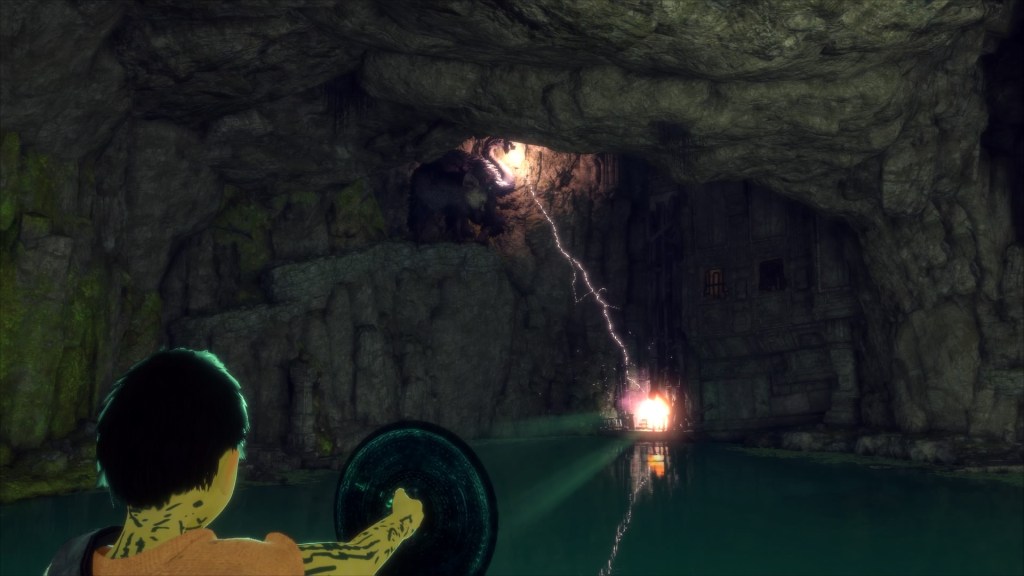
    The Last Guardian follows the trials and tribulations of a young boy who awakens in a cave alongside a wounded chimera, “Trico”, with no idea where he is, how he got there, or what the tattoos that now cover his body mean. Just like Ueda’s prior games, it features a compelling mix of oppressive isolation, risky platforming, and wondrous discovery that only makes sense from the perspective of a child.

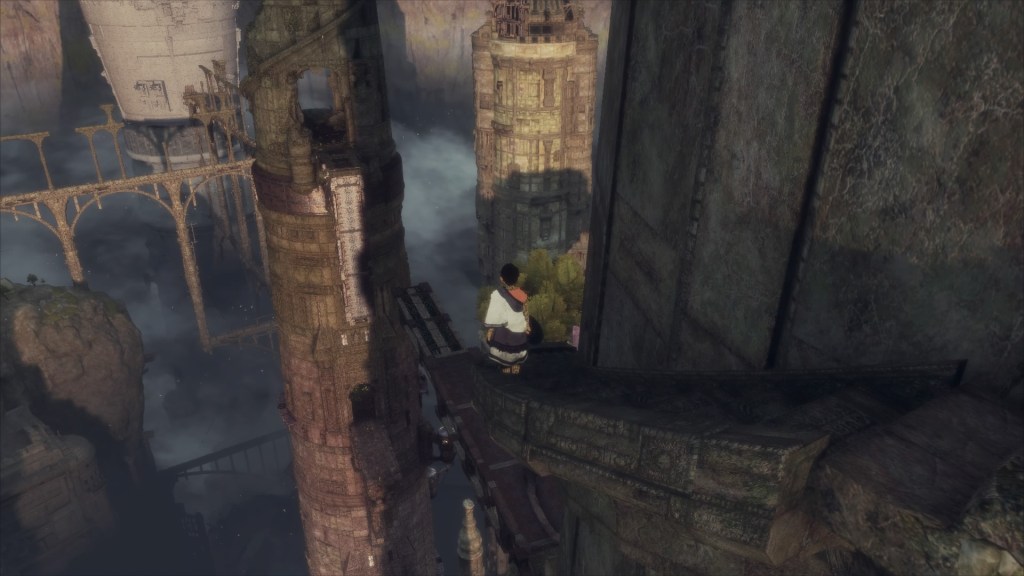
    The ancient ruins are sprawling but also vertical and continuous, ensuring you can often see where you need to be and look back from whence you came. Despite the scale, there’s plenty of fine detail as both environmental storytelling and character interactions carry the story, with limited narration – much of it for guidance if you get stuck – and only a handful of cutscenes that eventually reveal past events.

    It’s not the most original story of a child and beast bonding and saving one another from a shared threat, but it is beautifully told through the aforementioned cutscenes and evolving in-game interactions. The journey is full of literal ups and downs as the boy and Trico try to access a mysterious tower that dominates the ruins – a tower seemingly protected by other aggressive chimera and a source of much pain for Trico.

    After key moments in the story, their bond grows and the boy gains more direct control of Trico through a series of simple, exaggerated gestures. Simultaneously, Trico regrows its feathers and horns, becomes more assertive in pointing out the way forward, and acts without needing player input – but it also becomes more tender and protective of the boy.

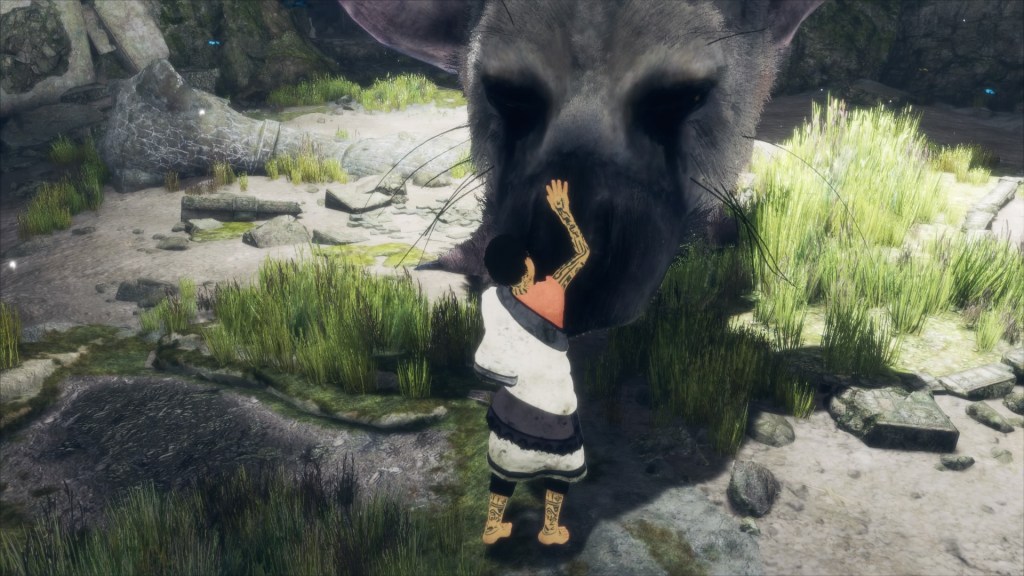
    If nothing else, The Last Guardian is a game for pet lovers – so long as you can take the emotional highs and with the gut-punching lows. Trico feels like a mix of kitten and dog – clumsy, playful, and nimble, but also loyal, protective, and food-obsessed. Interactions are wonderfully animated, as Trico investigates and prods the environment, fixates on barrels of blue food, and nuzzles the boy playfully if you remain idle. On the other hand, it’s devastating to watch Trico limp around and whimper when injured, or become manic and uncontrollable when frightened or enraged.

    Feeding and calming Trico are in-game mechanics, and the boy can stroke it in several spots to elicit different reactions. Despite the increasingly weird and fantastical setting, these small and significant animation details make their evolving relationship feel real.

    Unfortunately, The Last Guardian rarely plays as well as it looks and sounds – especially during an opening half that features gameplay scenarios frustrating by design. For the first few hours, the boy can only call Trico towards a location; cling to Trico’s flank or leap from its back to reach high places; and very briefly use a shield to clear obstacles with tail-spawned lightning before it disappears until the final act.

    Given Trico’s often erratic movement in confined spaces and around jump points, far too much time is spent repeatedly shuffling the boy around and spamming the “call” button, then desperately clambering onto Trico’s back while praying it doesn’t start moving.

    Now, given Trico becomes more controllable and helpful over time – saving the boy from certain doom multiple times thanks to his indestructible shirt and wrists of steel – it’s much easier to forgive this design when The Last Guardian can be completed in a dozen hours.

    What doesn’t improve, however, are the loose and inconsistent controls, which make platforming and puzzle elements feel too unpredictable. A big part of the problem is how The Last Guardian frequently shifts between free- and semi-fixed camera control, which makes it difficult to predict which direction the boy will jump, and often sends Trico leaping back across a chasm you just struggled to clear. Mercifully, checkpoints were frequent enough to limit time lost.

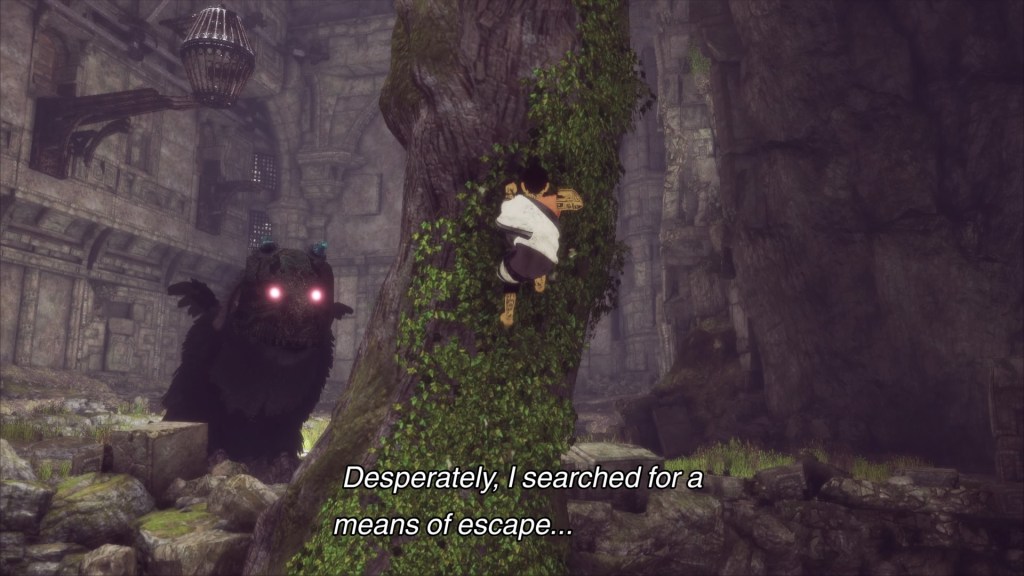
    Unfortunately, there are other gameplay issues. The first is a common problem with all cinematic games – not doing what the developers expected. A prime example was a cave-in that had me clambering around trying to free Trico, when what I needed to do was abandon Trico and walk away down a corridor until I encountered hostile spectral armour, triggering a scripted sequence.

    Talking of spectral armour, Trico is quick to smash them apart but, when separated, they chase down the boy and attempt to carry him off. It’s a fate easily circumvented by mashing buttons, but while it initially added tension to puzzle sequences, these encounters soon become annoying. You either run loops to clear space or just accept endless button-mashing disruptions.

    To The Last Guardian’s credit, there is a cutscene around two-thirds of the way through the game that felt like a pay-off, followed soon after by the reappearance of the shield and the catharsis that comes from blasting them apart with lightning.

    Now returning to my point about wanting to like The Last Guardian more than I did, it is still a game I’d recommend everyone try despite my issues with it – and not least of all because it’s frequently discounted, still looks incredible, and has a 60fps update for the PS5 that make it feel smoother but does little to remedy the control issues.

    Aside from being an intensely cinematic, audiovisual spectacle the PlayStation brand has become renowned for, The Last Guardian is one of the few games that manages to capture the subtleties of human-animal bonds by smartly working into the narrative, animations, and gameplay mechanics. Animal companions have become ubiquitous in modern games, but most are little more than easily marketable gimmicks that function as cute accessories you can pet when you’re bored. Despite the potential for frustration, The Last Guardian‘s mythical Trico feels more real than any other animal companion in video games that came before it or since.

    The Last Guardian is available on PS4 and PS5.

  • Tech Review: Nacon Revolution X Limited Edition

    Tech Review: Nacon Revolution X Limited Edition

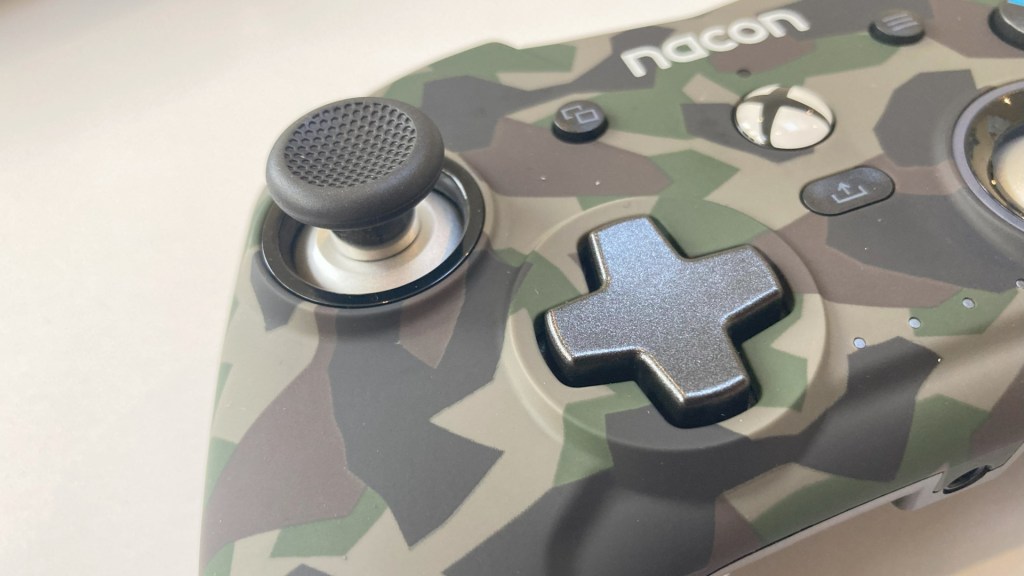
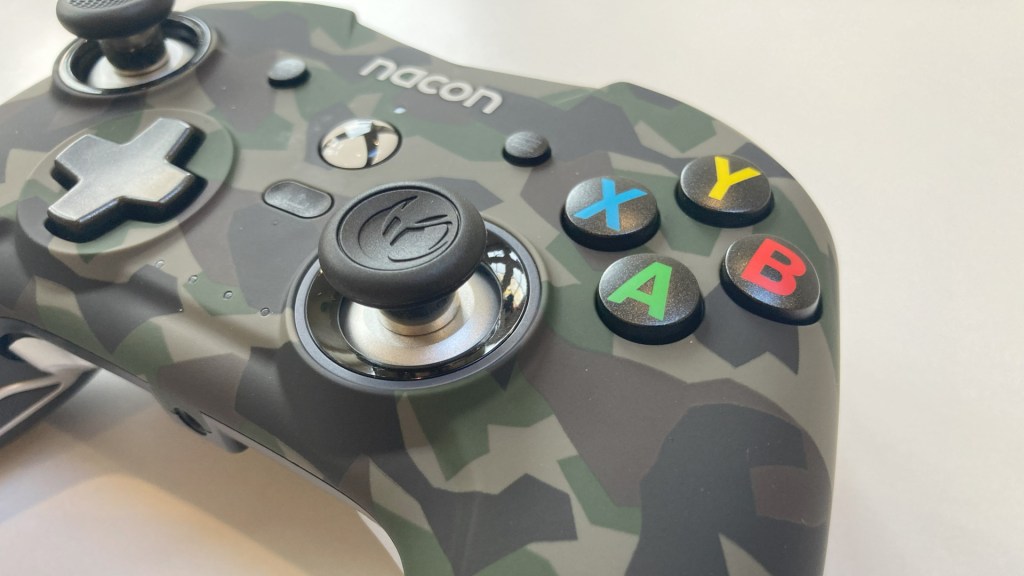
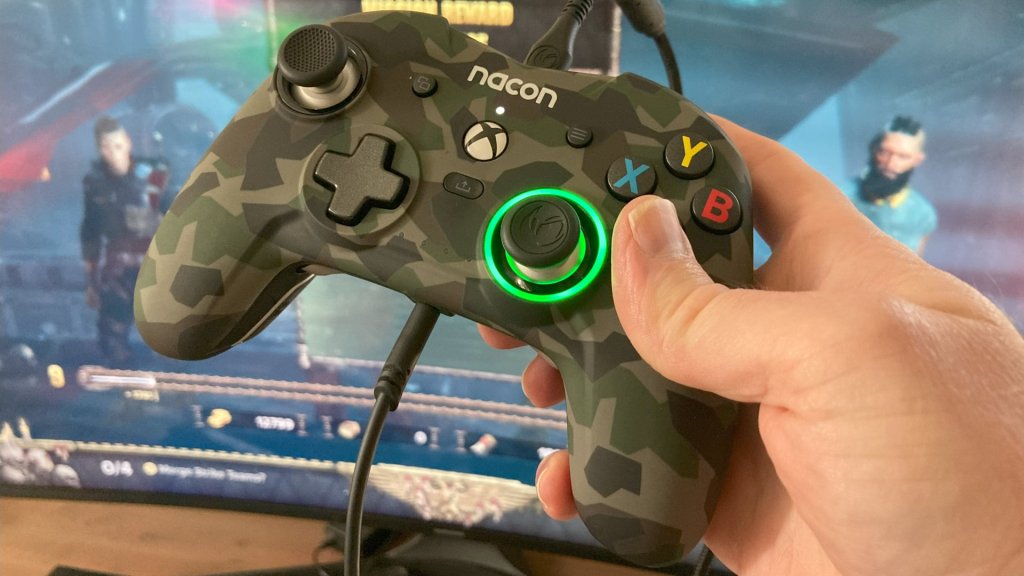
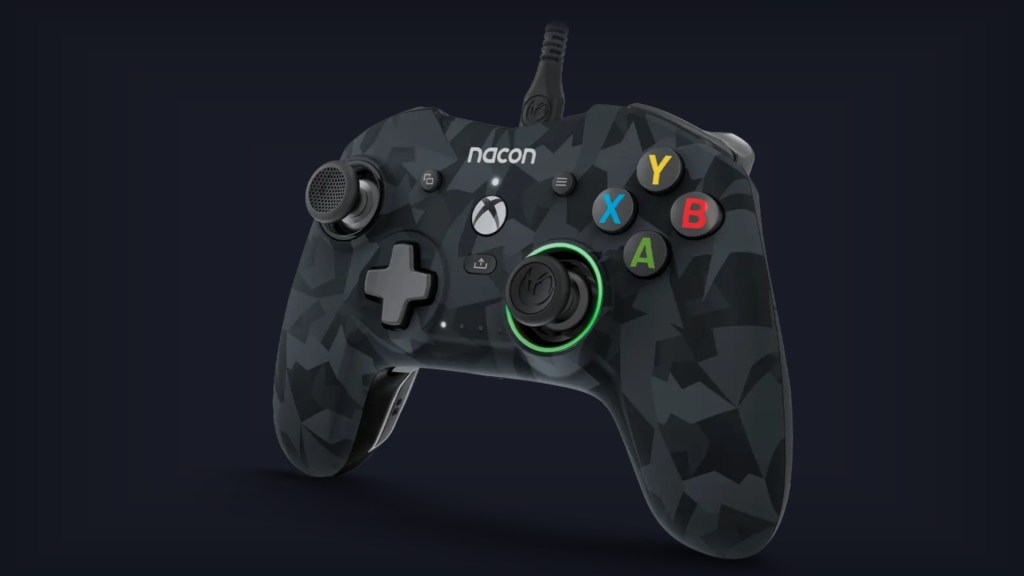
    The Nacon Revolution X (the Limited Edition Forest Camo variant seen below) is a “Pro Grade” controller for Xbox One and Series S|X consoles, and PC. As an official “Designed for Xbox” product, it offers a familiar layout, the basic functionality you’d expect, and then quite a bit more. With a price tag close to that of premium, third-party options from the likes of Razer and Thrustmaster, the Nacon Revolution X is a highly customisable and feature-rich choice – with a quality set of accessories, rear buttons, and easy-to-use software for tweaking – but it lacks the premium “feel” of its peers.

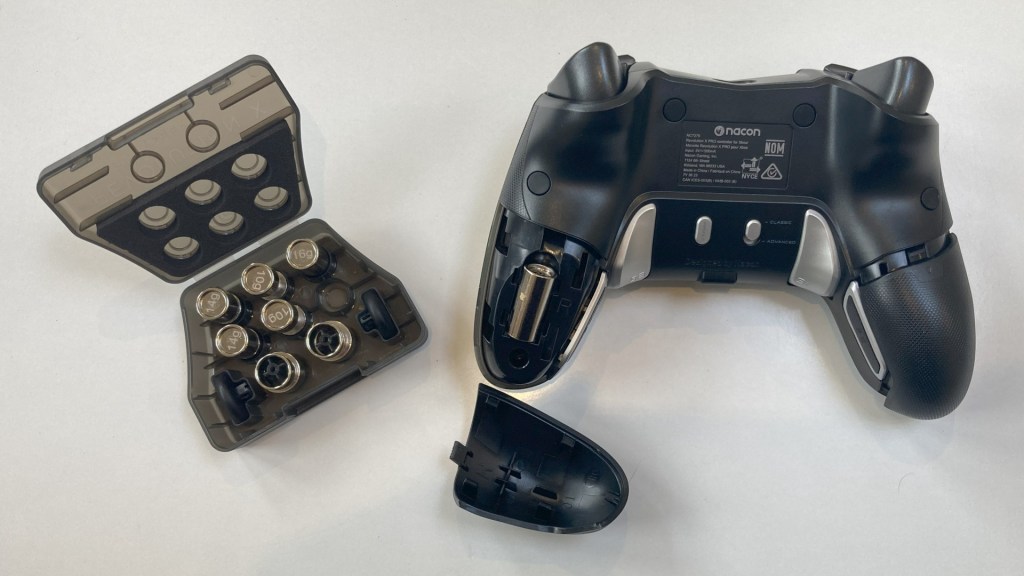
    Starting with the many positives, the Nacon Revolution X comes with a fantastic set of accessories. The sturdy carry case houses the controller snugly, along with a swappable weight and thumbstick kit, the braided cable, and a cleaning cloth. Aside from keeping all the components dust-free and together when stored, it’s useful if you’re planning to travel to an event or want to pack it alongside a gaming laptop.

    By default, I found the Nacon Revolution X too light for my tastes, but using the extra weights is as simple as sliding off the covers on the rear of each handgrip, inserting them, and clipping the covers back on. If you prefer convex thumbsticks, the default concave variants can be popped off and replaced quickly too.

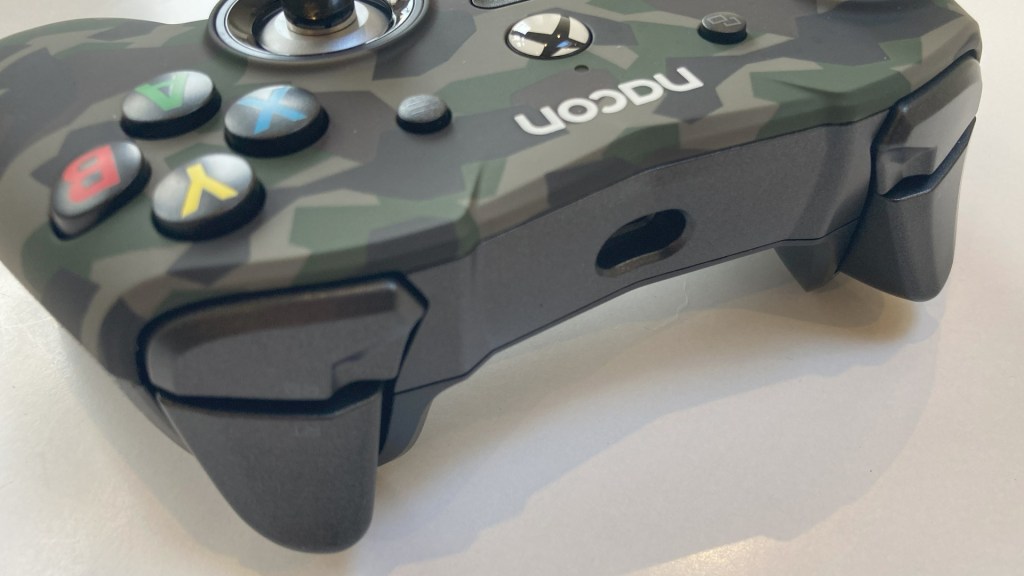
    Unlike Nacon’s more budget-friendly gamepads, the Revolution X’s shape is much closer to that of original Microsoft hardware – albeit with some smart changes, like a more prominent groove below the triggers that guide your middle and ring fingers towards the additional back buttons. As a “Designed for Xbox” product, the basic thumbstick, button, bumper, and trigger designs are almost identical with similar spacing – aside from the Xbox button that’s been shifted downwards and the view and menu buttons slightly further apart.

    The face buttons and bumpers offer a familiar clicky feel, while the broad triggers offer a little more resistance but a similar range. Nacon thumbsticks remain a highlight – sturdy, responsive, and comfortable – with a raised rubber edge and texture that ensures your thumbs don’t slip. Only the 4-way d-pad is a little disappointing with a spongy feel and little feedback as you rotate through each position.

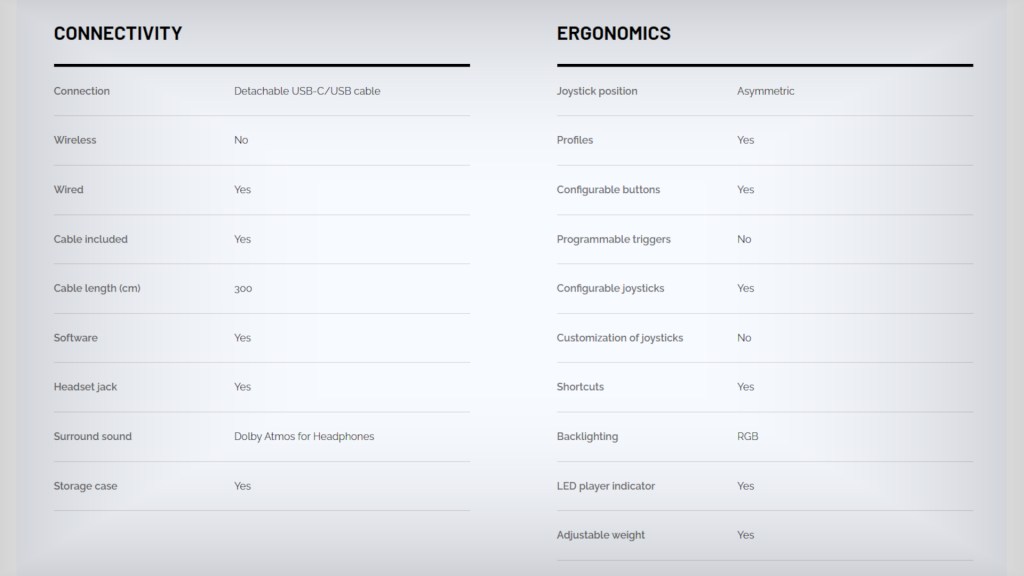
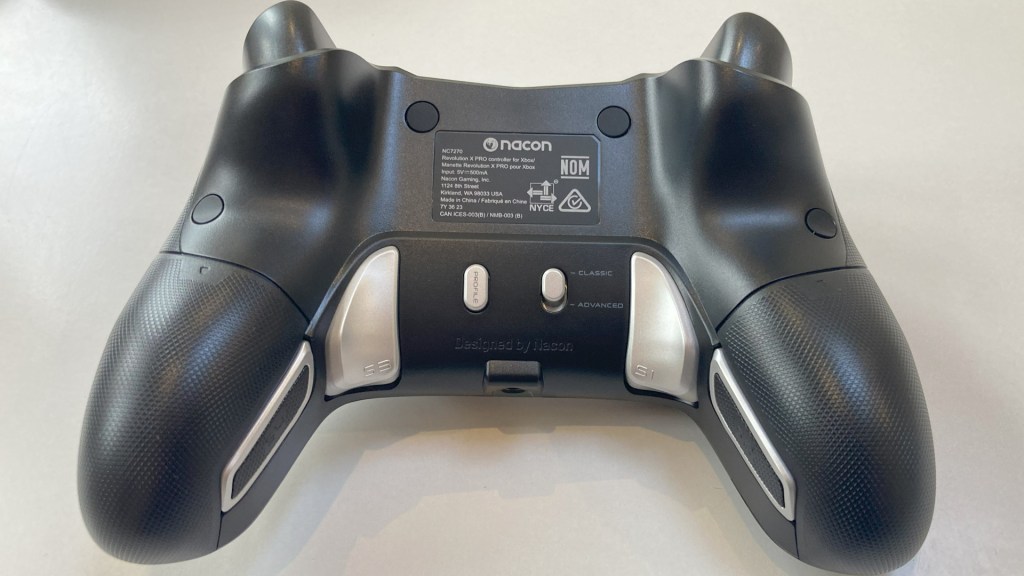
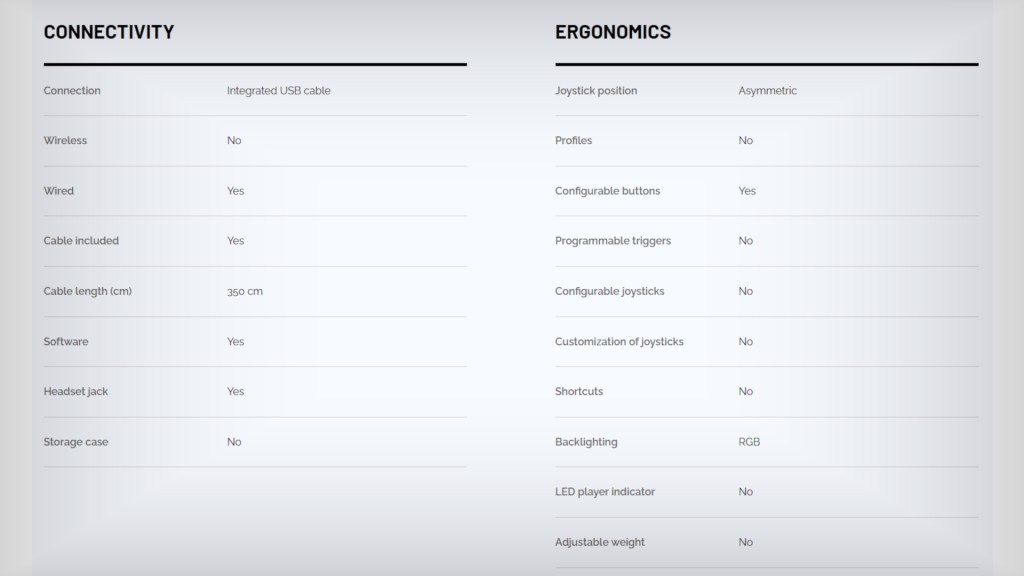
    The grips are lightly textured at the back and the detachable 3 m braided cord ensures you can store it easily with minimal twisting or tangling. On the top of the Revolution X you’ll find a recessed USB Type-C port for the cable; on the base a 3.5 mm port that supports Dolby Atmos if a headset is plugged in; and, on the rear, a button for cycling profiles and an “Advanced” toggle for enabling software programmable functions.

    Most significantly, you’ll find two prominent trigger-like buttons where your middle fingertips rest, and below them, two flatter buttons on the inside of the grip you can access with your fourth digit. They don’t have the same tactile feedback offered by paddles, but they are easier to use – albeit perhaps a little too easy depending on how tightly you grip. As someone who always finds it uncomfortable clicking down the thumbsticks while moving and aiming in action games, I bound the trigger-esque buttons to L3 and R3 respectively, then used the two smaller buttons for priority d-pad shortcuts.

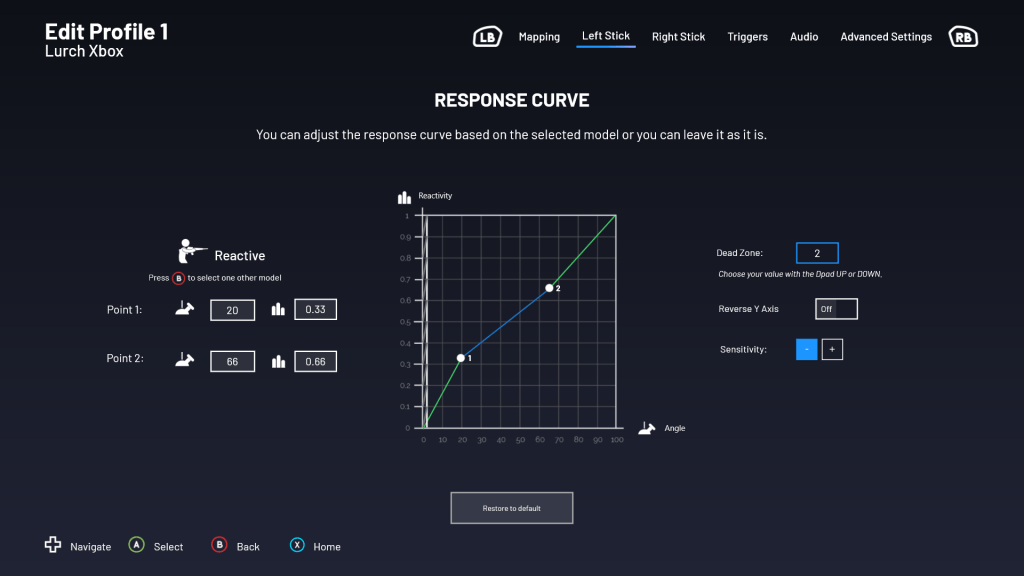
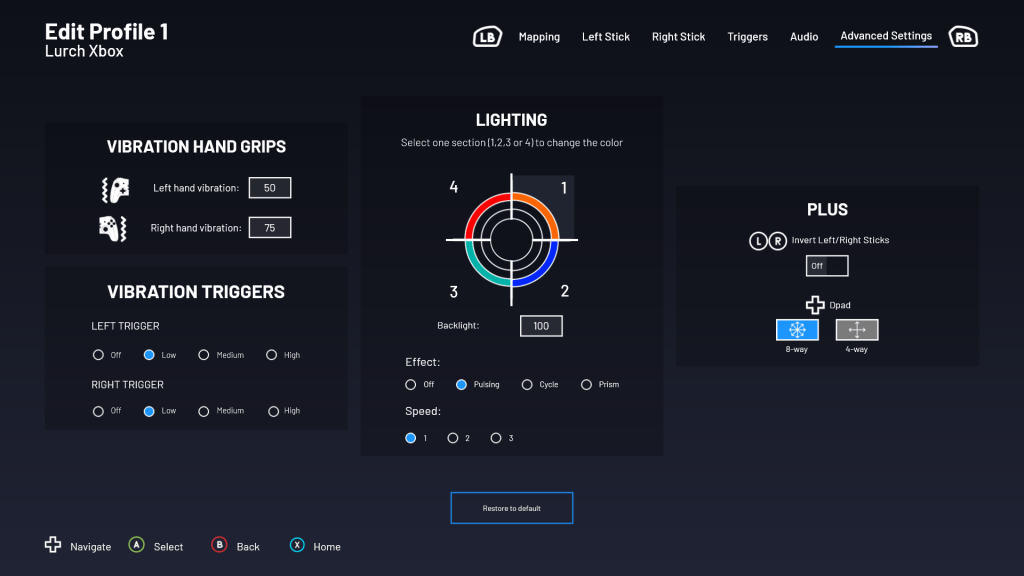
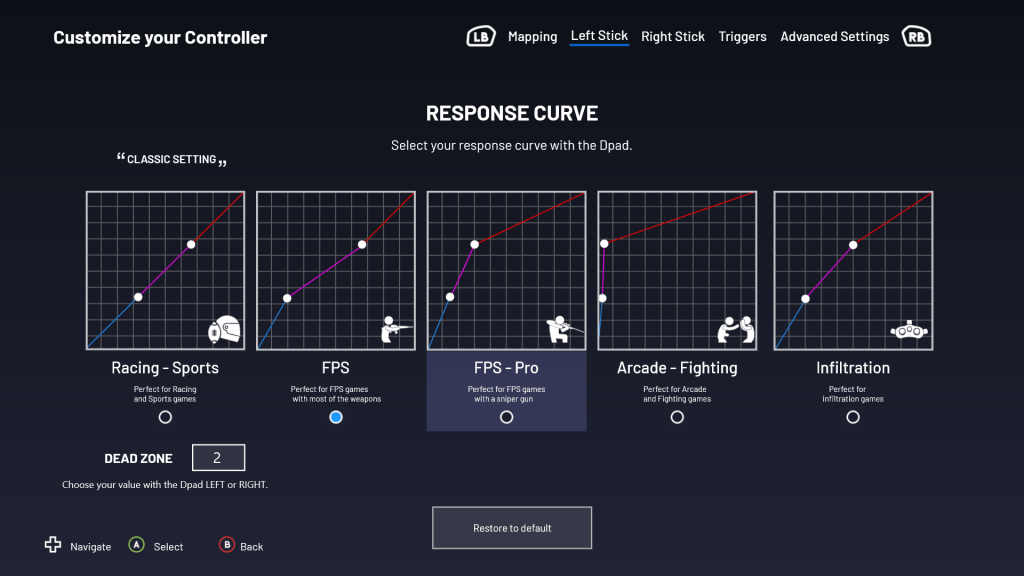
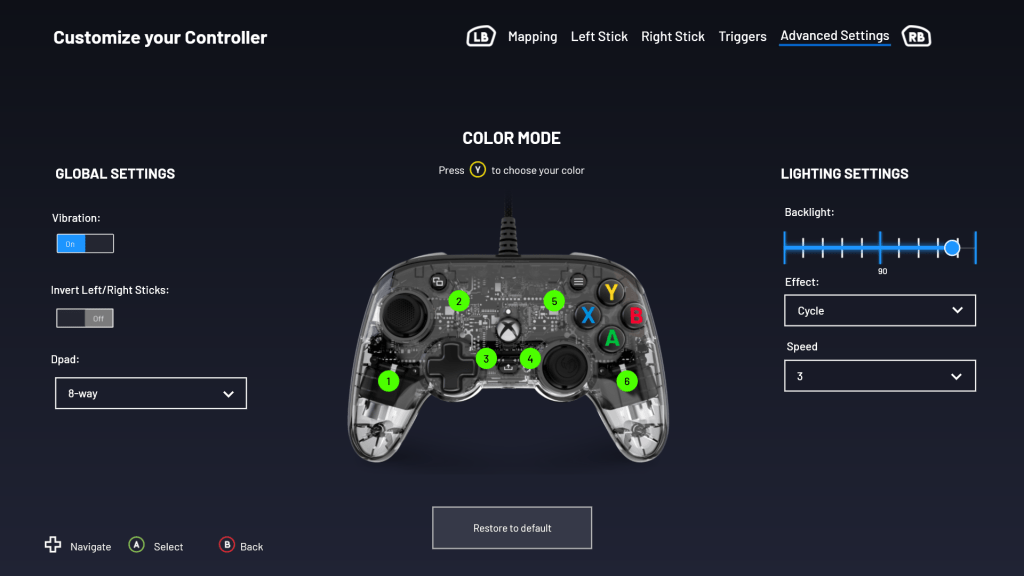
    Talking of assigning inputs, the Revolution X uses the same simple and intuitive software you can find on Nacon’s budget models, just with an added layer of depth that allows more fine-tuning and completely custom presets. You get the expected full button-remapping; you can invert thumbsticks, adjust dead-zones, or tweak their response pattern curve inflection points precisely; you can adjust trigger activation ranges and dead-zones; control grip and trigger vibration intensity individually; and define the d-pad as a 4- or 8-way input depending on the game.

    The default presets all provide a demonstration panel to reflect the impact of each adjustment, but you can tweak parameters in the app and switch saved profiles on the fly – making it easy to test the results in-game where it counts most. More and more games offer similar functionality within their option menus, but it’s great to create a few genre-specific profiles and not have to do it on a per-game basis.

    The Revolution X has a single RGB ring around the right thumbstick, with quadrants you can individually customise by changing the colour and LED pattern. It provides some light visual customisation options, but it’s more useful for indicating which profile is active without going into the app.

    Also of interest is the Equaliser function when you’re using the headphone port, allowing you to enable a 3D audio effect (whether this is just Dolby Atmos or a discrete function is not clear); you can pick a preset for different genres that amplify certain frequencies; or adjust microphone gain and noise suppression if you’re in party chat. As I prefer system-level adjustments, I didn’t get much out of it, but it’s another nice-to-have option.

    Unfortunately, a smart form factor, extra inputs, and software programmable functions are only one part of the premium experience; the other is how the gamepad feels in action, in your hands. Despite decent build quality, the Revolution X feels incredibly plastic-ey. It’s hard, smooth, and slippery, to the point even the textured grips achieve little if your hands are dry.

    This might seem like a nitpick, but if you’re holding something for hours on end, properly textured and ideally rubberised grips are one of the major benefits of a premium gamepad – and it’s a feature several similarly priced pads offer. Nacon could benefit from releasing silicon grips or a protection kit for the Revolution X, as it’s something I’d consider an essential extra if the other features have convinced you to pick one up.

    The Nacon Revolution X also benefits from simple software use with unified features that work across last-gen Xbox One consoles, current-gen Xbox Series consoles, and PCs. It’s plug-and-play and, better still, the software app functions identically on all devices and syncs with your profile between them. Additionally, if you’re a fan of retro games, the wired Nacon Revolution X has far greater compatibility with older GOG and Steam PC games from the mid-2000s onwards, whereas they often bug out when using Bluetooth or a wireless adapter.

    So wrapping up, the Nacon Revolution X is an unexpectedly feature-rich controller given the price point. It’s highly customisable with swappable weights and thumbstick options; it has additional inputs, and easy-to-use software; and it comes with a fantastic accessory set and carry case. Unlike some of their cheaper gamepads, the form factor is great and smartly guides your fingers to the additional rear inputs. All that said, it lacks decent textured or rubberised grips to complete the package and give it that “premium feel”.

    Pros:

    • Decent build quality with a familiar layout and tactile feel similar to that of Microsoft gamepads
    • Well-situated rear inputs that are easy to use
    • Intuitive software allows you to tweak almost every part of the gamepad on a granular level
    • A fantastic accessory set is included
    • Quality braided cable that’ll survive handling and storage

    Cons:

    • It needs better textured or ideally rubberised grips for a more premium feel

    Score: 8/10

    A review sample of the Nacon Revolution X Limited Edition Camo was provided to gameblur by the manufacturer.

  • Tech Review: Nacon Colorlight Limited Edition

    Tech Review: Nacon Colorlight Limited Edition

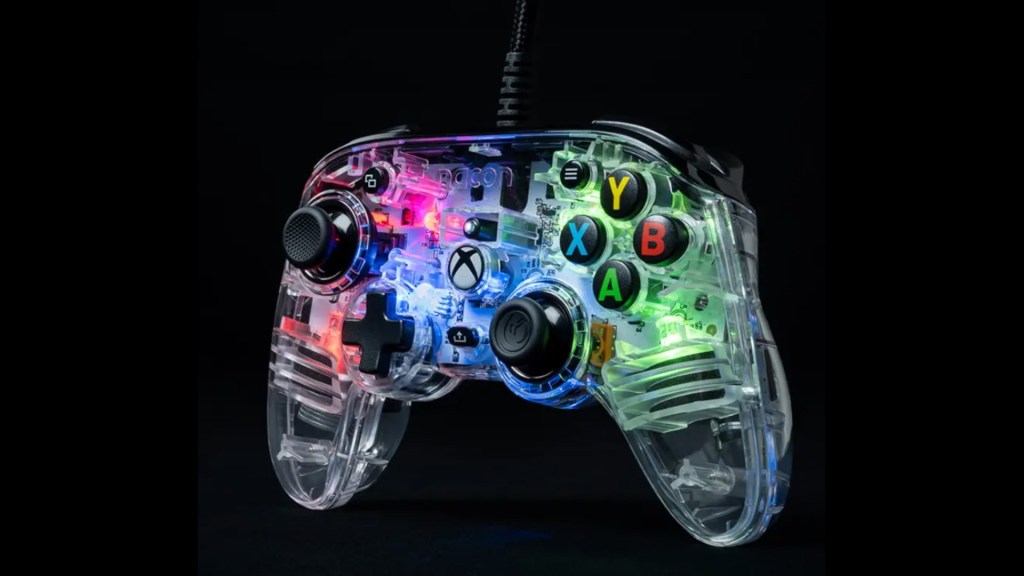
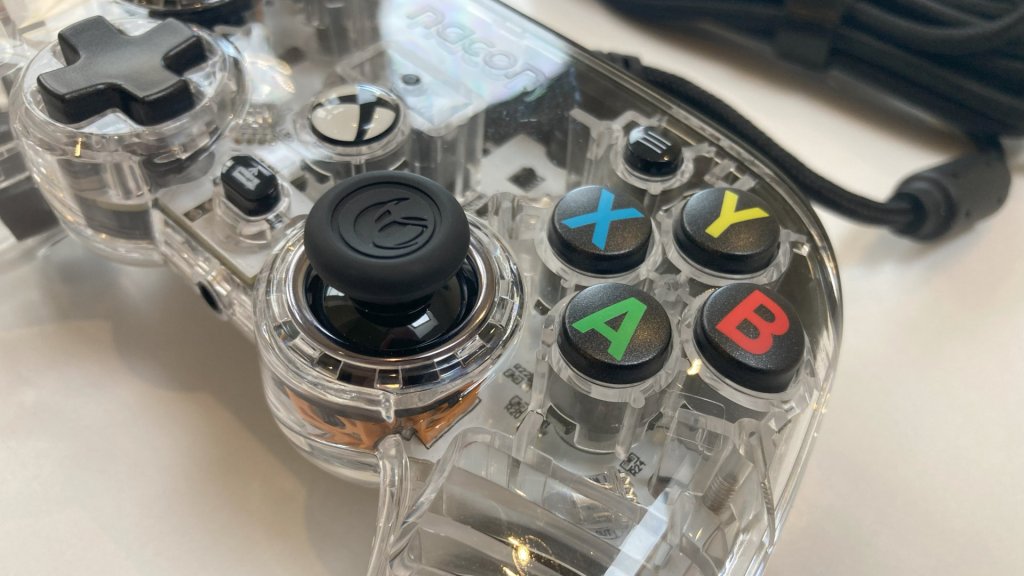
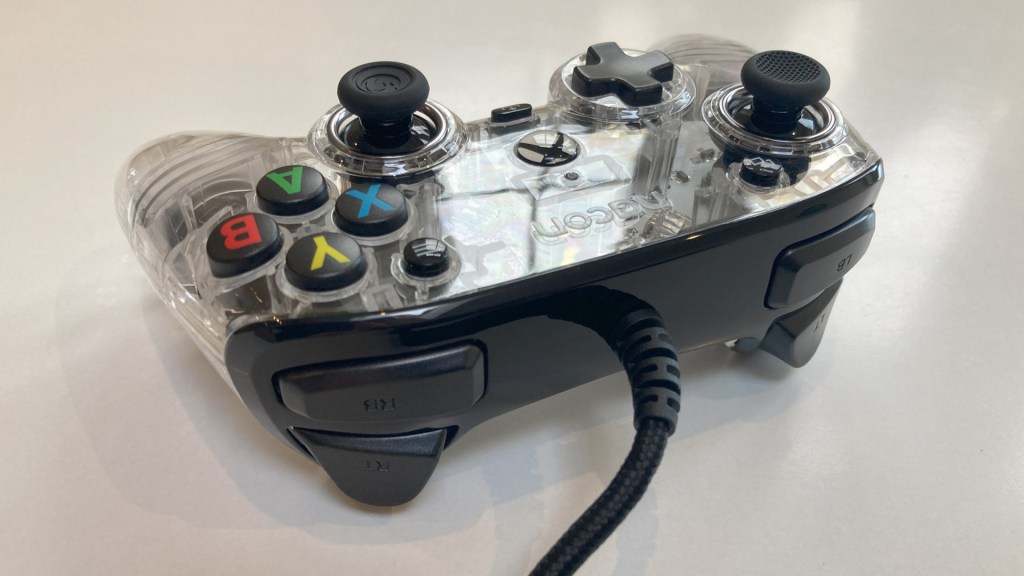
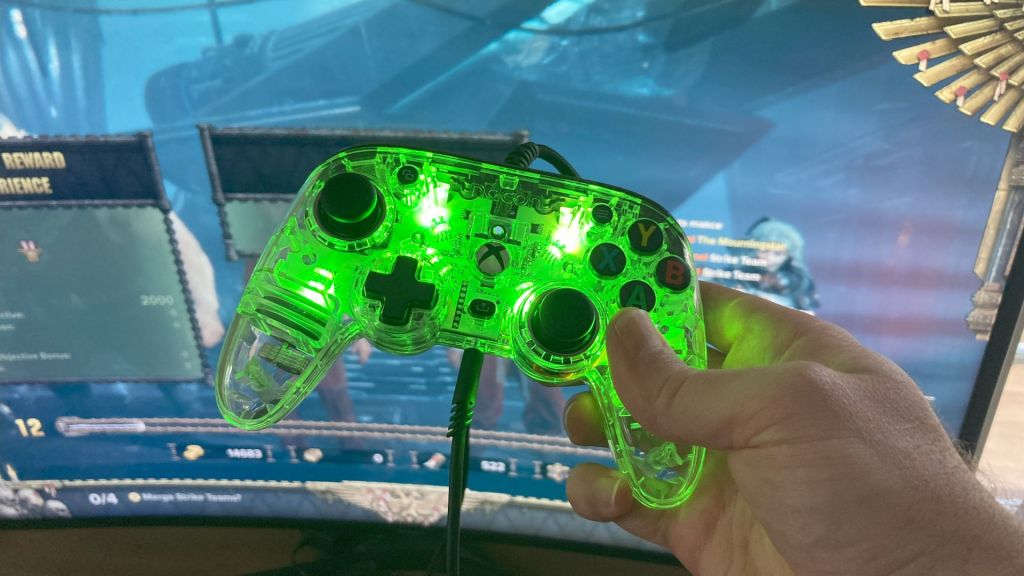
    Providing a one-sentence review for the Nacon Colorlight Limited Edition is easy: It’s a transparent, “Designed for Xbox”, Pro Compact model, with six customisable colour zones, and many of the same pros and cons. As such, there’s plenty to like if you’re looking for a sturdy, easy-to-use, customisable wired gamepad – but its form factor and triggers can feel at odds with the benefits you get from the programmable software features.

    Despite the Pro Compact frame, the Colorlight is not much more compact than an original Xbox Series gamepad and weighs about as much one with the batteries removed. That said, it still feels robust in your hands, with thumbsticks, face buttons, and bumpers that all have a similar tactile feel. The grips are lightly textured and the braided cord, which is 3.5 m long and does not detach, ensures you can store it easily without twisting or tangling. What is notable, and presumably accounts for most of the size reduction, are the shorter hand grips. Your mileage may vary based on your hand size, but I found the Colorlight felt less secure during games that required rapid inputs (first-person shooters being a prime example).

    As a certified “Designed for Xbox” product, the Colorlight’s basic button and thumbstick configuration is identical to an original gamepad, and you get Dolby Atmos support if you have a headset plugged into the 3.5 mm jack on the base. The offset thumbsticks are a similar size and height, while the A/B/X/Y face buttons are slightly larger and, as a consequence, more cramped. Thankfully, they have the same “clicky” feel and a similar range of motion. The one design I don’t understand is why the menu, view, and share buttons were pushed towards the edge of the gamepad, instead of clustered around the central “Xbox” button.

    The thumbsticks are a highlight. They feel robust and have a raised rubber edge that ensures your thumbs don’t slip, even when applying only light pressure. In contrast, the d-pad feels a little spongy when depressed and rotated – lacking the “clicky” feedback of an official Xbox gamepad – but it functions as intended. So to do the bumpers, though they feel less prominent. Unfortunately, the somewhat squat triggers bring down the overall experience in any game genre that relies on them extensively – think first-person shooters or racing games. They feel more like the bumper-trigger hybrids on a Dualshock 4, rather than the well-defined curved triggers we’ve seen on every Xbox gamepad since the original “Duke”. They’re sturdy, they get the job done, but it always felt like my fingers were close to slipping off during hectic gaming sessions.

    With form factor out the way, the next element to discuss is the Colorlight’s programmable software and unique lighting options that you typically only see with premium-priced gamepads. Unsurprisingly, it uses the basic Pro Compact app – which is simple to use and offers excellent presets – just with extra settings to customise the RGB lighting. You get full button-remapping; you can invert the thumbsticks and tweak their dead-zones or response patterns; you can adjust the trigger activation ranges; and set the d-pad to a 4-way or 8-way input. You can mix and match to your liking, but each preset clearly demonstrates the impact of each adjustment and you can tweak it on the fly – making it easy to understand and test the results during gameplay.

    What is unique to the Colorlight is a tab dedicated to tweaking the colour and behaviour of the 6 LED lights. If you’re boring like me, you can just pick a single colour and brightness level, or you can tweak each LED individually to create a unique arrangement of colours with different behaviours. Six LEDs with a symmetrical split is not quite enough to create anything too elaborate, but it does allow you to create unique profiles for different users or, if you want two in the house for local coop, it’ll be easy to identify which controller belongs to whom. On the back of the gamepad, you’ll find one button to cycle a basic set of colour, while another toggle puts it into “advanced” mode to use the software interface.

    As a final point on the user experience, the Colorlight benefits from being simple to use with unified features. It works on last-gen Xbox One consoles, current-gen Xbox Series consoles, and PCs – just plug it in and you’re good to go. Better still, the customisation software app functions identically on all devices and syncs with your profile between them. Additionally, if you’re a fan of retro games, the wired Colorlight has far greater compatibility with older GOG and Steam PC games from the mid-2000s onwards, whereas they often bug out when using Bluetooth or a wireless adapter.

    Overall, the Nacon Colorlight Limited Edition is a decent budget gamepad, with some surprisingly premium features. It doesn’t offer back paddles, swappable thumbsticks, or weights, but the programmable software options and lighting customisation feel on par with more expensive gamepads. The build quality is great, the layout familiar, and the customisation options intuitive to use and easy to test mid-game. Unfortunately, the shorter hand grips and trigger design make it less ideal for shooters and racing games – both genres the software feels tailored for. It works well as a robust backup controller for a child, or maybe as a dedicated Xbox-style gamepad for PC but would like to see a revision with conventional triggers.

    Pros:

    • Robust build quality, familiar layout, and tactile feel to original Xbox gamepads
    • Intuitive and useful programmable buttons/triggers using the Pro Compact app
    • A wide range of lighting configurations to personalise your pad
    • Quality braided cable that’ll survive handling and storage

    Cons:

    • Short hand grips and Dualshock-esque triggers make it less ideal for shooters and racing games
    • Unintuitive menu, view, and share button placement

    Score: 7/10

    A review sample of the Nacon Colorlight Limited Edition was provided to gameblur by the manufacturer.

  • Review: DREDGE: The Pale Reach DLC (Xbox Series)

    Review: DREDGE: The Pale Reach DLC (Xbox Series)

    I really enjoyed DREDGE earlier this year. It was a near-perfect indie experience that felt smartly designed to get the most out of a limited budget without wasting my time. I’ve been looking for an excuse to go back and wrap up a few achievements – but playing through The Pale Reach expansion was both satisfying and disappointing. It is more DREDGE – which is a good thing – but it also left me concerned about future expansions if they don’t (or can’t) shake up the mechanics and gameplay structure significantly.

    In brief, The Pale Reach expansion exists to provide more of what DREDGE already did well. It couples simple but satisfying fishing and dredging mini-games with a rewarding progression system – ensuring you’ll rarely play for more than an hour without improving your ship, fishing equipment, or passive skills in some way. You sail out at the break of dawn to maximise your exploration and fishing time, then dash back to shelter once the sun sets in order to avoid cosmic horrors that plague the open seas after dark. Despite the stylised, cartoonish visuals and soothing soundtrack, there’s a constant sense of lingering dread in what is typically a relaxed genre.

    The Pale Reach provides a new icy biome to explore, with a substantial secondary quest, new equipment to craft or purchase, and new sea life – with several gruesome abhorrent species, of course. A visiting photographer provides an incentive to sail south, but she only serves to reveal an angry Narwhal that roams the frigid waters. The meat of the story involves discovering the fate of an old expedition – a task that’ll force you to dredge up parts for an ice breaker – and prevent the awakening of yet another slumbering monstrosity.

    Mechanically and structurally, the expansion plays out exactly like any of the existing island biomes you visit in the base game – albeit a suitably low-risk option that you can tackle early with only a hull upgrade or two recommended. NPCs will ask you to catch fish or dredge old parts to craft new gear; tattered journals will recount the fate of the prior expedition and update your goals; ancient shrines will hint at the true nature of the threat; and the aforementioned Narwhal will alternate between chasing you and conveniently destroying ice barriers if tempted with enough fish.

    There are some useful rewards that have application outside of the icy biome – like the ability to create ice blocks that keep your haul fresh for longer or a mysterious anchor that creates a two-way portal to Blackstone Isle – but if I had been playing DREDGE for the first time and someone installed the expansion without me knowing, I doubt I’d have realised it was post-launch content.

    As a consequence, I’m torn on how to rate The Pale Reach expansion. If you skipped DREDGE at launch and wanted to play it; or if you wanted to return to complete fishing challenges, boat upgrades, and check other free post-launch content; DREDGE: The Pale Reach is a well-priced excuse that slightly bulks up an already excellent game. If, on the other hand, you’ve 100%-ed DREDGE and were hoping to see what else could be done to shake up the gameplay formula, getting more of the same might disappoint.

    Pros:

    • A smart and respectful remaster that preserves System Shock 2’s timeless qualities and a few flaws
    • The updated textures, ambient lighting, and new weapon models don’t gel with the original designs
    • Competent gamepad controls and a multi-plat release improves accessibility
    • There’s only one cyberspace section at the end (which I guess some might consider a negative)

    Cons:

    • It ultimately looks and plays just like the late ‘90s early 3D FPS-RPG hybrid it is
    • Some laborious objectives remain unaltered and can drag down the pacing

    Score: 7/10

    DREDGE: The Pale Reach was reviewed on Xbox Series S|X using a code provided to gameblur by the publisher. It is also available on PC, Xbox One, PS4/5, and Nintendo Switch.

  • Review: Robocop: Rogue City (Xbox Series)

    Review: Robocop: Rogue City (Xbox Series)

    Robocop: Rogue City is quality 7-out-of-10 fare – one of those games that lack the production values of an “objectively” higher-scoring “AAA” title but are often way more fun to play. As such, how much you enjoy it will depend on what you’re willing to forgive to finally play a good game based on an underutilised IP. It shares many of the same highs and lows as Terminator: Resistance, demonstrating a lot of passion and an obvious love of the IP. However, some great character interactions, solid shooting, an authentic sense of style, and a flashy new engine can’t obscure the disjointed campaign flow, limited mechanical depth, dated character models, and awful cutscenes.

    If you’ve watched the 1987 film recently, it’s easy to argue Robocop: Rogue City retreads too many themes. What makes us human and who gets to decide? Is the rigid application of laws truly just? Is there no end to corporate greed and the collateral damage it causes? Repetition, sure, but these themes make for some of the best interactions between Robocop and the supporting cast and they tie into a narrative role-playing mechanic that influences the fate of several characters and Old Detroit. That said, it’s no subversive masterpiece. Robocop guns down hundreds of gang members with no consideration for the socio-economic manipulation that pushed them into that life, and there’s no shortage of real-world examples that demonstrate trying to resolve violence with violence begets more violence.

    The events of Robocop: Rogue City take place after the second film, with resurgent gangs, an ongoing Nuke drug problem, and the OCP still looking for any excuse to replace the police force with robots and level Old Detroit to make way for their Delta City project. Robocop experiences more glitches during an attack on the Channel 9 building, so OCP inserts a chip to monitor his performance (tying into the progression mechanics) and assigns him mandatory therapy sessions (used to define, question, and reinforce your role-playing choices). He’s then let off the leash to investigate “the new guy in town”, a mysterious villain whom several gangs and mercenaries are vying to work for.

    This kicks off an interesting but poorly paced story that revolves around Robocop in more ways than one. A good chunk of the opening half is spent shooting through several gangs to interrogate their leaders; destroying more dysfunctional ED-209s; dealing with OCP’s ongoing efforts to undermine the existing police force; avoiding or engaging with mayoral election campaigns intent on using him for political goals; and uncovering an even deeper conspiracy within OCP that leads into a drawn out finale and a bizarre final boss that, I guess, is was somewhat foreshadowed. I know this is both a video game and Robocop is satirical sci-fi, but the plot is still full of contrivances, inconsistent logic, and sudden deviations that make it feel as though the script was written on the fly.

    That said, if you focus instead on optional missions and smaller moments between Robocop and Lewis, his fellow officers, the citizens of Old Detroit, and even the antagonists, you’ll find much better writing, unexpectedly touching moments, and get the chance to explore lovingly recreated spaces like the Metro West Police Station. Peter Weller’s voice and delivery add instant authenticity and, with the notable exception of OCP’s CEO “the Old Man”, the rest of the voice cast give it their all – even if most performances aren’t going to win any awards. During many of these moments, you choose Robocop’s response or actions, which don’t drastically alter the events you experience, but they do change how he perceives himself and how the cast interacts with him down the line.

    The problem is no matter how good Robocop: Rogue City looks – with incredibly detailed environments, destruction physics, realistic lighting, and exaggerated gore – the vast majority of character models look dated and stiffly animated, lip-syncing is all over the place, and the cutscene direction feels crude: think simplistic framing, awkward cuts, poor dialogue delivery, and shifting sound levels. Robocop’s model looks great, Weller’s delivery is perfect, and the soundtrack variations of the original theme are brilliant – but all that can’t stop many cutscenes robbing the game of the emotional impact the writers clearly intended.

    Now I’ve got this far without discussing the gameplay in-depth, and I’d argue that’s because there’s not a lot of depth – well, at least not enough when tackling all the primary and secondary missions takes almost 20 hours, alternating between corridor shooting galleries and repeat visits to a hub-like Old Detroit that evolves over time. Mechanically, Robocop: Rogue City is another RPG-shooter hybrid like Terminator: Resistance – albeit with less looting, crafting, and upgrading gear and a greater focus on satisfying gunplay based around Robocop’s iconic Auto-9 and his incredible resilience. There are simple dialogue and scanning-based investigations, but while some larger chapters and the Old Detroit hub often reminded me of Eidos Montreal’s Deus Ex games, Robocop is no Adam Jenson. Even if a mission starts off peaceful, it’s guaranteed to end in a gunfight.

    Thankfully, the shooting is solid, and Robocop: Rogue City nails the sensation of being half-man and half-machine, with the durability and manoeuvrability of a tank. I’d always laugh when yet another gang member or mercenary threatened Robocop and pulled out a handgun or rifle, as only high calibre rounds and explosives pose a significant threat. From the moment Robocop thuds into the Channel 9 building, draws his iconic Auto-9, and the classic theme kicks in, you’ll spend most of your time shooting enemies in the head, in the groin if they’re armoured, or in weak points if they’re robotic. Although you can carry another weapon in reserve, the customisable Auto-9 with unlimited ammo is your workhorse tool and clearly received the most attention.

    Firefights are dynamic and evolve to a degree, just not enough to sustain a campaign twice the length of the classic FPS that inspired it. Enemies with more armour, bigger guns, or special abilities are slowly introduced; environments are full of hazards you can throw at enemies, or throw enemies into; most secondary weapons are useful in specific situations; there are offensive and defensive skills you can put points into for incremental buffs and perks; and you can upgrade the Auto-9 using “PCB” omni boards and chips that feels like a less-intuitive variation of what we got in Terminator: Resistance.

    The problem is it takes hours to get impactful perks if you don’t take a min-max approach – think deadly ricochet shots, bullet-deflecting armour, and bursts of slow-motion actually long enough to be useful – while there’s a steady increase in the number of tank-ish enemies that offset their impact and drag out firefights. As I was blasting through an end-game gauntlet, about 18 hours in, I realised I was just going through the same motions on autopilot: pull the left trigger, smile as the CRT effect and targeting outlines appeared, pull the right trigger, watch heads or groins explode. Considered in isolation, most scripted firefights are entertaining, but there are a lot of them, and they all blur together over time.

    Now despite ending on a low note, Teyon still deserves plenty of praise for creating the best Robocop video game available, just as they did for the Terminator IP, and that makes this a must-play for fans of Terminator: Resistance. For those not part of that crowd, Robocop: Rogue City can still be a lot of fun if you’re heavily invested in the IP and can look past inconsistent production values or underdeveloped systems. It somewhat outstays its welcome but provides a unique opportunity to role-play a conflicted Robocop, violently prosecuting justice through a CRT filter, to a fantastic soundtrack. If nothing else, it might also convince you the IP could work in a dedicated narrative-adventure game.

    Pros:

    • Great interactions between Robocop and the secondary cast that revisit themes from the 1987 film
    • Recreated locations from the films and classic Robocop lines delivered by Peter Weller himself
    • A customisable and immensely satisfying Auto-9 that explodes heads, hands, and groins alike
    • A progression system that (eventually) unlocks some overpowered perks

    Cons:

    • Weird campaign pacing and contrivances
    • The emotional impact of many encounters is undermined by crude cutscenes and character models
    • Not enough mechanical depth to sustain a 15-20 hour campaign
    • No permanent CRT filter option and no New Game Plus

    Score: 7/10

    Robocop: Rogue City was reviewed on Xbox Series S|X using a code provided to gameblur by the publisher. It is also available on PC and PS5.

  • Review: ADORE (Nintendo Switch)

    Review: ADORE (Nintendo Switch)

    ADORE is an intriguing “hands-off” action-RPG from Brazilian developer Cadabra Games. The focus is on capturing, upgrading, and synergising creatures that function as your attack abilities – a feat you’ll achieve by grinding procedurally-generated maps for said creatures and a myriad of upgrade resources. With real-time, isometric combat exclusively using summons, it feels novel at first, but progression begins to feel repetitive, unrewarding, and even frustrating at times.

    Starting with the good, ADORE has an interesting premise. Your protagonist has been cohabited by the spirit of “Draknar”, the god of creatures, who was slain by his brother “Ixer”. Ixer’s betrayal has resulted in a curse spreading across the land, corrupting once-peaceful creatures, and leaving it up to Lukha and a hidden village of fellow Adorers to try to set things right.

    ADORE gets off to a slow start but the combat and upgrade mechanics are surprisingly deep. At first, you only need to consider the type of creature – think beast, mystic, nature, or arcane – and their attack patterns.

    Some dash forward for a flurry of quick attacks; some waddle along before dealing a sweeping AoE attack; others have to charge up for a few seconds before dealing a devastating high-damage attack. With up to four creatures assigned to the face buttons (or keys), picking the right attack behaviour is essential, and so too is using the correct damage type to counter armour. You also have a limited, recharging stamina pool to manage, so you can’t just spam all of them at once.

    That’s only the basics, however. Creatures charge up special attacks you can selectively trigger; they can develop synergies with other creature types to unlock new abilities; they can gain experience from Shrines of Draknar to unlock new traits and level existing ones; upgradeable artefacts carried by Lukha add useful triggered abilities; while equipped runes provide him varying levels of passive buffs if you have the points to invest. On top of that, you can collect ingredients and cook meals to heal and buff your team mid-mission.

    You set out from a central hub and slowly unlock five regions on a world map. There’s a string of plot-related missions – most of which are just item or creature hunts before a battle against another Adorer or puzzle-like encounter with Ixer – and there’s a constantly refreshing list of optional missions.

    You jump through a portal in the Adorer village into simplistic maps made up of interconnected segments, each with a handful of hostile creatures to capture or defeat, a mini-mission or two –think activating switches or guiding floating orbs while under attack – and, hopefully, a useful item spawn like the “Particles of Gaterdrik” used to capture creatures, cooking or crafting materials, and upgrade shrines.

    With 39 creatures to capture, managing their upgrades, synergies, and constantly shuffling them in and out of your active party can be fiddly with a gamepad, but there’s a lot of fun to be had in slowly creating a diverse and powerful menagerie. So too is mastering the deceptively simple-looking isometric combat, which forces Lukha to stay mobile and dodge attacks, summon creatures when you spot a gap or first-strike opportunity, and quickly recall them before enemies can land a counter – potentially knocking them out of action for a mission if their health hits zero.

    Unfortunately, moving the plot forward, capturing new creatures, and obtaining resources for upgrades involves grinding short missions and longer excursions; to the point progression feels repetitive and unrewarding, undermining the overall experience.

    To ADORE’s credit, it always indicates what challenges you might face – like a legendary creature – and what resources are available on any given mission. The problem is how quickly the resource costs escalate. Activating one or two runes, levelling your creatures up two to three times, and enhancing an artefact once; are all manageable in the opening hours but as your roster grows, you’ll be forced to tackle the longest multi-map excursions or multiple short missions to achieve any significant progress.

    As fun and tactical as the combat may be, and as stylish as the character designs and environment first appear, it doesn’t take long before your brain settles into a monotonous routine and both the vibrant backdrops – which already suffer from that “made in Unity” look – blur together.

    Of course, grinding to upgrade your party is hardly a novel idea in video games, but the gameplay loop falls flat here due to a few annoying design choices. The first issue is that you have to manually pick up most rewards and they’re prone to falling out of the playable area or hidden behind chunks of the environment.

    The second issue is how death results in dropping most of your currency and crystal shards – essential for purchasing and upgrading artefacts, or expanding rune slots and rune activation points. Both simply add a degree of frustration to an already grindy progression system.

    Now ADORE should entertain those that love collecting and upgrading creatures for battles, with no shortage of upgrade mechanics to engage with and satisfyingly tactical real-time combat. It’s the mission and progression structure that leaves me conflicted. On one hand, it’s a smart way to get more mileage out of limited assets, gives you plenty of time to engage with the mechanics, and its a good fit for short sessions on the Switch or Steam Deck. On the other hand, the longer you play, the less rewarding the progression system feels, and the more formulaic and repetitive the gameplay loop feels.

    Pros:

    • A novel, hands-off, summons-based combat system
    • Plenty of mechanical depth when it comes to upgrading and synergising your party
    • Perfect for shorter sessions on the Switch or Steam Deck

    Cons:

    • The progression system feels increasingly unrewarding and repetitive
    • The rogue-like punishment for death adds nothing but frustration

    Score: 7/10

    ADORE was reviewed on Nintendo Switch using a code provided to gameblur by the publisher. It is also available on PC, Xbox One/Series S|X, and PlayStation 4/5.
  • Retrospective: Syberia (2002)

    Retrospective: Syberia (2002)

    As a point-and-click adventure originally released on PC in 2002, it’s easy to criticise elements of Syberia’s gameplay, but replaying it for the third time on the Nintendo Switch – the best console port by far – I’m still impressed by its relatable protagonist, timeless artistic vision, and serenely melancholic atmosphere.
    Kate goes adrift

    Syberia wastes no time setting the scene and offering a tantalising glimpse of what awaits Kate Walker, a young and idealistic lawyer from New York, sent to the moribund town of Valadilene in the French Alps to conclude the sale of an ageing automaton factory.

    She arrives just in time to witness the funeral precession for the late factory owner, Anna Voralberg, who revealed the existence of a living heir in her final correspondence. Given the importance of the deal, Kate is left with little choice but to track down Anna’s brother Hans – initially thought to have died decades before – and discover more about his troubled family and the legacy he left behind while traversing Eurasia with an automaton engineer named Oscar and a fantastical wind-up train of his design.

    Despite her obvious commitment to the task, it’s clear from the outset that Kate isn’t comfortable in a rigid corporate environment. She marvels at the weird, wonderful, and sometimes terrifying things she encounters on her journey, but takes them all in her stride. She respects locals with quirky customs and is compassionate when helping others, but she also has a strong set of morals and won’t hesitate to call out scheming or dishonest behaviour – even if she’s willing to bend the rules a few times to progress.

    In contrast, the people she left behind in New York are mostly brash, self-interested, morally flexible, and possess limited imagination. Her boss has no interest in her situation beyond her ability to seal the deal; her fiancé Dan seems unable to differentiate between their romantic and business dynamic, treating her more as an accessory to his ambitions; her mother frequently talks over her and uses guilt as leverage; while her friend Olivia seems has little passion for their profession beyond the lifestyle it allows.

    Kate frequently receives calls from them or calls them for assistance during her adventure, and they serve as useful foils that highlight Kate’s character development. Their lives are so ordinary they can barely comprehend what she’s describing and experiencing, while their desperate attempts to discourage Kate and bring her back home to re-establish the status quo border on self-destructive.

    As a result, simply watching Kate discover who she really is – or maybe rediscover herself – is even more satisfying than the overarching narrative and circumventing the many roadblocks along the way.

    Artistic vision > technical prowess

    Of course, a great protagonist and interesting premise still need a good setting, and Benoît Sokal’s creative vision ensures Syberia is one of the few games with legitimately timeless aesthetics.

    Kate’s world is similar but not exactly our own, though it’s not hard to immerse yourself in it with many modern and historical parallels. There are European towns still dealing with the devastation of the Second World War on industry and families, while Russia – possibly still a Union of some sort – is full of ageing industrial and military complexes abandoned after a Cold War era.

    Valadilene sports cobbled streets, art-deco houses, and an intricate automaton factory, but only a handful of people with nowhere else to go remain. The Barrockstadt University, with its massive mammoth exhibits and tropical aviary, is fading into obscurity, with a few lingering staff and fewer students, all surrounded by decade-old military fortifications and damaged houses that were never restored. The decrepit Komkolzgrad industrial complex and cosmodrome are inhabited by two solitary caretakers with unfulfilled dreams. The Aralbad resort is a refuge for faded stars, situated on the edge of a corrosive salt lake, full of rusted shipwrecks that hint at a more prosperous past.

    Although most backdrops are beautiful and smartly framed static images, there are a handful of video-loop backdrops for more intricate structures, simple water shaders, and 3D character models that add life to many scenes. As a reward for solving more complex puzzles, there are several cutscenes that demonstrate Sokal’s intricate automaton designs in action or handle a few action-centric moments.

    The visuals are complemented by an immersive ambient audio mix and a limited but evocative soundtrack themed around each location – but only sometimes. Syberia has moments of near silence, and I was never sure if it was by design or just audio bugs that have plagued prior releases to varying degrees.

    So Syberia is not exactly subtle about using art and music to express its themes, but this does ensure Kate’s journey through forgotten places filled with forgotten people provides a strangely compelling combination of intricate beauty and haunting solitude.

    Streamlined adventuring but dated designs still frustrate

    When it comes to actually playing Syberia, well, it’s a traditional point-and-click experience that can feel anachronistic by modern standards – even if it’s more streamlined than many of its contemporaries.

    To solve an assortment of contrived and often absurd puzzles, you’ll be conversing with the small secondary cast, making the odd phone call, collecting notes for clues, collecting key items to use on the appropriate object, and flicking switches and levers on intricate contraptions or control panels.

    To Syberia’s credit, there are only a handful of puzzles per location, and they all feel reasonably logical given the setting – aside from a late-game cocktail mixing contraption. They never require too many steps or items to solve; there are no red herrings; and there are only 2-4 significant NPCs in any location you need to interact with.

    Furthermore, the puzzles and dialogue sequences are usually sequential and scripted, so you’ll never be overwhelmed trying to juggle multiple puzzles and inventory items. Unfortunately, that doesn’t mean Syberia is devoid of classic point-and-click bullshit.

    The first issue, spotting key items within detailed backdrops, can be resolved by enabling icon highlights in the assists menu, but the second issue is inherent to the design of the game – the size of each location and the impact that has on puzzles that force you to backtrack. Unlike many modern point-and-click adventures that feature fewer but denser locations, Syberia aims for an impressive sense of scale, with many of its beautiful backdrops serving as nothing but set-dressing you need to traverse repeatedly.

    In Valadilene, your departure is interrupted when you have to trudge across town to forge a clearance certificate; in Barrockstadt, discovering the location of a rare plant species requires talking to several NPCs scattered across the university grounds repeatedly; in Aralbad, you’ll run up and down an unnecessarily long pier. These moments are compounded by Kate’s sedate pace, inconsistent screen transition triggers, and fixed camera angles that make it easy to mix up your inputs.

    It’s not as bad as it sounds if you know where you’re going, but should you ever get confused, it makes aimless wondering a pain in the arse.

    Going off the rails, on the rails

    So Syberia is not without flaws inherent in the genre but, on balance, I’d still recommend picking it up if you’ve got any interest in the history of point-and-click games; or if you’re willing to forgive a few anachronistic elements for an uplifting narrative that sees Kate grow as a person while journeying through a weird, melancholic, but wondrous world.

    As for which versions to play – PC players who want a classic mouse-driven experience should stick to the GOG or Steam releases, both of which have been updated a few times for modern systems. It’s a tougher choice for console players as I’d only recommend the Nintendo Switch version that sports functional shaders, the ability to switch to the original 4:3 ratio, and even touch-screen play. At a push, the backwards-compatible Xbox 360 version – or PlayStation3 version if you’ve still got it plugged in – are fine but the backdrops and character models are stretched to fit that widescreen aspect ratio, the audio is even more buggy, and many backdrops feel completely static.

    Syberia was played on the Nintendo Switch 1. It is also available on PC, Nintendo Switch 2, Xbox One/Series S/X (back compat), and PS3.