Author: Andrew Logue

  • Review: Syberia – Remastered (Xbox Series)

    Review: Syberia – Remastered (Xbox Series)

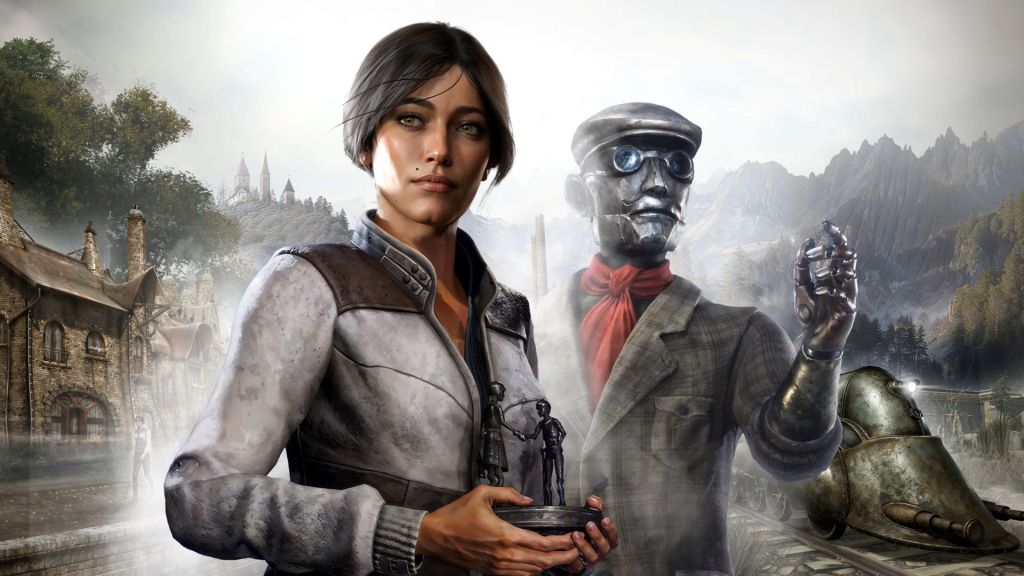
    Syberia first released in 2002 as a point-and-click adventure with relatively unremarkable mechanics for the time. It was, however, elevated by Belgian comic artist Benoit Sokal’s striking designs, an evocative soundtrack, and a narrative that blended the relatable with the surreal. It was easy to play through the remaster for the story – the third time now if I count the awkward console ports of the PC original – and I’d argue Syberia – Remastered is now the most accessible way to play this uneven cult-classic. The updated visuals are beautiful yet faithful, the UI is cleaner, and a few puzzles have even been expanded or tweaked. That, old flaws remain and a few new bugs can frustrate.

    I think what I love most about Syberia is how it balances a growing sense of wonder with unease. You play as Kate Walker, a New York lawyer who looks and sounds like part of our world, but her journey eastward, from the French Alps towards Russian Siberia, feels increasingly detached from reality. Kate arrives in Valadilène to conclude the sale of the Voralberg family automaton business to an American company, only to find the owner has recently passed away and her short business trip is about to get complicated.

    After learning of another heir, the reclusive Hans Voralburg who was long presumed dead, Kate kicks off a journey that will take her further and further away from her current life – her friends, her family, and everything she thought was important. She ends up travelling on a clockwork train, in the company of the weird but likeable automaton Oscar, following in the footsteps of Hans Voralberg decades later. She delves into the Voralburg’s tragic family history, explores seemingly forgotten corners of the world, and encounters an odd cast of those left behind with unfulfilled dreams.
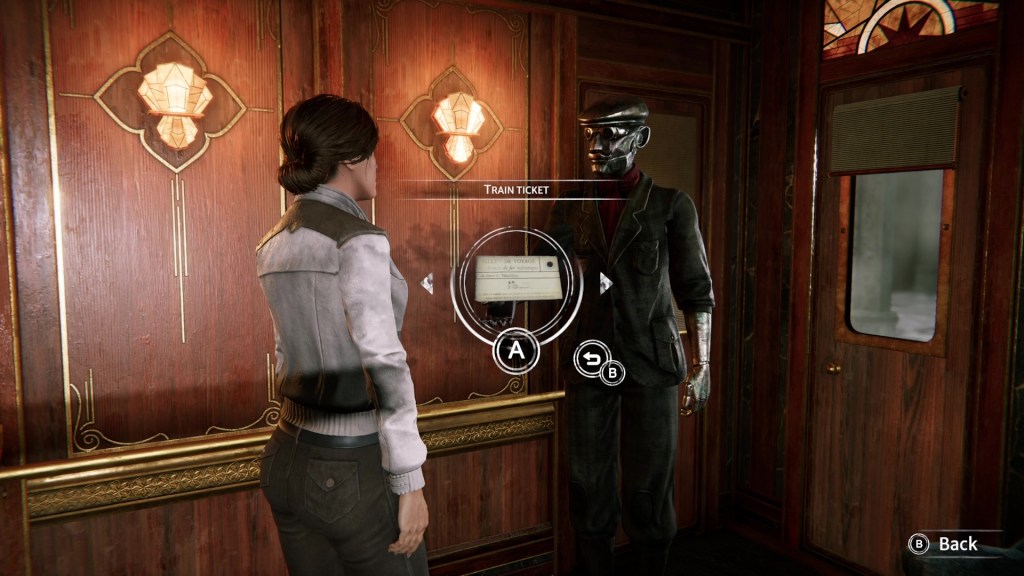
    It makes for a compelling but weirdly paced narrative that sometimes unfolds with no particular sense of direction (other than geographically). As someone who dislikes modern games with bloated runtimes that kill pacing, you’d think it would annoy me. However, given you can see the end of Syberia – Remastered in just 6-7 hours – puzzle-solving skills permitting – it feels more like deliberate and confident pacing. Kate’s journey is literally about going off the rails while on the rails, full of discoveries and revelations, about both her curious client and herself. It’s not always well written, the voice acting is variable, and it features some dated stereotypes, but it had emotional hits that many modern cinematic AAA games fail to generate.

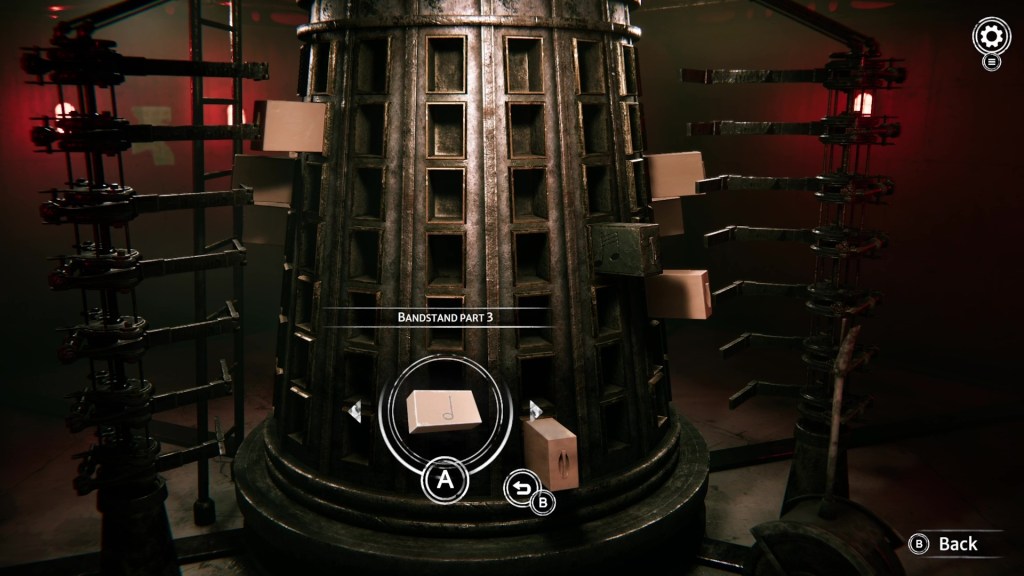
    Gameplaywise, Syberia – Remastered has the same mechanical weaknesses as the original game – even with an updated journal and a handful of expanded puzzles to flesh out some locations. Unlike so many of its peers, Syberia was never about dense environments, pixel-hunting for interaction spots, or use-everything-on-everything experimentation. Instead, you explore large and beautiful zones, exhaust dialogue trees for plot triggers, find a handful key items, and tackle maybe two or three puzzles in each area. It feels more streamlined and logical than most point-and-click games from that era – but the size of the environments can make backtracking tedious.
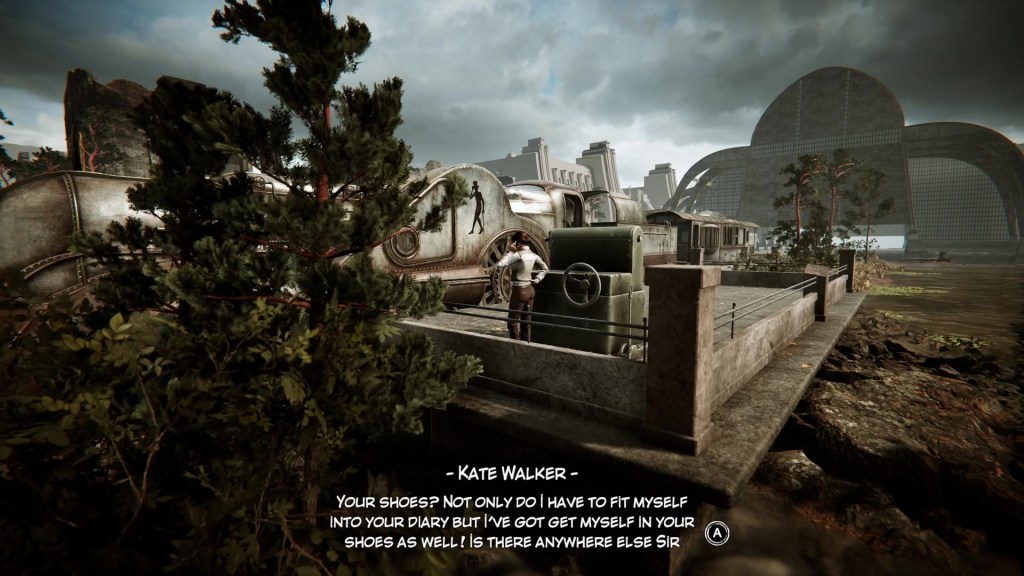
    On the upside, Kate’s initial visit to each location feels suitably wondrous and surreal. She explores a declining alpine town with clockwork buildings and specialised automatons serving the ageing population. She travels to a quirky German university located alongside what look like a giant remnant of the Berlin wall, meeting the bizarre faculty members, exploring an incredible aviary, and learning about Hans’ fascination with Siberian Mammoths. She explores an abandoned Russian industrial city run by a deranged mayor; she visits a cosmodrome to help a drunken cosmonaut get airborne; and she finally help an ageing opera singer feel alive again – if only for a while.

    Every step of the journey feels more surreal than the last and Kate’s fiancé, boss, friend, and mother – most of them self-interested and living shallow lives – frequently call and struggle to make sense of Kate’s trajectory from corporate ladder-climber to headstrong explorer willing to push ever further into the unknown. Again, Syberia is no masterpiece of videogame writing (and this remaster has some dubious subtitles and transcriptions), but it nails the atmosphere and Kate’s voice actor – Sharon Mann for the English dub – did an incredible job of capturing her emotions.
    Of course, most cult classics like Syberia benefit from a mix of hyperbolic praise from fans and the resultant hype for this release. As one of those fans, and a fan of classic point-and-click adventures in general, Syberia – Remastered is a worthy effort at preserving a classic game and making it more accessible on multiple platforms. It stays faithful to the source material despite looking more modern, the expanded puzzles add a minor twist for returning players, and the new journal might prove essential for new player – but I still feel the diverse cast and timeless narrative are the main attraction.

    Pros:

    • Experiencing Kate’s journey of self-discovery through a wondrous but surreal world
    • Beautiful, faithfully remade environments better fit the evocative soundtrack
    • Most puzzles are logical and streamlined
    • The expanded journal system makes the tougher puzzle less of a roadblock

    Cons:

    • Backtracking through larger environments can get tedious
    • Rare movement bugs required restarting the game
    • Subtitles and document transcriptions need work

    Score: 8/10

    Syberia – Remastered was reviewed on Xbox Series S|X using a code provided by the publisher. It is also available on PC and PS5/Pro.
  • Impressions: PIGFACE Early Access (PC)

    Impressions: PIGFACE Early Access (PC)

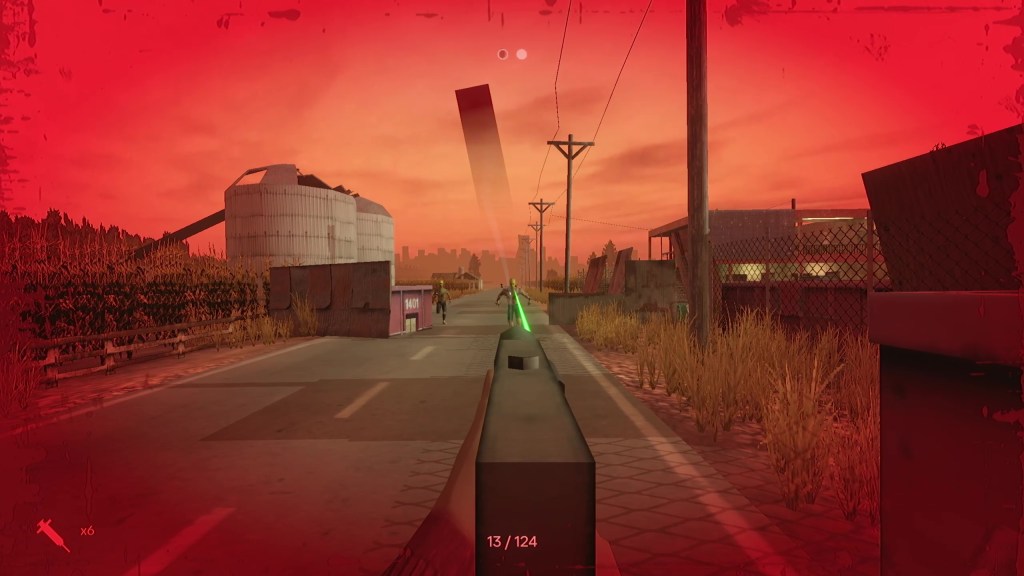
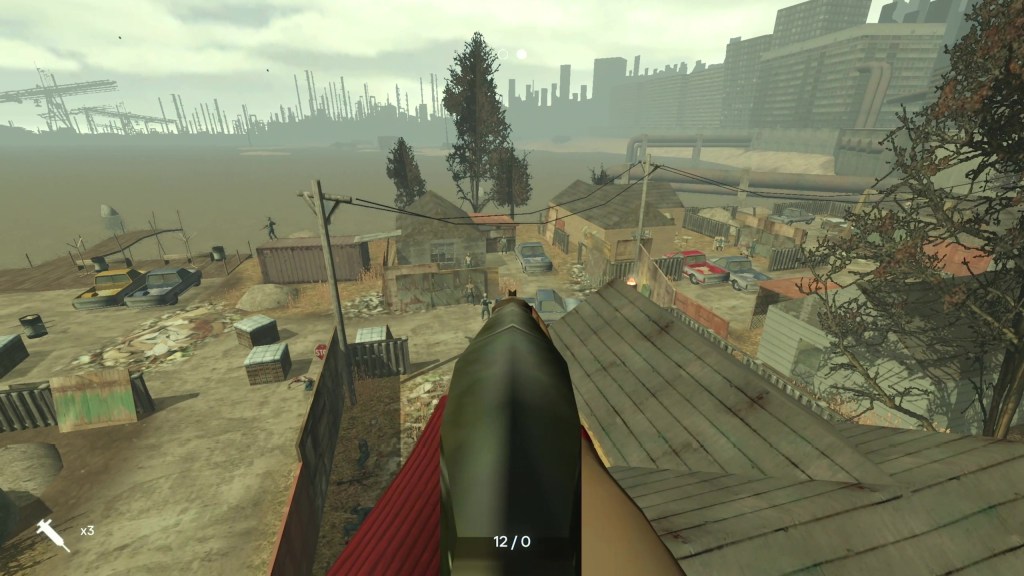
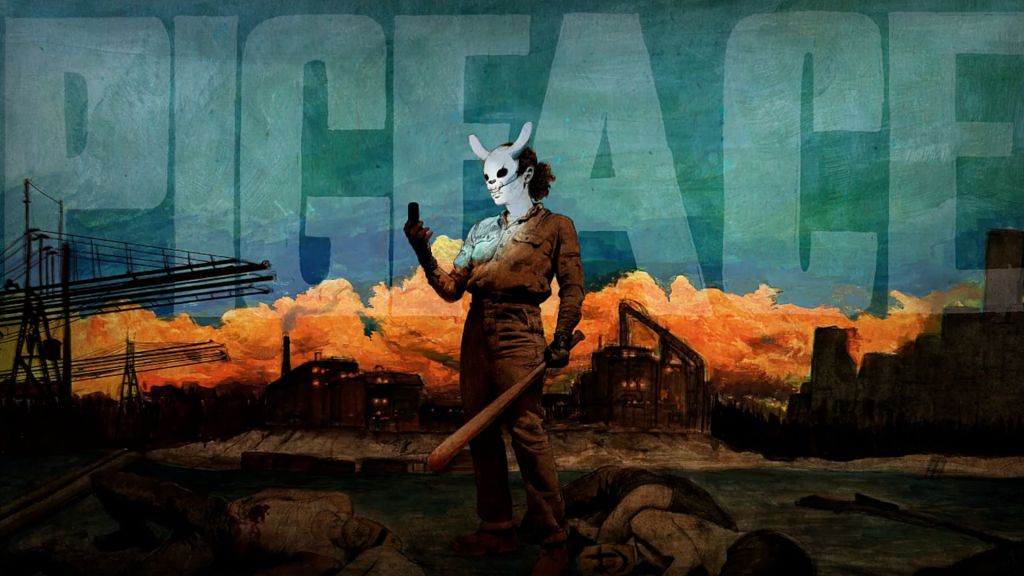
    It took three of PIGFACE’s brisk missions before I finally realised what connection I was trying to dredge from my cluttered memory. PIGFACE may have the appearance of a retro-inspired FPS in the trailers, but it often felt like a slick first-person mod for the earliest Hitman games – think Hitman: Codename 47 (2000) or the sequel, Hitman 2: Silent Assassin (2002). It’s a compelling mix of exploring a sandbox-like maps for quest objectives and entertaining yourself by exploiting AI that are deadly at close-range but incredibly stupid overall.

    PIGFACE functions as a first-person shooter – with gloriously retro aesthetics, chunky gore, and thumping combat music – but running-and-gunning only feels viable when replaying missions with new upgrades. Once you’ve bought body armour; weapon attachments; and amassed equippable masks hidden in each level, it’s easier to tear through levels sowing confusion and popping heads. On your first run, however, you’ll want to take it slow and steady to avoid quick deaths and mission restarts.

    In this early access build, a brief introduction and tutorial introduce the player to “Exit” – a hit-woman who runs afoul of a vigilante group known as “The Cleaners”. With a bomb embedded in her skull to ensure compliance, she’s sent after several gangs to dismantle illegal drug and weapons trades. It’s a classic setup but also one with a surprising amount of narrative in the form between-mission cutscenes or calls from her handler; a handler that sounds increasingly stressed and unhinged when caught between a merciless killer and his equally intimidating boss.

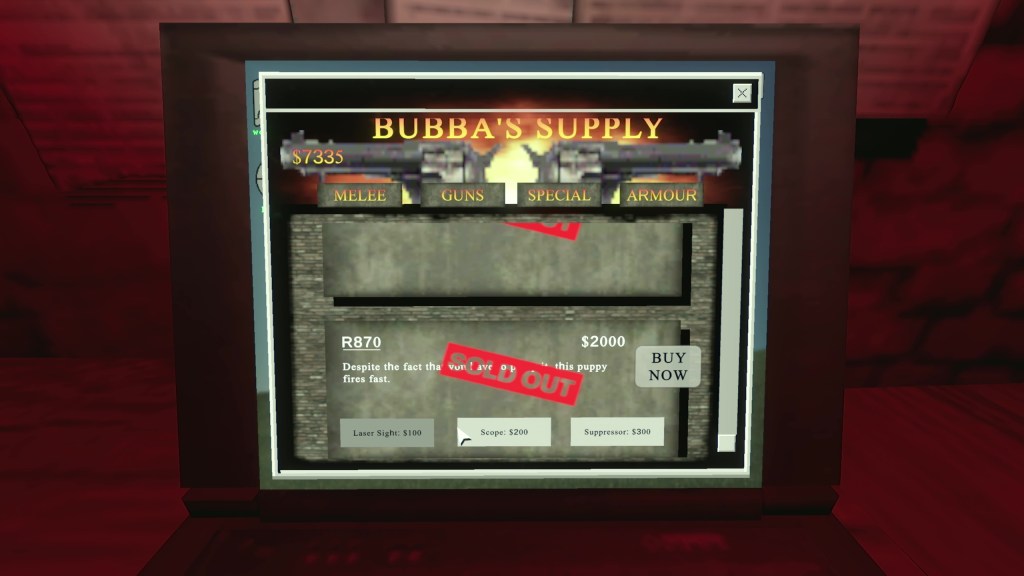
    It remains to be seen how important that overarching narrative becomes, but it provides light context for a gameplay loop that shifts between Exit’s safehouse where you can buy and upgrade gear, and missions in locations scattered across a map of the local area – think rundown farms, motels, and train stations. From a distinctly ‘90s-era online storefront, the money you earn from completing missions and gathering scrap can be spent on buying new weapons, attachments, consumables, and armour – expanding your options when selecting a loadout in the van you take to each mission.

    Armour and morphine shots help you survive more hits; optional masks – which offer a trade-off between perks and flaws – can synergise with your playstyle; but the most important attributes are weapon damage and their noise level. With no crosshair outside of scope and laser pointer attachments, running firefights that draw hordes of goons towards you are unwise. Instead, methodically clearing locations by sneaking in close and swiftly dispatching small groups is optimal. Gunfire may draw everyone in an area, but it still feels satisfyingly “gamey” with an unrealistically short range.

    Once you unlock silencers for every weapon (even if it makes little sense), you can start messing around with the AI in some fun but often immersion-breaking ways. You can snipe at distinct enemies to send them panicking and firing back at you – but their allies will often stand around and do nothing if you’re out of their noise detection range. You can storm a motel floor with a silenced shotgun, blast everyone in sight, only to slip back outside to prey on unaware patrols. Enemies can still kill you quickly if you find yourself surrounded, but once you build up a decent arsenal and accessories, your recklessness is more likely to get you killed than the enemy AI.

    As of this early access build (v0.24), it’s worth reiterating that PIGFACE is no boomer shooter with a focus on hand-crafted levels and enemy placement; it’s all about finding your own fun in janky sandbox environments reminiscent of the early Hitman games. If you enjoy the idea of brisk sandbox missions, replaying them with new gear or different approach, and just messing around with the AI for fun, PIGFACE is one to keep on your radar or in your wishlist.

    PIGFACE was previewed on PC using a code provided to gameblur by the publisher.

  • Editorial: Yooka-Re-Playlee is solid remastering effort that can’t mask old flaws.

    Editorial: Yooka-Re-Playlee is solid remastering effort that can’t mask old flaws.

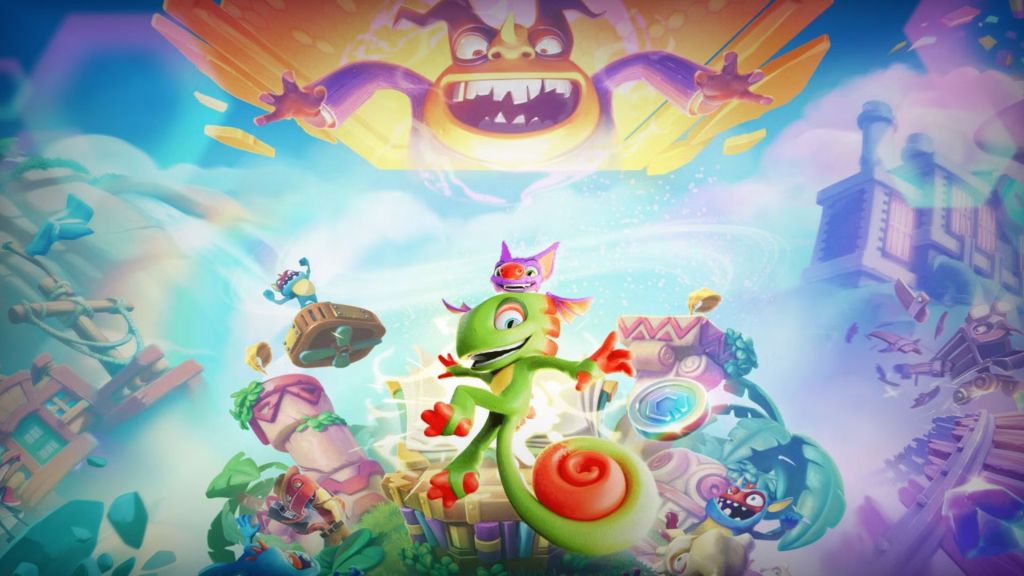
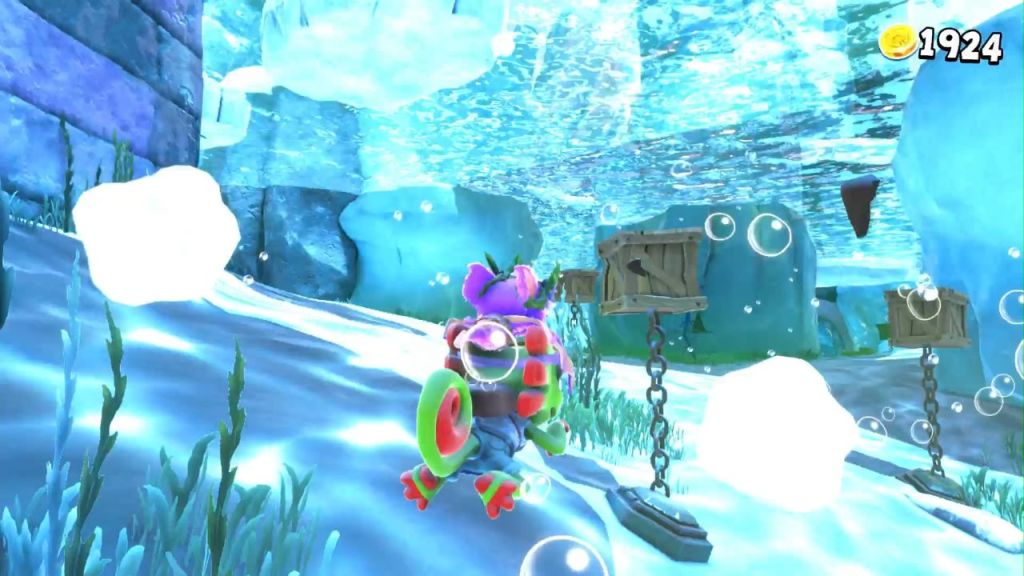
    It has been a while since I’ve seen a remaster with a title quite as awful as Yooka-Re-Playlee, but it feels appropriate for a game that was developed as a shameless nostalgia-driven mash-up of classic 3D platformers. This remastered edition offers a spruced up and definitive version of the 2017 original; a genre I’ve found myself returning to more often in a post-Astro Bot world.

    The biggest problem with Yooka-Laylee however, in both its original and remastered form, is that making fun of classic designs without ever subverting them can only take you so far. That is not to say Yooka-Re-Playlee is a bad game – it simply struggles to stand out in a crowded genre. An even bigger problem when so many of classics that inspired it are still accessible through remasters, backwards-compatibility, or emulation.

    With a handful of quality-of-life additions and an admittedly impressive visual overhaul, Yooka-Re-Playlee offers up a competent but predictable 3D platformer. It intersperses brief storytelling scenes – which are still unvoiced – with extensive collectible hunts within small but dense game worlds.

    In classic fashion, once you collect enough MacGuffins (PAGIES!), you unlock another game world to explore from within an evolving hub (and you might receive a snippet of storytelling for your efforts). You repeat the process through five worlds before tackling an end boss to roll the credits. It is a formula that goes back to Super Mario 64 and can offer methodical fun if the pacing is good.

    At first, Yooka-Re-Playlee nails the pacing by ensuring the hub and each world you explore feel visually distinct and are packed with diverse platforming challenges and dozens of mini-games. The variety is essential as despite the remaster granting you the full move-set from the start, the combat is mostly one-note and rarely asks more of you than spamming a spin-attack and jumping to avoid damage.

    You have classic 3D platforming that can shift into 2D-gauntlets or isometric sections that will test your depth perception and timing. Bosses are all about pattern recognition and skilful movement as you bide your time until they’re vulnerable to damage. With an updated camera and controls, the basics feel slick, responsive, and satisfying if you’re after a traditional experience.

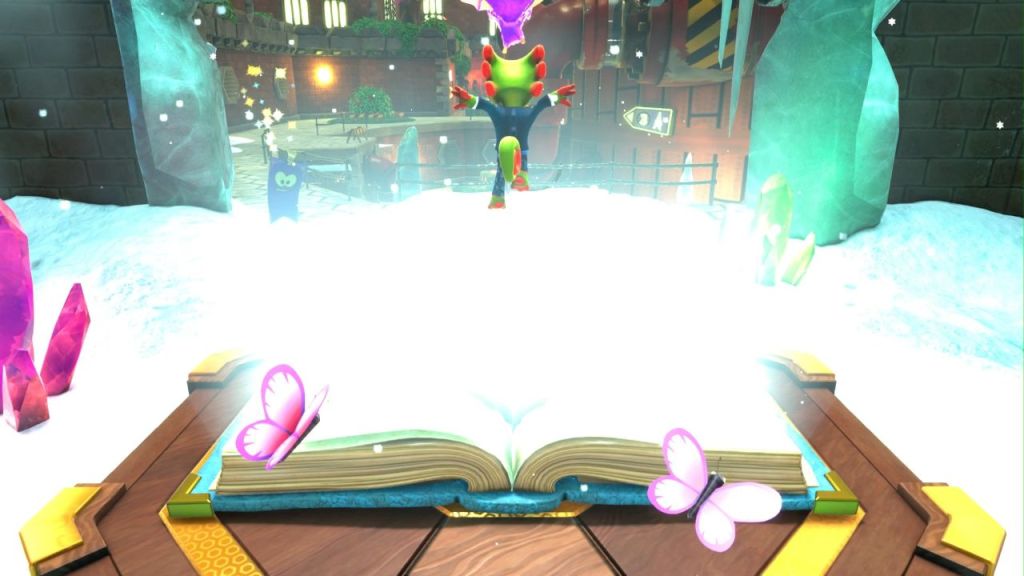
    The problem is that progression boils down to collecting “pagies” (PAGIES!) that are scattered from a magical book during the introduction. Rather than just a handful of essential pagies (PAGIES!) to find in each world, the developers have included hundreds of them. Far more than you need to reach the final boss and sometimes split into fragments or alternate forms for good measure.

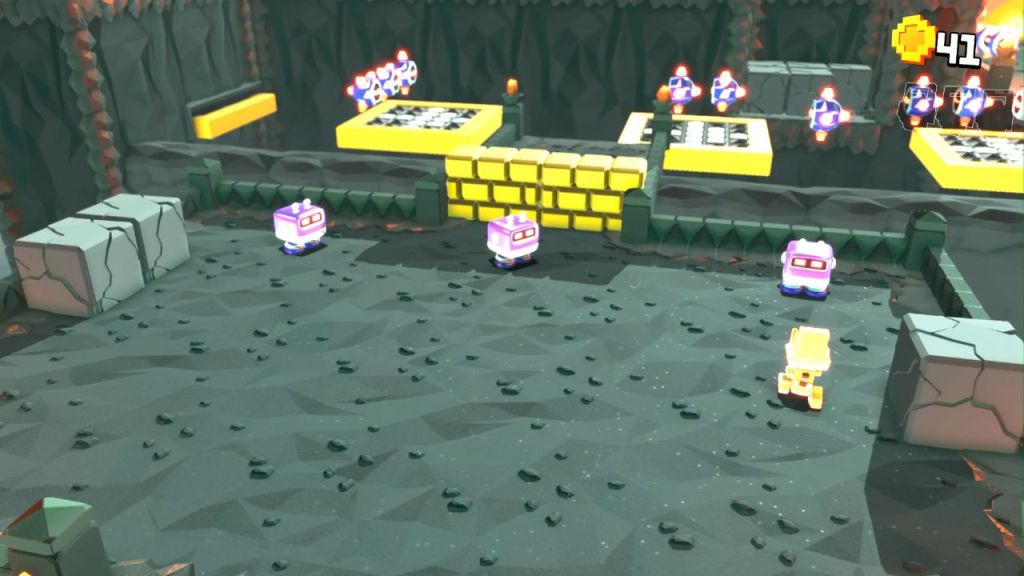
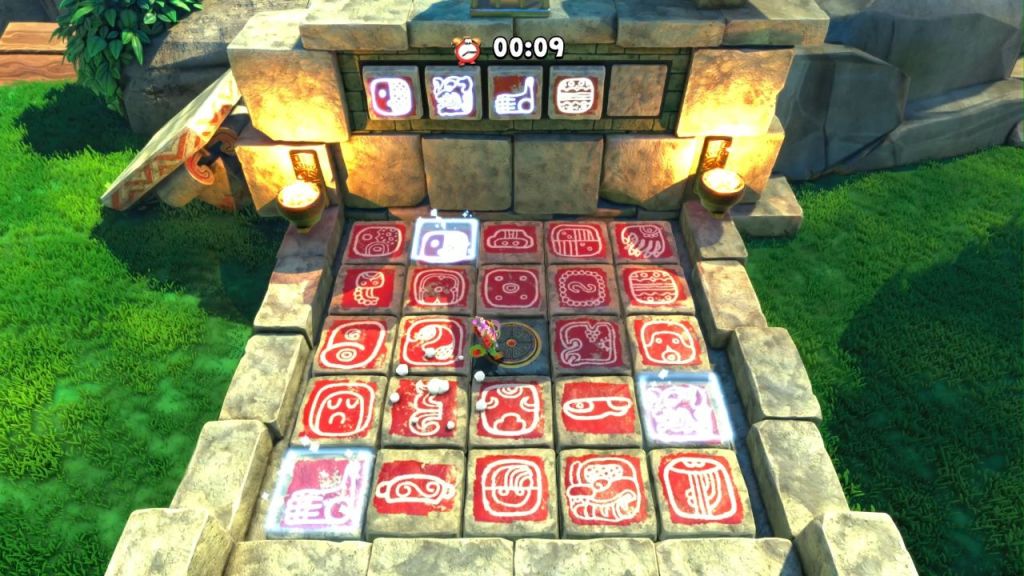
    Starting with the good, they clearly realised variety would be essential between the platforming challenges, so there are dozens of mini-game variants. There are time-trials and races – on foot, underwater, or in the air; puzzles based on elements, patterns, and symbol-recognition; minecart rides; arena battles; target practice; a transformation gimmick in each world with associated mini-games; and even an entire series of arcade games you can tackle within the game.

    That is not even an exhaustive list though it is worth noting many of these challenges have been tweaked for the remaster to ensure they control better.

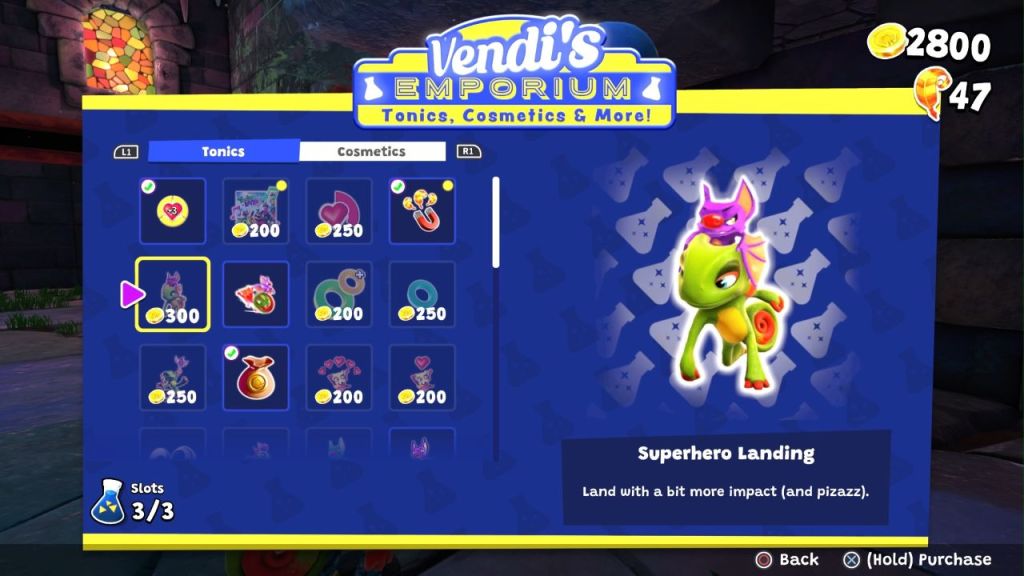
    In addition to the endless stream of pagies they provide – as often as every 30 seconds if you’re on a roll – you have two currencies: one for passive upgrades and another for cosmetics and tonics. The tonics are the most worthwhile addition, as you can equip them to make the game easier, harder, or just weirder. It all sounds great but there are problems.

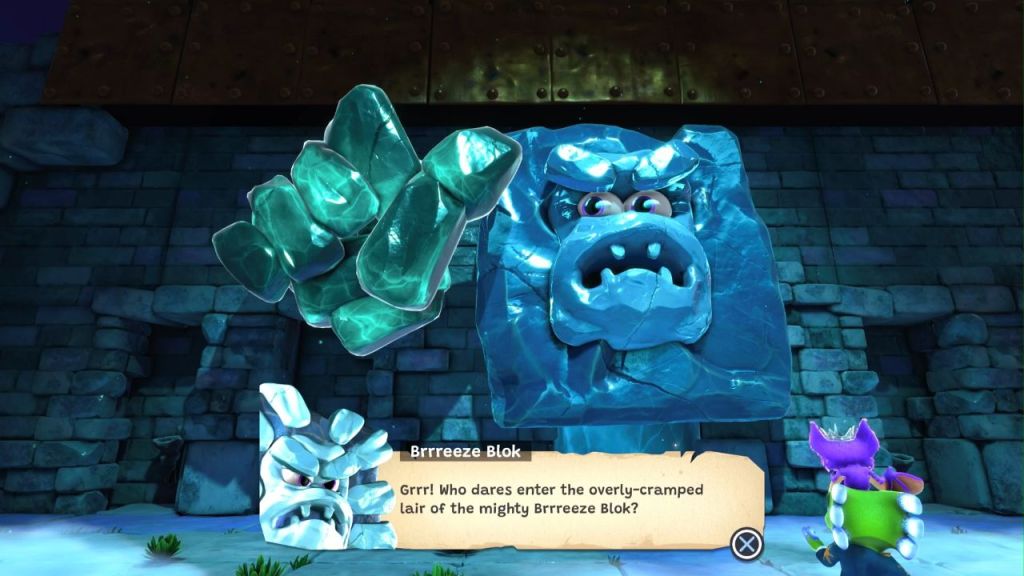
    I’ll start with the plot, which is threadbare, and the characters that are an acquired taste. Yooka the chameleon and Laylee the bat form a great duo where gameplay is concerned, but their clashing personalities feel forced in dialogue. The video game-centric jokes and “quirky” NPCs (with some official cameos) are neither funny nor particularly smart, outside of a handful of interactions that made me chuckle. The lack of voice work is a big issue as button-mashing throughs lines of text mean there is no control over the delivery or timing of lines.

    The bigger problem is that each new world you unlock shares the same assortment of mini-games. That diversity is great during the opening hour or two, but even with changes to streamline the experience, you’ll be going through the same motions for another 6-7 hours. Despite plenty of quips about video game tropes and greedy corporations, Yooka-Re-Playlee never plays off those observations in a meaningful way.

    It’s a game that wears its N64-era inspirations on its sleeves – with shared mechanics and in-game references to Super Mario 64, Donkey Kong, and, of course, the buddy-duo Banjo-Kazooie – coupled with plenty of modern cameos or references. If you’re a fan of those classics, or even if you’ve played any other recent 3D platformers (indie or AAA), little will surprise you.

    All that said, the new tonic upgrades and low level of challenge could make Yooka-Re-Playlee a decent introduction to the 3D platformer genre for new or younger players. The improved visuals, camera, and controls are significant updates, while features like the unlocked move-set, detailed map, and fast-travel points make the endless hunt for Pagies (PAGIES!) more bearable. However, it’s harder to recommend Yooka-Re-Playlee to all but the most die-hard 3D platformer fans when better options are available.

    This article originally appeared on nexushub.

    Yooka-Re -Playlee was reviewed on PS5 using a code provided by the publisher. It is also available on PC, Xbox Series S|X, and Nintendo Switch 1/2.

  • Console Review: Frostpunk 2 (Xbox Series)

    Console Review: Frostpunk 2 (Xbox Series)

    Although I enjoyed my first experience with the Frostpunk IP on console, I had a feeling the port of Frostpunk 2 would prove more challenging. Despite sharing many core mechanics, Frostpunk 2 is far more menu-driven, with a focus on tweaking supply lines and juggling resource allocation across multiple Frostland sites, rather than restrictive city-building in one location. The result is an engrossing sequel with far greater scope and complexity, but it doesn’t always gel with a controller.

    That said, Frostpunk 2 is still a great sequel so long as you’re not after more of the same. The campaign and sandbox-style missions begin with the familiar task of building up a settlement around a generator and exploiting local resources, but it takes less time to establish a logistics hub and dispatch Frostland teams to explore a sprawling over-world map. There are technology paths that focus on fortifying and sustaining a single mega-city by tapping into unlimited resource deposits, but the branching campaign chapters will still force you to explore the Frostlands to either settle or loot distant locations.

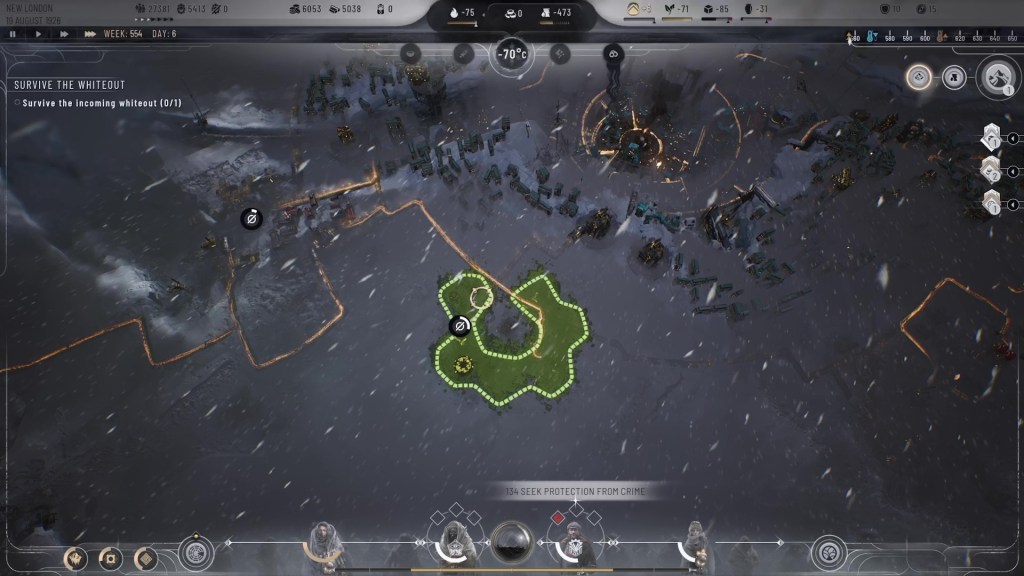
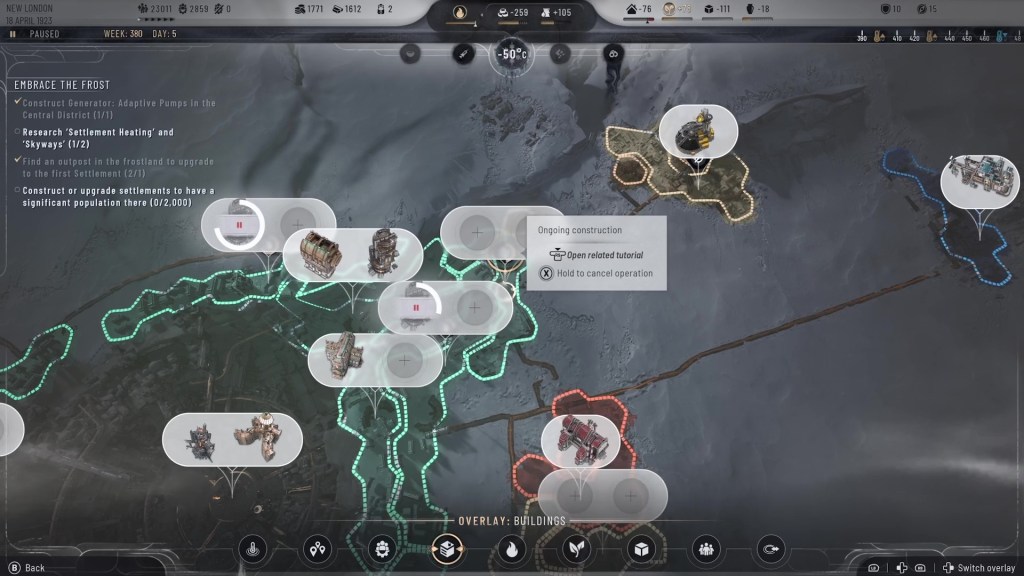
    Frostpunk 2 feels considerably more epic in scope thanks to new mechanics and an accelerated timeframe. The in-game clock hurtles forward through days and weeks, so it plays out over years and decades, rather than the days and months of the original. The city-building elements – which now involve sprawling districts, hubs, and key buildings – feels less exacting. In contrast, menu-driven systems that control the flow of heat and workers across your city are vital, and so too are Frostland supply lines let you balance the flow of colonists, food, fuel, and goods between settlements and outposts.

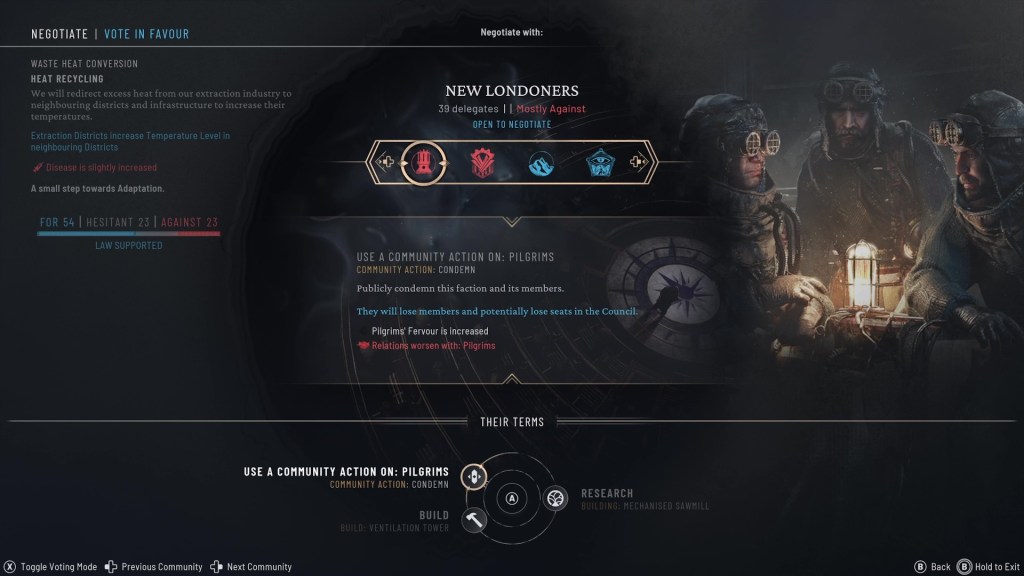
    Some may find the reduced focus on city-building disappointing, but there are new and expanded mechanics to keep you engaged. The most obvious is the new council and enhanced interplay of factions within your city. It starts with a simple vote to keep your player on as a steward (which can trigger an early game-over screen) but you’ll soon find yourself using these council sessions to vote on introducing new laws. These govern everything from education and social support, to policing and healthcare – all of which come with pros, cons, and faction preferences. If you play your cards right, there is even a path to entrench yourself as an autocratic leader who rules by edict.

    Factions can organically support your decisions, negotiate over future policy and research goals, or force you into a vote if you’ve ignored their requests for too long. If a faction gains dominance, they can start claiming housing districts, offer more support if you’re aligned with them, develop potentially problematic rituals, and even rebel against you – damaging structures and your economy. There is plenty of leniency on the lower difficulties, but a combination of social unrest, fanatics, sabotage, and the elements can conspire to destroy your settlement if problems are left to fester.

    It is a complex and sometimes overwhelming interplay of systems, but it is incredibly satisfying to keep your city thriving on the edge of disaster – especially when you are reaping the rewards of an earlier narrative decision or newly researched technology. Gameplay can feel dry as you simply define development zones, flip between information overlays, and shift sliders, but the audiovisual elements are immersive. The city announcer, citizen comments, and short narrative vignettes convey the impact of your choices. Machines clear the ice, basic foundations grow into bustling districts, and well-lit paths and heat pipes connect them. Better still, you can zoom right out into the Frostlands view, zoom back into secondary settlements, or pan across the over-world map to track approaching Whiteout storms that still threaten your settlements from time to time and cut off distant outposts.

    Unfortunately, all that complexity means playing Frostpunk 2 on console (or on PC using a gamepad) will have you fighting the controls just often enough to be frustrating. Selecting the wrong structure in a radial menu or placing a district in the wrong spot is annoying but manageable. Struggling to navigate the screen overlay icons or struggling to shift sliders in sensible increments is far more impactful as the game goes on. When you throw in other annoyances – like repeatedly zooming into a settlement while trying to connect Frostland supply lines, or tutorial pop-ups that won’t close – Frostpunk 2 can begin to grate. I just hope 11 bit Studios is still working on refining the control scheme as the rest of the package is an excellent choice for fans of the city-builders and management games with a survival twist.

    Pros:

    • It’s easier to establish interconnected cities and settlements
    • Managing political factions is almost as stressful as managing resources and the elements
    • The choice-driven campaign changes up how later chapters play out
    • Generator cities, settlements, and the Frostlands all look and sound more beautiful than ever

    Cons:

    • The gamepad control scheme feels smartly designed but is awkward and sometimes frustrating in practice
    • It can feel like a pure management game at times as you navigate menus, overlays, and maps

    Score: 7/10

    Frostpunk 2 was reviewed on Xbox Series S|X using a code provided to gameblur by the publisher. It is also available on PC and PS5.

  • Retrospective Review: Warhammer 40,000: Dawn of War – Definitive Edition

    Retrospective Review: Warhammer 40,000: Dawn of War – Definitive Edition

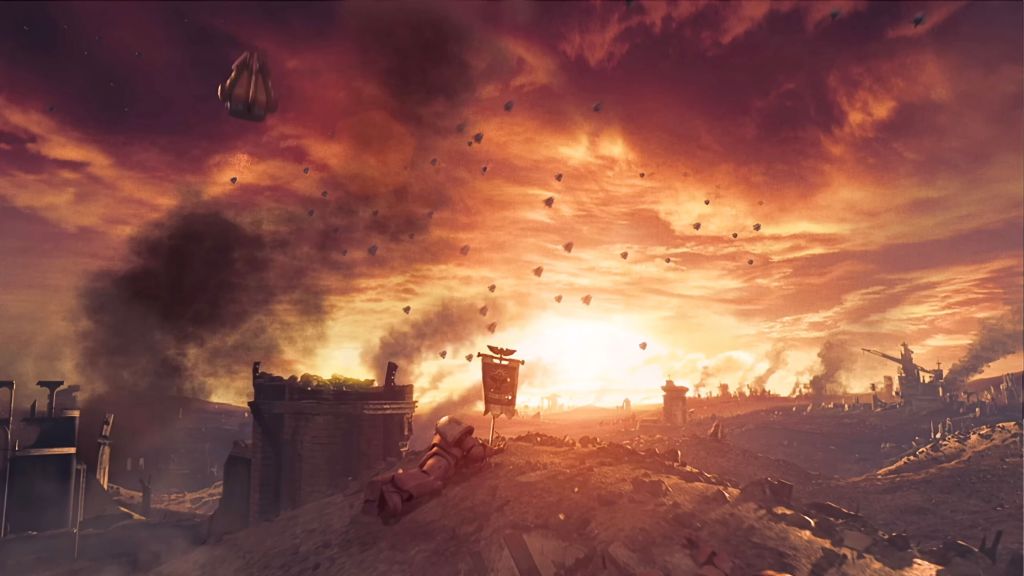
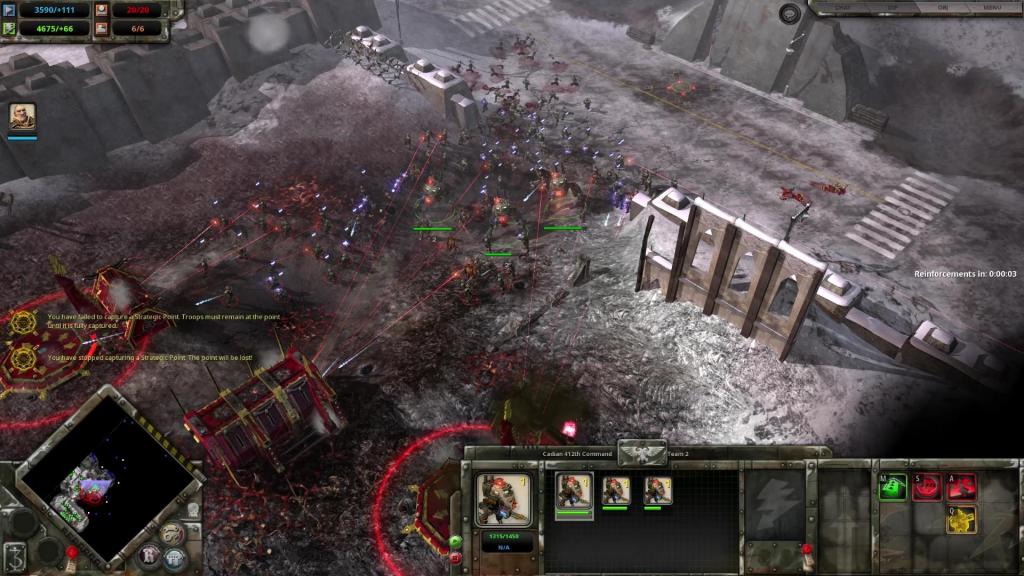
    If 1995’s Command & Conquer built upon early real-time strategy attempts to perfect the foundations of the genre, so too did 2004’s Warhammer 40,000: Dawn of War for the nascent squad-based RTS genre. Strategy games in which your ability to micromanage fewer squads and control territory is often more important than fortifying bases, tech-ing up, and overwhelming your opponent with a mass of units (which is not to say that can’t be done). Losing territory could swiftly strip you of resources and access to high-tier units, while losing entire squads and powerful leader units could turn the tide against you as you scramble to reinforce from scratch. Two decades on, even with real-time strategy reduced to a more niche market, the legacy of Relic’s Dawn of War is still visible in game design.

    Returning to it by way of the Warhammer 40,000: Dawn of War – Definitive Edition, I forgot how much it feels like a game of two halves – each half catering to a very different audience. If you share my fondness for fortifying every square inch of a map as you expand, upgrading every unit as far as possible, and using tactical retreats to preserve squads for a final push, the campaigns and lower difficulty AI skirmishes – either solo or coop – have you well catered for. If you prefer reactive, high-intensity, high-mobility battles to claim and hold territory, the PvP modes have you covered and, to a lesser extent, the Dark Crusade and Soulstorm campaigns on higher AI difficulties.

    If this remaster is your introduction to Dawn of War, it is one of those “easy to grasp, hard to master” games. The original campaign and Winter Assault expansion serve as lengthy, glorified tutorials that introduce basic mechanics and strategies, while providing all the narrative context and world-building you could ask for. You might think Space Marines killing aliens and demons in the God Emperor’s name has limited potential, but the Dawn of War campaign gets right what so many modern Warhammer 40,000 games gets wrong: the cast show some self-awareness of the absurd universe they inhabit, it focuses on the distinctly human flaws under a Space Marine’s superhuman physiology, and that humanity makes it easy to root for the protagonists. The Winter Assault campaigns lean more into the absurdity and hypocrisy of the universe, whereas the Dark Crusade and Soulstorm expansions only offer narrated flavour text to link together skirmishes.

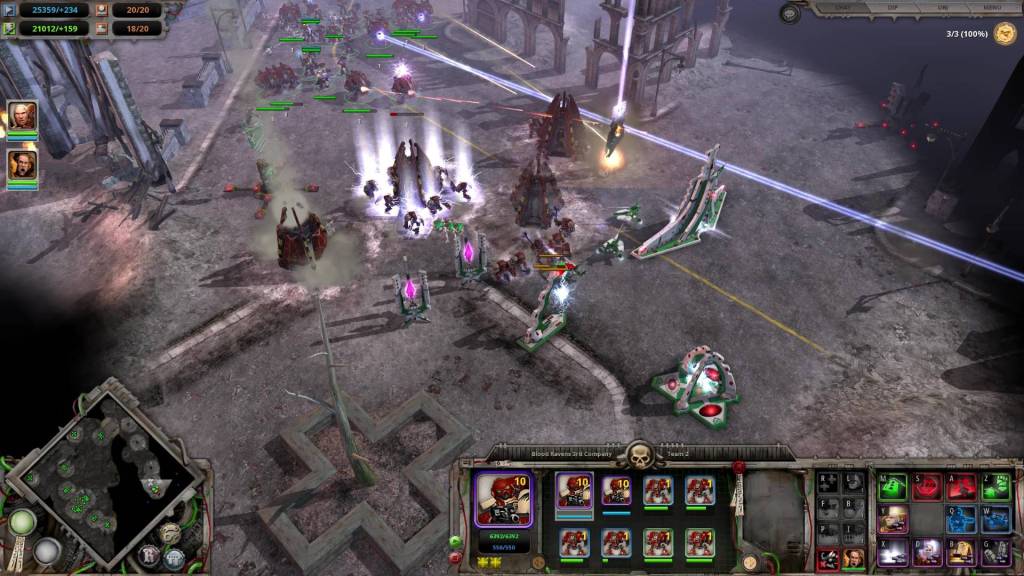
    Of course, the minute-to-minute gameplay is the draw of any RTS, and the Dawn of War – Definitive Edition offers up everything from exhilarating chaos to plodding grind, with no shortage of frustration that’ll have you cursing unit pathfinding and their lack of self-preservation. Befitting the squad-based focus, base-building is relatively simple with three resources to manage – requisition, power, whether you control a holy relic or not – and there are typically three tiers of global upgrades. Controlling units is standard RTS fare but in addition to global upgrades, you can personalise squad weapon loadouts; attach support units, define movement and engagement rules; use light and heavy cover to enhance infantry effectiveness; and exploit morale damage, negative cover, high ground, and line-of-sight to give your forces the edge.

    Irrespective of which of the nine factions you play as through the campaigns, skirmishes, or PvP modes, the basics are the same – even if the base-building and upgrade pathways may differ slightly. Control points need to be captured and fortified to generate requisition; generators or scattered plasma sources provide power; and rare holy relics must be captured and held to produce the most powerful units. Capturing points quickly requires spreading your infantry across the map; construction requires shepherding your weak builder units around; your defensive options are limited to one or two turret variants; and turtling is useless outside of scripted campaign missions that limit what enemy forces you face. There are units that can serve as base defence, but entrenched units and turrets are easily outranged. At best, defences can stall an enemy force while you move your army to intercept.

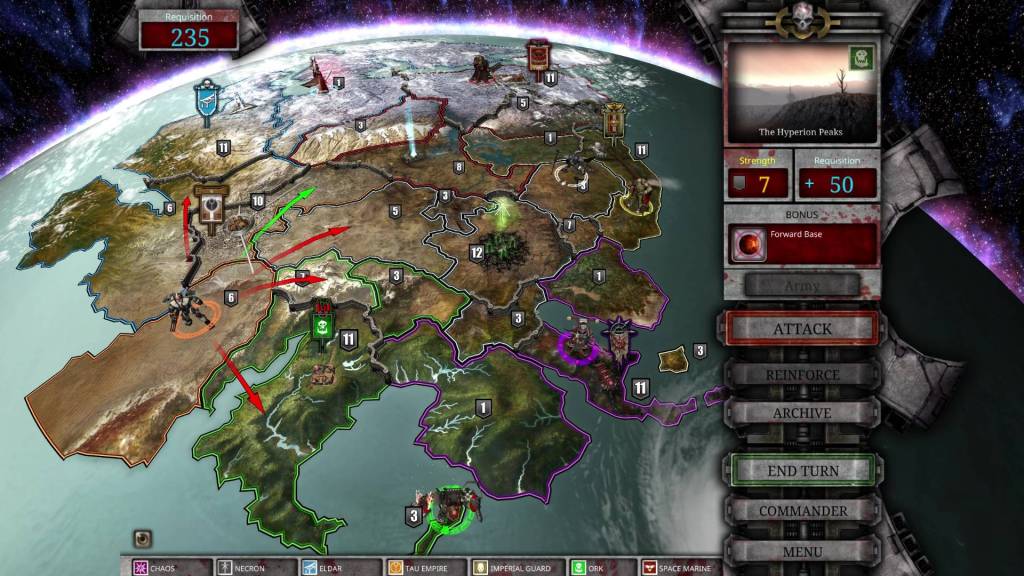
    In PvP matches, AI skirmishes, and much of the Dark Crusade and Soulstorm expansions – which offer turn-by-turn conquest maps to dominate – battles take place across broadly symmetrical maps and play out as dynamic cycles of attack and retreat, favouring those who can juggle expansion and micromanaging their army. Capturing and defending control points is beneficial (and essential for some victory conditions), but your limited defensive options mean a combined army can always steamroll a primary base if not intercepted. It makes for a stressful but thrilling back-and-forth. Even a player that has dominated territory could suddenly lose their key unit producing buildings or holy relic and find themselves with an abundance of resources they can spend on only basic squads.

    In contrast, the original campaign and the Winter Assault expansion are for those who prefer a scripted and more predictable experience. There are a few exceptions that impose time limits, but most missions allow you to slowly spread across a handcrafted map towards your objective. The methodical pacing and lower stakes might frustrate some, as even on the higher campaign difficulties the AI plays by the same rules. They may get free reinforcements at times, but as you claim control points and fortify chokepoints, they lose their ability to counterattack, and your growing force will inevitably steamroll the objective. There’s something about this predictable formula that I always enjoy, but after completing the original campaign and the Winter Assault expansion, I could understand why they wanted to change up the formula with Dark Crusade and Soulstorm.

    I’ve got this far without discussing the remastered elements of the Definitive Edition as it does a great job of presenting the game as you mis-remember it. Having a combined launcher, fully customisable controls, a pulled back camera, and proper widescreen support that doesn’t stretch HUD elements are simple but significant improvements. There are apparently pathfinding tweaks but these did little to alleviate the frustration of units shuffling around one anther instead of engaging enemies. There’s no hiding the limited geometric complexity, but the remastered 4K textures are a notable improvement that serve both the gameplay and rudimentary in-game cinematics well. It also ran at a mostly consistent 1440/60 at max settings on my 5-year-old gaming laptop with an underpowered i7 CPU and 8GB RTX3070 mobile GPU.

    Ultimately, I think the Warhammer 40,000: Dawn of War – Definitive Edition is a solid remaster – even if it’s not a particularly ambitious one. The core gameplay is still strong, even if the campaigns and PvP components can feel a world apart in how they play. Whether you’ve enjoyed structured RTS campaigns or chaotic PvP. there’s something for everyone. It should satisfy returning players looking for a nostalgia hit, and any fan of modern RTS games with a focus on managing fewer, more specialised units. If you’re someone that has spent last decade or two playing and modding the original, you might find the remastering effort too limited to justify the price – but there is the prospect of a revived and more robust multiplayer scene.

    Warhammer 40,000: Dawn of War – Definitive Edition was reviewed on PC using a code provided to gameblur by the publisher.

  • Impressions: The Rogue Prince of Persia (PS5/Xbox Series)

    Impressions: The Rogue Prince of Persia (PS5/Xbox Series)

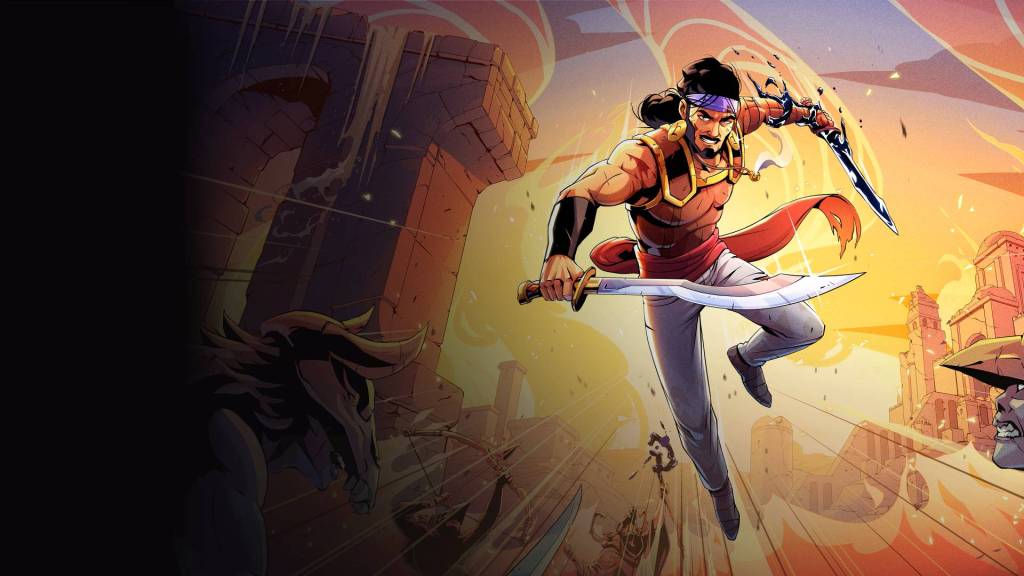
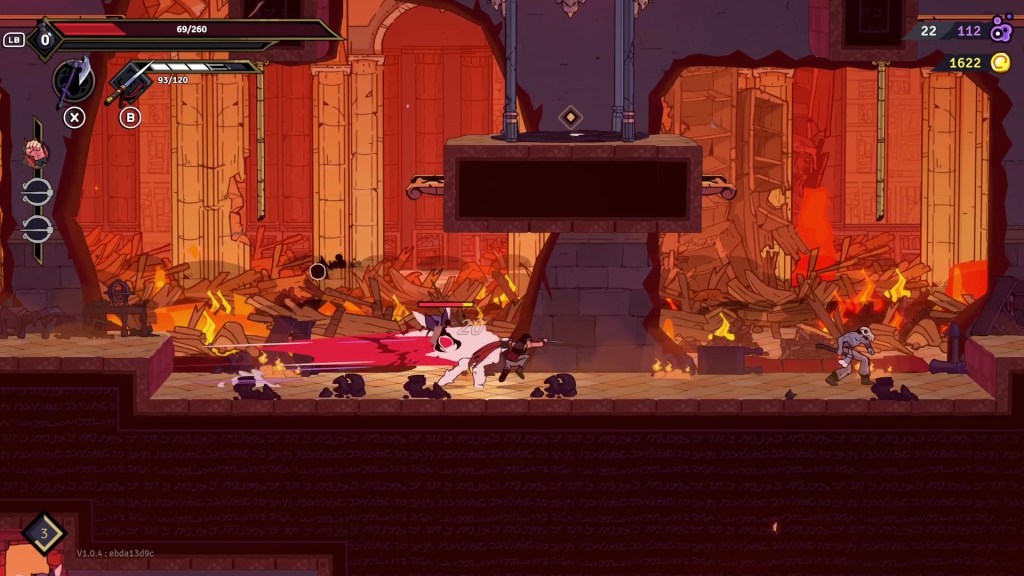
    Arriving on consoles a year after launching into early access on PC, the full release of The Rogue Prince of Persia is a fun but limited rogue-lite. It layers classic Prince of Persia aesthetics and themes atop the fast and fluid gameplay of Dead Cells, and then tries, with reasonable success, to offer narrative context by way of an expanding storyline that fits the time-travelling, repetition-driven gameplay loop.

    If you are going in with no knowledge of the original trilogy, or no nostalgic expectations, it feels like a good companion game to the recent Prince of Persia: The Lost Crown that adopted a 2D Metroidvania framework. However, after a half-dozen hours, nearing the end of the second act, I was already growing tired of retreading familiar layouts and early bosses just to progress another story beat.

    That said, The Rogue Prince of Persia nails the opening hours. The traversal and combat feel responsive, look slick, and is always accompanied by an excellent soundtrack that blends Persian themes with a thumping beat. Evil Empire’s prior game, Dead Cells, was always fast but, befitting a Prince of Persia protagonist, this game is all about seamlessly flowing between stylish platforming and bouts of acrobatic combat.

    The side-on 2D perspective and clutter-free backdrops keep the action simple and readable, even while hurtling through platforming sections, avoiding deadly traps and spike pits, and prioritising enemies among clustered mobs. Despite the lack of third dimension, a wall run, vault, and dash – tied to the left and right triggers – add impressive complexity and the freedom of movement you would expect from the IP.

    In addition to scrambling up geometry within the gameplay plane, you can wall-run up, down, or across background walls. This allows you to string together lengthy sequences of wall-runs, jumps, dashes, and pole hops to keep off the ground with ease. Mastering this movement takes time – especially as the laws governing conservation of momentum don’t exist in this universe – but the move-set is essential for surviving the toughest platforming sections and avoiding the elaborate attack patterns of both common foes and bosses.

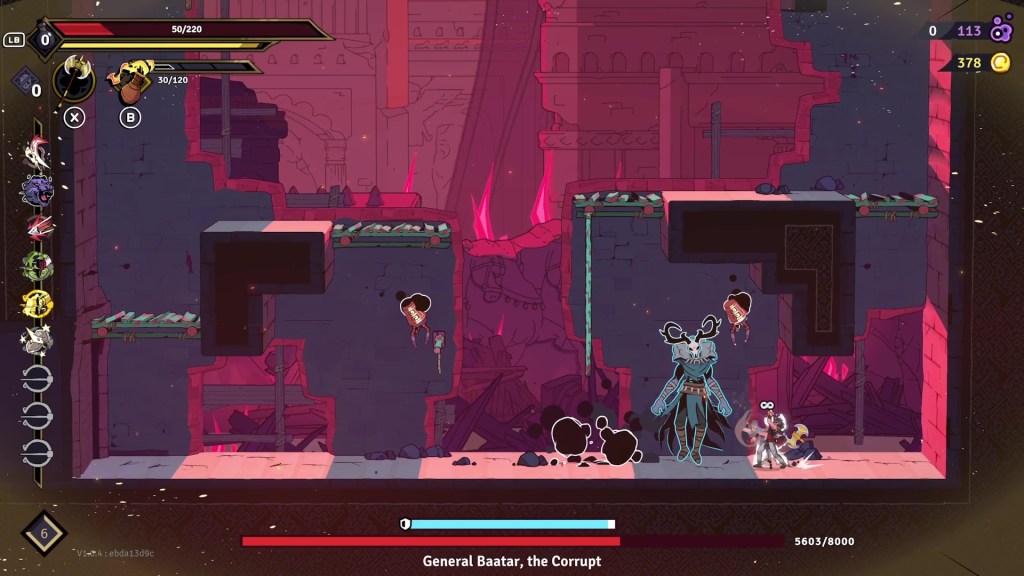
    Combat finds a good balance between simple and complex. Every weapon has a distinct attack speed, basic combo, and charged attack; secondary weapons typically provide ranged attacks that consume energy generated by melee strikes; while aerial slams, dashes, and vaults keep you out of harm’s way. The Rogue Prince of Persia is one of those games a skilled speedrunner could likely complete in a single run with only starter weapons.

    That said, befitting its rogue-like structure, there are a myriad of secondary systems tied to narrative and character progression to incentivise pushing forward each time you fall. More importantly – and especially if you’re returning to the game for the first time since the early access launch – story beats are more common, and the progression systems provide more permanent buffs.

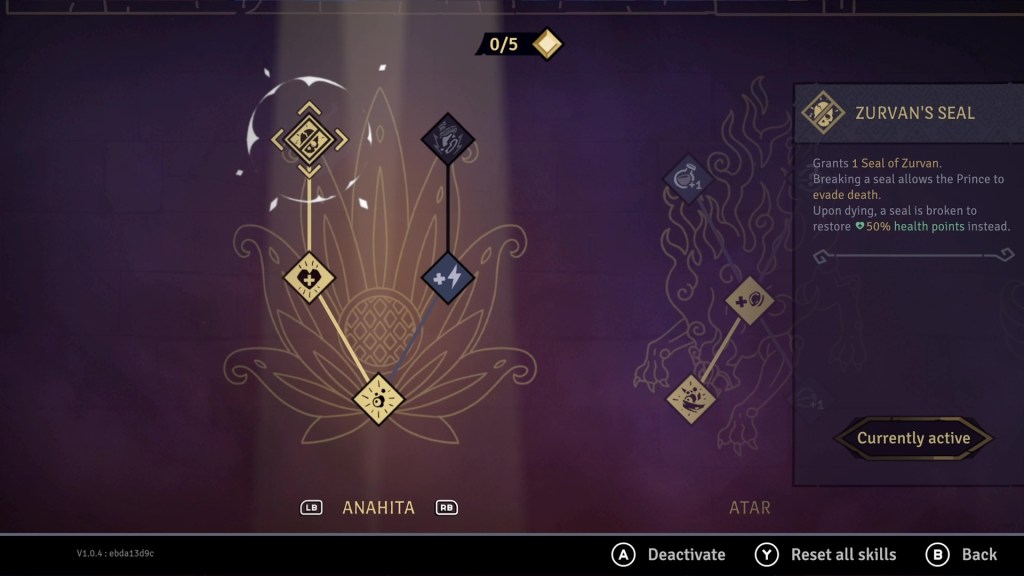
    Retreading early levels gets faster and more stylish thanks to conventional XP-based levelling and a ‘Souls-like, dropped-on-death resource. As you level, skill points can be assigned and freely reassigned across a half-dozen skill trees, buffing survivability, movement, energy gain, and resource farming. Several unlock a stackable “second chance” ability that I’d consider vital to getting through later runs.

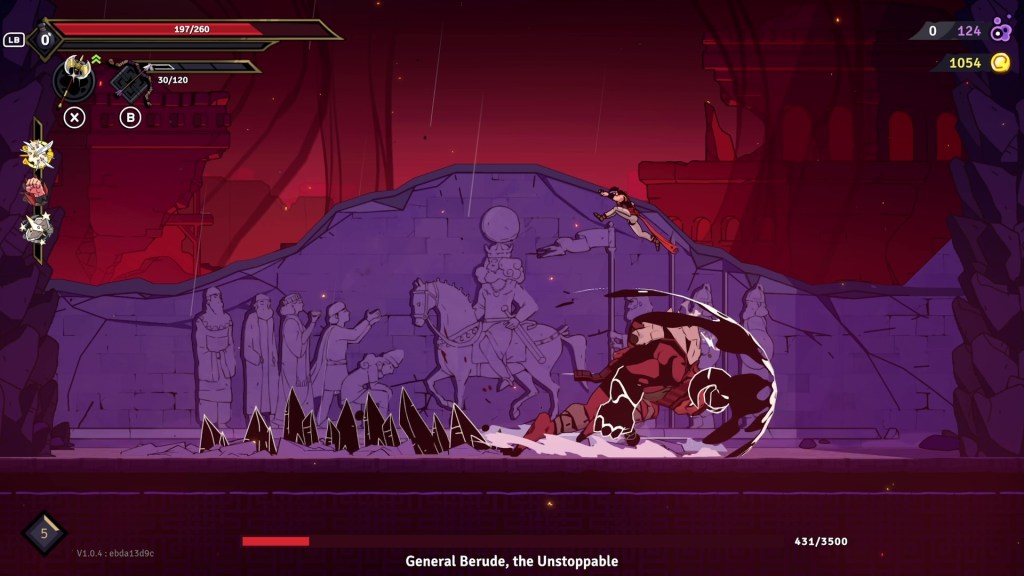
    Collecting the souls of corrupted Hun warriors is a risk-reward system. You can stash them at an alter found at the start of each level – or smash it for more souls and push on to the next. Back at the oasis hub, you can infuse these souls into unlocking new weapons or medallions (which provide passive abilities tied to your movement or combat abilities) that can appear in a run. It is a solid, addictive, one-more-run structure undone by a lack of diversity in environmental design, a limited number bosses, and set-pieces repeated too often.

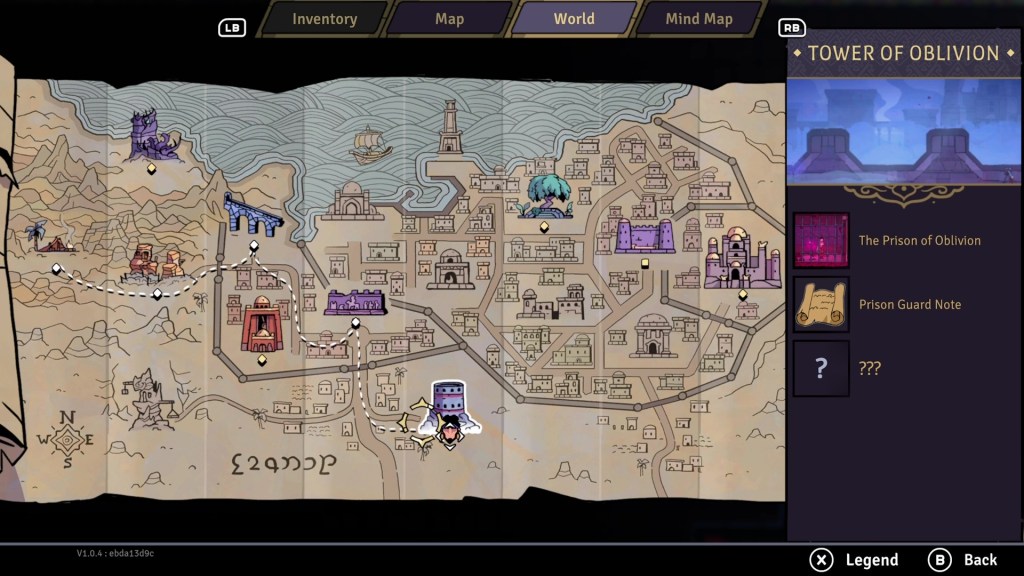
    The evolving story is a highlight. The new prince falls to a Hun warlord in the opening scene, revealing a dark magic aiding the horde and the prince’s secret – a medallion that revives him at the last place he slept should he die. It’s a familiar setup for the IP and adds context for the rogue-lite gameplay loop. To keep the player engaged, each run offers a few branching paths between convergence points – usually a boss – with NPC encounters that sometimes change based on the prince’s knowledge, and a mind map that tracks clues hinting at where to explore next.

    There’s fun banter and exposition between the prince, NPCs, and members of his family he saves, but the pace can slow dramatically at points. I found myself avoiding most combat and ignoring NPCs unless a quest demands you talk to them for a key item. Each act introduces new locations along your path to the palace but, to complete a quest, you need to complete several interactions along a fixed route and repeat all of them if you fall before the end.

    Another issue is that despite the aesthetic changes between environments and procedurally generated layouts, you only need to clear them a handful of times to recognise repeating locations, overused scripted events, and the fact they ultimately play out much the same way regardless. As soon as you become stuck on a late-run boss or the pace of levelling falls off, the repetitive design becomes more obvious and less satisfying.

    All that said, The Rogue Prince of Persia is an indie project, at a lower price point, and (currently) available on Xbox Game Pass and PlayStation Plus. With that in mind, it’s a fun and well-designed spin-off that could have done with a little more variety and less stringent quest flags. If you enjoyed Prince of Persia: The Lost Crown’s 2D gameplay or loved Dead Cells and want to scratch a similar itch (albeit with a more platforming-focussed twist) The Rogue Prince of Persia will prove well worth your time.

    This article originally appeared on Nexushub.

    The Rogue Prince of Persia was played on PS5 using a code provided to gameblur by the publisher, and on Xbox Series S/X using Xbox Game Pass. It is also available on PC.

  • Editorial: Neverwinter Nights 2: Enhanced Edition is another awkward console port that I’m still glad exists

    Editorial: Neverwinter Nights 2: Enhanced Edition is another awkward console port that I’m still glad exists

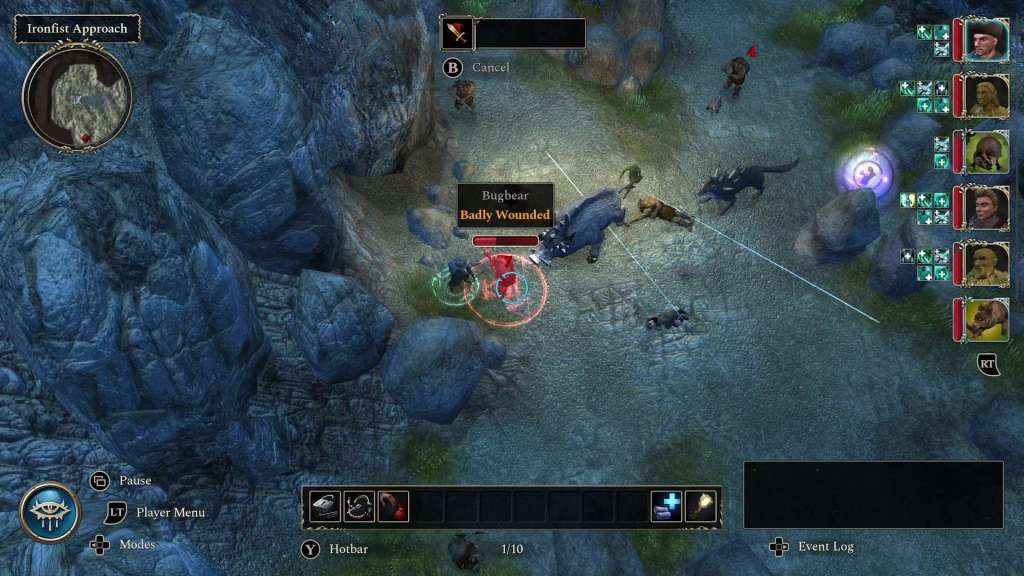
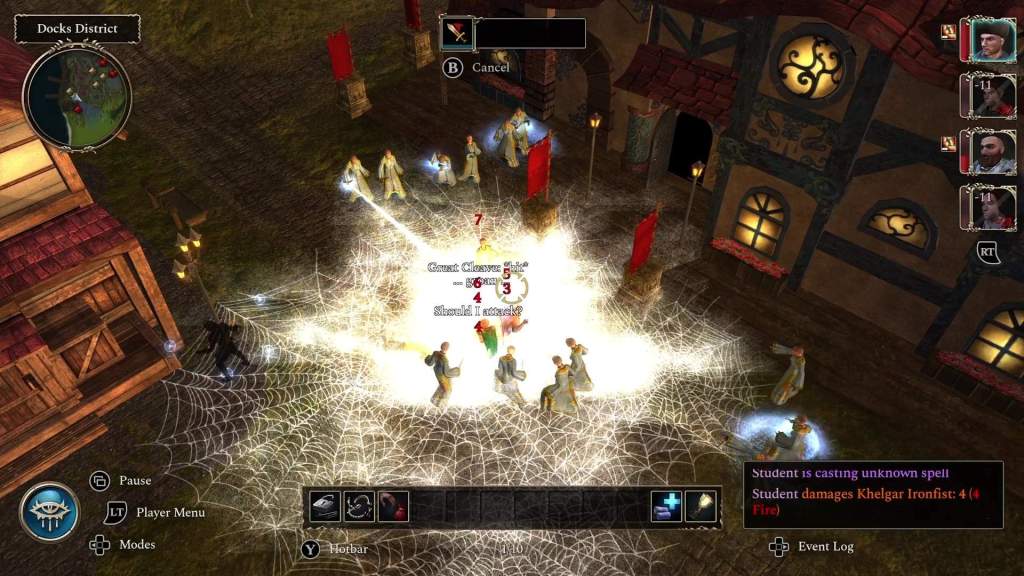
    Like the Beamdog “enhanced” ports before it, Aspyr’s Neverwinter Nights 2: Enhanced Edition feels aimed at one of two audiences. The first are nostalgic gamers looking to relive their cherished memories, albeit at the potential cost of ruining them. The second group are likely younger gamers curious about the evolution of CRPGs, from the Infinity Engine classics – with their great writing, gorgeous 2D backdrops, and sprite work – into fully 3D worlds with more voice work, detailed character models, and flashy combat animations that felt increasingly at odds with dice-roll outcomes.

    Tellingly, Neverwinter Nights 2 was the only CRPG in the current enhanced roster that I never finished at launch (and that’s including Aspyr’s Switch-exclusive “remasters” of Star Wars: Knights of the Old Republic 1 & 2), and it took me a while to gather my thoughts. Regardless of my opinion, I want to start by praising the preservation value of these enhanced ports – especially on modern consoles, where backward-compatible libraries are becoming as important a feature as on PC. JRPGs emerged on the early consoles and have been extensively ported, remastered, or remade, whereas western-developed CRPGs only gained widespread popularity on consoles during the Xbox 360 and PlayStation 3 generation, after the release of real-time, action-oriented titles like The Elder Scrolls IV: Oblivion and Mass Effect.

    Neverwinter Nights 2: Enhanced Edition Console Controls

    An obvious issue was that CRPGs were designed exclusively for PC at first, with many featuring real-time-with-pause combat built around mouse and keyboard inputs. Neverwinter Nights 2: Enhanced Edition offers updated controls and a tweaked UI, a claustrophobic over-the-shoulder camera toggle, and solid performance on all consoles (including the Nintendo Switch 1), but these changes can only achieve so much. It remains awkward to play with a gamepad, and that adds a layer of frustration atop a game with no shortage of frustrating elements. That said, the native gamepad support offers greater accessibility and handheld potential for PC players.

    As for the game itself, Neverwinter Nights 2: Enhanced Edition is a slow-burn RPG – even when compared to its sluggish 2002 predecessor that offered an official campaign and expansions that could feel like custom modules built on a budget with limited assets, rather than an epic, hand-crafted campaigns (though, to be fair, the Infinity Engine games also padded out their worlds with repeating outdoor tile-sets and copy-paste interiors, but I found the unique locations and set-pieces more memorable than in the later 3D games).

    For the 2006 sequel, Obsidian used the Electron Toolset – an evolution of the Aurora Toolset – to create a more diverse RPG, but still one clearly built from an asset library. It reintroduced a world map; ditched the formulaic hub-with-four-adjacent-regions design; restored full party management mechanics; and massively improved companion interactions with the player, NPCs, and each other. Unfortunately, at least where the main quests are concerned, the role-playing complexity and player freedom feels limited compared to the Infinity Engine titles. I appreciated the frequent cuts to what the villains are up to in the background, but the overarching quest is linear, significant choices feel artificially binary, and it retreads many familiar themes between a handful of memorable twists.

    Throughout the lengthy prologue and your formative hours in and around the titular city of Neverwinter, you’ll tick off a checklist of CRPG tropes. You’re the adopted child of a former-adventurer father who won’t talk about a past battle and the fate of your mother; the opening village fare has you and your tutorial companions participate in tests of melee, ranged, and magical skill before tragedy inevitably strikes; the opening hours before reaching the city of Neverwinter are a microcosm of mid- to late-game scenarios; and every conflict you can resolve without violence – through a mix of logical replies or attribute-checks – represents a potential ally against an overarching threat later.

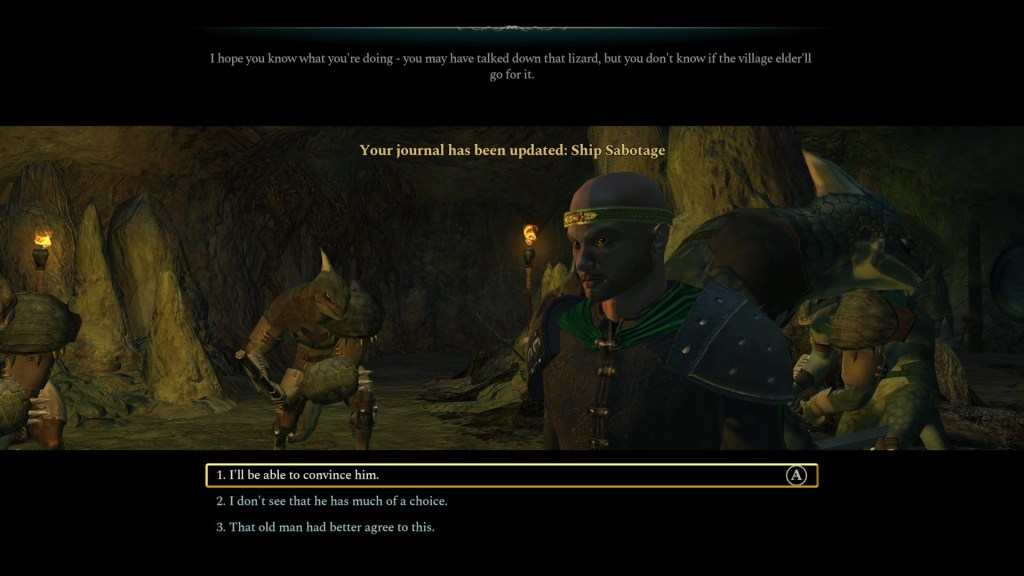
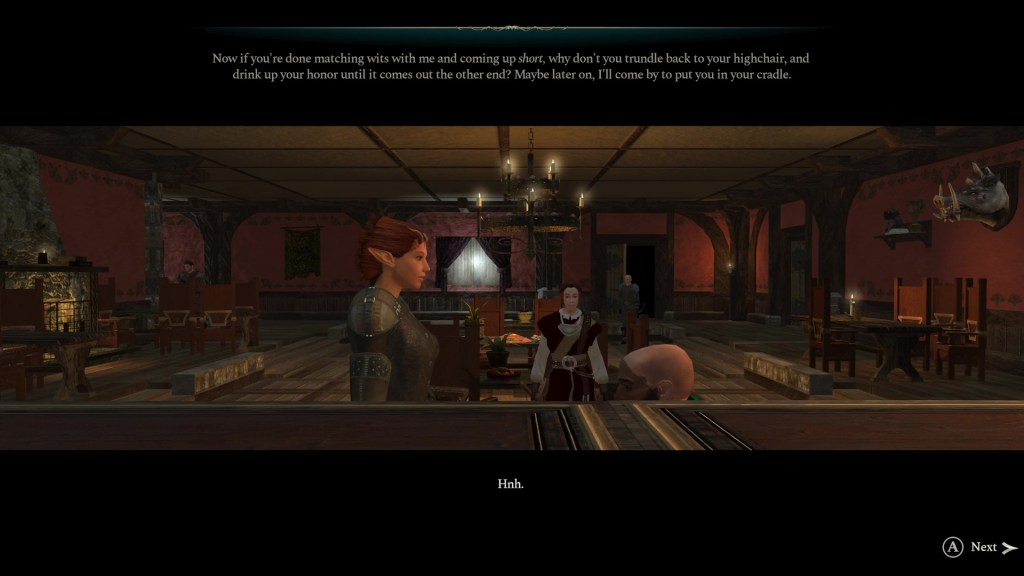
    There are a dozen companions – some you can romance – that cover an eclectic mix of archetypes. They have their own questlines and character growth that the player can influence – all of which pays off during the final battle. Examples include an angsty rogue looking for guidance; a brawling dwarf with a curious moral code and desire to become a monk; an aloof Elven druid who finds herself dependent on others in civilised lands she’d rather avoid; an overconfident, trash-talking sorceress that trouble follows; and an unhinged Gnomish bard with a fondness for lengthy conversations. Unlike the first Neverwinter Nights, they all play a more active role outside of their personal quests. They can calm or antagonise NPCs and will often debate with the player or among themselves when you’re trying to resolve a quest.

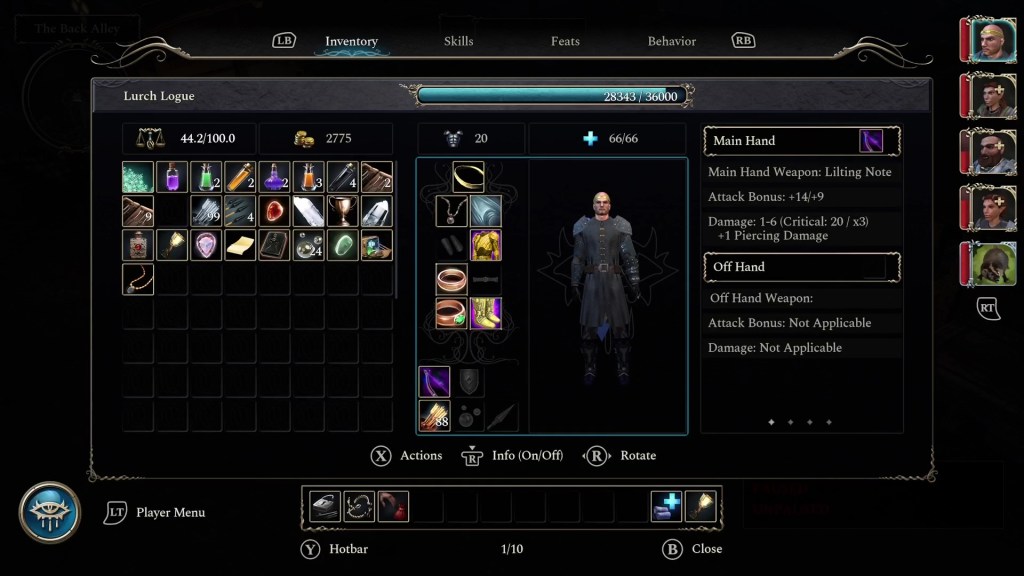
    That constant party interaction and frequent dialogue choices are highlights as the gameplay is, at least well into the second act, poorly paced and unbalanced. The frequency of levelling drops off quickly and too much time is spent simply running back and forth between quest givers. You’ll need to stop to loot, purchase, compare, and equip gear to stay ahead of the escalating and uneven difficulty curve, and it’s essential for players using a gamepad to frequently update the hot-bar, set up AI behaviours, and memorise the best buff and de-buff spells for auto-casting. Without a “story mode” difficulty, sudden spikes – such as early battles against mobs of backstabbing rogues – can kill pacing when most quests involve combat.

    If modern turn-based or action-RPGs are about incremental progress – the thrill of watching numbers go up – Neverwinter Nights 2: Enhanced Edition is a reminder that most early CRPGs were about exceeding thresholds. Your attributes and gear modify dice rolls that influence total damage output and defence, sure, but only if you exceed thresholds. If you’re not fielding a mixed party, constantly using skills and magic, and resting between every battle to recharge them, you’ll spend an inordinate amount of time watching your party do little as they fail to exceed an enemy’s armour class, spell or damage resistance, and saving throws. There’s no denying the D&D 3.5 ruleset provided a lot of flexibility for character builds and party synergies, but those here for the story, character, and interactions will find it ends up dominating the experience.

    Going back to this type of RPG in 2025 is jarring, even as someone who played them throughout the late ‘90s and early 2000s. Despite the semi-linear progression – with new areas and quests opening up as the plot demands – the difficulty curve feels erratic. You can go from steamrolling a mage before they get a spell off, to watching your entire party wiped by a single bandit in plate armour, which forces you to be incredibly cautious and save-scum by default. It’s far from ideal, but if you are just after a taste of the Neverwinter Nights 2 experience, jumping into the standalone Storm of Zehir and Mysteries of Westgate expansions might be the better choice.

    Despite ending on a negative note – which feels weird having readily sunk another 30 hours into it before writing this up – I am glad it exists, if only to preserve another RPG from a time when player choice, frequent attribute checks, and variable quest outcomes were the focus; not production values and hours of self-indulgent cutscenes that run on so long they trigger my console’s power-saving screen-dimming feature. Neverwinter Nights 2: Enhanced Edition reminded me that the original marked the end of an era for CRPGs, soon to be replaced by more hands-on, gamepad-friendly, action-RPGs that would go on to permeate every other genre.

    Neverwinter Nights 2: Enhanced Edition was played on Xbox Series S|X using a code provided to gameblur by the publisher. It is also available on PC, Xbox One, PS4/5, and Nintendo Switch 1/2.

  • Review: Caput Mortum (PC)

    Review: Caput Mortum (PC)

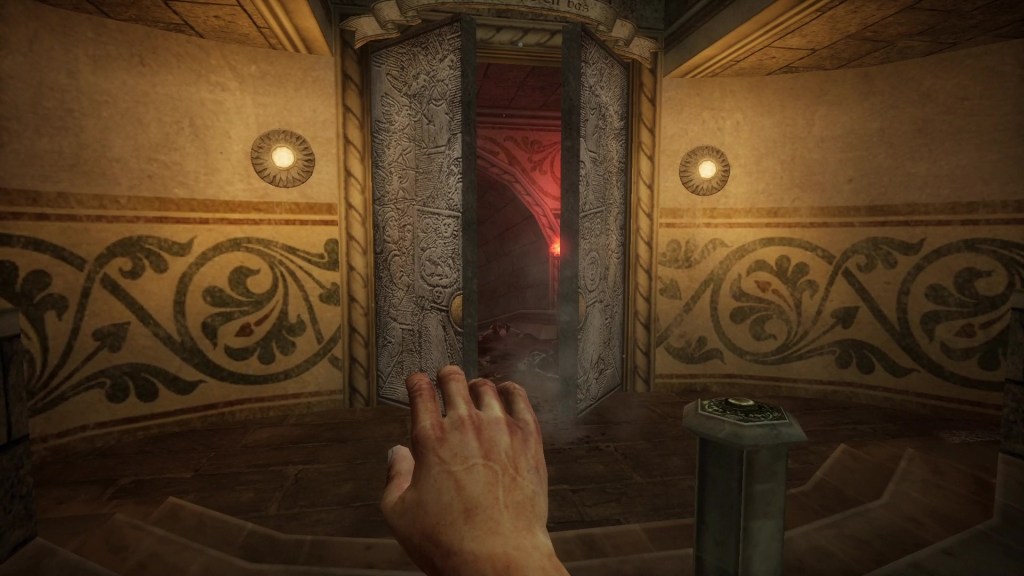
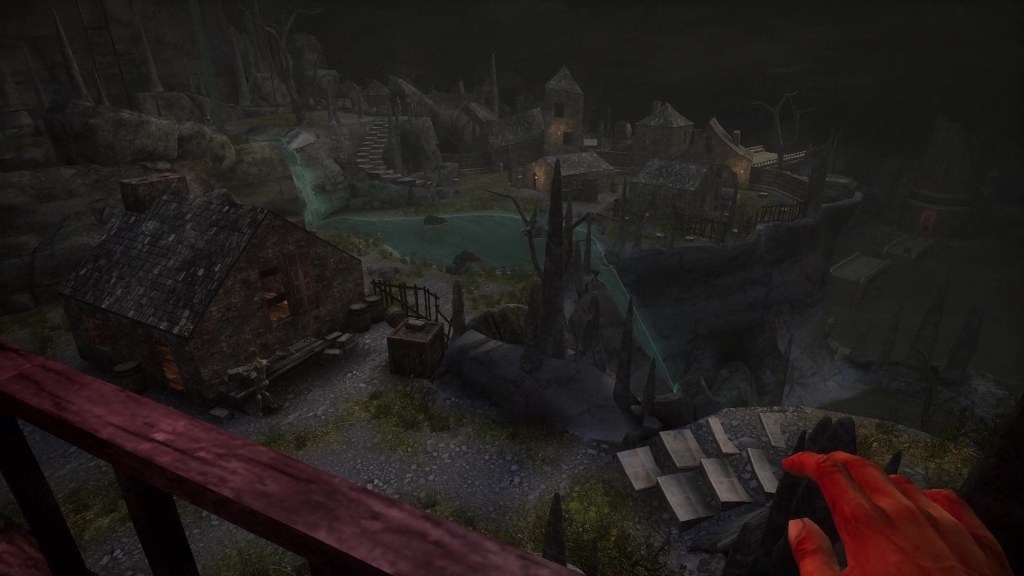
    WildArts Games’ Caput Mortum – apparently a variation of Latin for “Dead Head” – feels as indebted to 2010’s Amnesia: The Dark Descent as it does to its stated inspiration, 1994’s King’s Field. It’s a stylish, indie, first-person dungeon-delve that takes you into the ruined depths of a tower, in 16th century France, once dedicated to alchemy most foul. It combines diverse puzzle and monster encounters with retro-inspired aesthetics (and a retro control scheme for those who want it) to craft a well-paced descent into madness.

    Caput Mortum keeps direct storytelling to a minimum, with scattered notes and environmental details revealing the nature of the alchemists’ work, their barbarous attempts at creating life, and the tragic repercussions. Aside from the protagonist’s willingness to push ever deeper into the tower, they remain a mystery. A simple witness to events until the final moments – albeit with an alternate ending on offer for those willing to play through it a second time and piece together a secret code.

    A minimalist approach works for a game that is maybe 3-4 hours long for a first playthrough. Discovering the fate of the alchemists, their creations, and the nature of the voice calling out to the protagonist kept me pushing forward and exploring every corner of the tower for notes and hints of past events. It helps that despite the late ‘90s-style early-3D environments, each level of the tower feels visually distinct and atmospheric, packed with incidental details, new threats, and tension inducing-audio. The ambient audio keeps you on edge, audio cues let you know when you’re close to being spotted, and the soundtrack features simple but unsettling loops that had me thinking of Monolith’s F.E.A.R.
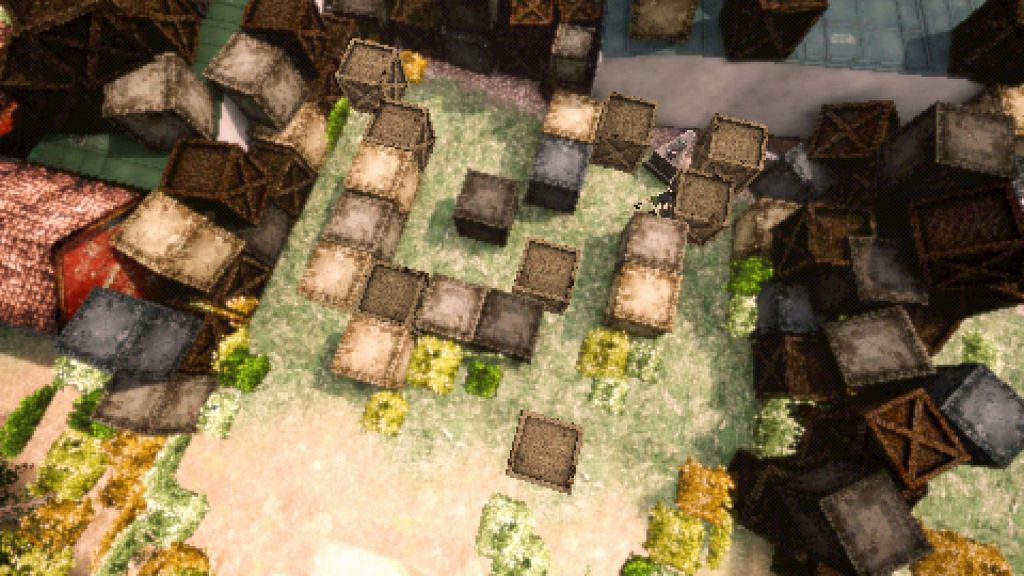
    Gameplay is all about deliberate movement and manipulating a single hand that interacts with the world, carries around puzzle items or keys, and wields a small selection of weapons that double up as tools. The basic controls and gameplay systems are easy to grasp, while clear guidance – either in the form of actual notes or visual cues – meant I rarely felt lost while solving puzzles, defeating basic enemies, and avoiding those I could not.

    If you’re after an authentically frustrating retro experience, the default controls offer a keyboard-only setup or gamepad layout that forces you to adjust your viewpoint by using keys or bumpers and triggers. These archaic controls ramp up the tension as simply aligning your view to track an enemy or strike at a weak point is artificially difficult. It felt like a novel throwback for the opening levels of the tower, but I would recommend just picking the modern gamepad or keyboard-and-mouse setup as the combat – which is never more complex than baiting an attack animation before striking back – is the least interesting gameplay mechanic.

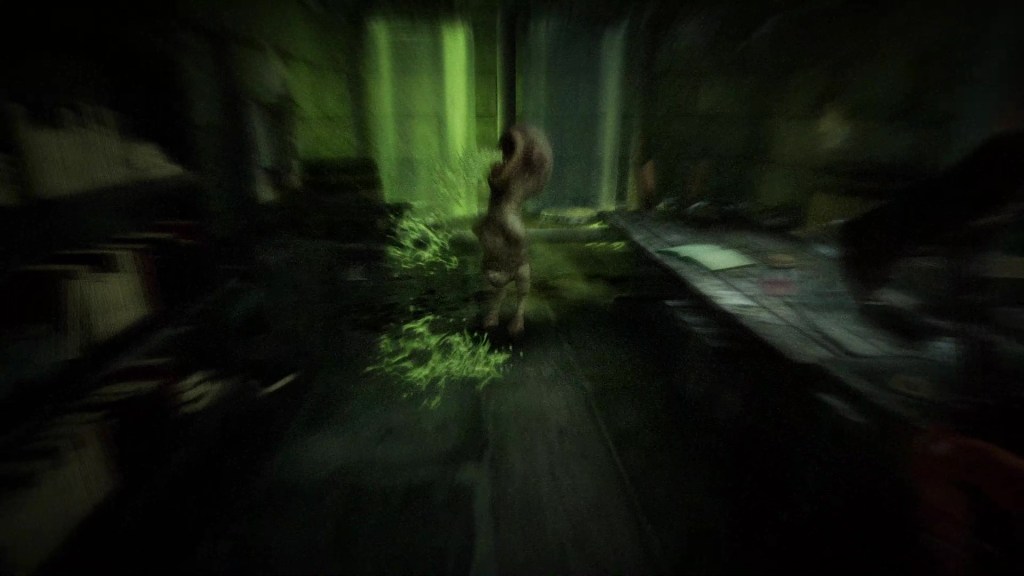
    Instead, exploration and puzzling, sometimes while avoiding unique threats, are the highlights of Caput Mortum. Every level below the tower presents you with a new puzzle blocking your path, often requiring multiple steps, and slowly increasing in complexity the deeper you go. Small levels with a simple two-part key hunt give way to clue hunts, pattern-based puzzles, and alchemical formulas needed to create compounds and explosives. An early encounter with a curious homunculus has you using the hand controls to match gestures to avoid attacks, while a later encounter has you navigating dark drainage tunnels by flaming torch, pursued by a charred and deranged stalker.

    Caput Mortum’s brisk pacing also benefits the gameplay loop. Each level introduces a new puzzle variant or threat, and no stalker-style sequence lasts long enough to frustrate you. There are some anachronistic elements that don’t hold up – like having to swap between a free hand and weapon, or anytime extensive hand gestures are required reveal clues and solve puzzles – but as puzzle and encounter designs are rarely repeated, these issues never stuck in my mind. It’s also worth noting that while game warns you that it only saves once you enter a new level of the tower, there were autosaves after solving major puzzles and before entering dangerous areas.

    Wrapping up, Caput Mortum is both exactly what it markets itself as, and it serves an example of what indie games excel at: providing a compact but no less satisfying experience that provide the same thrills as their AA or AAA peers – just without the bloated playtimes that have come to blight that sector of industry. I played through and enjoyed it over two sessions; I’ve started a second run to unlock the alternate ending; and, when I’m done, I’ll have that increasingly rare sensation of finality that so much of the video game industry seems desperate to avoid giving me.

    Pros:

    • A compelling decent into madness told through notes and environmental storytelling
    • Simple but satisfying puzzle and encounter designs that rarely repeat
    • Retro-inspired presentation that generates an unsettling atmosphere
    • The brisk runtime benefits both the narrative and gameplay loop

    Cons:

    • Some puzzles require more elaborate hand gestures that are tedious when using a controller

    Score: 9/10

    Caput Mortum was reviewed on PC using a code provided to gameblur by the publisher.

  • Review: Heartworm (PC)

    Review: Heartworm (PC)

    If you critique Heartworm for what it is – a mostly one-dev passion project brought to fruition with the help of a niche indie publisher – it’s excellent with only a few forgivable flaws. It’s a compact homage to survival- and psychological-horror games of the PlayStation 1-era, notably Resident Evil and Silent Hill, with a story that ruminates on our fears and anxieties around the meaning of life and death.

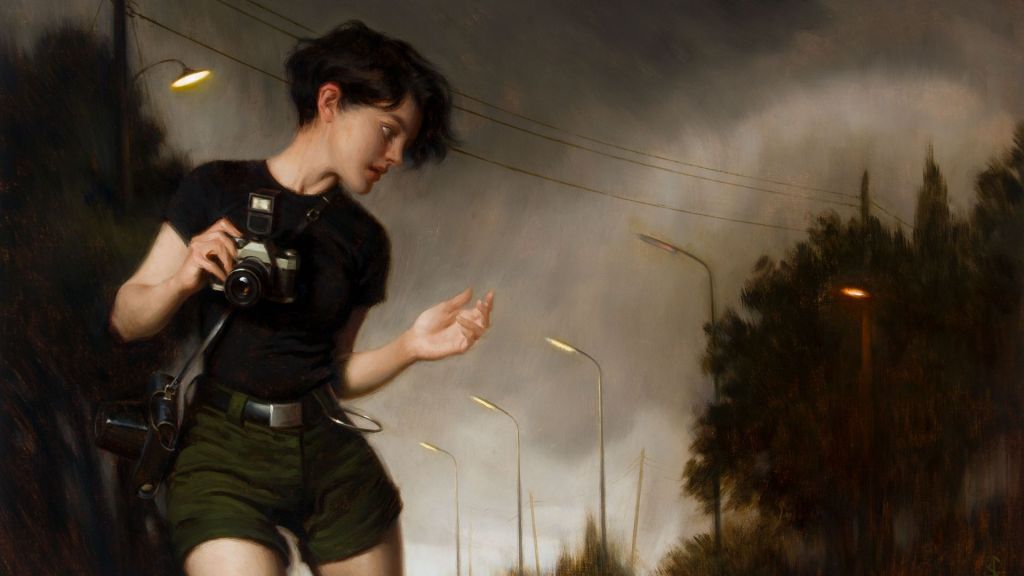
    Despite a ranking system and achievements related to completion times, Heartworm has an intriguing but once-and-done story I won’t discuss in much detail. You play as Sam, a young woman with a debilitating fixation on mortality, who sets off for an abandoned house that urban legends say has a doorway to the afterlife. No one who enters the house has ever returned, but Sam – haunted by past traumas – thinks she has little to lose.

    With three major areas to explore and a casual playthrough lasting 4-5 hours, Heartworm moves at a brisk pace with mostly logical puzzles and only a handful of mandatory battles. The narrative is driven by stylish retro-inspired cutscenes, Sam’s frequent monologues, and no shortage of flavour text and notes that reveal her thoughts and those of others who have taken the journey before her.

    The surreal and sometimes nightmarish environments she explores are clearly manifestations of her own memories and fears, full of opportunities for Sam to comment on her life and experiences up to that point, but there are lingering threats that seem connected to earlier travellers. It makes for a setting that’s more unsettling than horrifying, so that Heartworm is more a journey of discovery like the original Silent Hill 2 and not some gruelling feat of survival.

    If you are a fan of classic or retro-inspired survival-horror, Heartworm will feel familiar and, at times, a little generic – most notably when it comes to the boss fights that feel more “gamey” than something essential to the narrative themes. Each area is sprawling and interconnected, with the way forward blocked by both conventional and bizarre locks that force you to hunt for actual keys, key-like objects, or clues to solve puzzles you might recognise from three decades of survival-horror games.

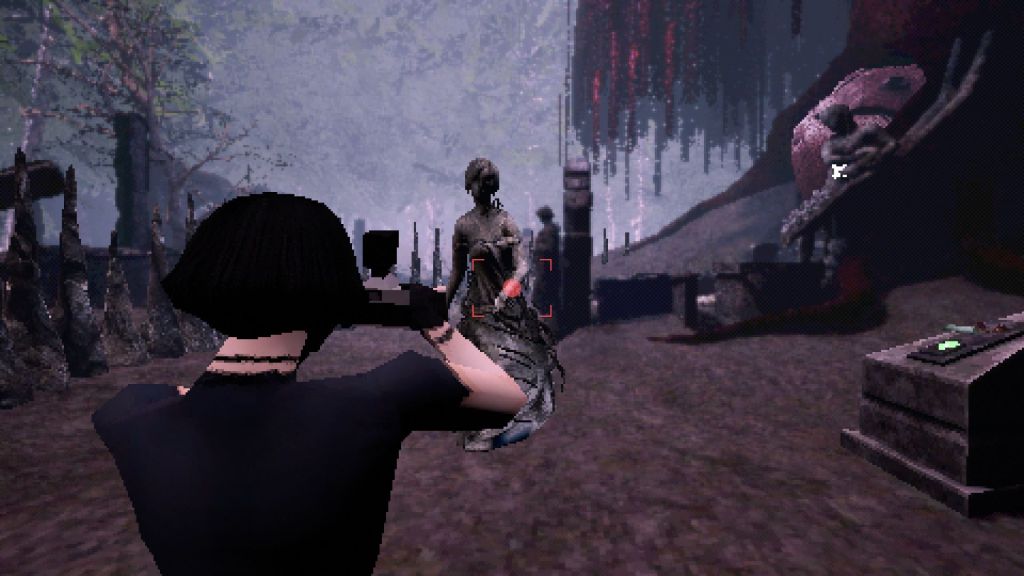
    The opening abandoned house and a hub-like cathedral hanging above a void set the tone and test your basic puzzling abilities. A gloom-shrouded neighbourhood has Silent Hill vibes and introduces roaming enemies – teleporting static ghosts and a giant spider – that you put down using Sam’s camera. The woodlands section feels eerily serene, aside from the rabid dogs, deer, and terrifying statues. The final multi-level clocktower mansion leans heavily into Resident Evil – sometimes literally – with elaborate key hunts that, in turn, lead to Silent Hill-esque environments, such as an abandoned hospital, school, and subway, filled with leaping chained creatures and twitchy mannequins.

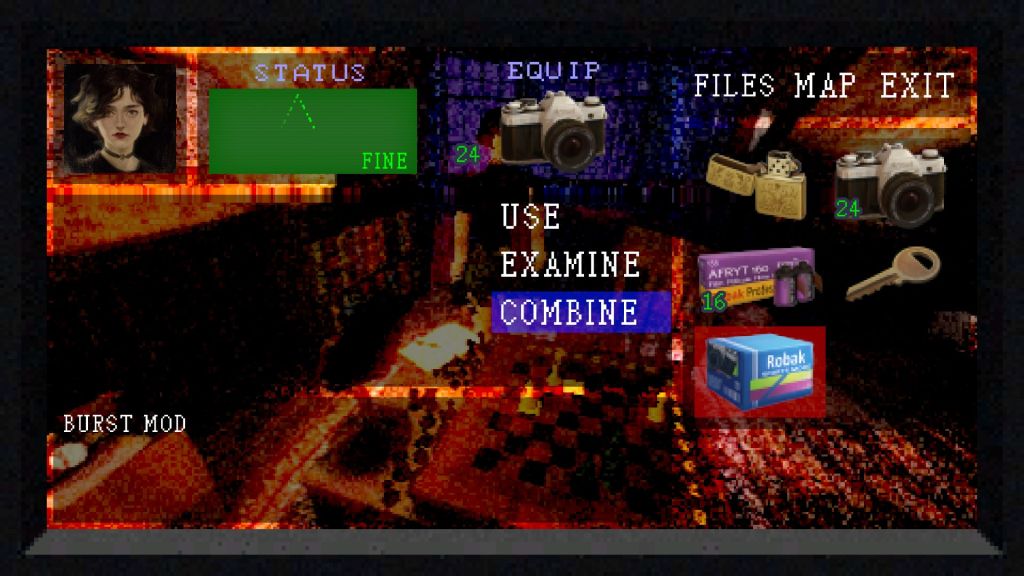
    The combat and boss fights in Heartworm rarely challenge you, as there is plentiful film for Sam’s camera, the ability to snap the camera behind her shoulder for easy third-person aiming, and no shortage of basic healing items that you can combine to form stronger medpacks. It’s all familiar fare and most enemies are easily avoided if you just keep moving. The combat is engaging enough but the focus is clearly on solving puzzles and hitting frequent story beats.

    That said, Heartworm has the potential to frustrate if you’re not paying attention or when using the default pixelated and dithered visual style. If you’re a fan of semi-fixed camera angles and “authenticity”, Heartworm can provide that chunky, upscaled 240p look. If you disable the pixelation and dithering effects, you instead get a good approximation of what modern emulators can produce running early 3D games. Either choice looks great, and the visuals are complemented by unsettling ambient audio and haunting music loops that generate a ton of atmosphere. However, as much I loved the pixellated look, the extreme aliasing makes spotting pick-ups and environmental clues difficult.

    Another issue is that the size of many areas can make backtracking tedious if you’ve missed environmental clues that feature in later puzzles. This applies to a handful of optional puzzles to gain a camera upgrade and secret memory photos – at least one of which is required for the good ending that feels most consistent with Sam’s evolving attitude. There is a file system for documents and a modern map system that highlights both doorways and rooms with remaining items, but I’d recommend you treat Heartworm like a classic survival-horror game and take notes as you go.

    Looping back to my opening line, Heartworm gets so much right as a compact indie game that a few flaws did little to detract from what is otherwise an exceptionally well-made homage to both survival-horror and psychological-horror classics – just one with a more pertinent story that anyone could relate to. The good ending variations are perhaps a little too simplistic given the complexities of mental health issues, but Heartworm – much like Crow Country, My Happy Neighborhood, and Sorry We’re Closed – is another game in the genre that could broaden the audience by tempering the horror with more heart.

    Pros:

    • A compact homage to survival- and psychological-horror classics
    • A brisk and intriguing story that deals with anxieties and fears around the meaning of life and death
    • Plenty of excellent puzzles and competent survival-horror combat
    • A stunningly “authentic” retro-aesthetic

    Cons:

    • Backtracking can be tedious if you miss something
    • Optional secrets determine the ending scene
    • Sam’s evolving attitude and the positive endings might feel too simplistic given the content matter

    Score: 8/10

    Heartworm was reviewed on PC using a code provided by the publisher.

  • Editorial: My Friendly Neighborhood left me convinced cosy-horror is the way to grow the genre (Xbox Series)

    Editorial: My Friendly Neighborhood left me convinced cosy-horror is the way to grow the genre (Xbox Series)

    It has taken two years for My Friendly Neighborhood to arrive on consoles, but it still deserves a top spot on the short list of survival-horror games that go beyond simple body-horror monstrosities and laboratory experiments gone wrong. There is no shortage of tension and a few jump scares to be had, but it also demonstrates a surprising amount of charm and heart that you find in rare cosy-horror titles like Crow Country or Sorry We’re Closed.

    Terror and heart in equal measure

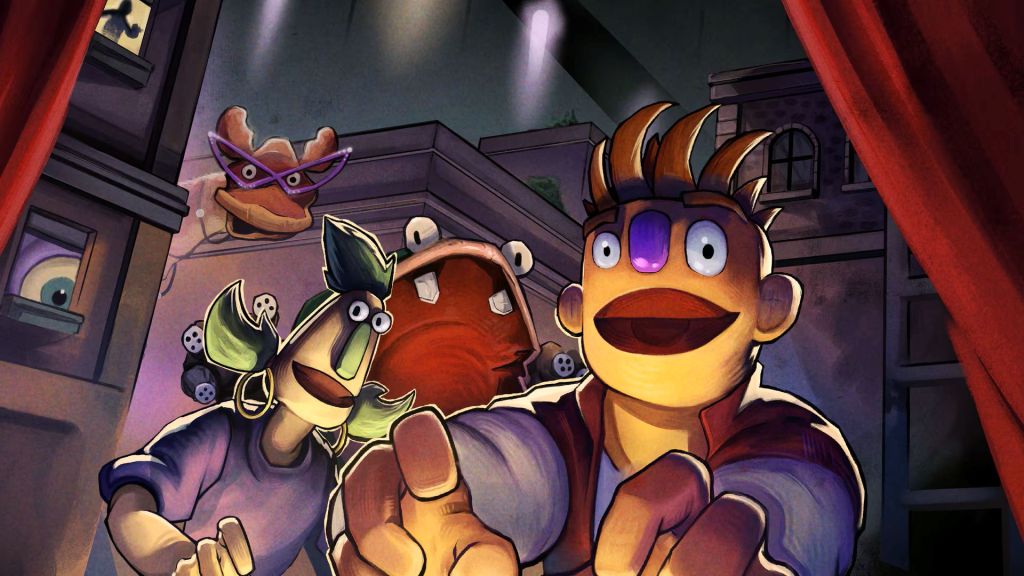
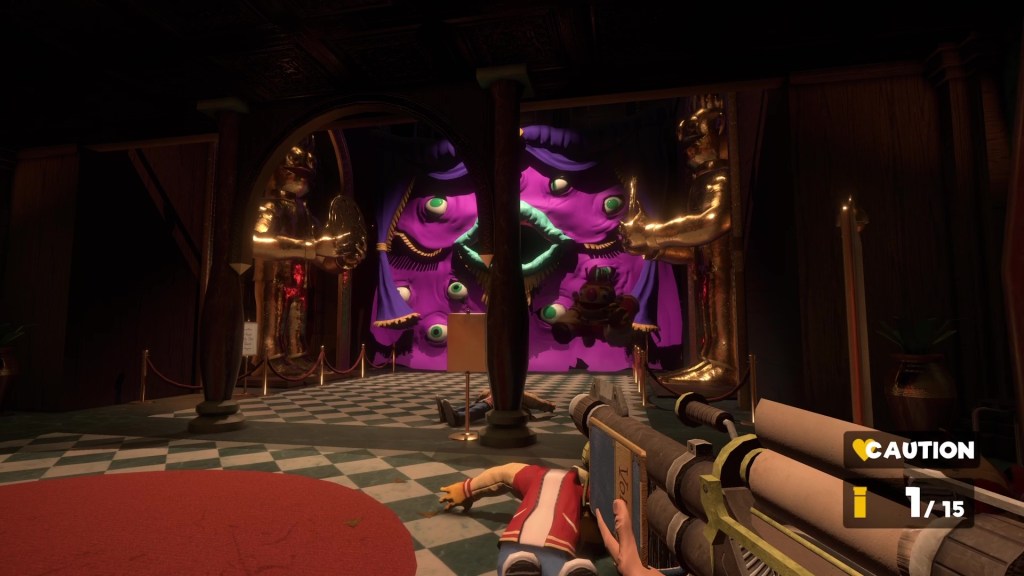
    The cartoonish aesthetics, the focus on a failed children’s puppet show, and the post-war-not-quite-USA setting make for a weird and unsettling experience that plays on established horror tropes while weaving in real-world societal problems. The result is a game that you could breeze through and appreciate the mechanics, while paying little attention to the plot and cast. However, if you read all the lore documents, listen to the puppets’ rambling, and spend some time solving puzzles and backtracking to help the puppets that originally stalk you, it makes the narrative so much more rewarding.

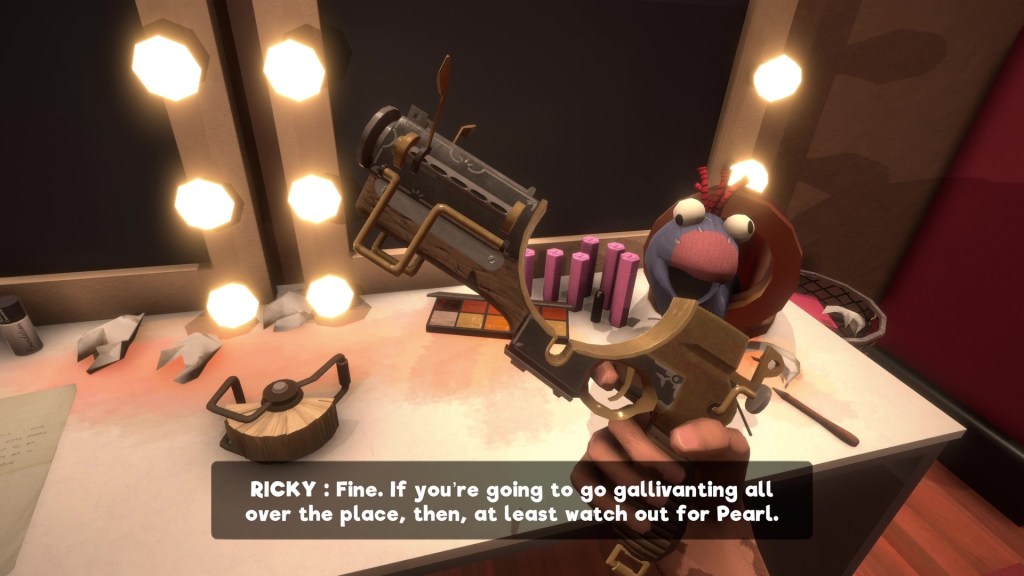
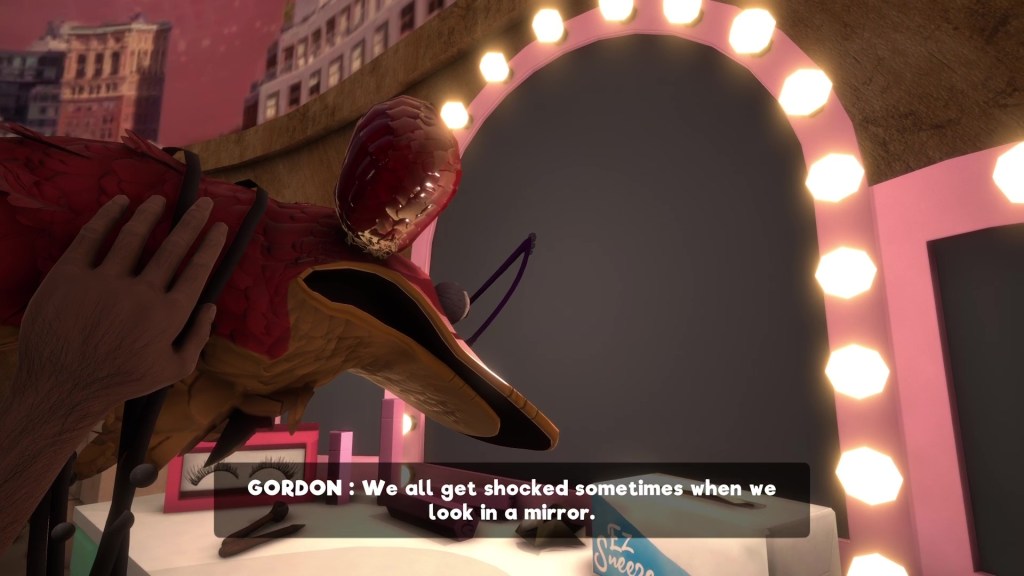
    A big part of the charm is how the protagonist Gordon is portrayed – equal parts brooding, determined, and unexpectedly compassionate – and the quality of the voice work and animations for the puppets you’ll encounter. Aside from Ricky, a sock puppet that aids and taunts Gordon in equal measure, you’ll encounter named puppets that serve as common enemy types, while each location is home to a boss-style puppet that stalks you through certain areas. All the puppets are unhinged and violent, reflecting the slow decline of their show, the character flaws of their former puppeteers, and the decline of society as a whole.

    Gordon’s attempt to shut down the broadcasting antenna goes awry, and he ends up on a journey that takes him through each part of the production studio and back again. Initial terror and confusion give way to dogged determination as he uncovers past events, discovers more about the puppets and the events that led to their growing insanity, and even gets the opportunity to bring peace to its inhabitants while revealing more of his past to the player. It has been a long time since I’ve played a survival-horror game where the narrative and cast have been as much of a draw as the gameplay mechanics – especially one with something to say about how entertainment both influences and is influenced by reality.

    Old-school survival-horror gameplay refined

    Talking of gameplay mechanics, My Friendly Neighborhood is one of those derivative games that show reverence to the source material, but also understand what elements stand the test of time and what anachronistic elements need tweaking or discarding. It keeps the classic haunted mansion design that you explore room by room, searching for keys, puzzle items, and clues to bypass contrived locks or obstacles. In your path are hordes of deranged puppets that can only be subdued permanently with limited duct tape, so you need to manage your routing and resources carefully.

    Despite the first-person perspective, it’s no action game like we’ve come to expect from the modern Resident Evils. Movement, combat, and progression feel far closer in design and pacing to classic survival horror games – right down to the ability to exit rooms to lose pursuers and reset their position. On lower difficulties you have enough resources to be reckless, but My Friendly Neighborhood clearly wants you to manage your inventory and storage box, only attack or subdue enemies you can’t avoid, check the map to plan a path or identify locked rooms with remaining items, and manually save between bouts of progress using limited tokens. It is classic and methodical in the best possible way.

    The combat feels good thanks to great audiovisual feedback from an alphabet-powered rolodex-spewing pistol, rolled up notes used as shells and blasted from a shotgun, and room-clearing grenades with letter shrapnel. That said, the focus is on picking the right tool for the situation and conserving supplies when you can – especially on higher difficulties. As you get a feel for the map layout and identify rooms you’ll return to later, combat becomes more about optimisation than skill, and there’s also incentive to help the boss-type puppets so you can explore with less risk later.

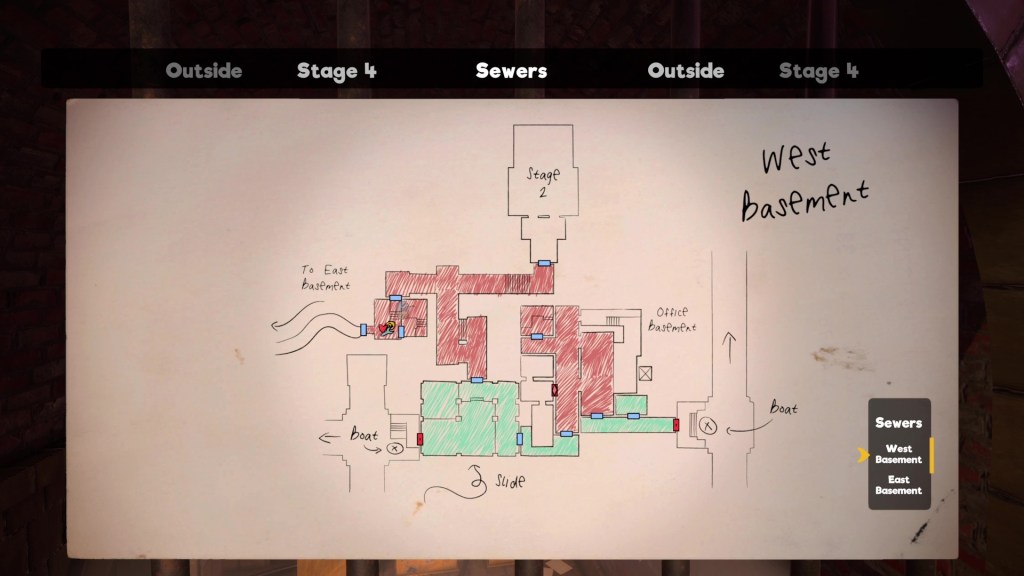
    To do that though, you will tackle increasingly elaborate, nonsensical, but entertaining puzzles. These range from simple key hunts to multi-step memory, logic, and sequence-based puzzles, but a modern map highlights specific key doors and rooms with items, so you’ll never end up aimlessly wandering the compact but dense studio grounds. There is a particularly tough puzzle to unlock a secret area and ultimate weapon – which had me taking notes and screenshots – but finding the items needed to save all the puppets and unlock the “best” ending will come naturally to those who systematically explore.

    Cosy-horror could be the way to keep growing the survival-horror audience

    If you’ve enjoyed the resurgence of survival-horror in both the “AAA” and indie space, My Friendly Neighborhood is easy to recommend – particularly for fans of the emerging cosy-horror trend. It’s only 5-6 hours long and that might put off once-and-done players, but like the classic games that inspired it, you can cruise through it a second time to unlock a different ending and ranking; hunt for secret tapes that enable useful or goofy abilities; mess around with the Speedrun and “Neighborhorde” modes; or just crank up the difficulty and shift the experience closer to true horror.

    My Friendly Neighborhood was played on Xbox Series S|X using a code provided to gameblur by the publisher. It is also available on PC, Xbox One, and PS4/5.