Tag: Xbox Series

  • Editorial: Caput Mortum is a short, sweet, and satisfying ride that’s all too rare these days.

    Editorial: Caput Mortum is a short, sweet, and satisfying ride that’s all too rare these days.

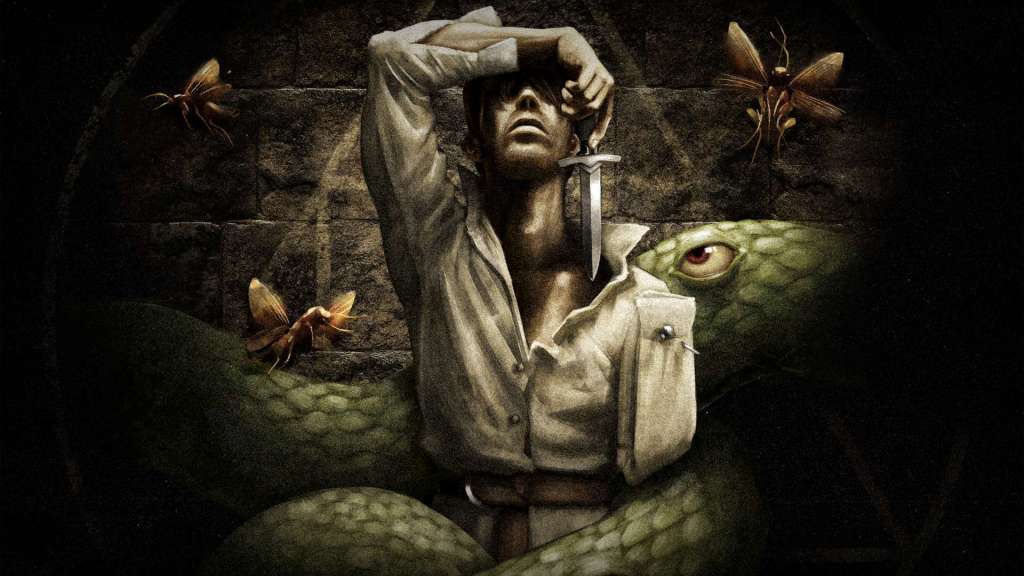
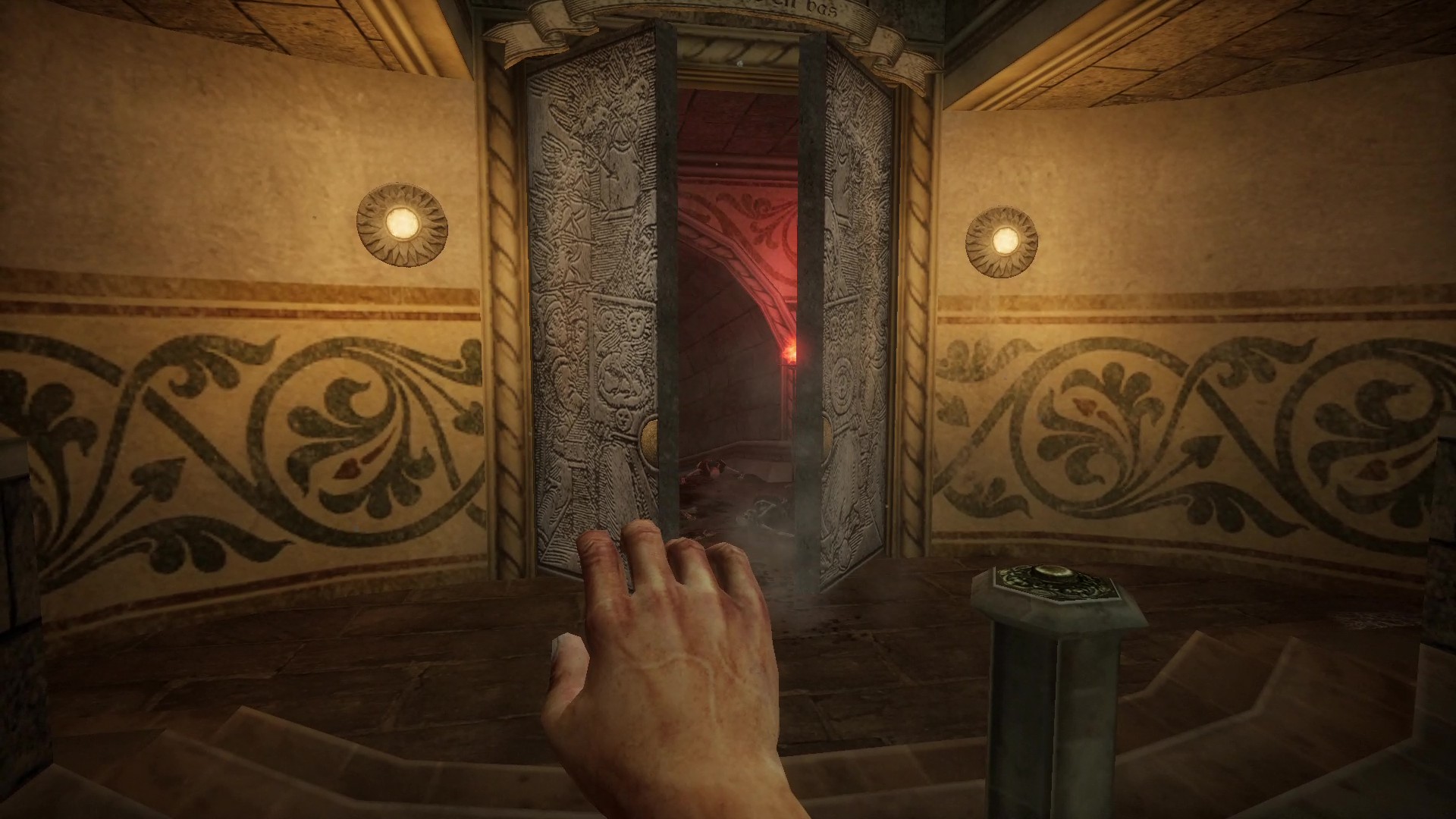
    Caput Mortum is a compact love letter to 1994’s King’s Field, albeit one taking a few cues from the more modern horror titles like Amnesia: The Dark Descent.

    It wastes no time dropping the player outside a crumbling 16th-century French tower once dedicated to alchemy; it seamlessly blends puzzle-solving and monster encounters with retro-inspired visuals (and an old-school control scheme for purists); and it delivers a briskly paced journey into the depths.

    Direct storytelling is limited so you’ll need to find scattered notes and environmental clues to reveal the alchemists’ experiments and their cruel attempts at creating new life. The protagonist’s motivations remain a mystery throughout but serve as an excuse for the player to witness the unfolding events.

    The late ‘90s inspired blocky 3D environments are impressive. Each floor of the tower feels visually distinct and atmospheric, is full of environmental storytelling details, and tension-building audio and short music loops are fantastic.
    What I enjoyed most though was the brisk pacing and compact length – both of which ensure ensured Caput Mortum never outstayed it’s welcome (and it’s appropriately priced too). I uncovered the fate of the alchemists, their creations, and the mysterious voice guiding the protagonist, then I walked away satisfied but also keen on a second playthrough to unlock additional notes without needing to invest dozens of hours.

    Gameplay is admittedly limited at first and focuses on deliberate movement and interacting with the world using a single hand. You use the mouse or thumbstick to manipulate puzzle items and keys, while wielding a small selection of weapons that double-up as tools. The controls are straightforward and intuitive, with guidance provided notes or visual cues.

    Combat is deliberately clunky but basic enemies are manageable, and the more dangerous ones you run from. You bait an enemy’s attack animation, then counter until it falls.
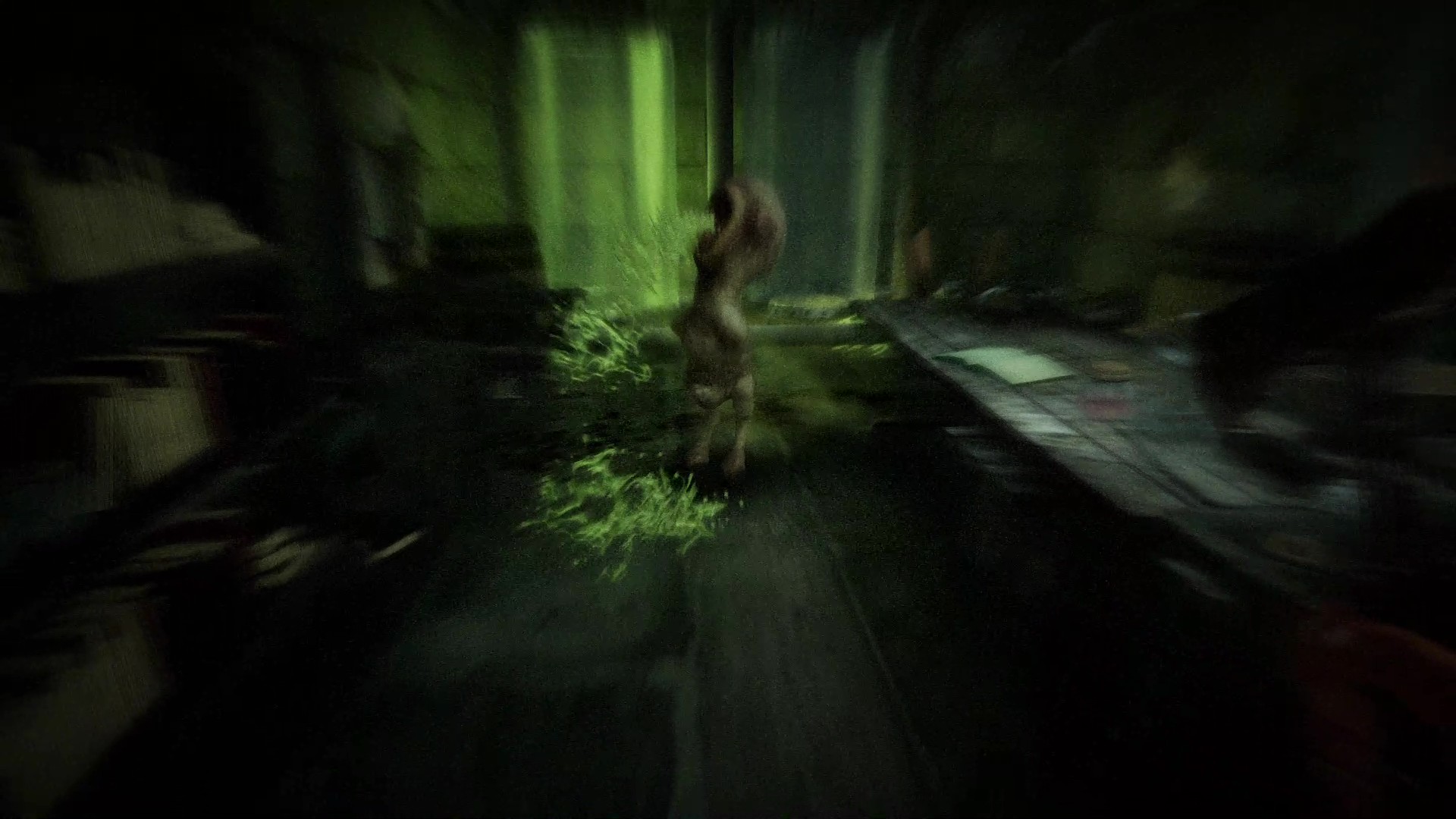
    Exploration and puzzle-solving, sometimes under threat, are the strengths of Caput Mortum. As you descend, you encounter progressively more complex puzzles, starting with simple key hunts before evolving into scanning for clue, matching patterns, and concocting alchemical compounds. Some early encounters require matching hand gestures to survive attacks, while brief sections have you navigating torchlit tunnels pursued by a stalker-type creature.

    There are some dated mechanics. Quickly switching between a free hand and weapon is annoying but rarely needed. Meanwhile the game claims it only saves when entering new tower levels, but I found autosaves occurred after major puzzle solutions and before you enter dangerous areas.

    Ultimately, Caput Mortum does everything I want from a short experimental indie title. A brisk but satisfying experience that gives you some bigger budget thrills with zero padding. In 2026, a game that’s short, well-paced, and offers a satisfying conclusion is rare enough to warrant praise despite a few flaws.

    Caput Mortum was played on Xbox Series S|X. It is also available on PC and PS5.
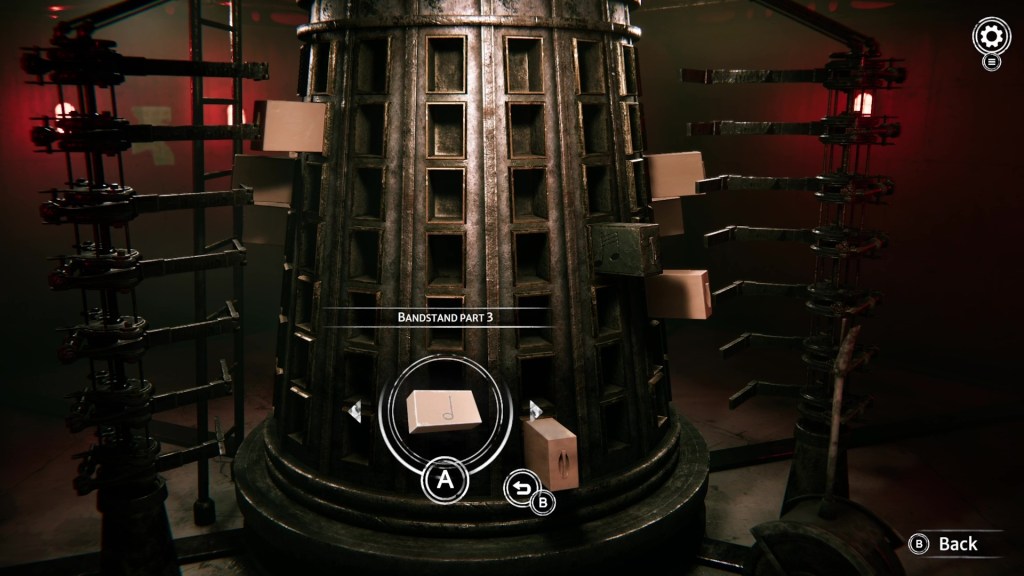
  • Don’t skip Sovereign Syndicate on console if you’re a fan of expressive writing and intricate worldbuilding.

    Don’t skip Sovereign Syndicate on console if you’re a fan of expressive writing and intricate worldbuilding.

    The first thing that comes to mind when thinking about Sovereign Syndicate is how excellent writing can carry mechanically and visually underwhelming games – so long as you have an audience willing to read. At first glance, Sovereign Syndicate looks to chase the Disco Elysium formula, turning your protagonists’ internal dialogue and resultant personalities into the equivalent of traditional RPG classes. However, the longer you play, the more you’ll realise their starting attributes and evolving personality add flavour to the journey rather than function as hard skill-checks.

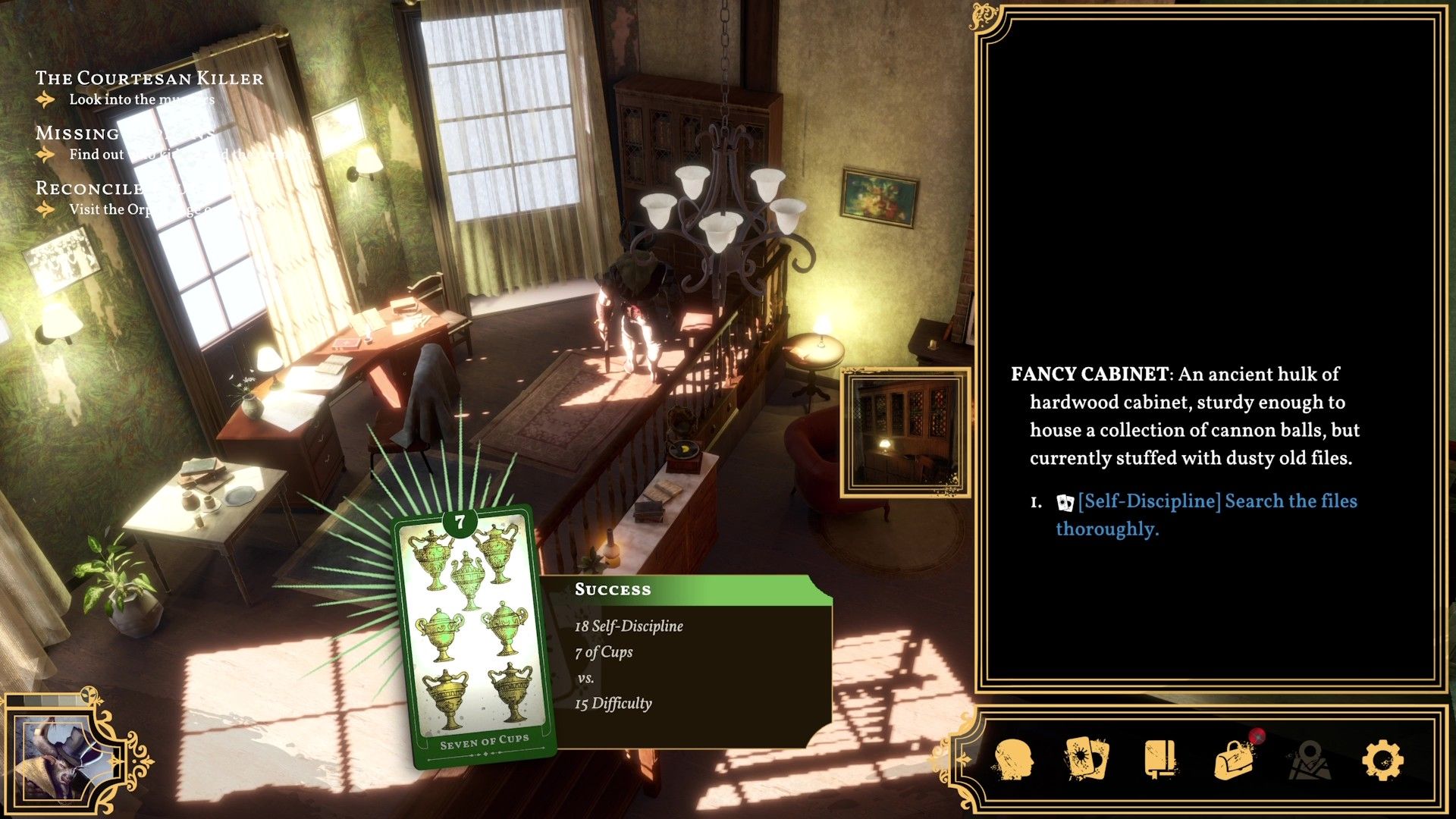
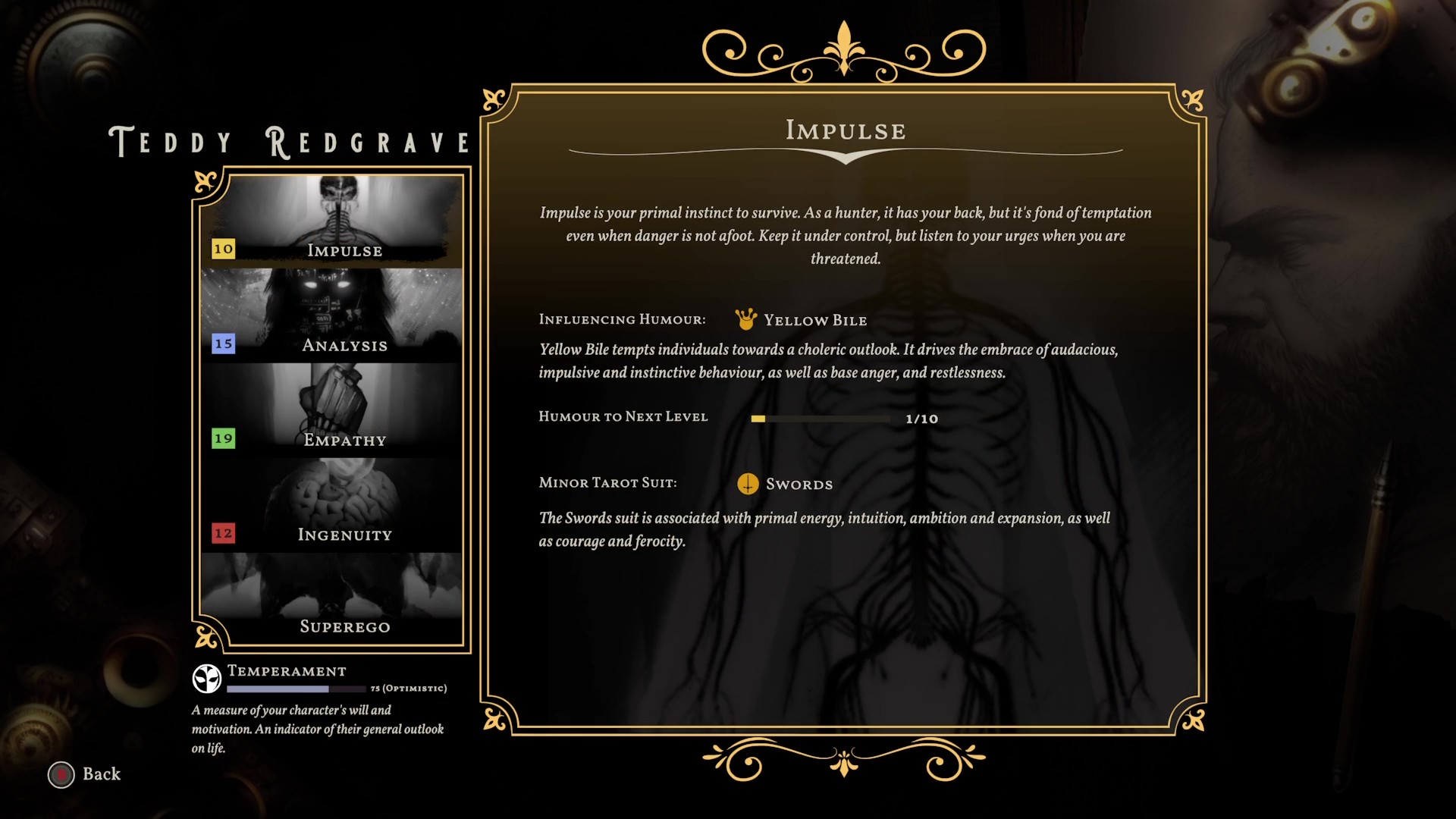
    Sovereign Syndicate is still a role-playing game in the sense that you shape the decisions the protagonists make, unlock new response types as a result of their experiences, and influence their outlook on the world. The more effort you put into tackling the secondary content, the more dialogue options you give yourself down the line. However, the initial character class and stylish Tarot card system are just another form of dice roll modifiers, and you can always save-scum your way through any skill-check if you really wanted to.

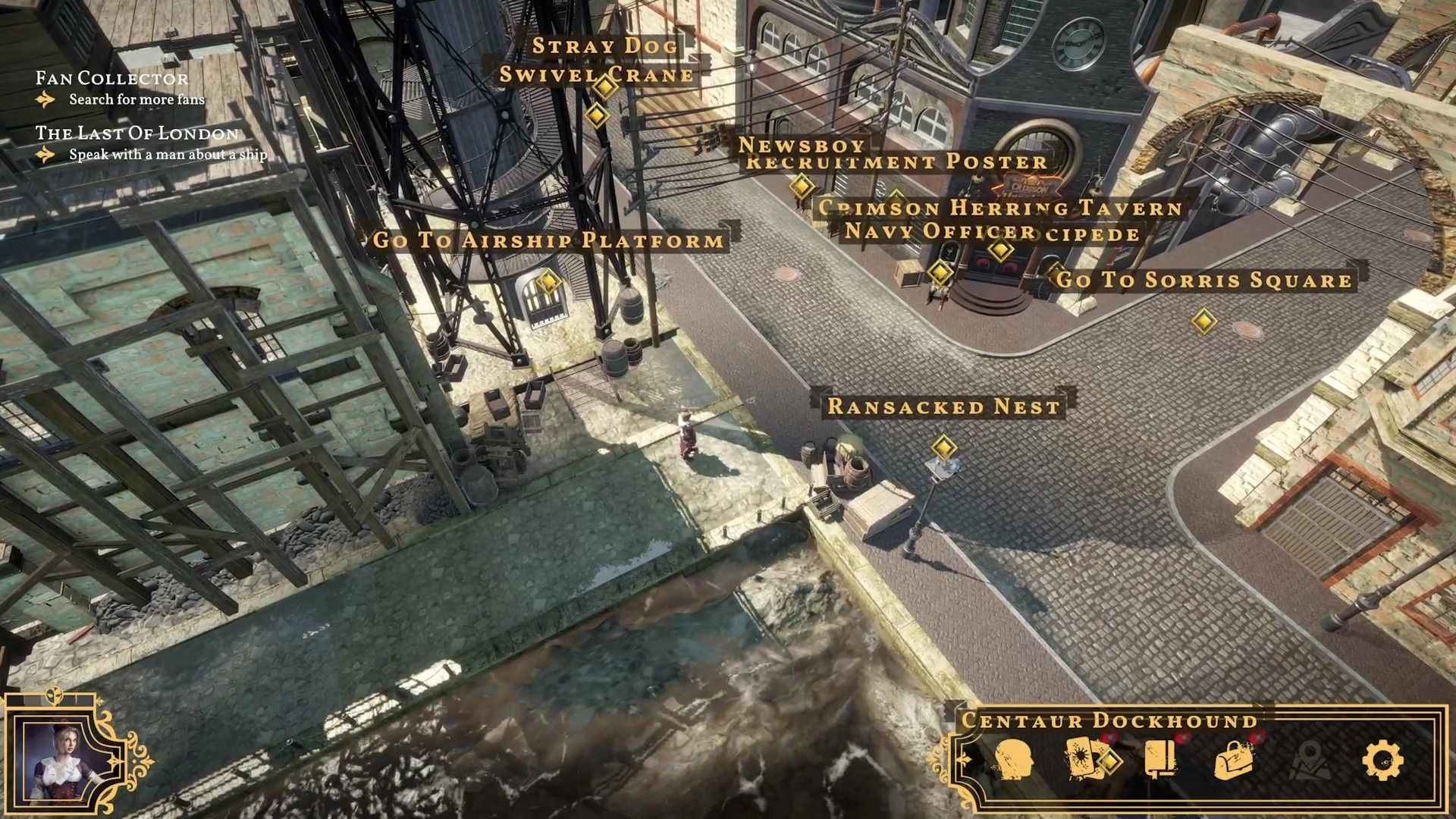
    That flexible structure and a focus on lengthy dialogue sequences can make Sovereign Syndicate feel closer to a visual novel with light RPG elements, but that’s no bad thing for those that enjoy reading and using their imagination fill out details that the inconsistent visuals and artwork cannot provide. Set in a Victorian-era London, where steampunk technology and low-fantasy magic coexist, Sovereign Syndicate takes you on a lengthy journey that switches back and forth between three characters, with plenty of minor details and interactions to embellish the narrative.

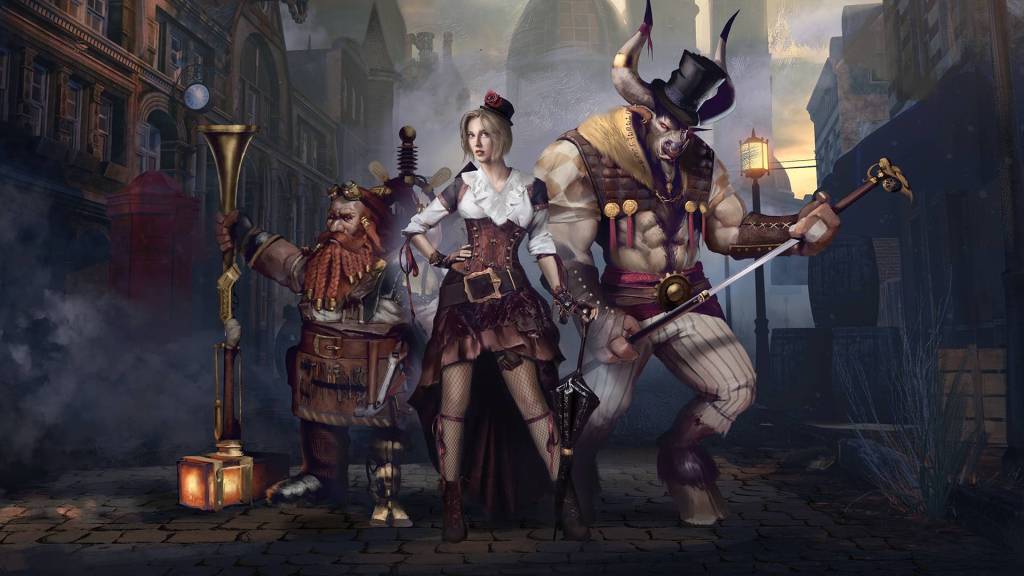
    Atticus Daley is a minotaur trying to drink away his troubled orphan past, before a mysterious stranger with gun and a new nagging voice in his head set him on a quest to discover the fate of his mother. Clara Reed is a human courtesan tired of entertaining London’s elite and looking for a way to raise enough money to smuggle herself across the Atlantic. Teddy Redgrave is a dwarf and war veteran, who now spends time tweaking his automaton “Otto” and taking contracts to hunt down mythical beasts and common vermin plaguing London. It is an eclectic cast with different views on the world and characters around them, and each takes the lead on investigating secondary plot lines that run throughout the adventure.

    That structure ties into the verbose writing that, while not always consistent in delivery, is wonderfully intricate and expressive. Dialogue with key NPCs, internal monologues, and observations of the world around them are unique for each character. This allows the developers to flesh out every character and dole out heaps of worldbuilding; it provides the player much better insight into the motivations of each protagonist; and simply makes exploring the world incredibly satisfying – albeit only if you’re willing to read.

    In contrast, the gameplay mechanics feel perfunctory and drawn out as you traverse several areas of London repeatedly, talking to everyone you can in each chapter to ensure you don’t miss important interactions or clues that update quest entries. Tarot card draws for dialogue challenges and environmental interactions are just dice rolls. You have an inventory but there’s little reason to ever open it as key items are flagged in conversations or during interactions when needed. It can grow increasingly tiresome and left me wondering if Sovereign Syndicate would have had better pacing if it gone for map- and menu-driven exploration systems similar to visual novels or point-and-click adventure games.

    That said, Sovereign Syndicate still feels unique and there is little like it on consoles aside from the aforementioned Disco Elysium. It feels like a fantasy-steampunk adventure novel recreated in video game form, and it’ll be a treat for those who enjoy visual novels or those who pore over lore documents in games. You could accuse the writers of overcomplicating or embellishing elements, but I loved the detailed internal monologues, frequent exposition, rich flavour text, and the minor changes to my options as each character evolved. If a visual novel/RPG hybrid with great writing is your idea of a good time, don’t pass up on Sovereign Syndicate (and I hope there’s a Nintendo Switch port at some point).

    Sovereign Syndicate was played on Xbox Series S|X using a code provided to gameblur by the publisher. It is also available on PC and PS5.
  • Review: Syberia – Remastered (Xbox Series)

    Review: Syberia – Remastered (Xbox Series)

    Syberia first released in 2002 as a point-and-click adventure with relatively unremarkable mechanics for the time. It was, however, elevated by Belgian comic artist Benoit Sokal’s striking designs, an evocative soundtrack, and a narrative that blended the relatable with the surreal. It was easy to play through the remaster for the story – the third time now if I count the awkward console ports of the PC original – and I’d argue Syberia – Remastered is now the most accessible way to play this uneven cult-classic. The updated visuals are beautiful yet faithful, the UI is cleaner, and a few puzzles have even been expanded or tweaked. That, old flaws remain and a few new bugs can frustrate.

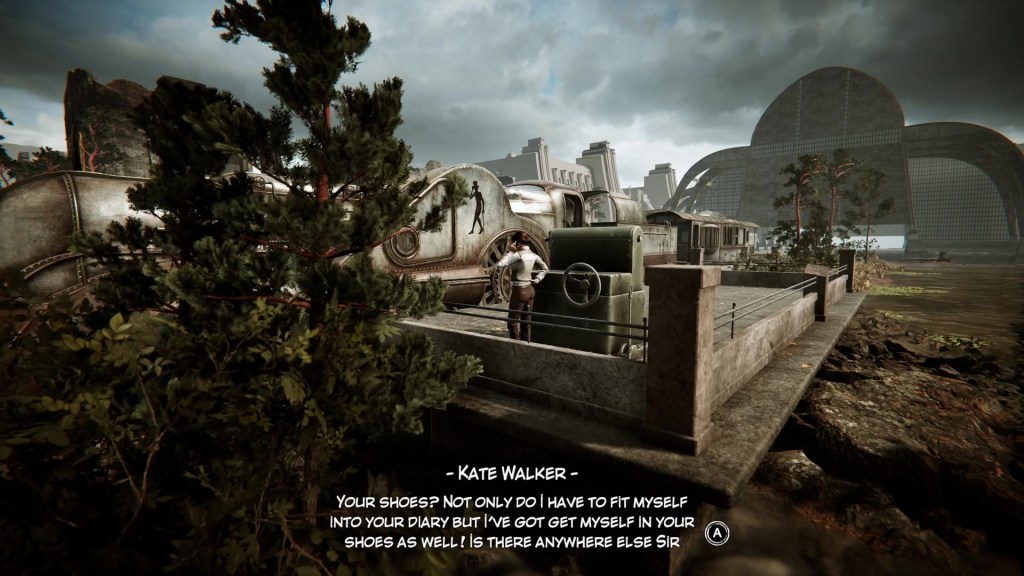
    I think what I love most about Syberia is how it balances a growing sense of wonder with unease. You play as Kate Walker, a New York lawyer who looks and sounds like part of our world, but her journey eastward, from the French Alps towards Russian Siberia, feels increasingly detached from reality. Kate arrives in Valadilène to conclude the sale of the Voralberg family automaton business to an American company, only to find the owner has recently passed away and her short business trip is about to get complicated.

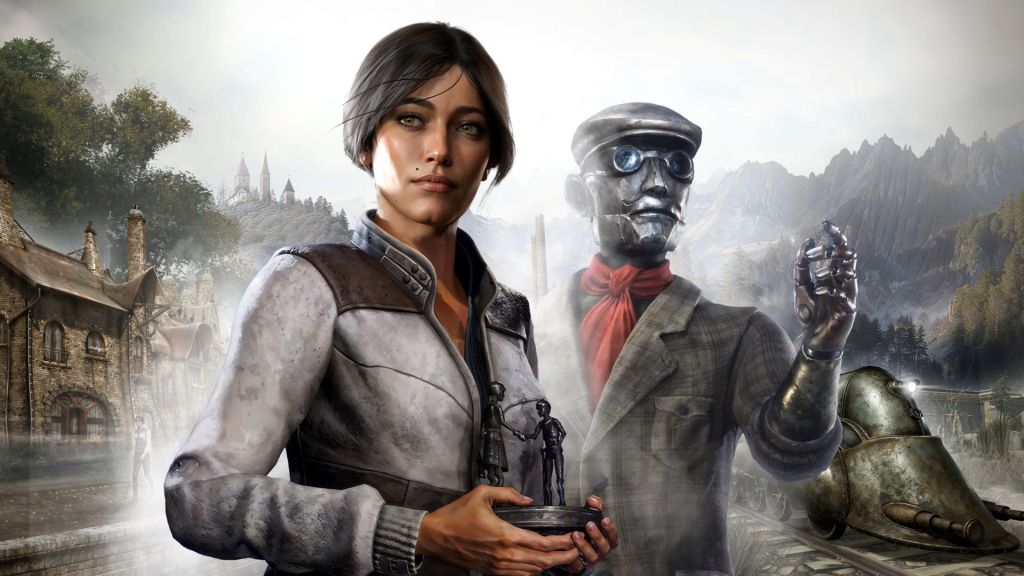
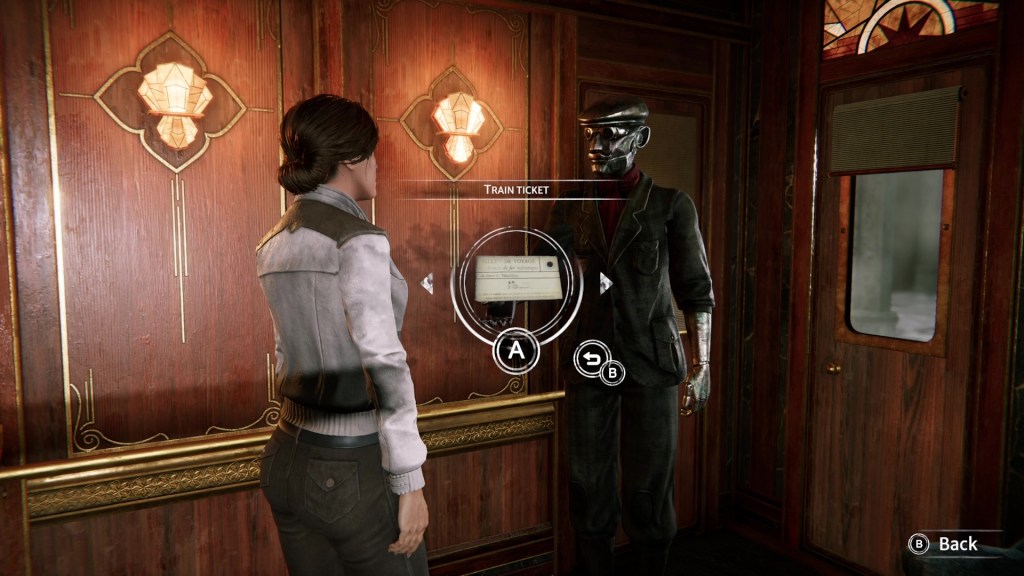
    After learning of another heir, the reclusive Hans Voralburg who was long presumed dead, Kate kicks off a journey that will take her further and further away from her current life – her friends, her family, and everything she thought was important. She ends up travelling on a clockwork train, in the company of the weird but likeable automaton Oscar, following in the footsteps of Hans Voralberg decades later. She delves into the Voralburg’s tragic family history, explores seemingly forgotten corners of the world, and encounters an odd cast of those left behind with unfulfilled dreams.

    It makes for a compelling but weirdly paced narrative that sometimes unfolds with no particular sense of direction (other than geographically). As someone who dislikes modern games with bloated runtimes that kill pacing, you’d think it would annoy me. However, given you can see the end of Syberia – Remastered in just 6-7 hours – puzzle-solving skills permitting – it feels more like deliberate and confident pacing. Kate’s journey is literally about going off the rails while on the rails, full of discoveries and revelations, about both her curious client and herself. It’s not always well written, the voice acting is variable, and it features some dated stereotypes, but it had emotional hits that many modern cinematic AAA games fail to generate.

    Gameplaywise, Syberia – Remastered has the same mechanical weaknesses as the original game – even with an updated journal and a handful of expanded puzzles to flesh out some locations. Unlike so many of its peers, Syberia was never about dense environments, pixel-hunting for interaction spots, or use-everything-on-everything experimentation. Instead, you explore large and beautiful zones, exhaust dialogue trees for plot triggers, find a handful key items, and tackle maybe two or three puzzles in each area. It feels more streamlined and logical than most point-and-click games from that era – but the size of the environments can make backtracking tedious.

    On the upside, Kate’s initial visit to each location feels suitably wondrous and surreal. She explores a declining alpine town with clockwork buildings and specialised automatons serving the ageing population. She travels to a quirky German university located alongside what look like a giant remnant of the Berlin wall, meeting the bizarre faculty members, exploring an incredible aviary, and learning about Hans’ fascination with Siberian Mammoths. She explores an abandoned Russian industrial city run by a deranged mayor; she visits a cosmodrome to help a drunken cosmonaut get airborne; and she finally help an ageing opera singer feel alive again – if only for a while.

    Every step of the journey feels more surreal than the last and Kate’s fiancé, boss, friend, and mother – most of them self-interested and living shallow lives – frequently call and struggle to make sense of Kate’s trajectory from corporate ladder-climber to headstrong explorer willing to push ever further into the unknown. Again, Syberia is no masterpiece of videogame writing (and this remaster has some dubious subtitles and transcriptions), but it nails the atmosphere and Kate’s voice actor – Sharon Mann for the English dub – did an incredible job of capturing her emotions.

    Of course, most cult classics like Syberia benefit from a mix of hyperbolic praise from fans and the resultant hype for this release. As one of those fans, and a fan of classic point-and-click adventures in general, Syberia – Remastered is a worthy effort at preserving a classic game and making it more accessible on multiple platforms. It stays faithful to the source material despite looking more modern, the expanded puzzles add a minor twist for returning players, and the new journal might prove essential for new player – but I still feel the diverse cast and timeless narrative are the main attraction.

    Pros:

    • Experiencing Kate’s journey of self-discovery through a wondrous but surreal world
    • Beautiful, faithfully remade environments better fit the evocative soundtrack
    • Most puzzles are logical and streamlined
    • The expanded journal system makes the tougher puzzle less of a roadblock

    Cons:

    • Backtracking through larger environments can get tedious
    • Rare movement bugs required restarting the game
    • Subtitles and document transcriptions need work

    Score: 8/10

    Syberia – Remastered was reviewed on Xbox Series S|X using a code provided by the publisher. It is also available on PC and PS5/Pro.