
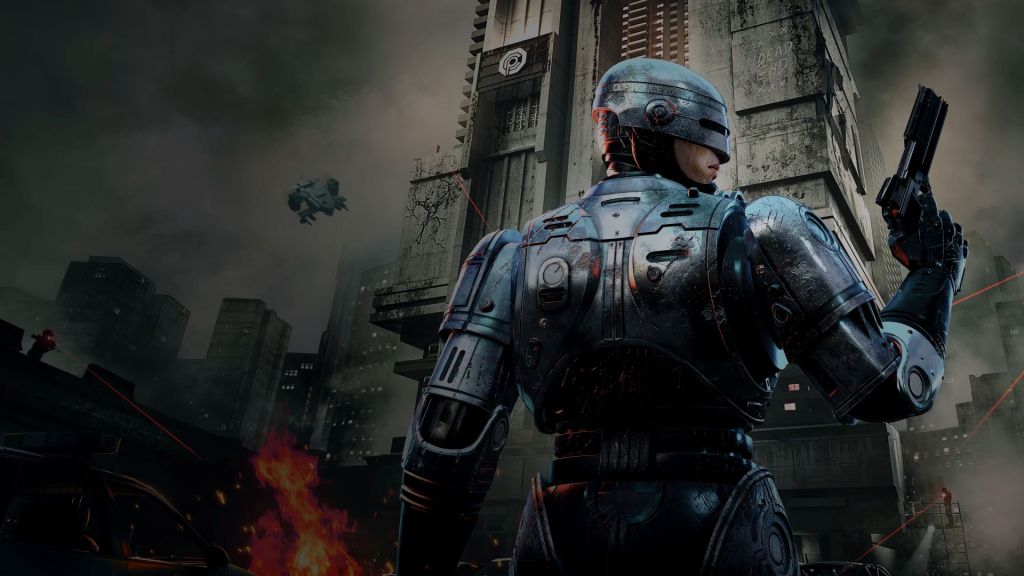
Robocop: Rogue City slowly grew on me even though it felt too inconsistent and unpolished towards the end. It was another RPG-shooter hybrid from Teyon that I’d add to a list of great “7/10” games – the type I’d sooner replay than many objectively better “AAA” blockbusters when weighing up fun vs. time investment required.
Like Terminator: Resistance before it, Rogue City nailed the look, sound, and tone of the original Robocop film – even if the gameplay structure and storytelling was a generation behind. Fittingly, Unfinished Business feels like the chunky expansions you would see on PC or consoles during the 2000s. It offers a new story in a fresh setting, but it has clearly been built using the same template, it repurposes many assets, and it retreads a few set-pieces.
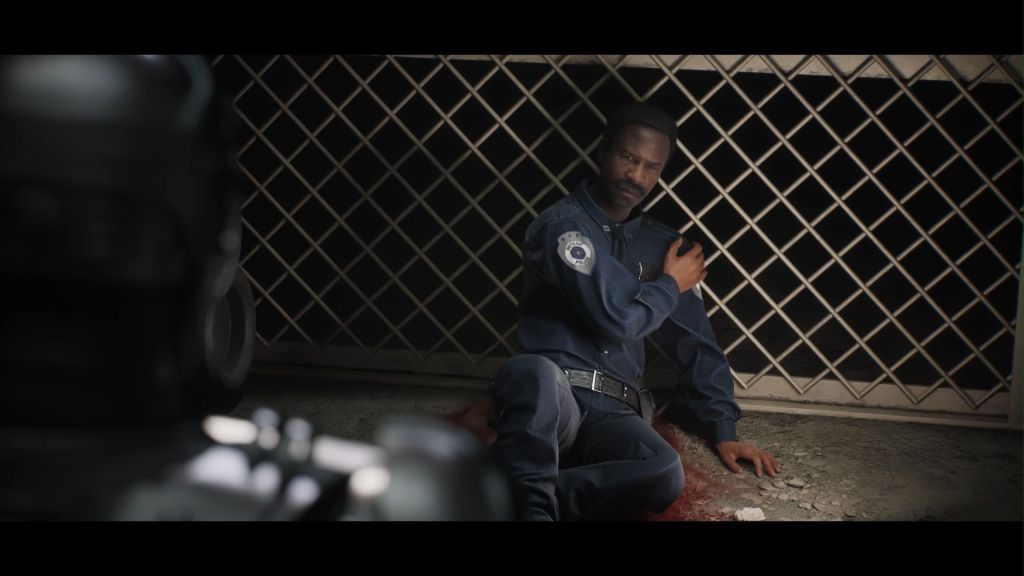
Dead or dead, you’re coming with me!
As a standalone expansion, you don’t need to play Rogue City, but it gives the opening sequence more impact and provides a shared trauma that links Murphy to the new antagonist – a relationship that’s fleshed out in the first exciting flashback mission. There’s an attempt to connect new characters to the original Robocop program that I don’t have a problem with, but Teyon has taken the lazy route of killing off most of the officers you got to know in Rogue City to avoid continuity issues with the films.
I thought the opening would be used to generate a degree of sympathy for the antagonist and their motivation, but as they’re clearly responsible for attack on the station and go on to commit more atrocities against civilians, there are no grey areas that leave the player questioning Robocop’s trust in established law. The scientist working alongside him fares slightly better, but her redemption arc feels rushed.

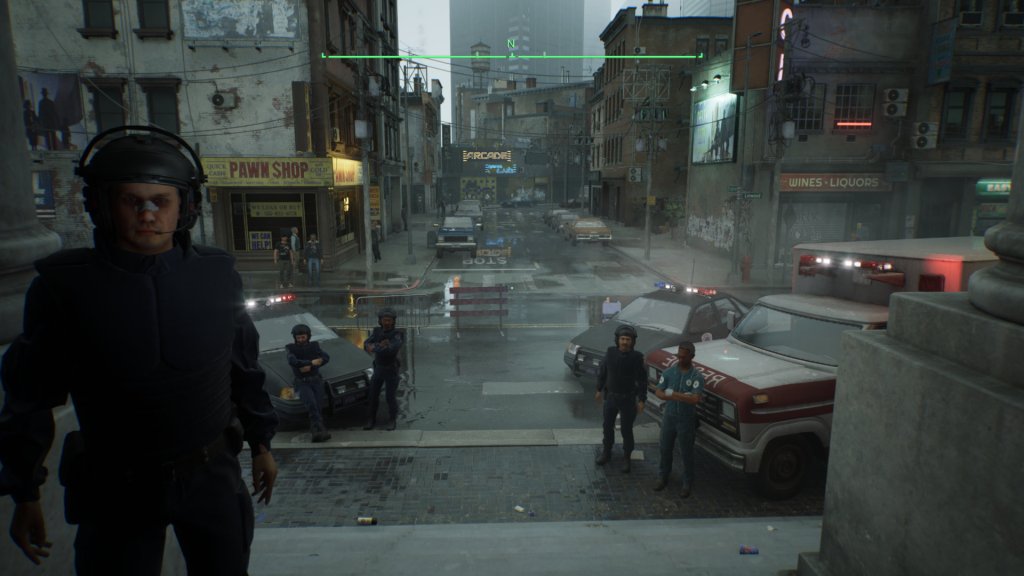
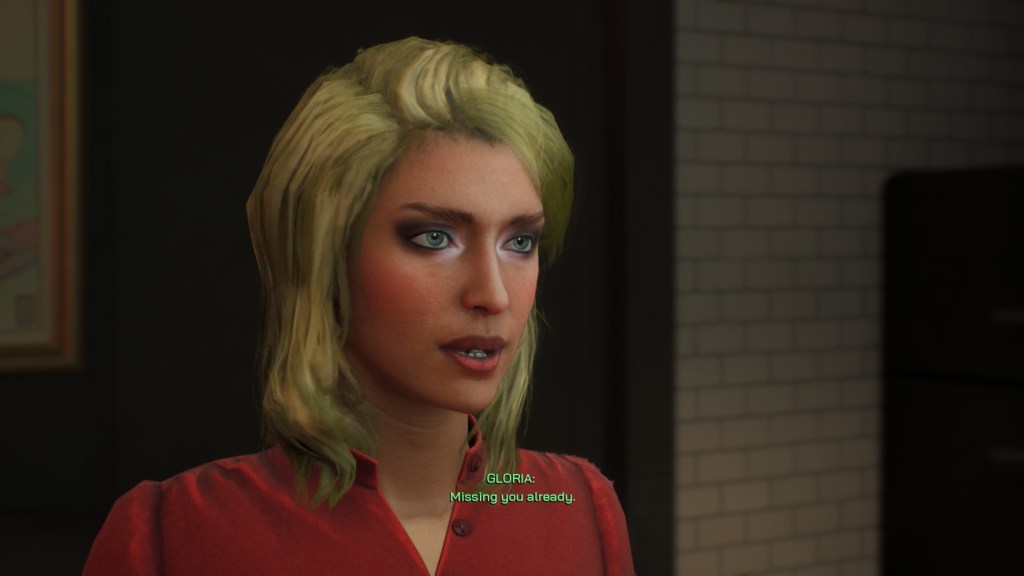
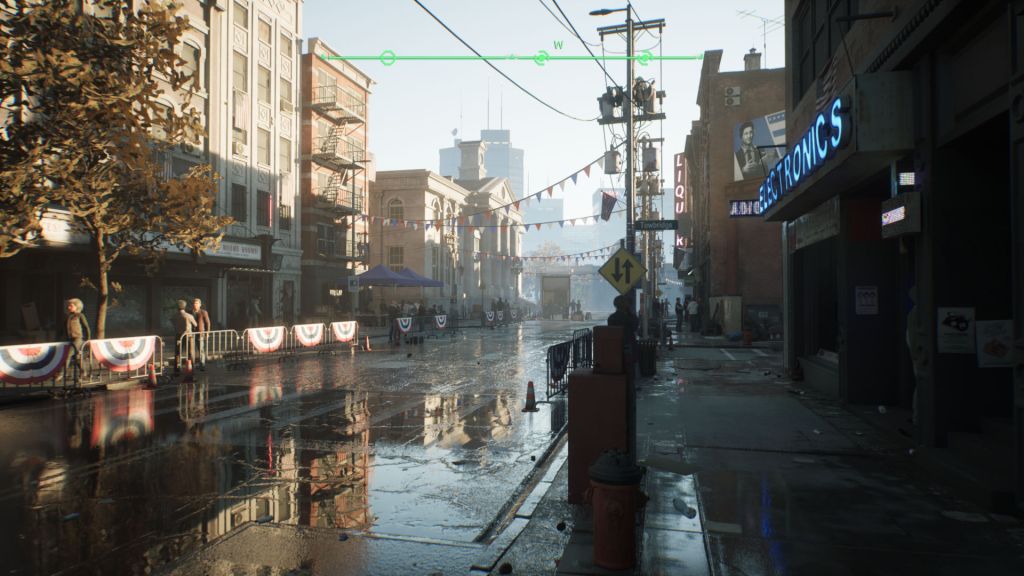
Once again, Unfinished Business does an incredible job using the environment design, audio, and soundtrack to recreate Paul Verhoeven’s vision of the future, but the voice work is inconsistent (including some of Peter Weller’s lines), many NPCs look dated, and the lip-syncing is terrible throughout. It also feels like Teyon rushed the ending again, relying on increasingly short and badly edited cutscenes.
There is world-building banter, environmental storytelling, and a handful of side missions that highlight how morally bankrupt and corrupt the OCP is, but the delivery feels disjointed as you shift between narrative-heavy sequences and the sensation of being locked into room after room full of enemies. There are a handful of recurring NPCs that they can die or offer slightly altered conversations based on your choices, but the lack of an evolving Detroit district or Metro West hub strips out one of the best elements of Rogue City. Despite a strong start, the story begins to feel like an afterthought that was hurriedly pieced together for the ending.
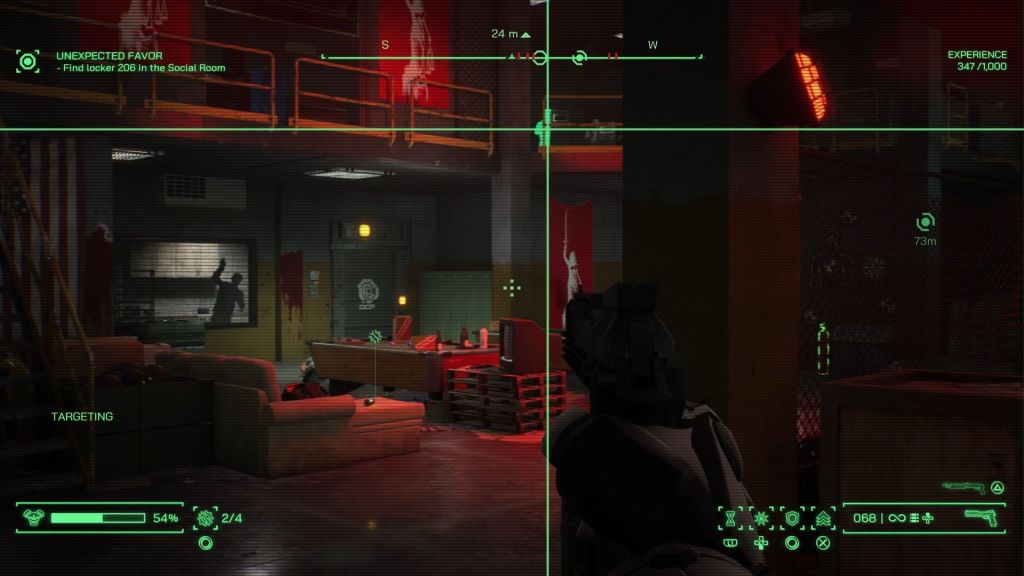
Putting the corridor back into corridor-shooter
As with Rogue City, it was easy enough to forgive the storytelling flaws given how much enthusiasm Teyon shows for the IP, but how much you enjoy the gameplay loop will depend on how much you enjoyed the gunfights. If you tackle everything on offer, aim for a high rank in each mission, and play on harder difficulties, Unfinished Business is maybe 10 hours long – a little over half the length of the base game at half the price.
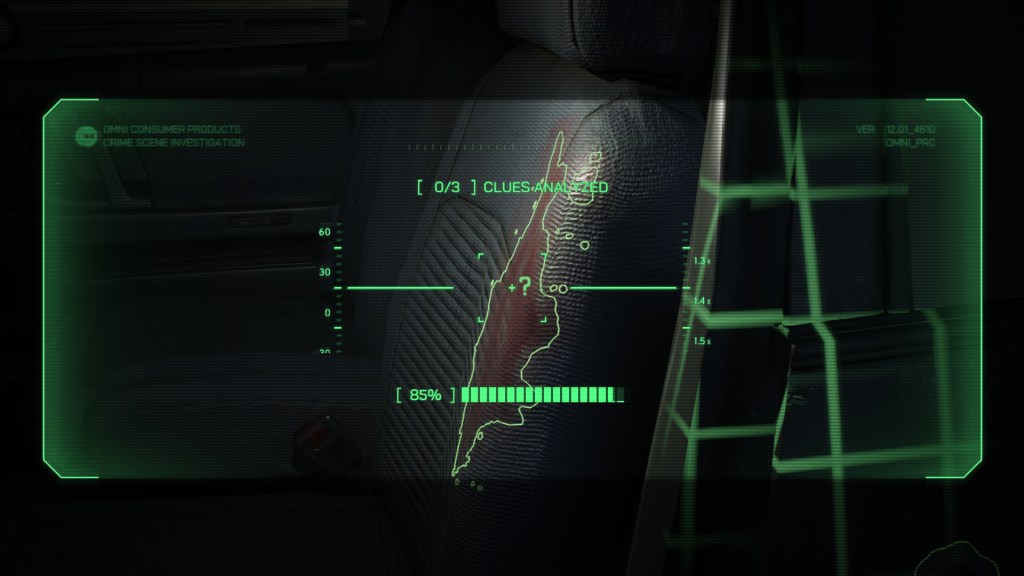
That sounds fair, but 80% of the gameplay is a succession of shooting galleries, with the role-playing elements like investigations, dialogue choices, and character build often inconsequential. Even the walk, talk, and investigate sequences – which includes two dull flashbacks from the perspective of other characters – are paired back in complexity. They felt like padding that added little to the overall narrative that couldn’t have been covered in a brief cutscene.
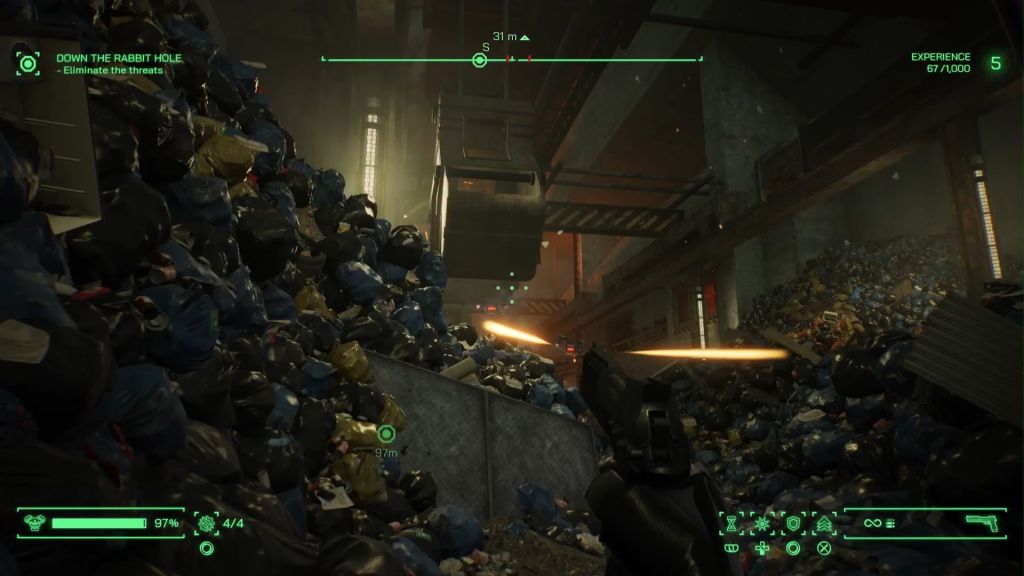
Part of the problem is that Unfinished Business is oppressively linear and, by virtue of the OmniTower setting, a literal corridor shooter with limited diversity and few memorable locations. You infrequently get the chance to pick one of two corridors; you can unlock a handful of shortcuts to briefly backtrack; and you encounter small hubs with simple sidequests that usually fall along the critical path. Even when you receive two or more objectives in different areas, you can’t progress until you’ve cleared them all, and the order in which you tackle them changes nothing.
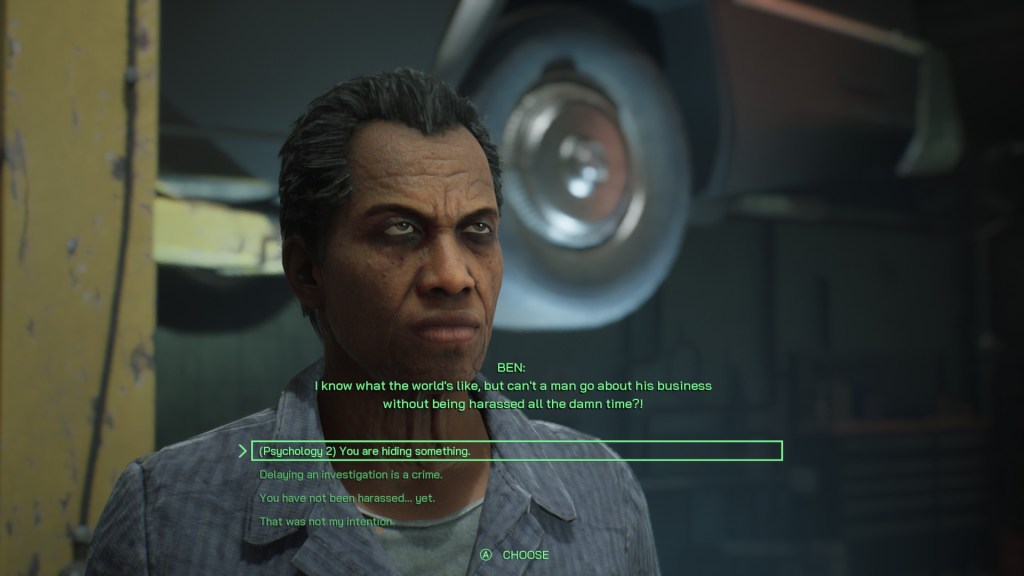
Robocop starts with the basic abilities of each skill tree unlocked this time, but character progression only affects the combat difficulty and never offers an alternate path or quest outcome. The same holds true for the dialogue choices and there are no ending variations. Now Rogue City’s narrative was never as divergent as it seemed, but you could shape Murphy’s personality. Unfinished Business feels too linear and too rigid in comparison.
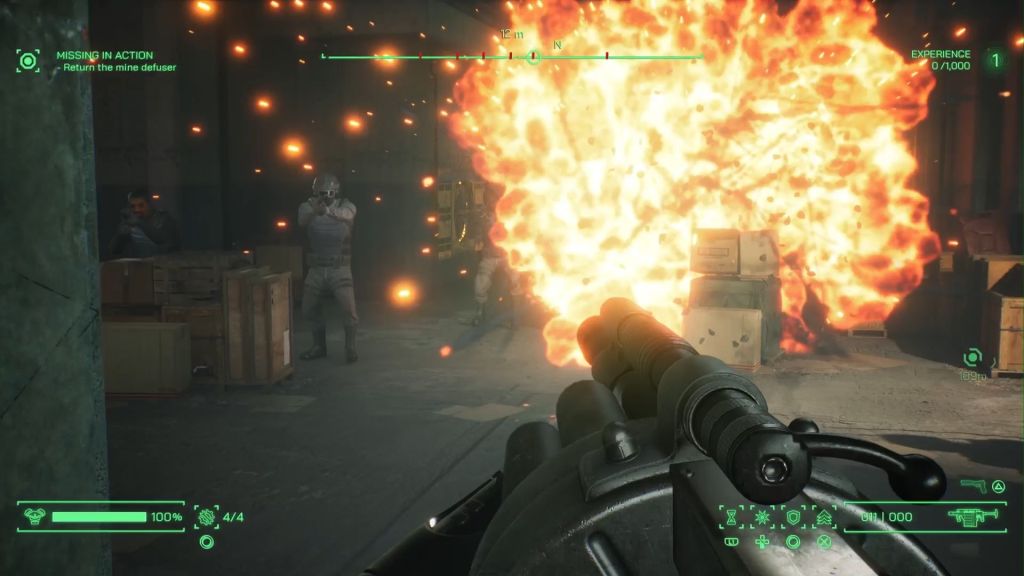
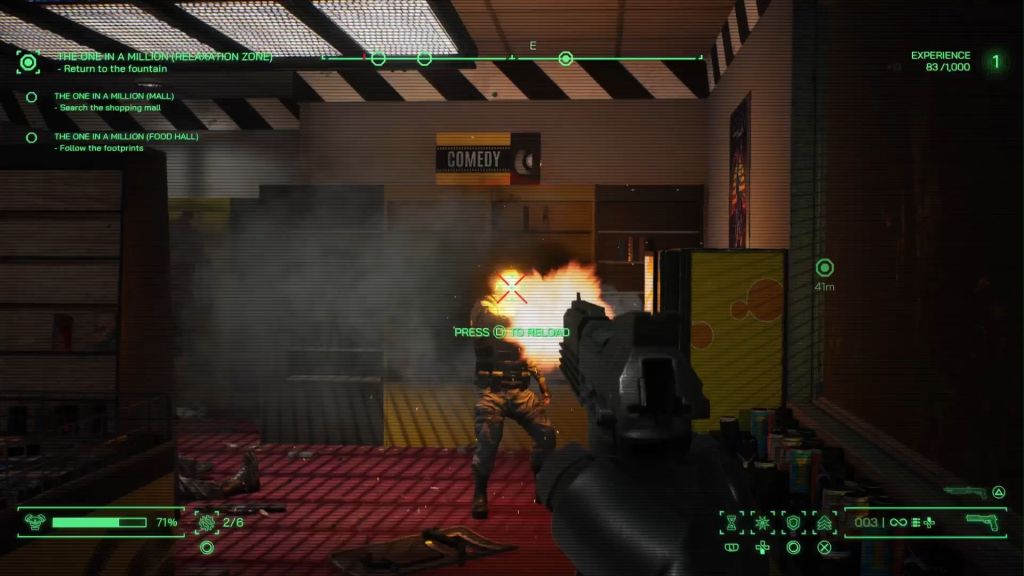
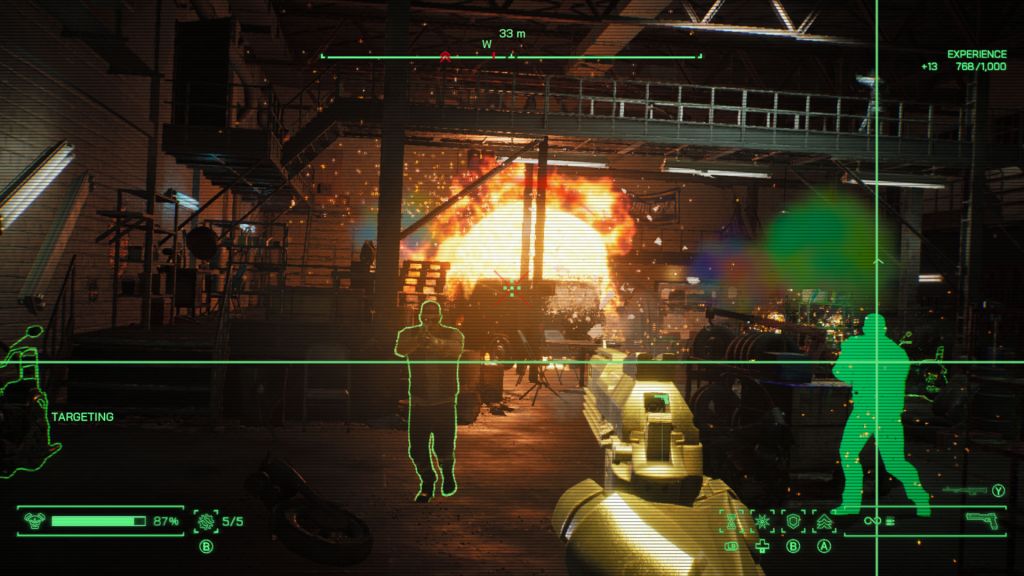
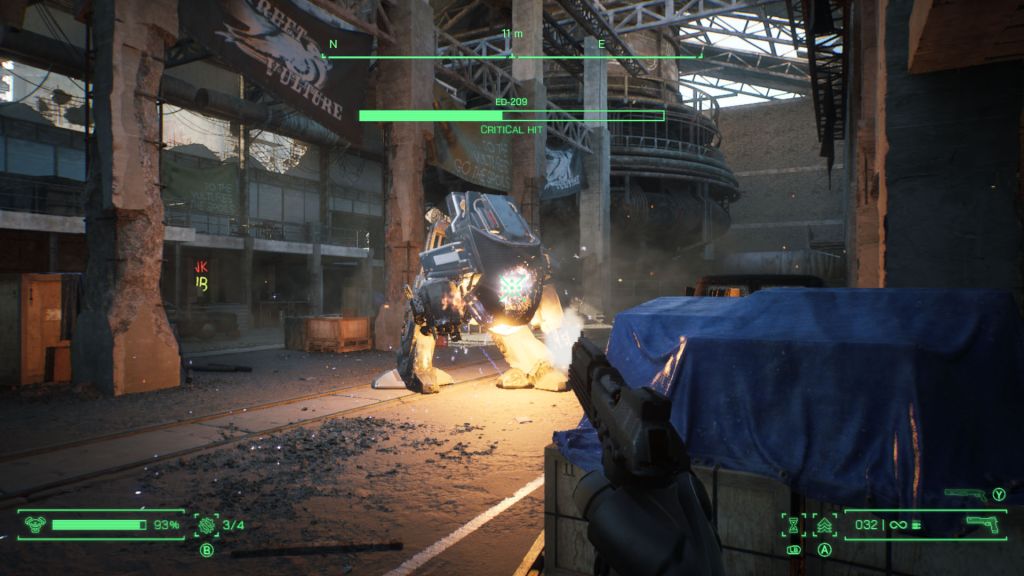
On the upside, the gunplay still feels immensely satisfying and treats Robocop like a walking tank. He shrugs off small calibre fire while picking out priority targets among common gangs and armoured mercenary forces, while he wades through waves of drones and Otomo androids proving part-man is better than all-machine.
Aiming highlights enemies and hazards in a glorious, pixelated, retro-green; each pull of the trigger looks, sounds, and feels impactful; and there is plenty of exaggerated gore and meaty sound effects befitting the source material. Secondary weapons still feel redundant or too situational – including the new Cryo Cannon – when you have Robocop’s iconic Auto-9 Pistol that can be upgraded to annihilate almost everything. During the final hour, after a brief stint controlling an ED-209, I simply walked forward with my finger on the trigger, watching hundreds of enemies’ crumple or explode as the iconic theme played in the background.
There will be trouble…
Before wrapping up, there are two technical issues that need addressing. You might think linearity would make checkpointing a non-issue, but the autosave system is frustrating for the wrong reasons. The tiny and short-lived icon is easy to miss, and I often spent 10-15 minutes shooting through waves of enemies, rescuing an NPC, and completing objectives, only to exit and continue my game later and find myself back the beginning of the combat sequence. The other issue is that the Cryo Cannon – visually spectacular as it might be – tanks the framerate on even the premium consoles, to the point it affects input responsiveness.
Those technical gripes aside, I ultimately enjoyed my time with Robocop: Rogue City – Unfinished Business despite flaws it shares with its predecessor. If more Robocop power-fantasy is what you’re after, Unfinished Business delivers with its satisfying gunplay and creative combat scenarios that spice up an otherwise repetitive gauntlet. On the other hand, if you enjoyed Rogue City’s downtime on the streets of Detroit or in the Metro West precinct, defining Murphy’s personality and relationships, Unfinished Business might struggle to hold your attention during long sessions spent plodding through corridors and shooting things.
Pros:
- The expansion once again captures the look, sound, and tone of Robocop’s dystopian future
- The shooting is still immensely satisfying and lets you feel over-powered
- The soundtrack is still incredible and elevates every scenario
Cons:
- The narrative quality and pacing are inconsistent
- Non-combat gameplay mechanics have been paired back
- Your dialogue choices and character build mean little
Score: 7/10
This review was originally published on Nexushub.
Robocop: Rogue City – Unfinished Business was reviewed on PS5 using a code provided by the publisher. It is also available on PC and Xbox Series S|X.


 gameblur-v2.0