Tag: PS5

  • Review: Syberia – Remastered (Xbox Series)

    Review: Syberia – Remastered (Xbox Series)

    Syberia first released in 2002 as a point-and-click adventure with relatively unremarkable mechanics for the time. It was, however, elevated by Belgian comic artist Benoit Sokal’s striking designs, an evocative soundtrack, and a narrative that blended the relatable with the surreal. It was easy to play through the remaster for the story – the third time now if I count the awkward console ports of the PC original – and I’d argue Syberia – Remastered is now the most accessible way to play this uneven cult-classic. The updated visuals are beautiful yet faithful, the UI is cleaner, and a few puzzles have even been expanded or tweaked. That, old flaws remain and a few new bugs can frustrate.

    I think what I love most about Syberia is how it balances a growing sense of wonder with unease. You play as Kate Walker, a New York lawyer who looks and sounds like part of our world, but her journey eastward, from the French Alps towards Russian Siberia, feels increasingly detached from reality. Kate arrives in Valadilène to conclude the sale of the Voralberg family automaton business to an American company, only to find the owner has recently passed away and her short business trip is about to get complicated.

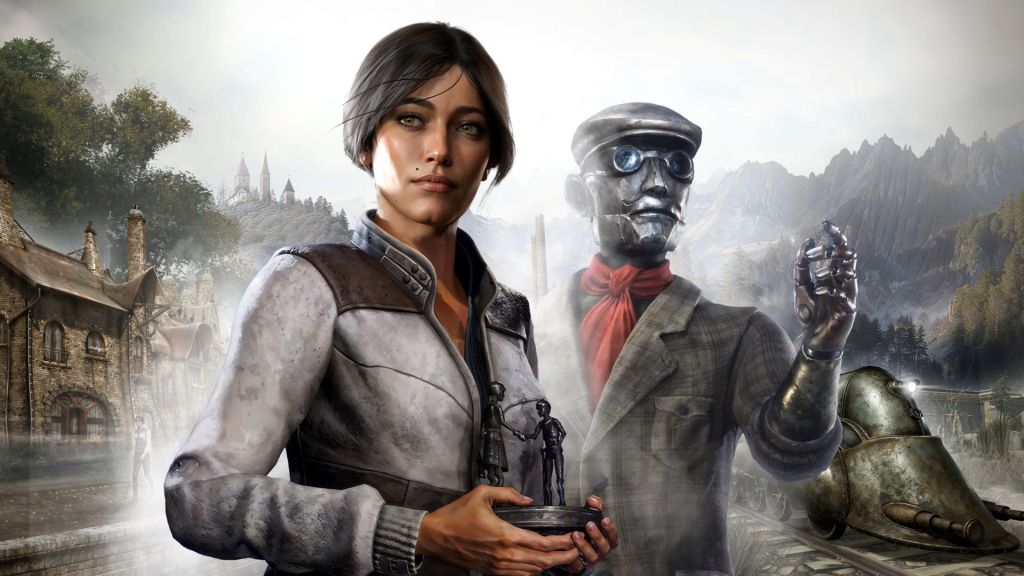
    After learning of another heir, the reclusive Hans Voralburg who was long presumed dead, Kate kicks off a journey that will take her further and further away from her current life – her friends, her family, and everything she thought was important. She ends up travelling on a clockwork train, in the company of the weird but likeable automaton Oscar, following in the footsteps of Hans Voralberg decades later. She delves into the Voralburg’s tragic family history, explores seemingly forgotten corners of the world, and encounters an odd cast of those left behind with unfulfilled dreams.
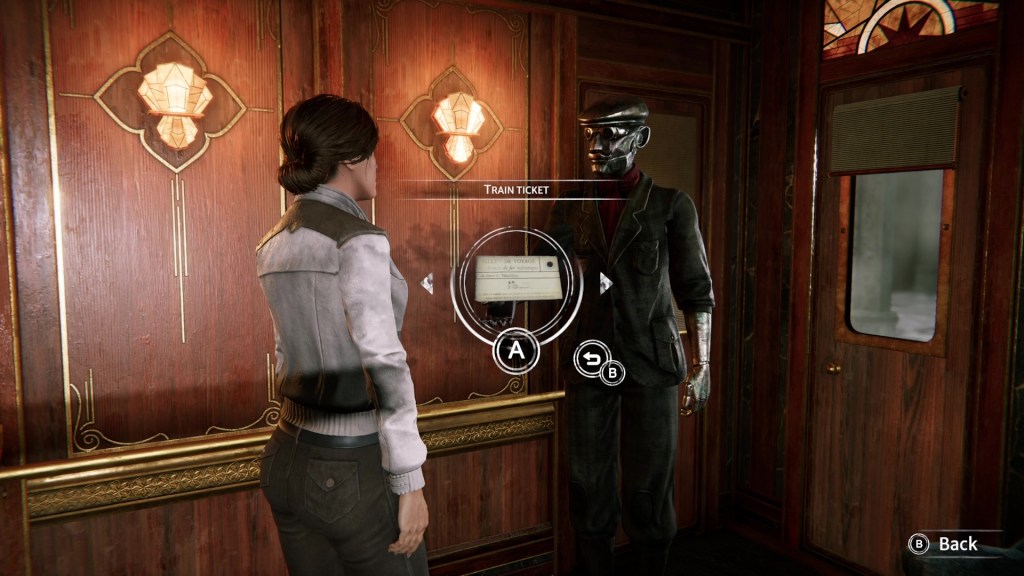
    It makes for a compelling but weirdly paced narrative that sometimes unfolds with no particular sense of direction (other than geographically). As someone who dislikes modern games with bloated runtimes that kill pacing, you’d think it would annoy me. However, given you can see the end of Syberia – Remastered in just 6-7 hours – puzzle-solving skills permitting – it feels more like deliberate and confident pacing. Kate’s journey is literally about going off the rails while on the rails, full of discoveries and revelations, about both her curious client and herself. It’s not always well written, the voice acting is variable, and it features some dated stereotypes, but it had emotional hits that many modern cinematic AAA games fail to generate.

    Gameplaywise, Syberia – Remastered has the same mechanical weaknesses as the original game – even with an updated journal and a handful of expanded puzzles to flesh out some locations. Unlike so many of its peers, Syberia was never about dense environments, pixel-hunting for interaction spots, or use-everything-on-everything experimentation. Instead, you explore large and beautiful zones, exhaust dialogue trees for plot triggers, find a handful key items, and tackle maybe two or three puzzles in each area. It feels more streamlined and logical than most point-and-click games from that era – but the size of the environments can make backtracking tedious.
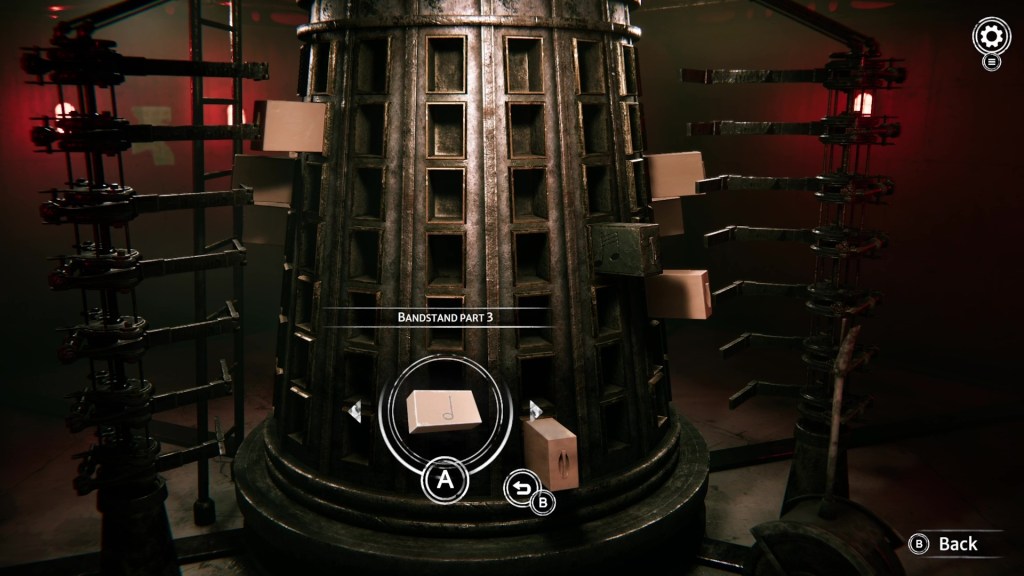
    On the upside, Kate’s initial visit to each location feels suitably wondrous and surreal. She explores a declining alpine town with clockwork buildings and specialised automatons serving the ageing population. She travels to a quirky German university located alongside what look like a giant remnant of the Berlin wall, meeting the bizarre faculty members, exploring an incredible aviary, and learning about Hans’ fascination with Siberian Mammoths. She explores an abandoned Russian industrial city run by a deranged mayor; she visits a cosmodrome to help a drunken cosmonaut get airborne; and she finally help an ageing opera singer feel alive again – if only for a while.

    Every step of the journey feels more surreal than the last and Kate’s fiancé, boss, friend, and mother – most of them self-interested and living shallow lives – frequently call and struggle to make sense of Kate’s trajectory from corporate ladder-climber to headstrong explorer willing to push ever further into the unknown. Again, Syberia is no masterpiece of videogame writing (and this remaster has some dubious subtitles and transcriptions), but it nails the atmosphere and Kate’s voice actor – Sharon Mann for the English dub – did an incredible job of capturing her emotions.
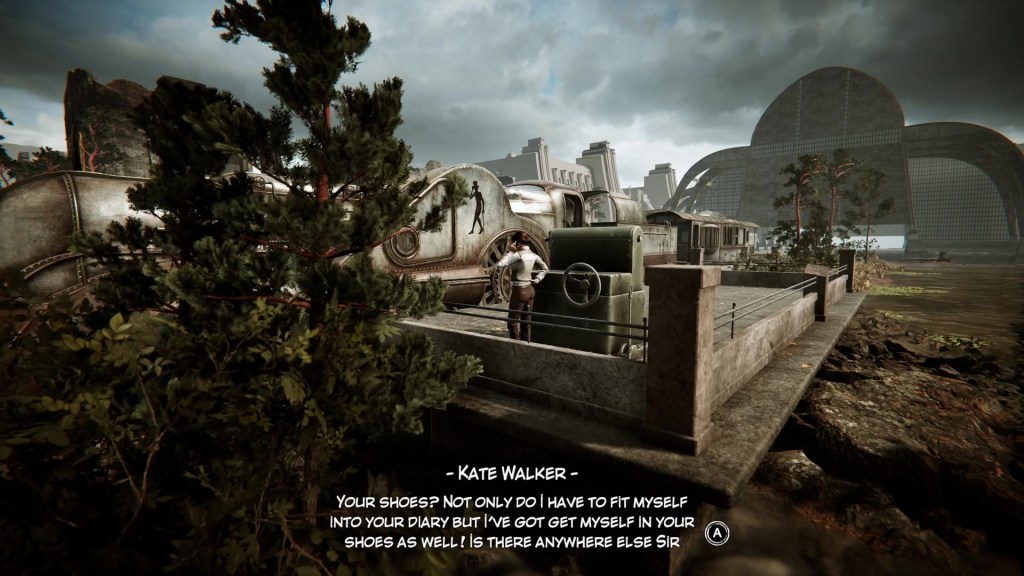
    Of course, most cult classics like Syberia benefit from a mix of hyperbolic praise from fans and the resultant hype for this release. As one of those fans, and a fan of classic point-and-click adventures in general, Syberia – Remastered is a worthy effort at preserving a classic game and making it more accessible on multiple platforms. It stays faithful to the source material despite looking more modern, the expanded puzzles add a minor twist for returning players, and the new journal might prove essential for new player – but I still feel the diverse cast and timeless narrative are the main attraction.

    Pros:

    • Experiencing Kate’s journey of self-discovery through a wondrous but surreal world
    • Beautiful, faithfully remade environments better fit the evocative soundtrack
    • Most puzzles are logical and streamlined
    • The expanded journal system makes the tougher puzzle less of a roadblock

    Cons:

    • Backtracking through larger environments can get tedious
    • Rare movement bugs required restarting the game
    • Subtitles and document transcriptions need work

    Score: 8/10

    Syberia – Remastered was reviewed on Xbox Series S|X using a code provided by the publisher. It is also available on PC and PS5/Pro.
  • Editorial: Yooka-Re-Playlee is solid remastering effort that can’t mask old flaws.

    Editorial: Yooka-Re-Playlee is solid remastering effort that can’t mask old flaws.

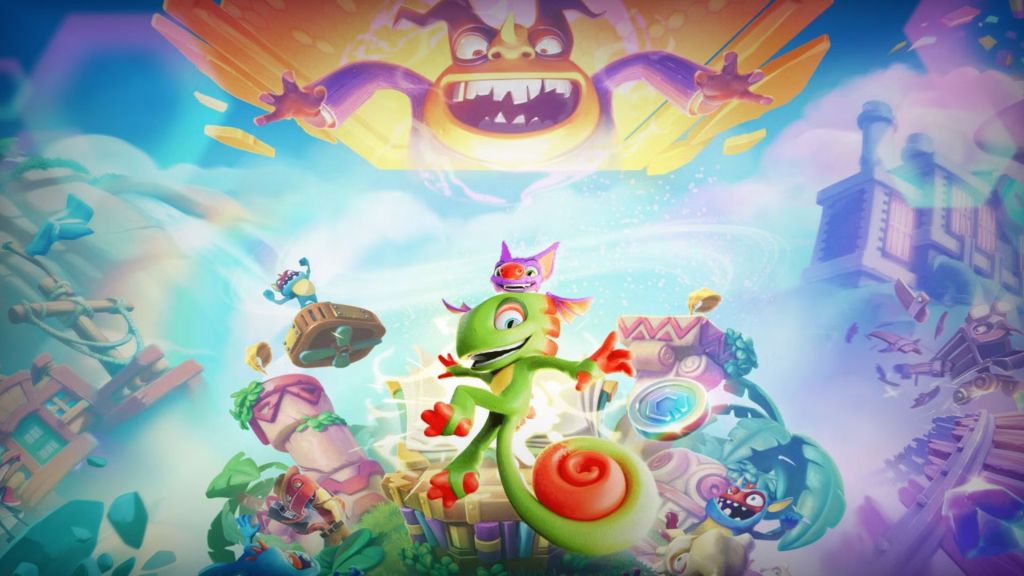
    It has been a while since I’ve seen a remaster with a title quite as awful as Yooka-Re-Playlee, but it feels appropriate for a game that was developed as a shameless nostalgia-driven mash-up of classic 3D platformers. This remastered edition offers a spruced up and definitive version of the 2017 original; a genre I’ve found myself returning to more often in a post-Astro Bot world.

    The biggest problem with Yooka-Laylee however, in both its original and remastered form, is that making fun of classic designs without ever subverting them can only take you so far. That is not to say Yooka-Re-Playlee is a bad game – it simply struggles to stand out in a crowded genre. An even bigger problem when so many of classics that inspired it are still accessible through remasters, backwards-compatibility, or emulation.

    With a handful of quality-of-life additions and an admittedly impressive visual overhaul, Yooka-Re-Playlee offers up a competent but predictable 3D platformer. It intersperses brief storytelling scenes – which are still unvoiced – with extensive collectible hunts within small but dense game worlds.

    In classic fashion, once you collect enough MacGuffins (PAGIES!), you unlock another game world to explore from within an evolving hub (and you might receive a snippet of storytelling for your efforts). You repeat the process through five worlds before tackling an end boss to roll the credits. It is a formula that goes back to Super Mario 64 and can offer methodical fun if the pacing is good.

    At first, Yooka-Re-Playlee nails the pacing by ensuring the hub and each world you explore feel visually distinct and are packed with diverse platforming challenges and dozens of mini-games. The variety is essential as despite the remaster granting you the full move-set from the start, the combat is mostly one-note and rarely asks more of you than spamming a spin-attack and jumping to avoid damage.

    You have classic 3D platforming that can shift into 2D-gauntlets or isometric sections that will test your depth perception and timing. Bosses are all about pattern recognition and skilful movement as you bide your time until they’re vulnerable to damage. With an updated camera and controls, the basics feel slick, responsive, and satisfying if you’re after a traditional experience.

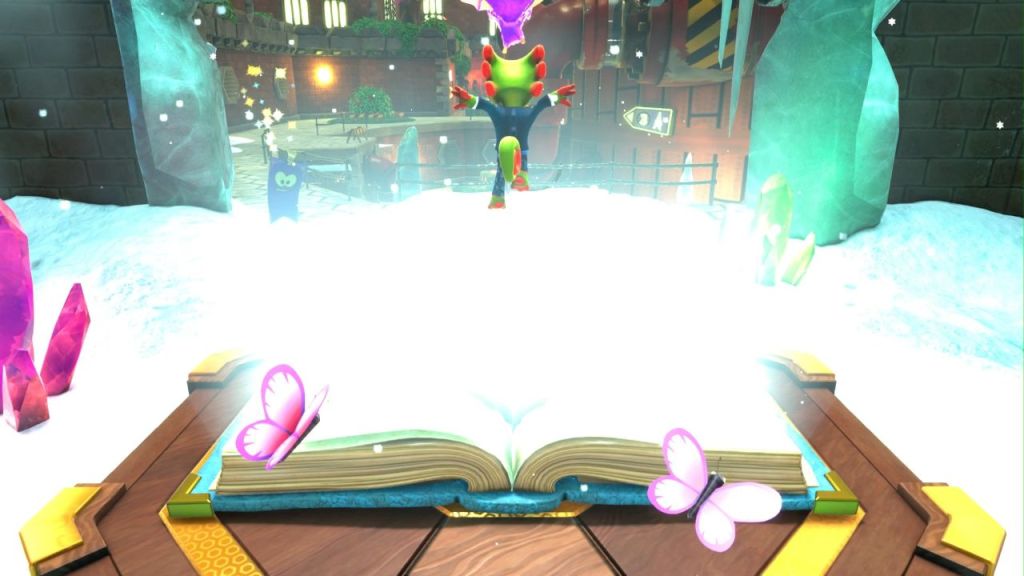
    The problem is that progression boils down to collecting “pagies” (PAGIES!) that are scattered from a magical book during the introduction. Rather than just a handful of essential pagies (PAGIES!) to find in each world, the developers have included hundreds of them. Far more than you need to reach the final boss and sometimes split into fragments or alternate forms for good measure.

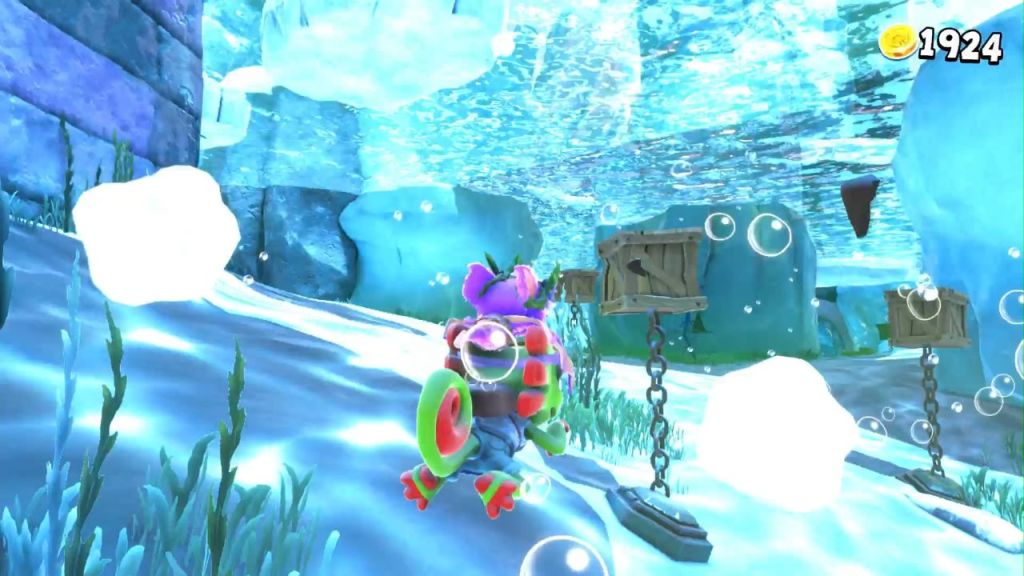
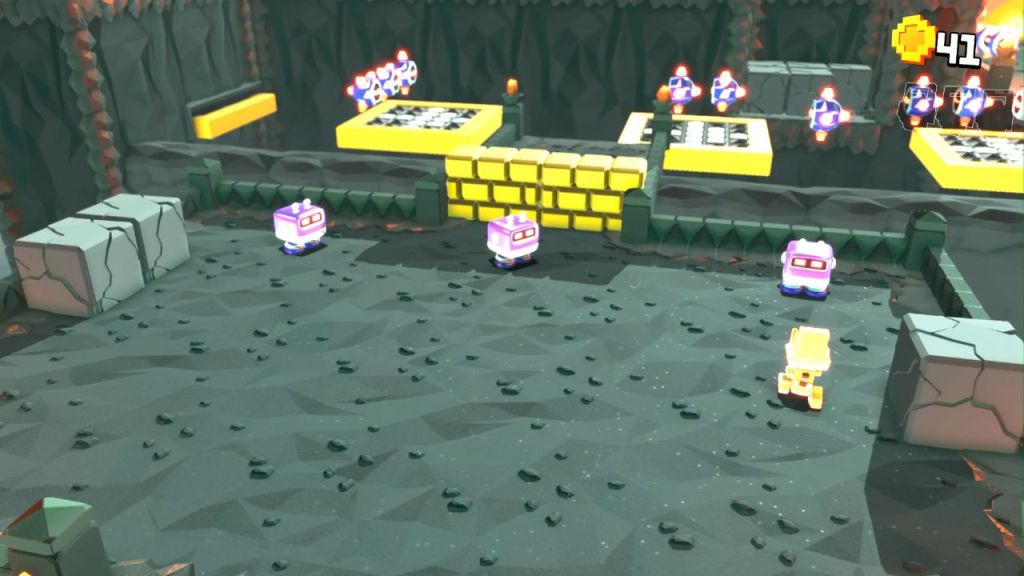
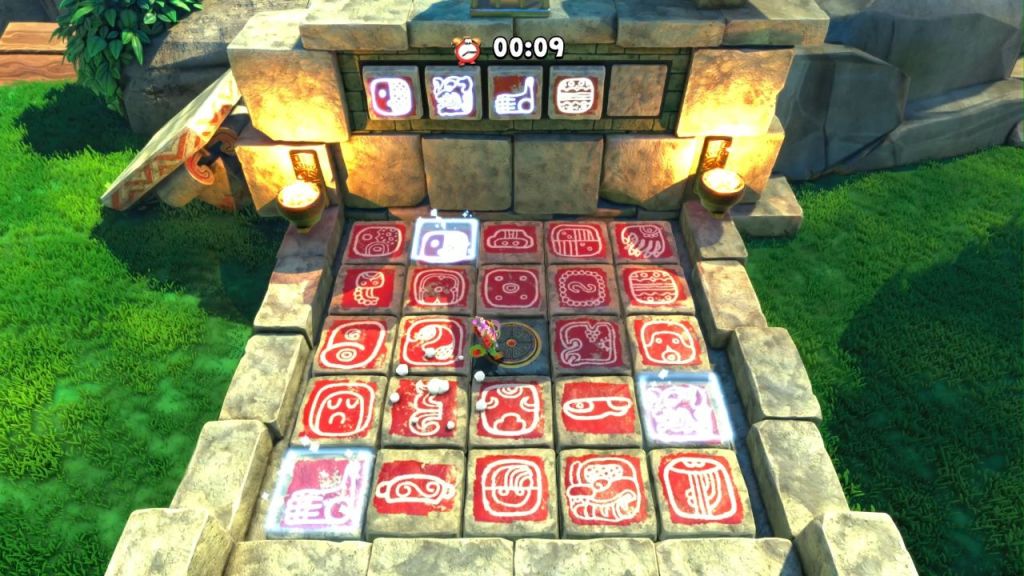
    Starting with the good, they clearly realised variety would be essential between the platforming challenges, so there are dozens of mini-game variants. There are time-trials and races – on foot, underwater, or in the air; puzzles based on elements, patterns, and symbol-recognition; minecart rides; arena battles; target practice; a transformation gimmick in each world with associated mini-games; and even an entire series of arcade games you can tackle within the game.

    That is not even an exhaustive list though it is worth noting many of these challenges have been tweaked for the remaster to ensure they control better.

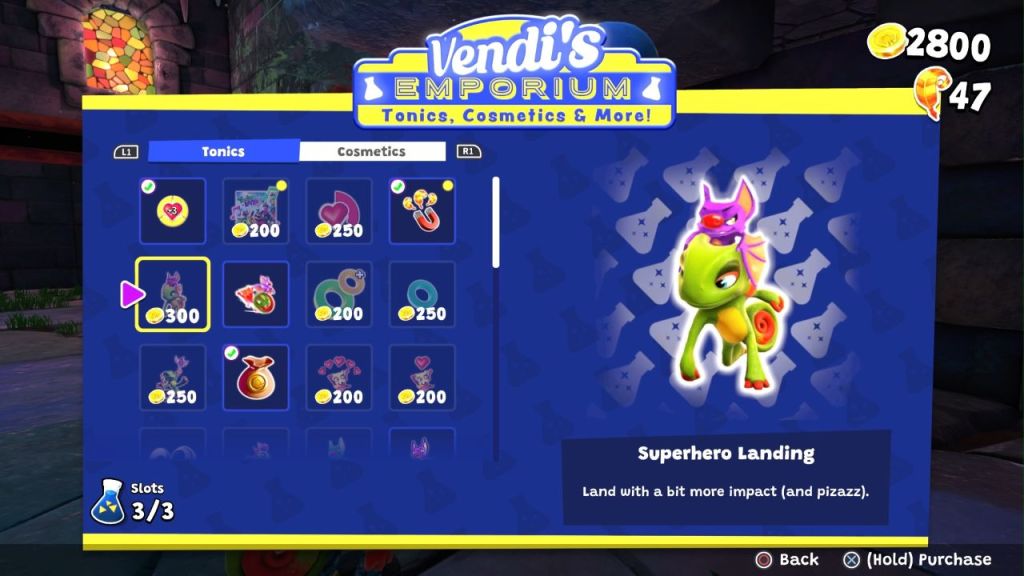
    In addition to the endless stream of pagies they provide – as often as every 30 seconds if you’re on a roll – you have two currencies: one for passive upgrades and another for cosmetics and tonics. The tonics are the most worthwhile addition, as you can equip them to make the game easier, harder, or just weirder. It all sounds great but there are problems.

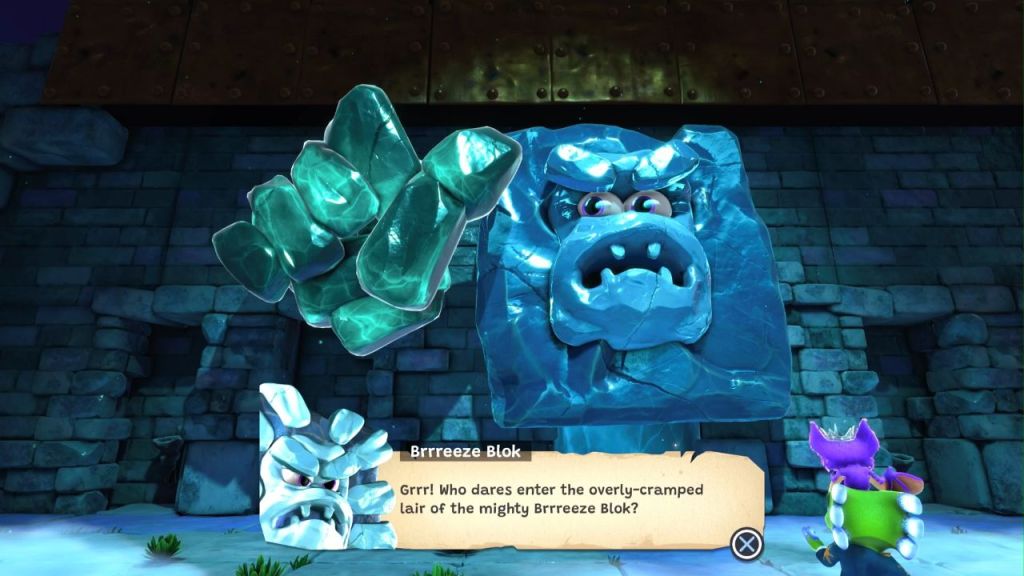
    I’ll start with the plot, which is threadbare, and the characters that are an acquired taste. Yooka the chameleon and Laylee the bat form a great duo where gameplay is concerned, but their clashing personalities feel forced in dialogue. The video game-centric jokes and “quirky” NPCs (with some official cameos) are neither funny nor particularly smart, outside of a handful of interactions that made me chuckle. The lack of voice work is a big issue as button-mashing throughs lines of text mean there is no control over the delivery or timing of lines.

    The bigger problem is that each new world you unlock shares the same assortment of mini-games. That diversity is great during the opening hour or two, but even with changes to streamline the experience, you’ll be going through the same motions for another 6-7 hours. Despite plenty of quips about video game tropes and greedy corporations, Yooka-Re-Playlee never plays off those observations in a meaningful way.

    It’s a game that wears its N64-era inspirations on its sleeves – with shared mechanics and in-game references to Super Mario 64, Donkey Kong, and, of course, the buddy-duo Banjo-Kazooie – coupled with plenty of modern cameos or references. If you’re a fan of those classics, or even if you’ve played any other recent 3D platformers (indie or AAA), little will surprise you.

    All that said, the new tonic upgrades and low level of challenge could make Yooka-Re-Playlee a decent introduction to the 3D platformer genre for new or younger players. The improved visuals, camera, and controls are significant updates, while features like the unlocked move-set, detailed map, and fast-travel points make the endless hunt for Pagies (PAGIES!) more bearable. However, it’s harder to recommend Yooka-Re-Playlee to all but the most die-hard 3D platformer fans when better options are available.

    This article originally appeared on nexushub.

    Yooka-Re -Playlee was reviewed on PS5 using a code provided by the publisher. It is also available on PC, Xbox Series S|X, and Nintendo Switch 1/2.