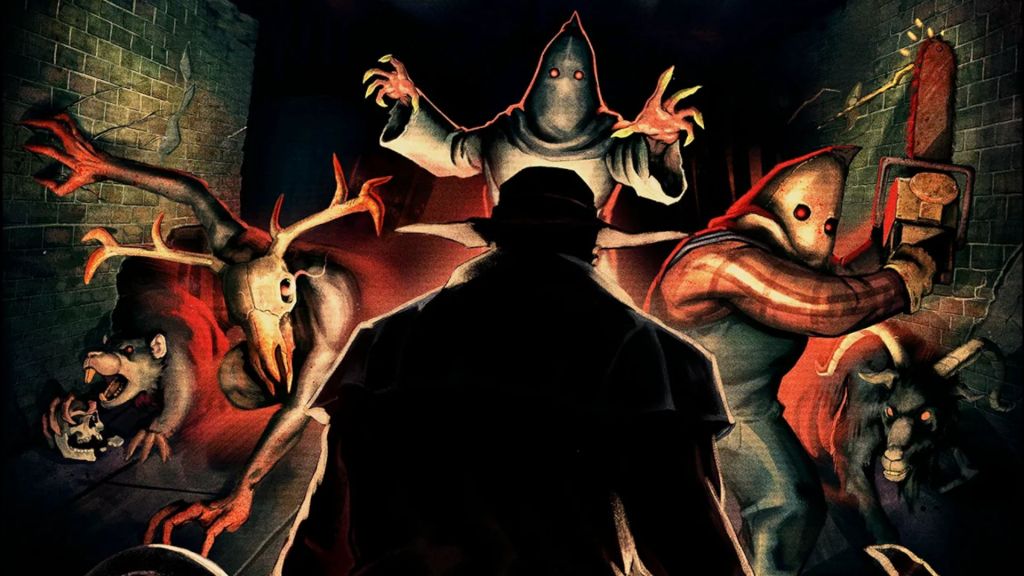
Tag: Preview

  • Dungeons of Dusk (PC) Preview – Old-school charm that needs to break free from some dated designs.

    Dungeons of Dusk (PC) Preview – Old-school charm that needs to break free from some dated designs.

    After two hours with Dungeons of Dusk, my immediate thoughts were, a) the combat loop is fantastic, and b) who shows off a new game with a sewer level? A three-part opening slog through sewers that felt like endless green-brown walls with dripping sounds and sparse ambient music. As first impressions go, I’d have picked another location or created a vertical slice of three different map themes but despite my misgivings, there is clearly potential on the gameplay front if developers 68k Studios would take some inspiration from more recent dungeon crawlers.
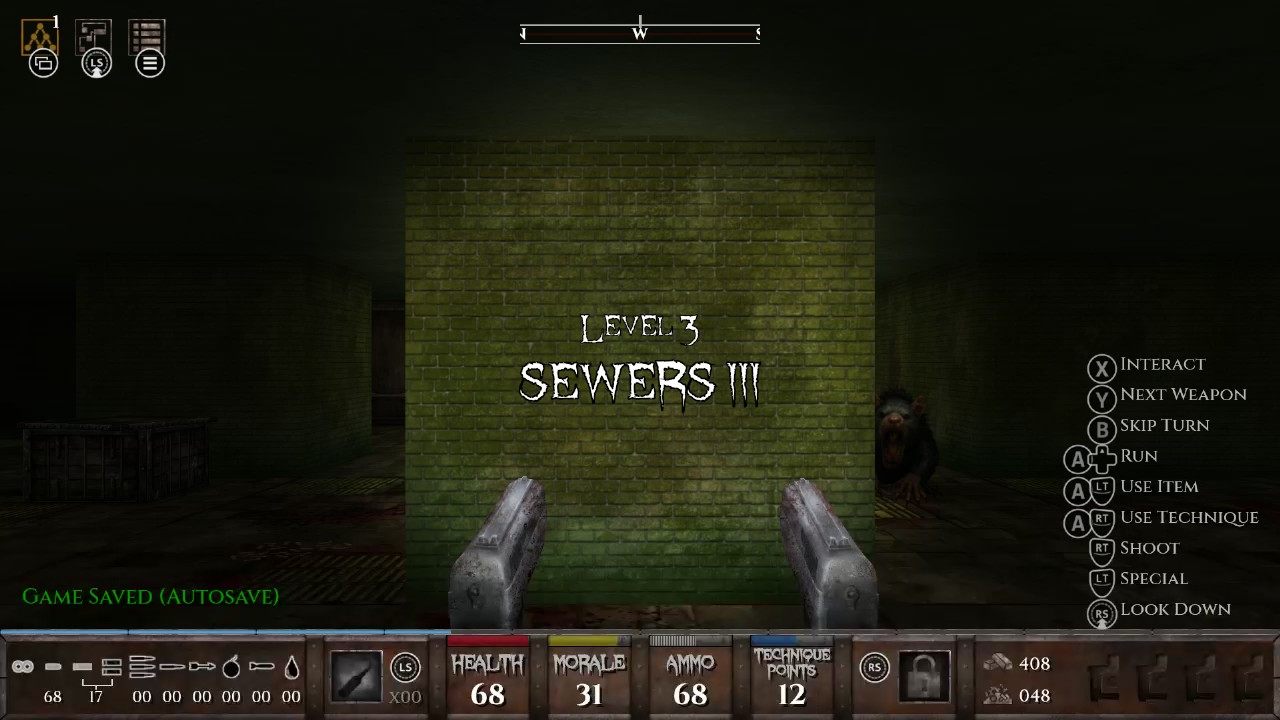
    For context, I never grew up playing ‘90s first-person dungeons crawlers like Eye of the Beholder, Lands of Lore, or Stone Keep. It was only later that I encountered games inspired by them – notably the Legend of Grimrock and Vaporum games – and began working backwards through my GOG library. Dungeons of Dusk, as much as I appreciate its adherence to some classic designs, should not be afraid to modernise elements to improve gameplay variety and pacing.

    Starting with the good, I enjoyed the hybrid turn-based combat. As an unashamed fan of grid-dancing combat, Dungeons of Dusks does an excellent job of turning that mechanic into a more thoughtful and deliberate experience. Your character moves exactly as you’d expect from the genre: forwards, backwards, or sidestepping, while you can swing your view around in 90° increments and look down at the floor. It is deliberately anachronistic but, like classic tank controls, I love it when a game is smartly designed around those limitations.
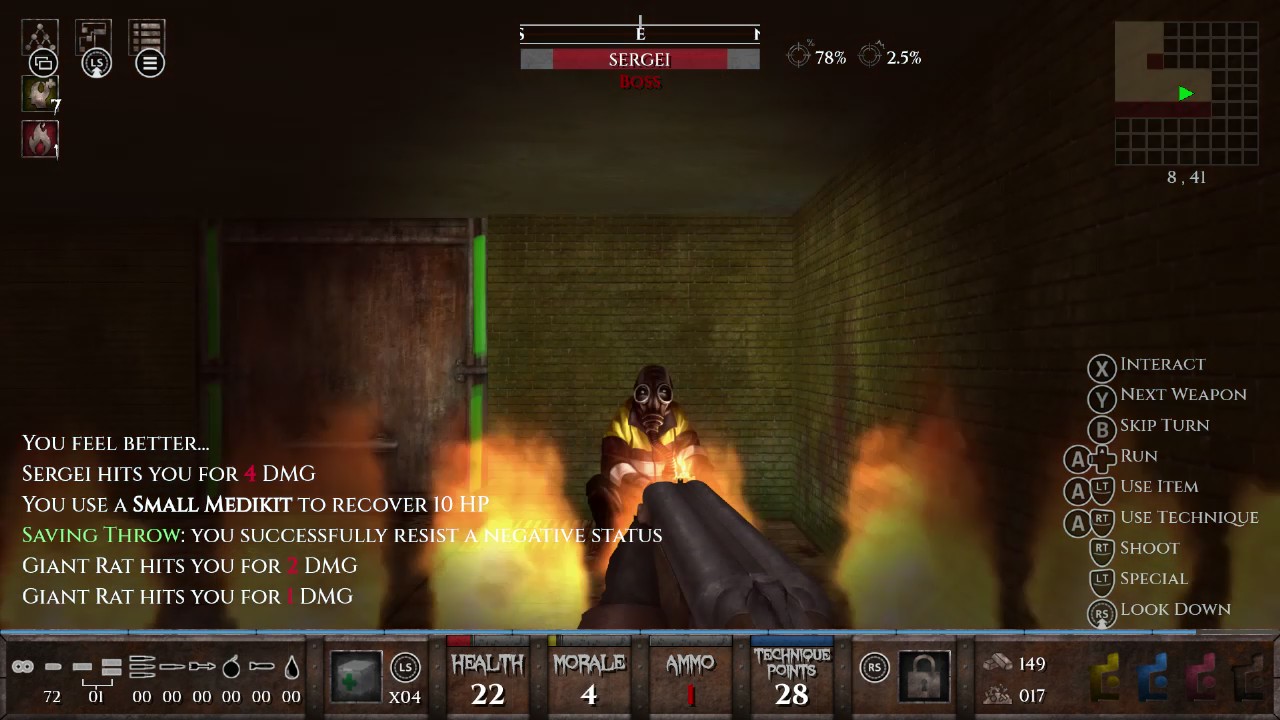
    Once combat is triggered, every grid-movement or attack you make counts as a turn. Move a grid, attack, or use a consumable, and every engaged enemy will do so too. With a mix of melee and ranged weapons, melee and ranged enemy variants, and all movement or attacks restricted to the grid layout, it becomes a game of Dusk-themed chess. You’ve got to be aware of your immediate space; effective weapon and special attack ranges; status effects; consumable area-of-effect patterns; and potential hazards to avoid or exploit. No matter how visually messy combat becomes, you can always stop, swing your view around to assess the situation, and plan your next move.

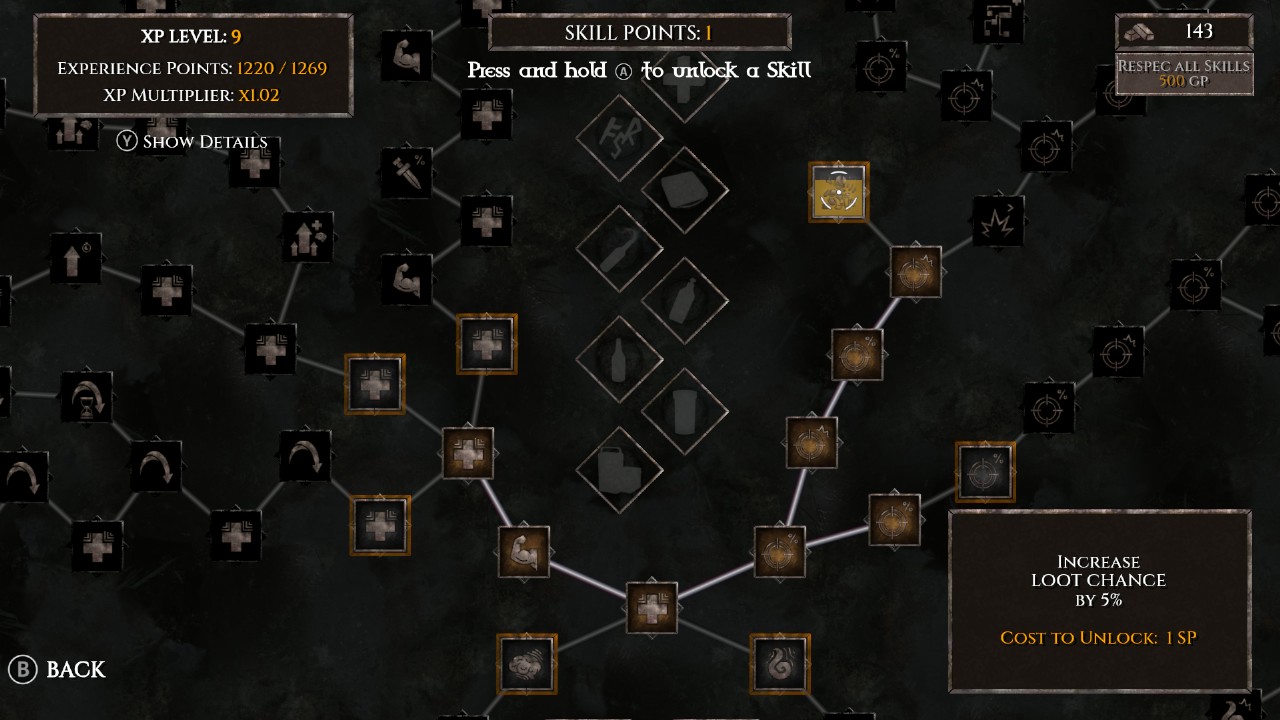
    Simple but intuitive RPG-like mechanics service the combat. These include a currency for merchants, a weapon upgrade system that uses collected scrap, and a sprawling skill tree that offers incremental upgrades as you invest points after each level-up (which also incrementally boosts basic stats). Unfortunately, the rest of the experience feels comparably underdeveloped and is dragged down by a strict adherence to dated level design. Exploring every corner of a map was always a highlight in these games as you uncovered new gear and levelled the party, but it gets incredibly dull if all you have is the combat loop paired with monotonous visuals.
    Dungeons of Dusk has key- and switch-hunts, and it has a handful of secret wall panels or vents, but it lacks the density of many classic games. There’s little outside of the combat to break up long slogs back and forth through samey-looking corridors – all the more noticeable once you’ve cleared out an area. Legend of Grimrock and Vaporum offer more modern examples of how you can construct levels with more interesting and interconnected layouts, and they both demonstrate how you can turn them into secret-packed, multi-part puzzles that make exploration as exciting as the combat. I’ll be keeping my eyes on Dungeons of Dusk but I’m hoping it evolves into something more than just its combat loop.

    Dungeons of Dusk was played on PC (Steam Deck) using an early access demo code provided to gameblur by the publisher.

  • Impressions: PIGFACE Early Access (PC)

    Impressions: PIGFACE Early Access (PC)

    It took three of PIGFACE’s brisk missions before I finally realised what connection I was trying to dredge from my cluttered memory. PIGFACE may have the appearance of a retro-inspired FPS in the trailers, but it often felt like a slick first-person mod for the earliest Hitman games – think Hitman: Codename 47 (2000) or the sequel, Hitman 2: Silent Assassin (2002). It’s a compelling mix of exploring a sandbox-like maps for quest objectives and entertaining yourself by exploiting AI that are deadly at close-range but incredibly stupid overall.

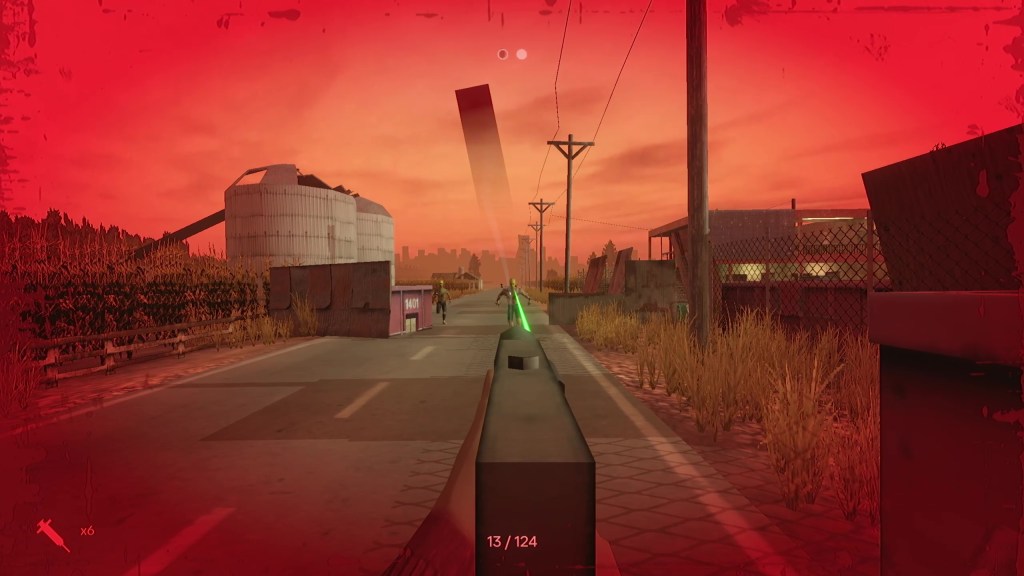
    PIGFACE functions as a first-person shooter – with gloriously retro aesthetics, chunky gore, and thumping combat music – but running-and-gunning only feels viable when replaying missions with new upgrades. Once you’ve bought body armour; weapon attachments; and amassed equippable masks hidden in each level, it’s easier to tear through levels sowing confusion and popping heads. On your first run, however, you’ll want to take it slow and steady to avoid quick deaths and mission restarts.

    In this early access build, a brief introduction and tutorial introduce the player to “Exit” – a hit-woman who runs afoul of a vigilante group known as “The Cleaners”. With a bomb embedded in her skull to ensure compliance, she’s sent after several gangs to dismantle illegal drug and weapons trades. It’s a classic setup but also one with a surprising amount of narrative in the form between-mission cutscenes or calls from her handler; a handler that sounds increasingly stressed and unhinged when caught between a merciless killer and his equally intimidating boss.

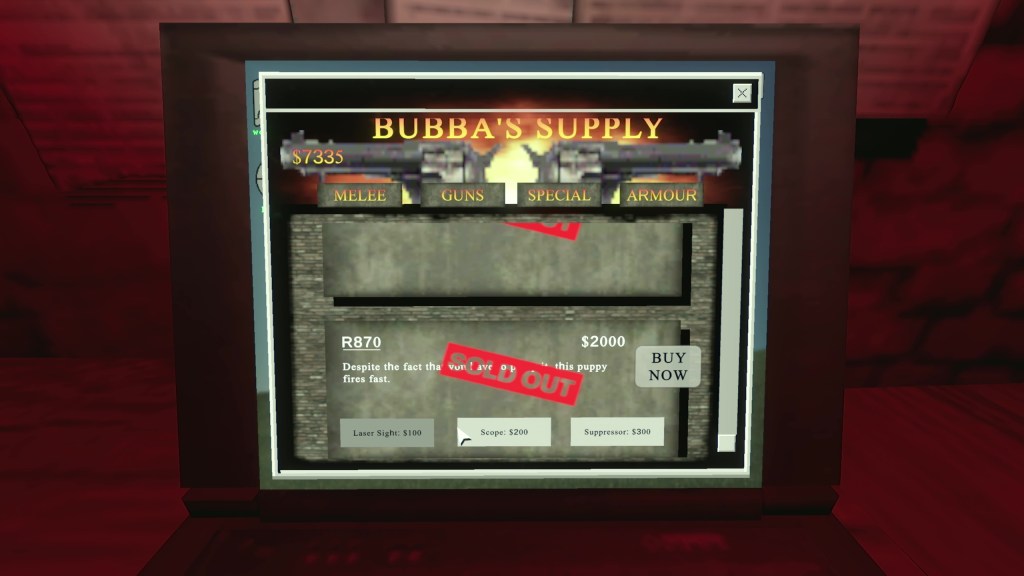
    It remains to be seen how important that overarching narrative becomes, but it provides light context for a gameplay loop that shifts between Exit’s safehouse where you can buy and upgrade gear, and missions in locations scattered across a map of the local area – think rundown farms, motels, and train stations. From a distinctly ‘90s-era online storefront, the money you earn from completing missions and gathering scrap can be spent on buying new weapons, attachments, consumables, and armour – expanding your options when selecting a loadout in the van you take to each mission.

    Armour and morphine shots help you survive more hits; optional masks – which offer a trade-off between perks and flaws – can synergise with your playstyle; but the most important attributes are weapon damage and their noise level. With no crosshair outside of scope and laser pointer attachments, running firefights that draw hordes of goons towards you are unwise. Instead, methodically clearing locations by sneaking in close and swiftly dispatching small groups is optimal. Gunfire may draw everyone in an area, but it still feels satisfyingly “gamey” with an unrealistically short range.

    Once you unlock silencers for every weapon (even if it makes little sense), you can start messing around with the AI in some fun but often immersion-breaking ways. You can snipe at distinct enemies to send them panicking and firing back at you – but their allies will often stand around and do nothing if you’re out of their noise detection range. You can storm a motel floor with a silenced shotgun, blast everyone in sight, only to slip back outside to prey on unaware patrols. Enemies can still kill you quickly if you find yourself surrounded, but once you build up a decent arsenal and accessories, your recklessness is more likely to get you killed than the enemy AI.

    As of this early access build (v0.24), it’s worth reiterating that PIGFACE is no boomer shooter with a focus on hand-crafted levels and enemy placement; it’s all about finding your own fun in janky sandbox environments reminiscent of the early Hitman games. If you enjoy the idea of brisk sandbox missions, replaying them with new gear or different approach, and just messing around with the AI for fun, PIGFACE is one to keep on your radar or in your wishlist.

    PIGFACE was previewed on PC using a code provided to gameblur by the publisher.
  • Preview: Starship Troopers: Extermination offers cooperative chaos that could do with a little more order (v1.4)

    Preview: Starship Troopers: Extermination offers cooperative chaos that could do with a little more order (v1.4)

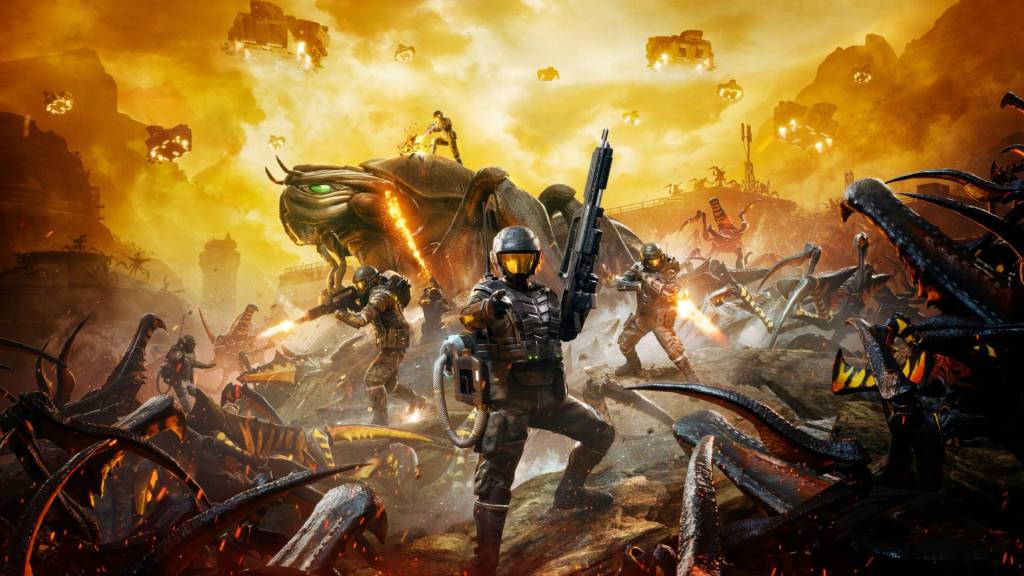
    The ongoing success of Helldivers 2 makes it easy to forget Offworld’s Starship Troopers: Extermination launched into PC early access in May 2023 seven months before it and finally arrived on consoles with the v1.0 release in October 2024, nine months late. The post-launch roadmap still promises updates – including a much-needed overhaul of the “Galactic Front” campaign structure – and the small but consistent player base has fluctuated back and forth between positive and negative sentiment.

    Returning to it on console, two years after covering that early access build, it still offers chaotic cooperative fun with brisk progression mechanics and authentic Starship Troopers aesthetics. However, those looking for a daily fix will find the lack of variety becomes an issue after just a handful of missions.

    With a cooperative PvE shooter core, Starship Troopers: Extermination has always benefited from simplicity. You can (and should) drop straight into the so-called “Main Missions” and learn as you go – especially as the base building tutorial and bland “Solo” missions are not even remotely indicative of its potential.

    It’s a class-based FPS with armoured Guardians and Demolishers to hold the line, mobile Rangers and Snipers to mark and prioritise targets, and Engineers and Medics to provide support for structures and infantry. You run and gun between objective points, toss grenades and lay mines, and activate class-based abilities on a cooldown to try turn the tide. There are few surprises where the shooting is concerned, but shredding a bug in a shower of gore looks and feels good.

    Starship Troopers: Extermination’s strengths and weaknesses are both tied to the evolving mission structure and base-building elements. Missions follow a similar flow: you’re dropped into the battlefield, you capture control points on the route towards a major objective, you defend refineries and gather ore, build and defend a base until a timed- or wave-based objective is fulfilled, and finally rush to extraction.

    Missions are dynamically generated across one of three large maps – with variable weather conditions, time of day, and difficulty mutators – but there’s clearly a limited number of locations objectives can spawn. As a result, you’ll soon end up taking the same routes and defending the same bases over and over again.

    For existing fans of the IP, there’s a familiar roster of Drones, Warriors, and Tigers Elites that’ll rush you; Inferno and Plasma bugs that’ll bombard fortifications at range; an infuriating “Gunner” bug that can whittle down your health from afar; and a massive Tanker Bug as a special event. Befitting the source material, their primary method of victory is overwhelming force, with each mission ramping up the threat level over time and tougher variants emerging. Surviving on foot is a challenge, even if you can coordinate all 16 players, but that is where the streamlined base-building mechanic comes into play.

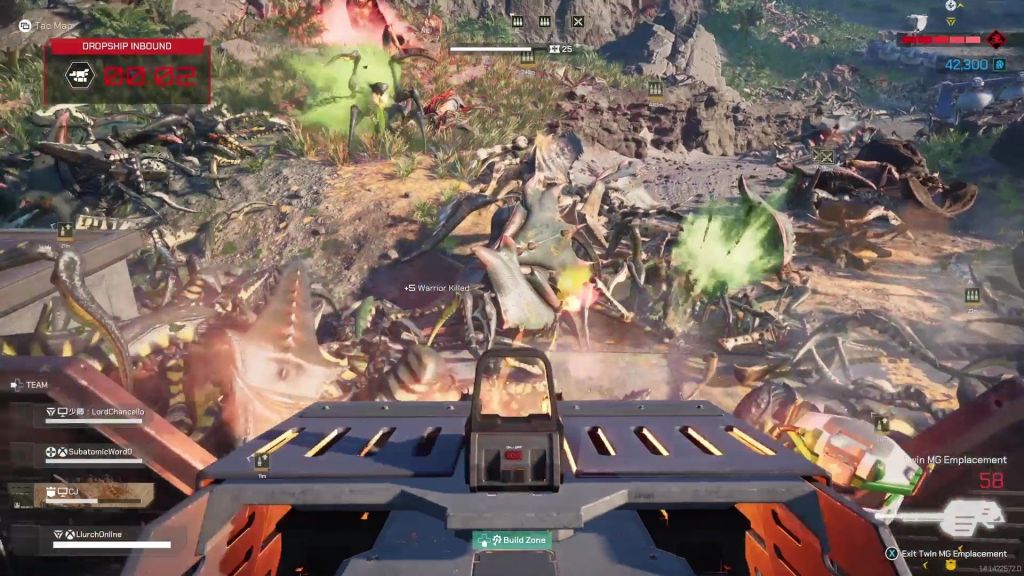
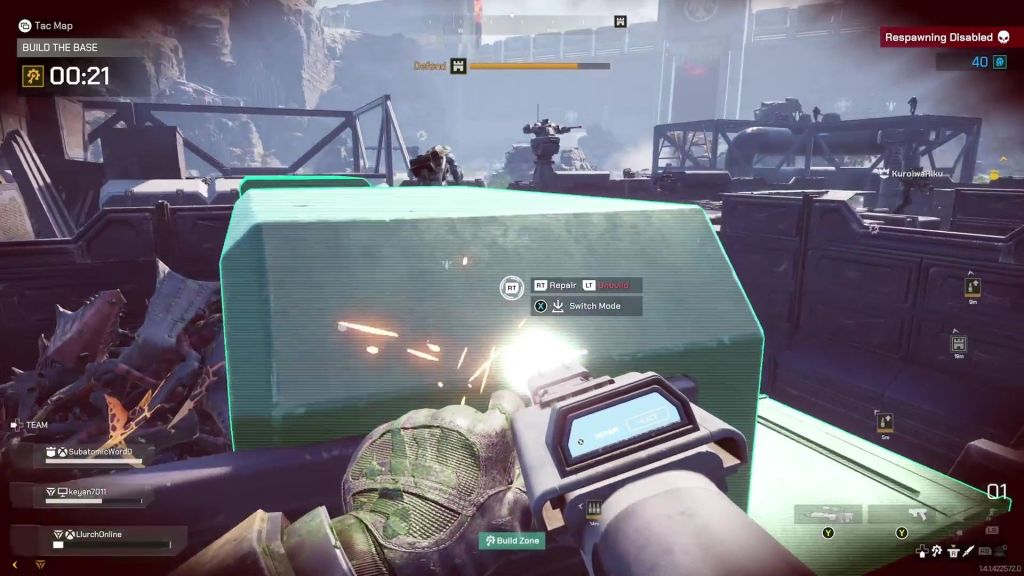
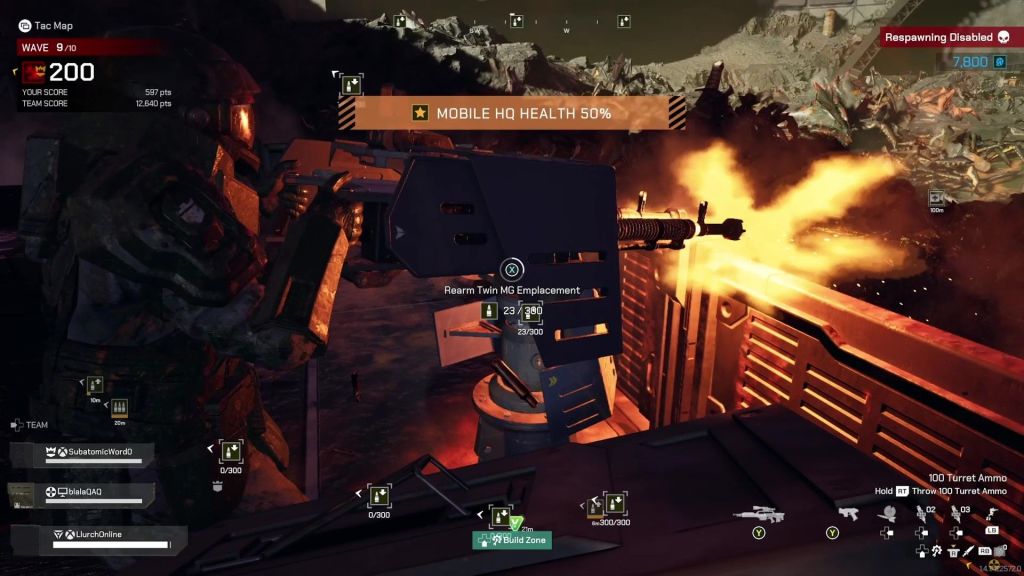
    Within designated areas, you can rapidly assemble outposts around a key structure, building layers of walls, bunkers, towers, turrets, automated sentries, and stockpiles of ammunition for infantry or turrets you’ll need to maintain. Building options all fit into a single menu, you can rotate and align structures easily, and building or repairing simply involves holding down the trigger on the repair tool. On higher difficulties and during siege events, fortifications are the only viable way to survive an onslaught that is unrelenting by the time the extraction shuttles arrive. Mounting a turret, opening fire on an advancing horde, and watching bug corpses pile up against the walls looks and feels incredible – but building bases and coordinating defence is where Starship Troopers: Extermination can also frustrate.

    Although each class has unique and powerful abilities and utility tools when used strategically – such as the Guardians personal fortification or a Medics reviving drone – expanding fortifications and assigning enough infantry to man each approach is messy. Open chat in multiplayer games is the last thing I’d recommend, but even if you’re just communicating with friends or a within a 4-player fireteam, that still leaves up to a dozen other players doing their own thing, and the incredibly limited “ping” system only marks waypoints or enemies.

    All too often, the quickest fireteams build up defences on one side of the base while leaving gaps in the other, or separate from the group to complete optional mission objectives without alerting others to cover their absence.

    More than ever, I feel Starship Troopers: Extermination still needs a more fleshed out ping system that could be coupled with class- or fireteam-specific limitations. Giving each fireteam a defined purpose might be useful, such as having one dedicated to Engineers and base-building, another for jet-pack equipped Rangers to tackle distant objectives quickly. I’d also like to see a reduction in the speed at which the threat-level escalates, if only to encourage groups pursuing optional mission objectives. It could add some much-needed variety as you’re often knee deep in bugs within 10 minutes, and there’s no viable way to break off from defending the primary objective.

    Of course, it’s a tough ask going up against a competitor with the backing of a publisher the size of PlayStation, but if Starship Troopers: Extermination could focus on polishing and diversifying what it already has, it could provide a much-needed alternative.

    Starship Troopers: Extermination was played on Xbox Series X using a code provided to gameblur by the publisher. It is also available on PC and PS5.
  • Preview: Gothic 1 Remake – PC Demo (Nyras Prologue)

    Preview: Gothic 1 Remake – PC Demo (Nyras Prologue)

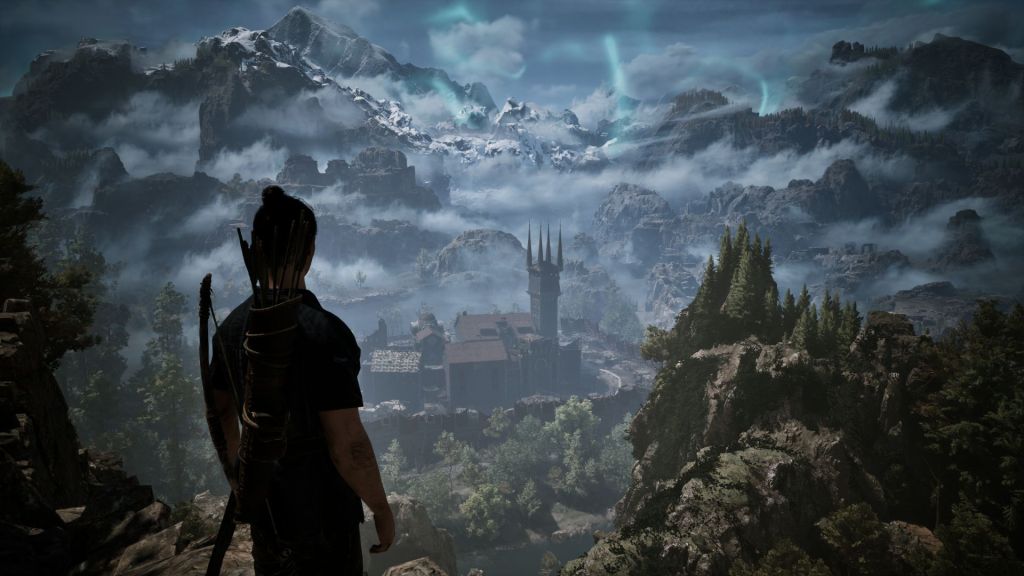
    Arriving almost 24 years after the original release – and 5 years after a divisive “Playable Teaser” was used to assess interest – the “Nyras Prologue” demo of the full-blown Gothic 1 Remake shows serious potential. Albeit probably only for existing Gothic fans or the increasingly niche audience that enjoyed Piranha Byte’s later work like Risen and ELEX. In stark contrast to the Playable Teaser’s action-focussed gameplay and wise-cracking protagonist, the Nyras Prologue aims for a degree of authenticity despite the smoother mechanics and modern game engine powering it.

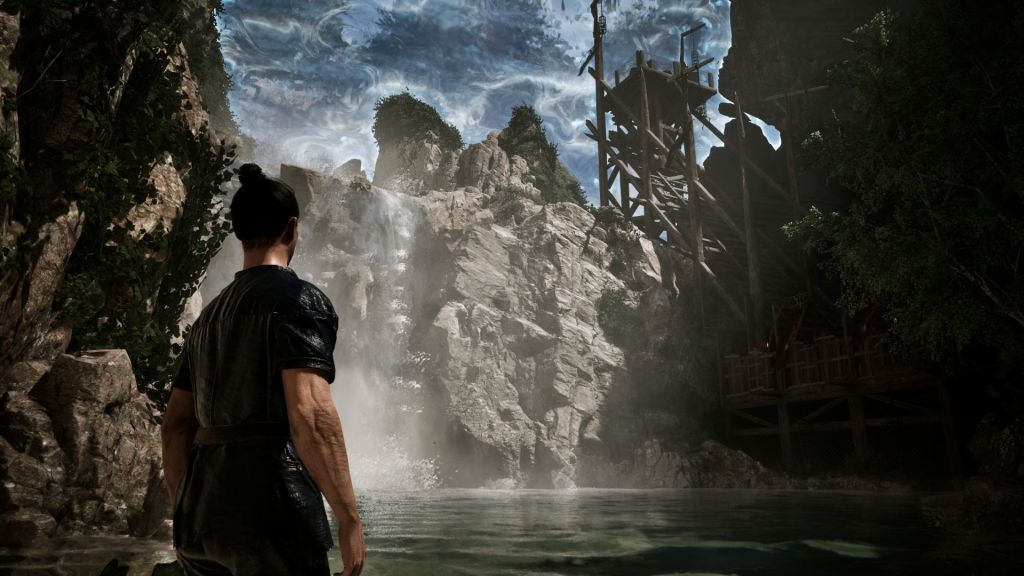
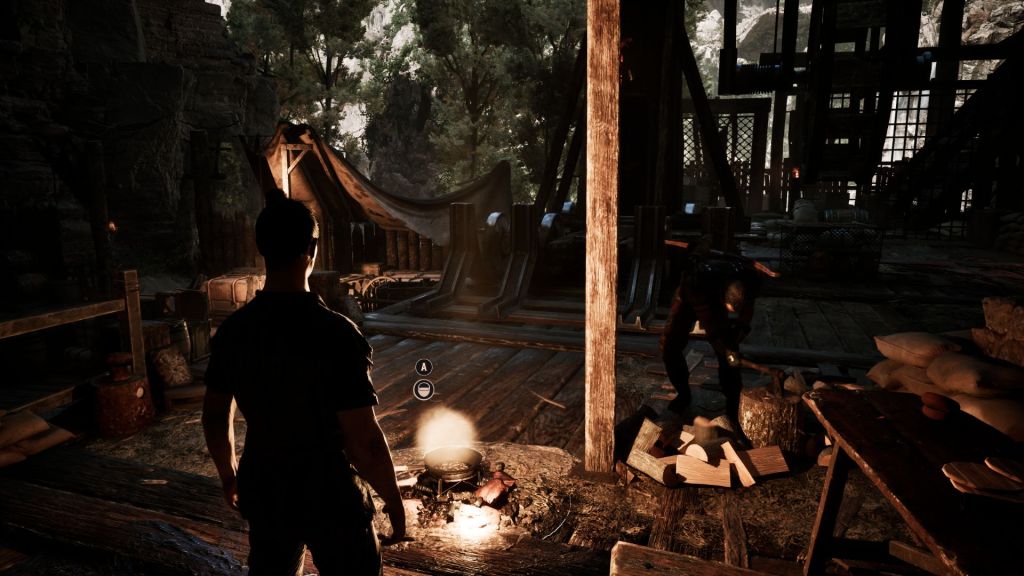
    Using a rockslide as an excuse, the self-contained demo traps the titular Nyras in the impressively recreated “Exchange Camp” canyon from the opening of the original game. The human Kingdom of Myrtana is slowly losing a war against orcs, essential ore for the war effort comes from the Valley of Mines, but a magical barrier cast to contain the prisoner workforce went awry trapping the entire region under a magical shield that kills anything attempting to leave. Fresh prisoners and goods are sent in by the king in exchange for ore, but the humans trapped inside the valley have split into three factions with their own ideas on how to thrive or escape.

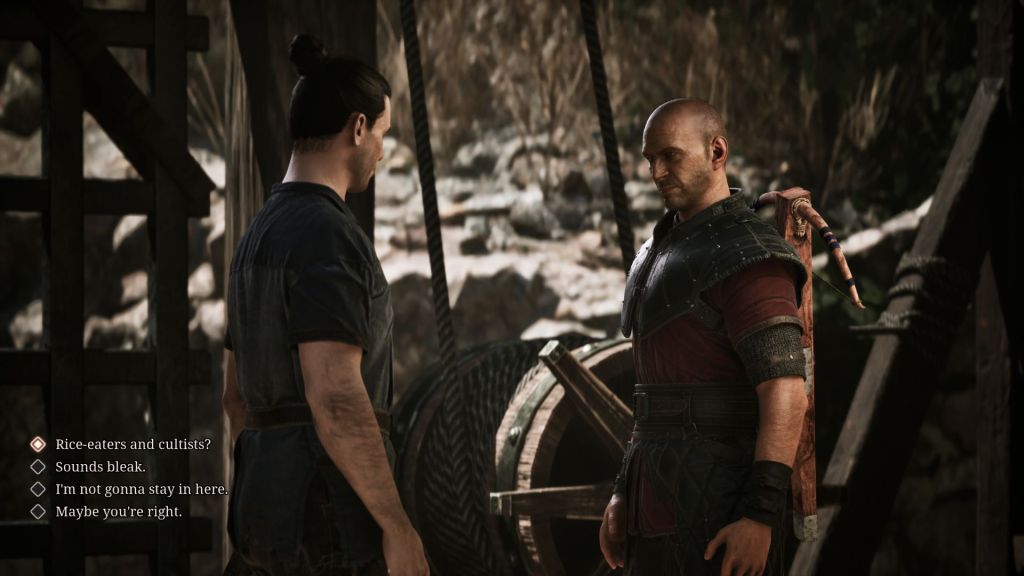
    All the basics are covered as Nyras encounters members of the Old Camp – former prisoners intent on maintaining the flow of ore for goods; members of the New Camp – outcasts and bandits that grow their own food and plan to escape; and he hears of the Sect Camp – swamp-dwelling, weed-smoking mystics intent on reviving an old god. You’ll also encounter and hear rumours of the dangerous beasts that stalk the wilds between settlements. If nothing else, those interested in the Gothic 1 Remake with no prior knowledge of the originals could find this demo a useful primer.

    The limited scope of this demo means there’s only so much to see and do, but it feels much as I’d expect from a “AA” style remake targeting an existing audience rather than the masses. A lot could obviously change, but there’s a clear trade-off between playability and authenticity that should thrill Piranha Bytes fans but might frustrate anyone expecting a modern action-RPG experience. Gothic was never an RPG in which you start competent and end up overpowered; it’s a game about starting on the bottom rung, climbing up while being kicked in the face repeatedly, and eventually coming out on top.

    The demo suggests that design philosophy is intact, but traversal, combat, and menu-ing feels way less clunky – especially on a gamepad if you’ve ever experienced the Nintendo Switch ports. It remains to be seen if the remake tweaks progression, but Gothic was a traditional RPG in the sense you could go far by mastering the stiff combat system but improving your character level, skills, and gear were essential (that or breaking the AI). Also familiar is how dense and hand-crafted the world feels, with plenty of fine details, NPCs going about daily tasks, and items secreted away to reward exploration – assuming you don’t run into something that kills you first.

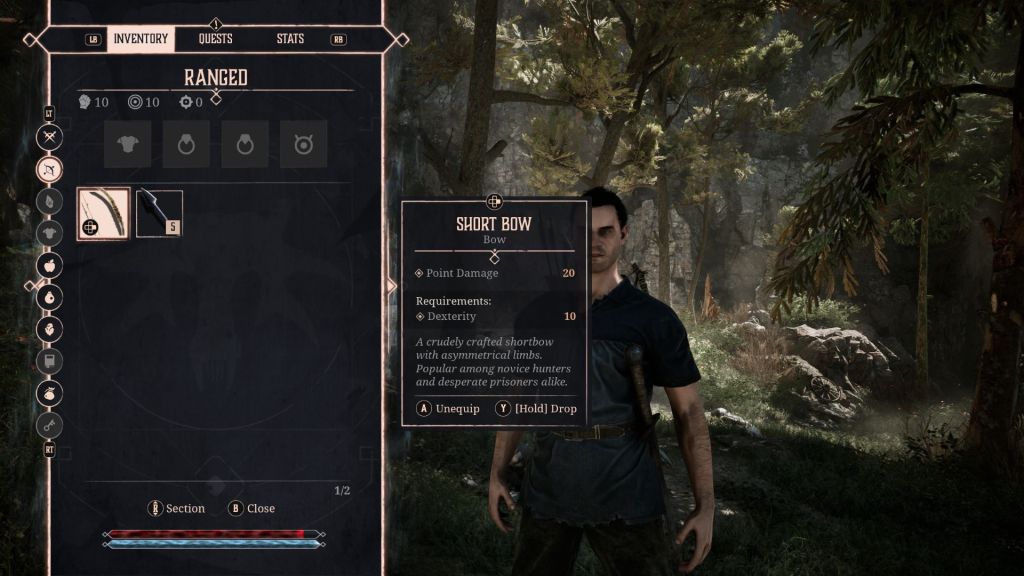
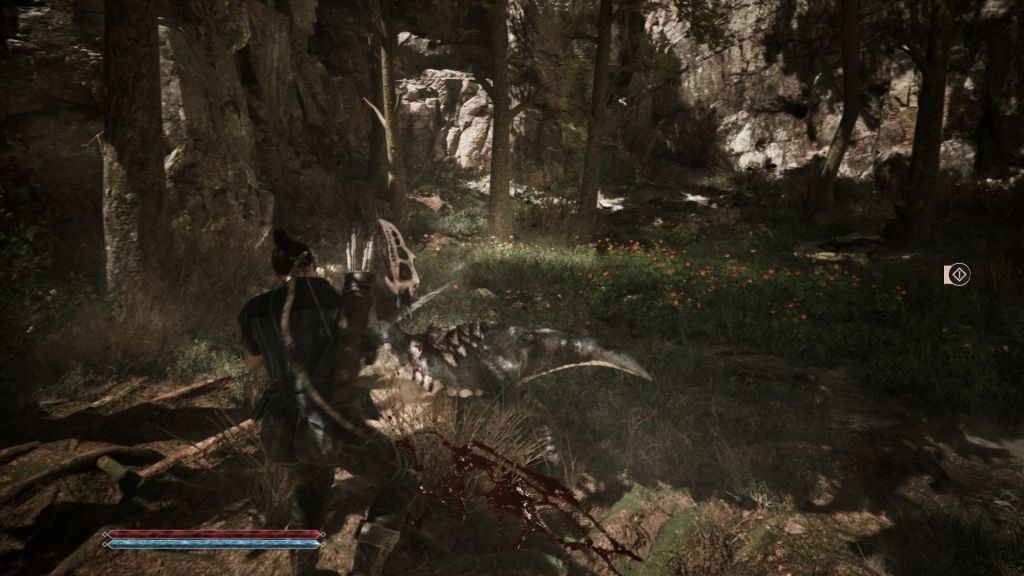
    The Nyras Prologue demo provides a few opportunities to die by scavenger beak or goblin club if you’re reckless, but the combat feels far more fluid and manageable when facing one or even two opponents. You can swing a sword, pick, or flaming torch; parry or dash back and to the sides to avoid damage; and draw back a bow to full extension for maximum damage at range. While it might not be an intentional nod to the original, I could even cheese a few enemies by awkwardly climbing onto high ground and leaving them sitting around helplessly. I don’t doubt the Gothic 1 Remake will be rife with enemies that’ll one-shot you early on, but the smoother combat is perhaps the most significant takeaway from this demo.

    The last thing to touch on is the Unreal Engine 5 powered visuals and lighting. Despite the archaic engine, the Gothic games generate an impressive atmosphere when the visuals are coupled with ambience and music. The Nyras Prologue demo might not push boundaries, but it still looks good in this early build and recreates that original atmosphere by using the classic soundtrack. On my ageing gaming laptop – with an Intel i7 4C/8T CPU, 8GB RTX3070, 16GB DDR5 RAM, NVMe SSD (components running at lower power draw/clock speeds than their desktop counterparts) – 1440p/30 on the high “Gothic” settings was surprisingly doable, albeit with some momentary chugging after reloading a save.

    Wrapping up my thoughts, the Gothic 1 Remake – Nyras Prologue Demo shows a lot of potential for those craving an authentic Gothic experience, but it’s ultimately a tiny chunk of a much larger game, with limited mechanics and only one environment on show for now. While playing the demo, I kept thinking of 2024’s Alone in the Dark – a game I really enjoyed and felt was underappreciated, but one that commercially underperformed and spelt the end of the developer. I just hope Alkimia Interactive and THQ Nordic are looking at the budget and sales of a game like ELEX II and planning appropriately so we actually have a chance of seeing this become a success and maybe fund a remake of the sequel too.

    Gothic 1 Remake – Nyras Prologue Demo was played on PC (GOG or Steam). The final release will be coming to PC, Xbox Series S|X, and PS5.

  • Impressions: GRAVELORD (PC) Early Access

    Impressions: GRAVELORD (PC) Early Access

    GRAVELORD was not the trajectory I expected Fatbot Games to take, having discovered their Vaporum games after playing through Almost Human’s Legend of Grimrock 1 and 2 – all of them grid-based, first-person, real-time, dungeon-crawlers. Vaporum offered a more streamlined and polished take on the now niche genre – replacing multiple party members with an expanded gear and ability system – but they stuck to the creatively blocky world design, abundant puzzles, hundreds of secrets, and real-time combat that I’d best describe as a deadly grid-dance. In contrast, GRAVELORD is a retro-inspired first-person shooter competing in a saturated market – but between their knack for level design and the unexpectedly great shooting, it might have a chance of standing out.

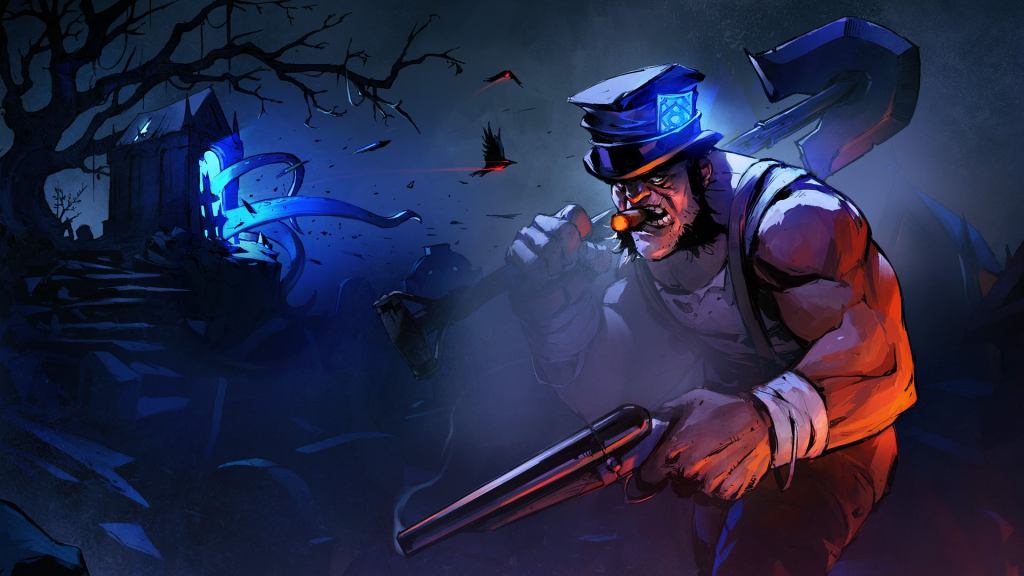
    Befitting the genre, GRAVELORD is light on story elements. The intro reveals the hulking, square-jawed, top hat-wearing gravedigger Queedo, who works in the employ of Death as his ancestors always have. The problem that you’re running and gunning towards is an alchemist by the name of Keron Husk – murderer of Queedo’s father and manufacturer of supposedly life-extending potions that have instead created an undead scourge. Unless you read through the short comic-style collectibles found in each map, that’s all the context you’ll get. Queedo’s personality boils down to barely controlled rage and a string of bad jokes in a Cockney accent that grew tiring by the end of the first map, so it’s probably for the best that narrative elements don’t interrupt the flow of gameplay too often.

    Based on this first episode – with 8 maps and a boss at the end – GRAVELORD is remarkably traditional in structure and, to its benefit, distinctly Quake-like when it comes to movement, gunplay, and the visual design language. You traverse Gothic-themed maps on the hunt for coloured keys or switches, following visual cues like coloured lighting; you acquire traversal-based abilities like a spectral grapple and double-jump to reach new areas and secrets; every time you collect said key item, you can expect monster spawns; and most maps culminate in a chaotic charge to the exit or a boss fight, typically under the influence of “rage” runes that briefly buff resilience and weapon fire rate.

    Despite footsteps that suggest he weighs half a ton, Queedo hurtles around the map like he’s sprinting on an ice-rink. The movement mechanics are perfect for surviving firefights in a game with no hit-scan enemies and a high default difficulty (I spent a lot of time on low health and save-scumming) but it does force you to slow down when tackling platforming sections or avoiding environmental hazards that litter many arenas.

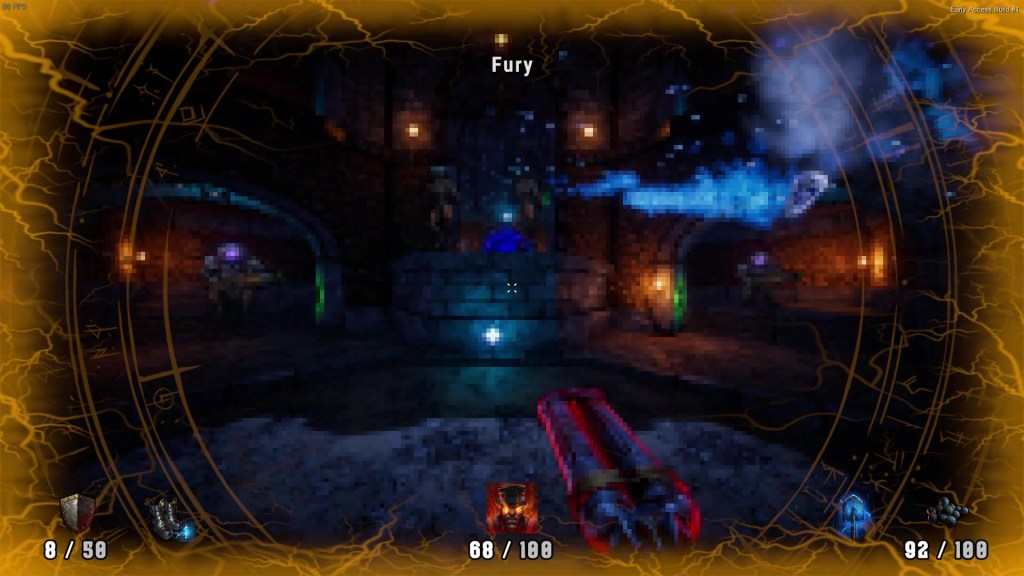
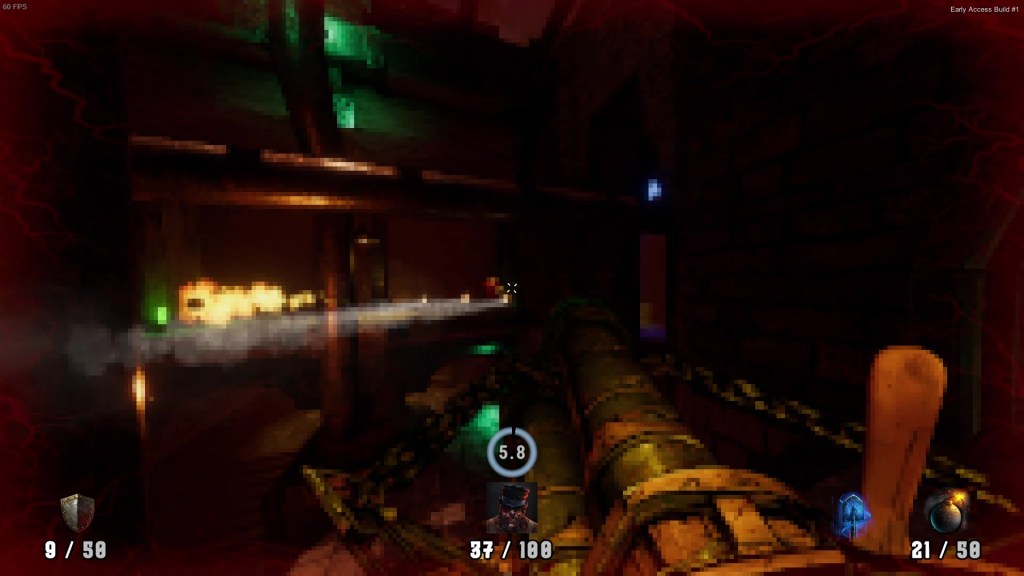
    Given their prior games, the shooting was an unexpected highlight, with a familiar but powerful arsenal ranging from a shovel to a pistol, double-barrelled shotgun, chain-gun, grenade-launcher, and, in a nod to their prior games, an arcing Fumium rifle as the special. Every weapon remained useful throughout for specific enemy types – think melee rushers, nimble flying spitters, tanky explosive users, and magic wielding sorcerers – and they both sound and feel powerful in use. Enemies react to hits with staggering animations, blood splatter, or a gory demise, and when you throw in a dynamic soundtrack that shifts between creepy ambience and thumping combat loops, GRAVELORD ensures simply shooting at something feels good, no matter what you have in hand – a feat that shouldn’t be taken for granted despite the genre.

    The other highlight was Fatbot Games’ dense, intricate, and secret-packed level design. The maps can feel sprawling and maze-like, yet they’re incredibly compact and often loop back past, over, or under themselves. In addition to typical key hunts, there is no shortage of consumables tucked away, or secret buttons and rotating statues (with riddle-like clues) that lead to mega-health boosts, early access to powerful weapons, and a range of character and weapon upgrades.

    Regardless of whether you’re purging graveyards, riding conveyer belts through crypts, avoiding magma pools in crematoriums, swimming through sewers, or navigating a gothic town, each map feels hand-crafted with a ton of thought going into their layout and enemy composition. I’ve no doubt most maps could be blitzed through by speed-runners in a few minutes once you know what you need to do, but compulsive secret hunters could spend upwards of half an hour scouring them fully.

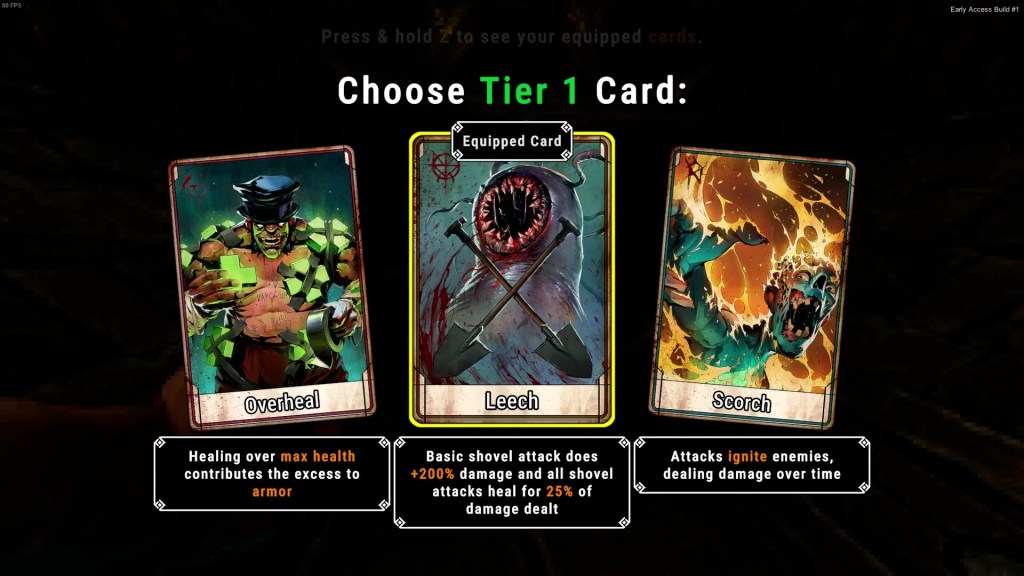
    The last mechanics to touch on feel like an attempt to include rogue-like elements in a traditional save-anywhere FPS, to varying degrees of success. Collecting weapon alt-fire modes on each map feels pointlessly irritating, though I’ll accept resetting movement abilities due to the map design and gating progression. The 3-tier card system, which allows you to pick one from a random draw, feels more thoughtful and impactful as you can choose to favour an aggressive or defensive build. As an example, I could massively boost my survivability by combining a card that regenerates 30 health points with cards that let me deal more damage and receive less damage at or below 30 health.

    As it stands, GRAVELORD might not offer much novelty, but it looks to be a solid entry into the retro-FPS market with legitimately great shooting that emulates the classics, and fantastic level design that draws on Fatbot Games’ heritage.

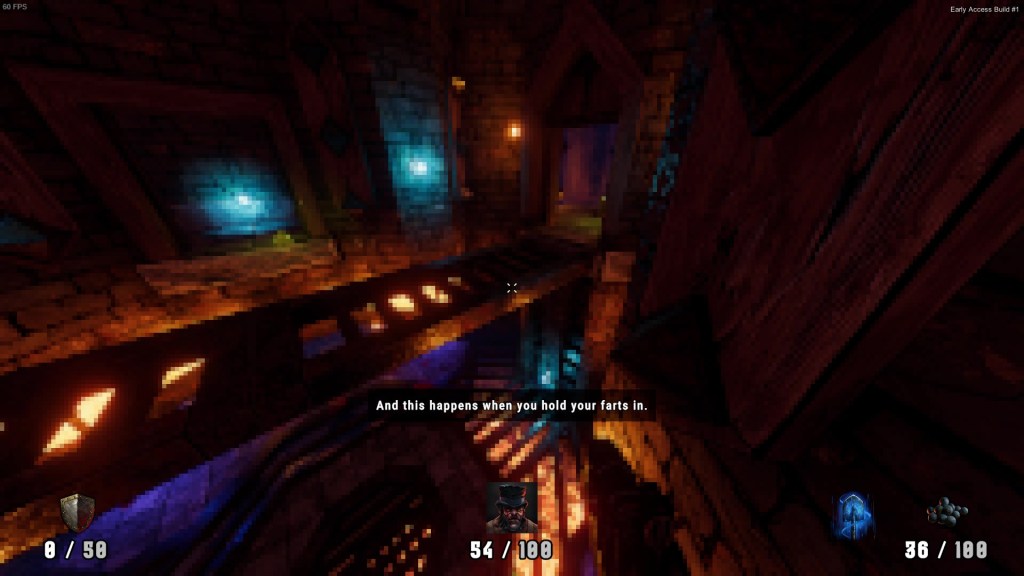
    That said, there is one element that might prove divisive. GRAVELORD currently has a strong visual filter enabled, far more aggressive than the marketing materials suggest, that ensures everything more than a meter from the player becomes heavily pixellated and increasingly indistinct at range. It feels similar in function to the filter seen in Prodeus, but it’s ramped up to 11 and I doubt it’s working as intended. It grew on me over time, but there seems to be no option to tone it down in this early access build, and I’m wondering if a degree of auto-aim might be due to the fact distant enemies are often reduced to a handful of moving pixels difficult to track against the background?

    GRAVELORD was previewed on PC using a code provided to gameblur by the publisher.