Tag: PlayStation

  • Editorial: Dread Delusion offers console players a weird and wonderful mini-RPG with Morrowind vibes.

    Editorial: Dread Delusion offers console players a weird and wonderful mini-RPG with Morrowind vibes.

    Dread Delusion is both a compact nostalgia-trip for time-constrained older gamers, and a means for younger gamers to get a taste of early, first-person, fully-3D RPGs like The Elder Scrolls III: Morrowind.

    Despite its obvious retro inspirations, it’s smartly designed and “fun enough” by modern standards but what is does best is evoke classic vibes and encourage exploration. Like Morrowind, Dread Delusion’s best attribute is not the gameplay but the distinctly otherworldly setting, the intriguing lore, and the striking aesthetics. It has a unique atmosphere that elevates the experience, even if the storytelling is simple and the gameplay loop straddles the line between charmingly dated and perfunctory.
    Not high praise for those who exclusively play “AAA” games and value cinematic storytelling or ultra-polished gameplay, but Dread Delusion knows what it wants to be and does so with confidence. It has a compact structure, varied but streamlined mechanics, and frugal dialogue trees that ensure it avoids making the mistake so many modern games do – wasting the player’s time and dragging out the experience to the point even the best qualities are rendered repetitive and tiresome.

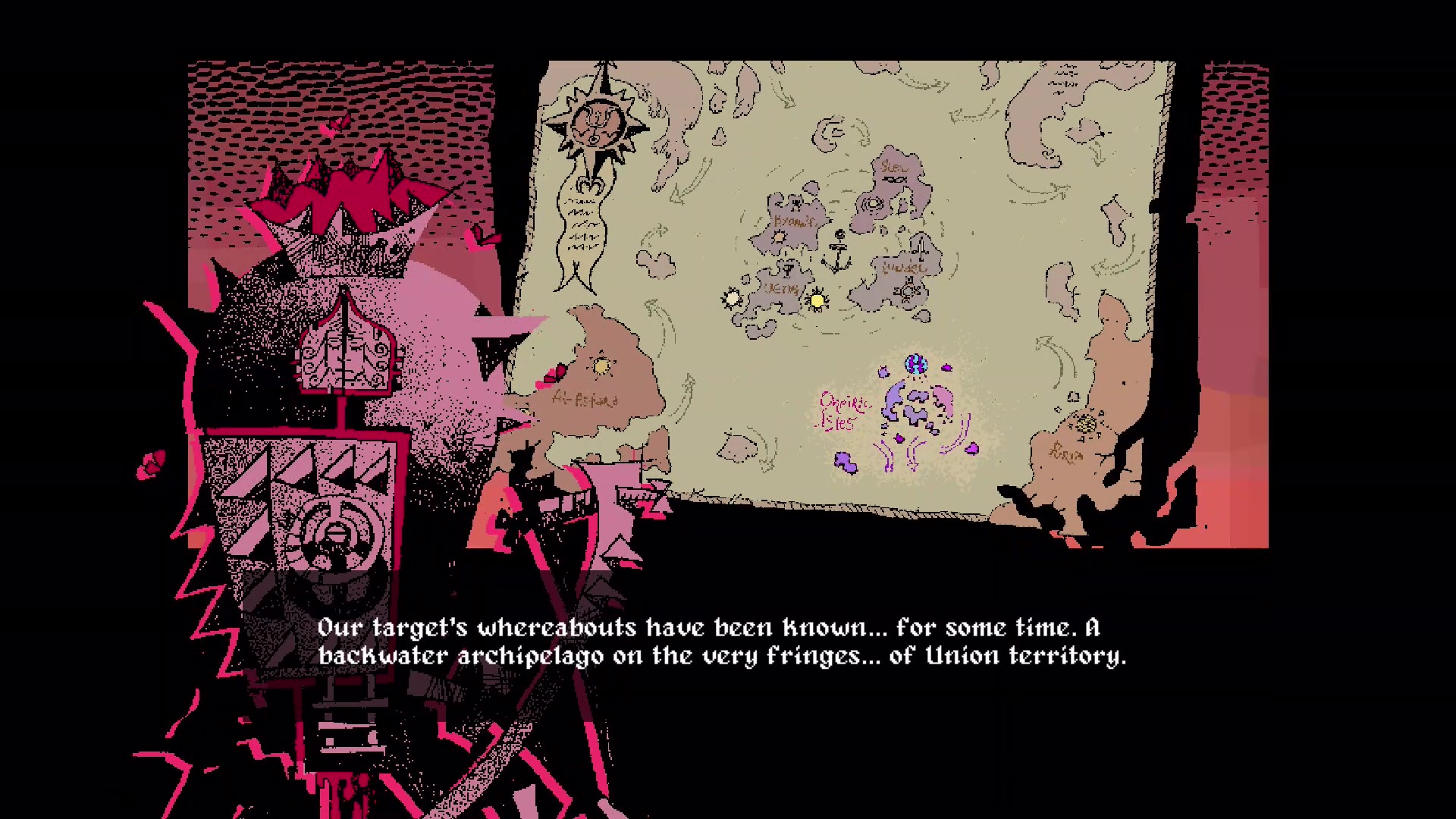
    Dread Delusion doesn’t offer huge depth in the moment-to-moment gameplay, so you only spend only a minute customising your prisoner-protagonist before being introduced to the primary quest by way of an Inquisitor agent, trapped within an iron maiden-style cage, bleeding between raspy breaths. You’re then tossed out onto the floating Oneiric Isles to begin your adventure with minimal fanfare. It feels brisk, a little messy, but the opening sequence is devoid of exposition dumps or the overlong cutscenes so common these days I’ve had to change my TVs power-saving settings.
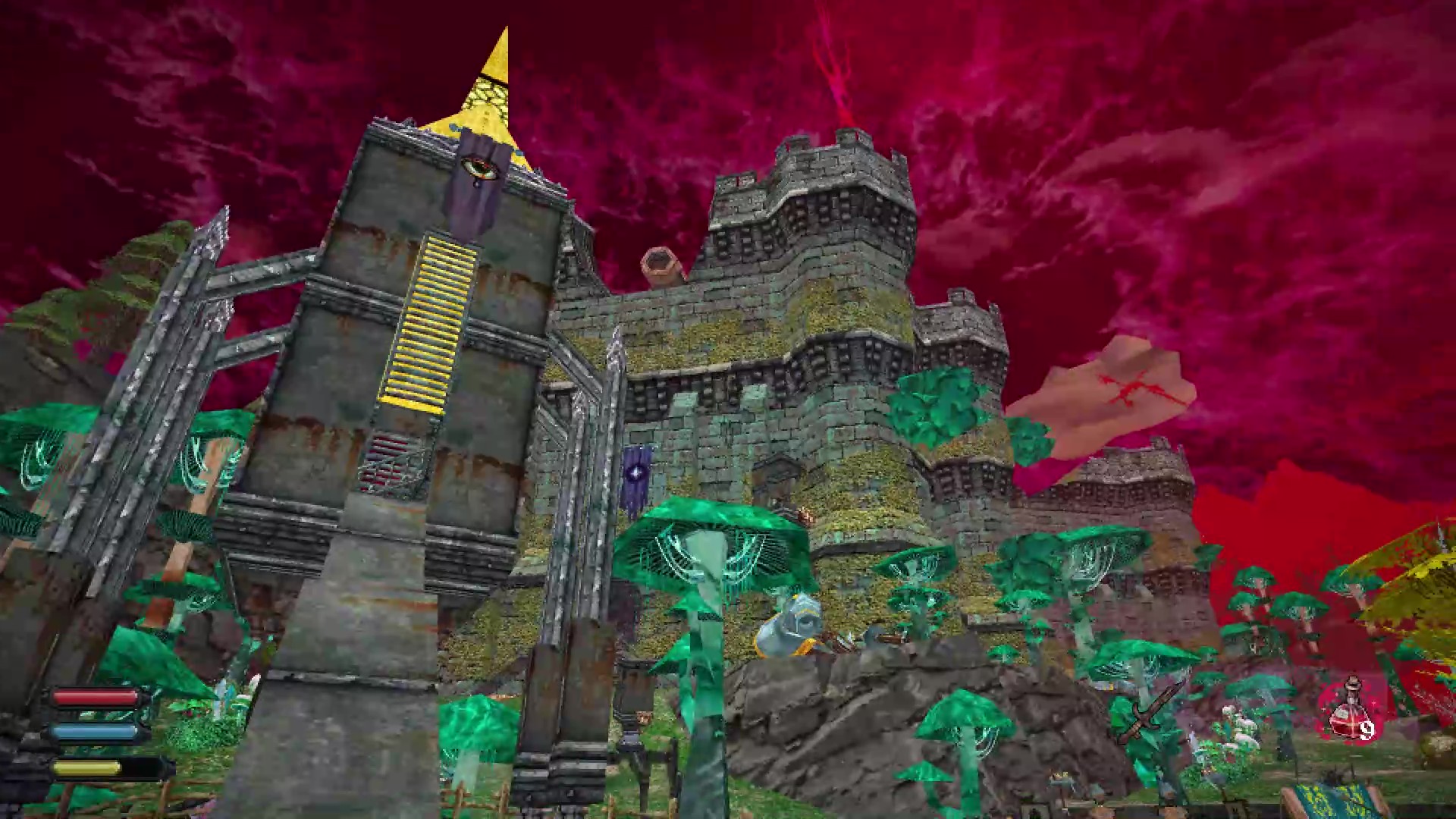
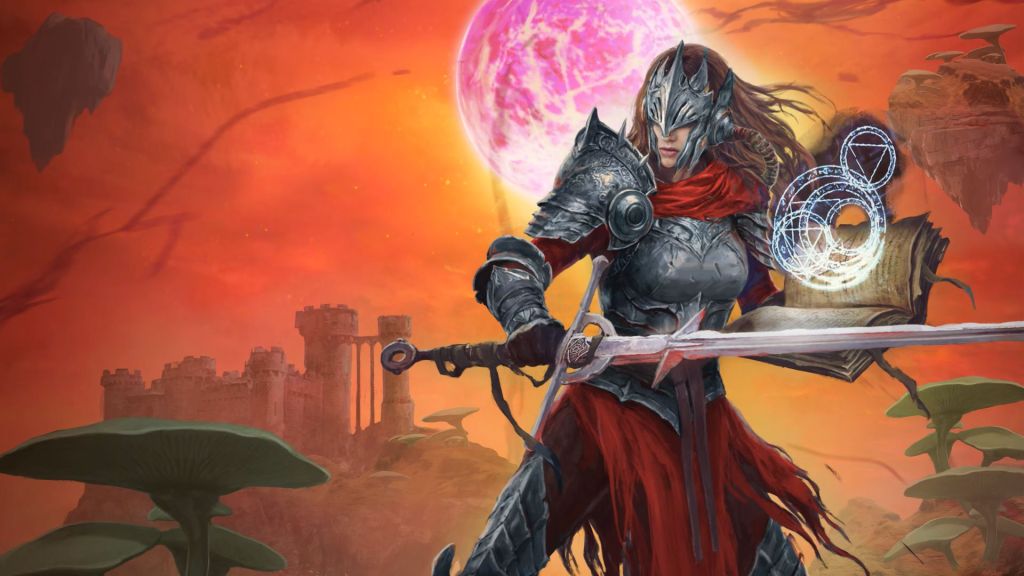
    A massive fort looms above of you. Inquisition machines clank and groan around you. Jagged islands of rock, strung together by precarious bridges, float above a ruined and charred planet below. Tree-sized mushrooms and bizarre fungal shrubs – typically in shades of vibrant green, blue, and pink – stand in stark contrast against the reddish-purple sky with its pulsing “neuron star” connected to others by glowing threads of energy. The excellent music kicks in and it all felt incredibly weird and wondrous in a way I’ve not experienced in a big budget sci-fi or fantasy games for ages.

    When you factor in the lack screen-filling tutorials and condescending secondary character to sprout advice, the opening sequence also places the onus firmly on the player to push forward, explore, and experiment if they want to know more.
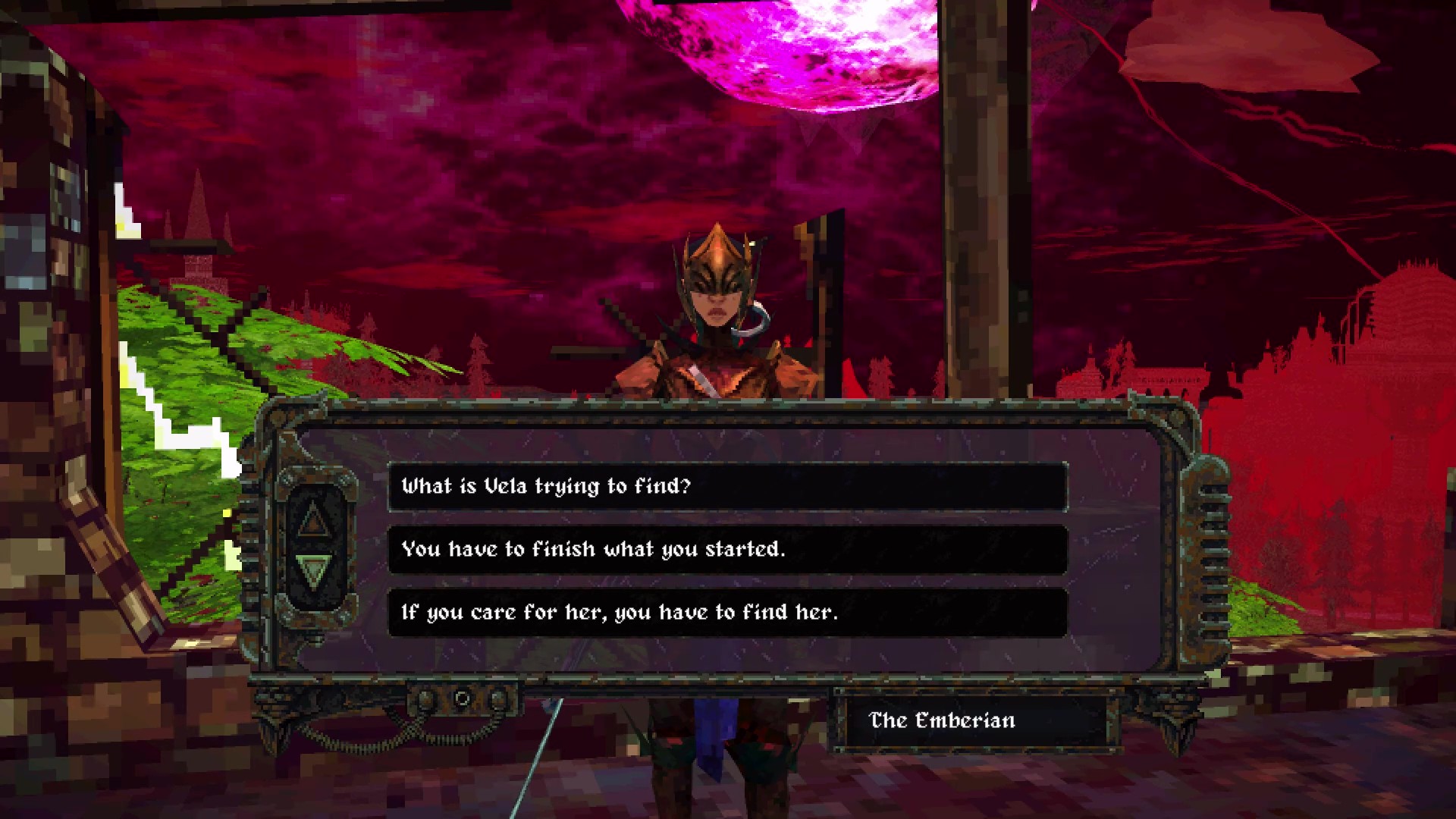
    Of course, Dread Delusion offers up a lengthy quest involving the hunt for a Navy-captain-turned-sky-pirate Vela Callose that will take you across the Isles and to the ruined world below. You’ll learn about the “God Wars” and the rise of Apostolic Union, the ancient Emberian civilisation and the devastating “World Rend” event, and you’ll meet the factions contesting the Oneiric Isles – but there’s so much more depth for those who explore, talk to every NPC, and read the stylish book extracts scattered around.

    The gameplay that ties everything together is fun, familiar, and streamlined – like a “best of” rewatch your favourite series where you have to foresight to skip the inessential episodes. You have light and heavy attacks paired with block and parries, all governed by stamina and strength. Offensive and defensive cypher spells require mana and high lore. You can charm NPCs in dialogue, pick locks and disarm traps, or manipulate magical objects to open alternate paths and secrets. There’s even a stealth system with bonus damage for thief-types that enjoy spending half their playtime crouching with a bow.
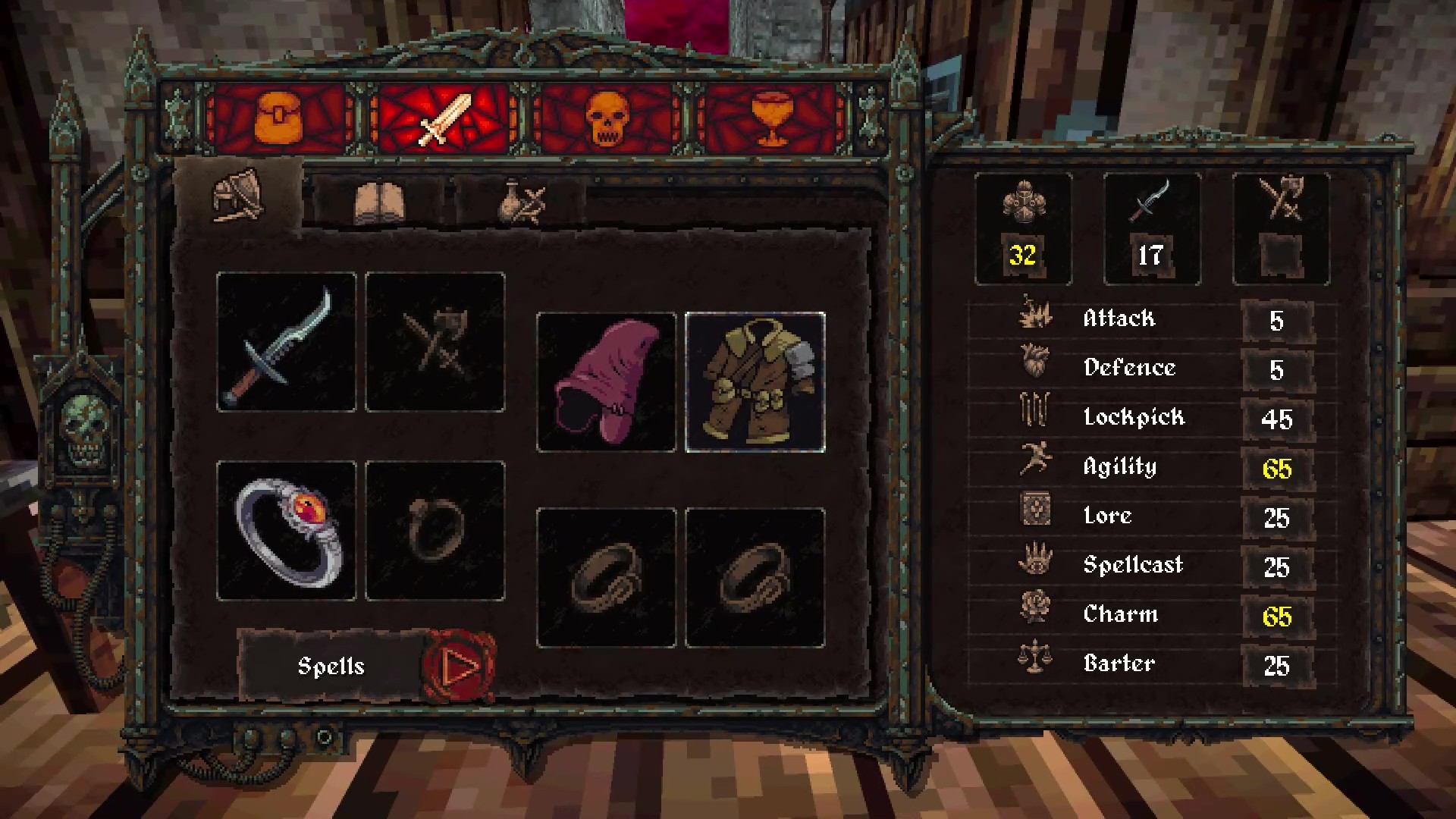
    Armour, clothing, and weapon variants are limited but offer impactful upgrades that consume increasingly rare materials. Rings and accessories are unique and buff specific attributes or skills. Alchemy allows you to brew useful and situational potions. You can purchase and upgrade housing in each island kingdom, unlocking temporary skill boosts, crafting stations, and gardens with alchemical ingredients. You eventually unlock an airship of your own to access new areas.

    Dread Delusion offers a little bit of every RPG staple for you to dabble in as you explore, just never with enough depth to derail your momentum and the narrative pacing.

    Despite these streamlined mechanics, Dread Delusion still prioritises role-playing and provides quest solutions that can shift your standing with different factions and affect the outcome of regions. Your dialogue choices have the most impact, but you can also avoid harming faction relations by simply sneaking through an area or unlocking alternate paths to bypass combat. The levelling system – in which you “embrace delusions” to increase attributes – consumes “glimmers of delusions” that are awarded on quest completion or found in secret areas. There’s rarely a good reason to choose a violent outcome if you don’t want to.
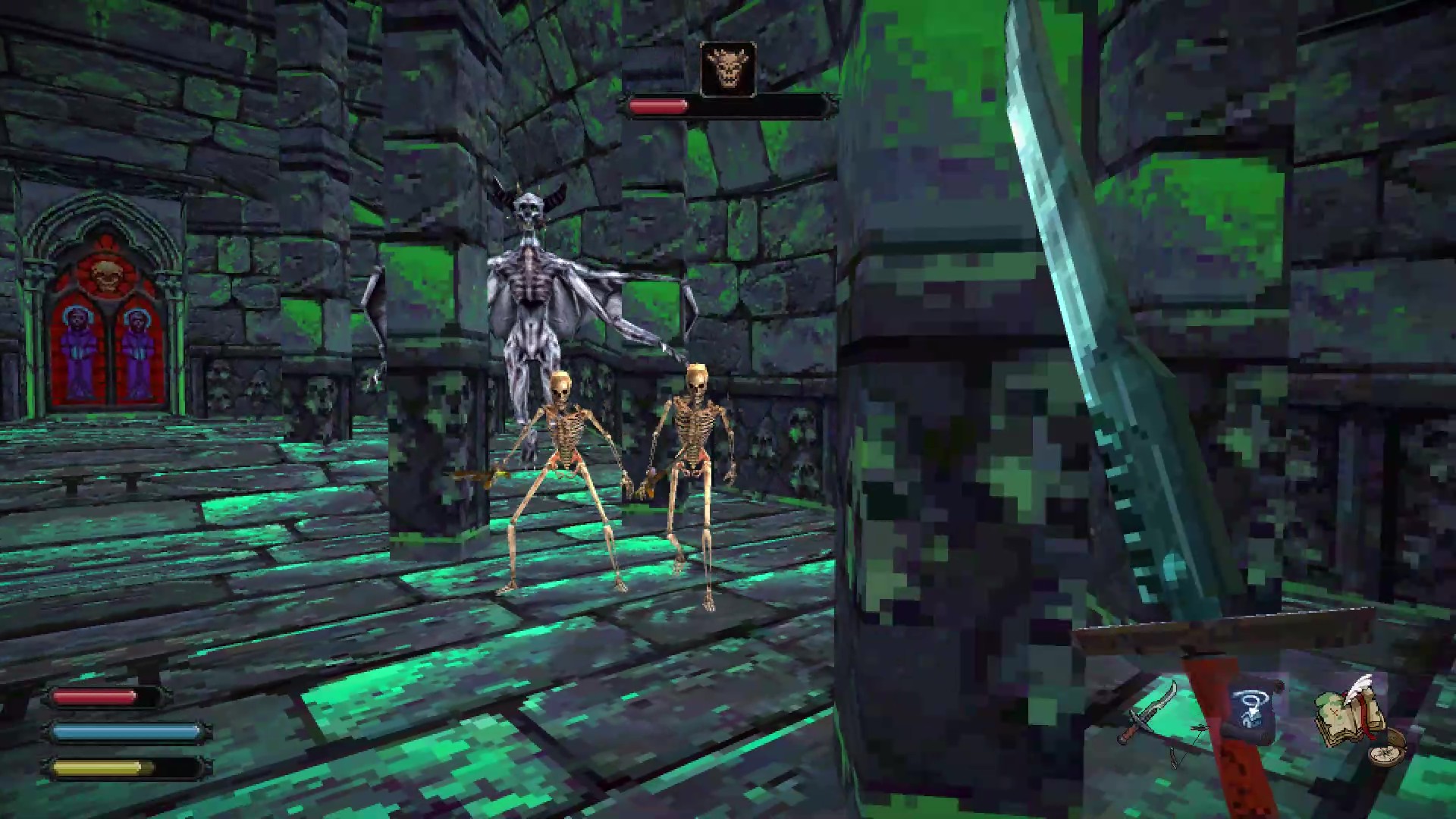
    There’s a fair argument that the minute-to-minute gameplay feels a little underdeveloped, but the impact on the experience is limited by Dread Delusion’s relative brevity for an RPG – maybe 20 or so hours to explore everywhere and do everything on your first playthrough. The focus remains on constant forward momentum and exploration while you resolve quests the way you want to. Dread Delusion never feels like it’s wasting your time getting bogged down by grindy gameplay systems or cinematic aspirations that impact the pacing.

    Going back to the Morrowind comparison, the Oneiric Isles are simply a joy to explore as every new region means new sights to see, new biomes and creatures, new people and quests, and more lore to discover. For console players, it offers a rare mini-RPG with incredible vibes and, as a bonus, runs well on every platform including the Nintendo Switch 2.

    Dread Delusion was played on a Nintendo Switch 2 using a code provided by the publisher. It is also available on PC, Xbox Series S|X, and PS5.
  • Review: The Prisoning: Fletcher’s Quest (Nintendo Switch)

    Review: The Prisoning: Fletcher’s Quest (Nintendo Switch)

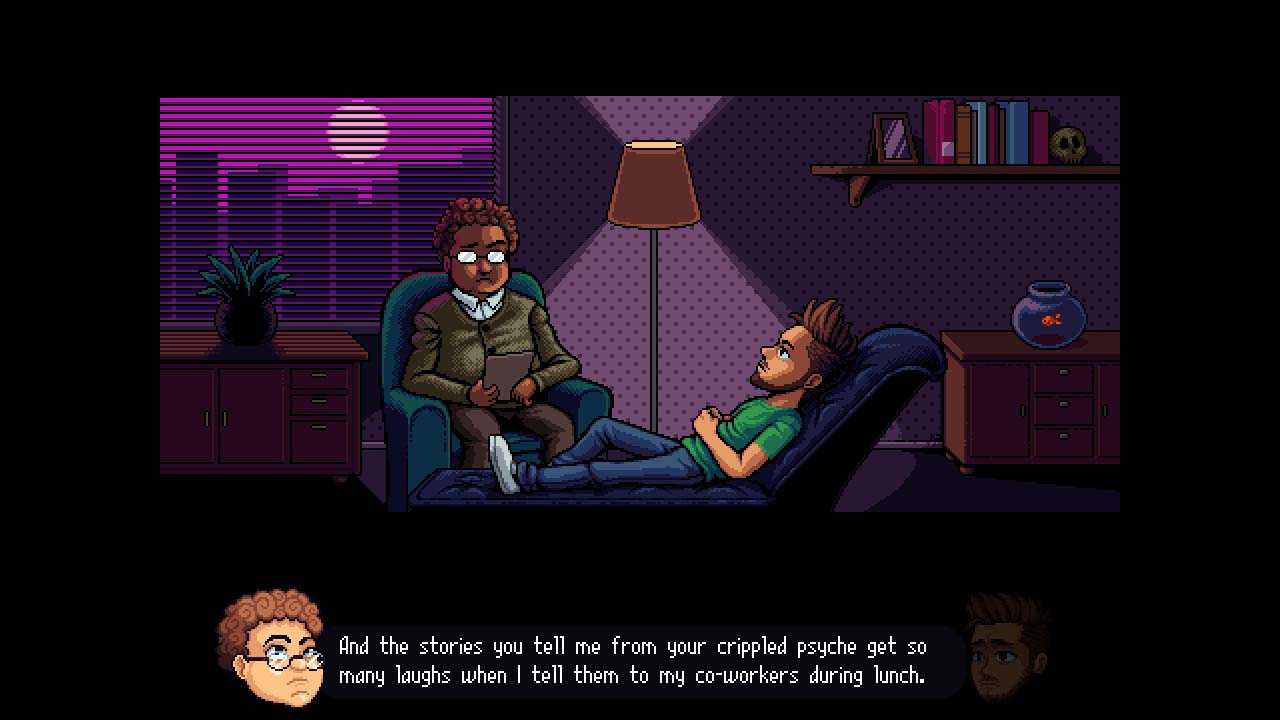
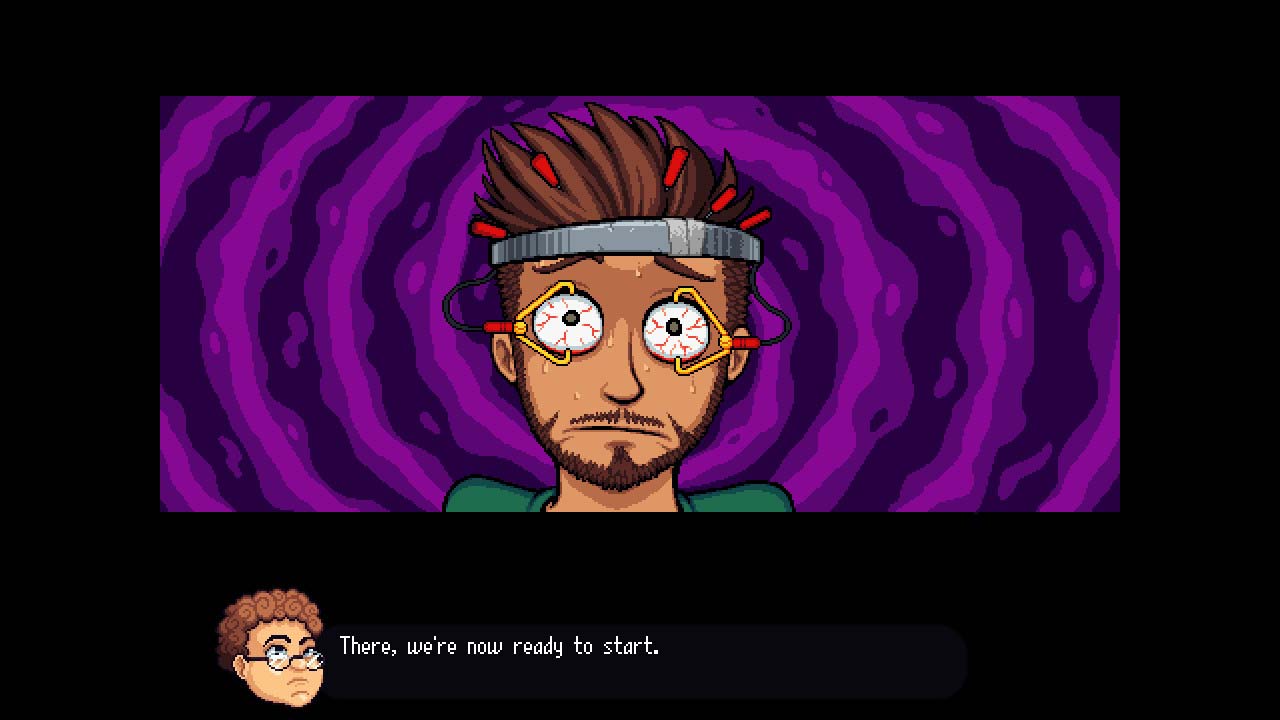
    The mind, as they say, is a terrible thing to waste. Even more so if you’re the creative type. And that’s the problem facing Fletcher, a burned-out game developer who needs to reignite that creative spark. When a hypnotherapy session goes wrong, Fletcher’s world goes full meta as he finds himself trapped within the labyrinth of his own mind and his current creation. The only way out is to spelunk through the job that has bled into his subconscious and defeat the demons within holding him prisoner.

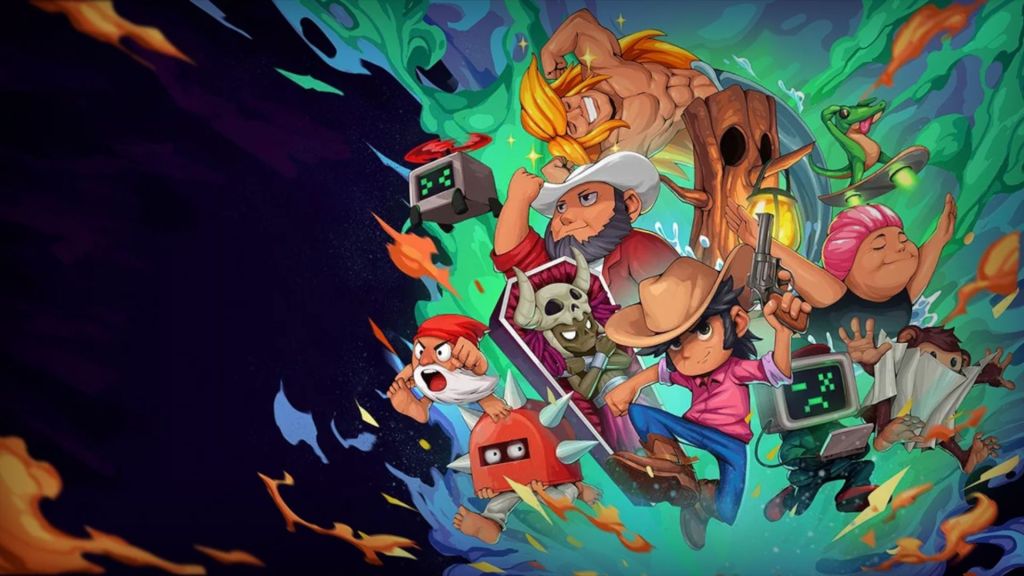
    As such, Fletcher’s quest puts you in the shoes of a game developer who has to reckon with his own profession by living through what he’s designed. And in this case, it’s a 2D platforming title with vague hints of Metroidvania-ness at its core. As is developer Elden Pixels go-to through the course of their career, The Prisoning: Fletcher’s Quest is a retro-inspired platformer that could have easily stepped out of the past with its, initially, challenging design.

    Fletcher’s story is full of bizarre, fourth-wall breaking humour that intends to poke fun at the game design process. Quirks, bugs, poor design, it’s all fodder for the developers to use to elicit a smile through this surreal adventure. Not all of the humour lands, but when it does, it’s a nice slice of grin-worthy meta-commentary. But the humour is even better when those poor design choices are thrown at you as obstacles to be overcome. Be warned though, there’s some serious adult language and jokes on display here, from pixellated nudity to Samuel L. Jackson level of profanity bombs. If you’re thinking of handing this one over to the kids, you may want to reign that horse in for a bit.

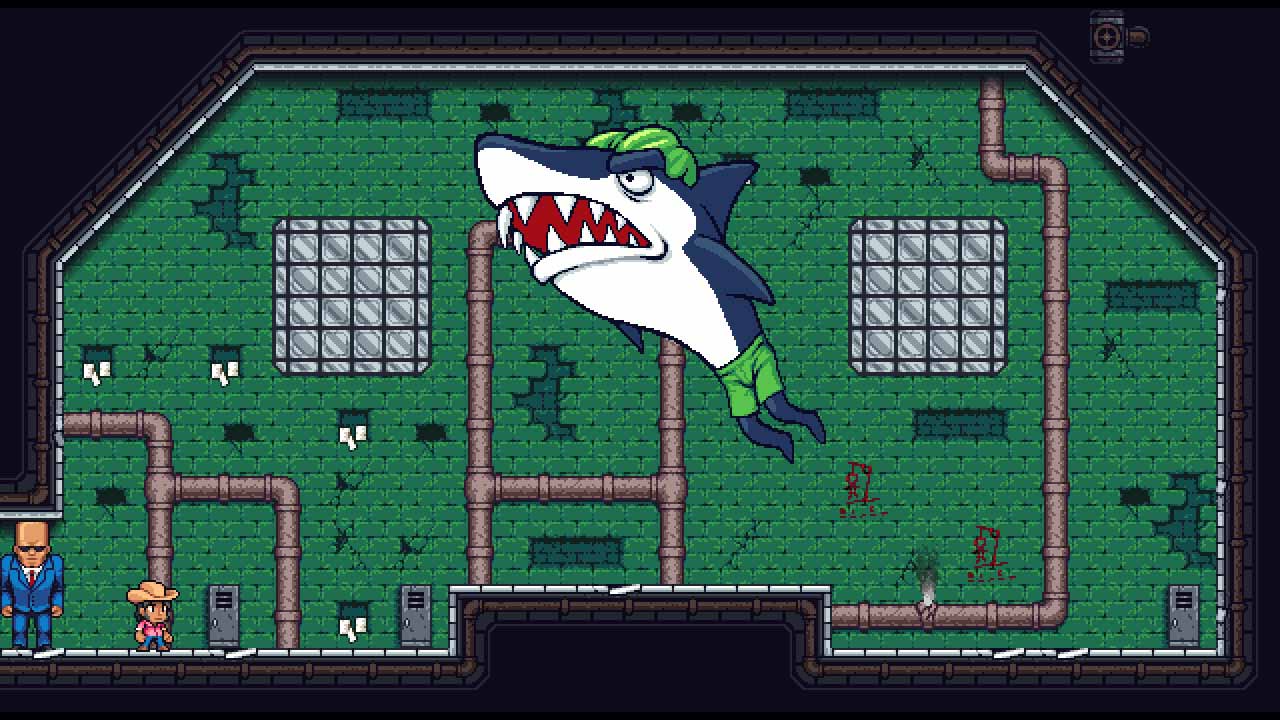
    Visually, The Prisoning: Fletcher’s Quest is a bright and almost cheerfully colourful game, despite the adult subject matter. The game uses a lovely looking pixel art style that is both charming and wonderfully animated from the characters to the backgrounds. Between the character and enemy designs and the stage design, it very much resembles bright, colourful, children’s cartoons from the days of yore. There are wonderful little details scattered across the place, from the squinty eyes that peak out of boxes until you get close to them, to the lovely boss designs such as a giant surfboarding shark with colour changing trunks.

    The games audio is no slouch either. Sound effects are great, but it’s the games soundtrack that comes in kicking with a pop cowboy/Western themed tune that will worm its way into your ear long after you’ve stopped playing. The boss music is really great though and represent the best tunes in the game.

    The gameplay is where The Prisoning: Fletcher’s Quest will, most likely, polarise many gamers. It is, initially, quite tough and a bit on the unbalanced side.

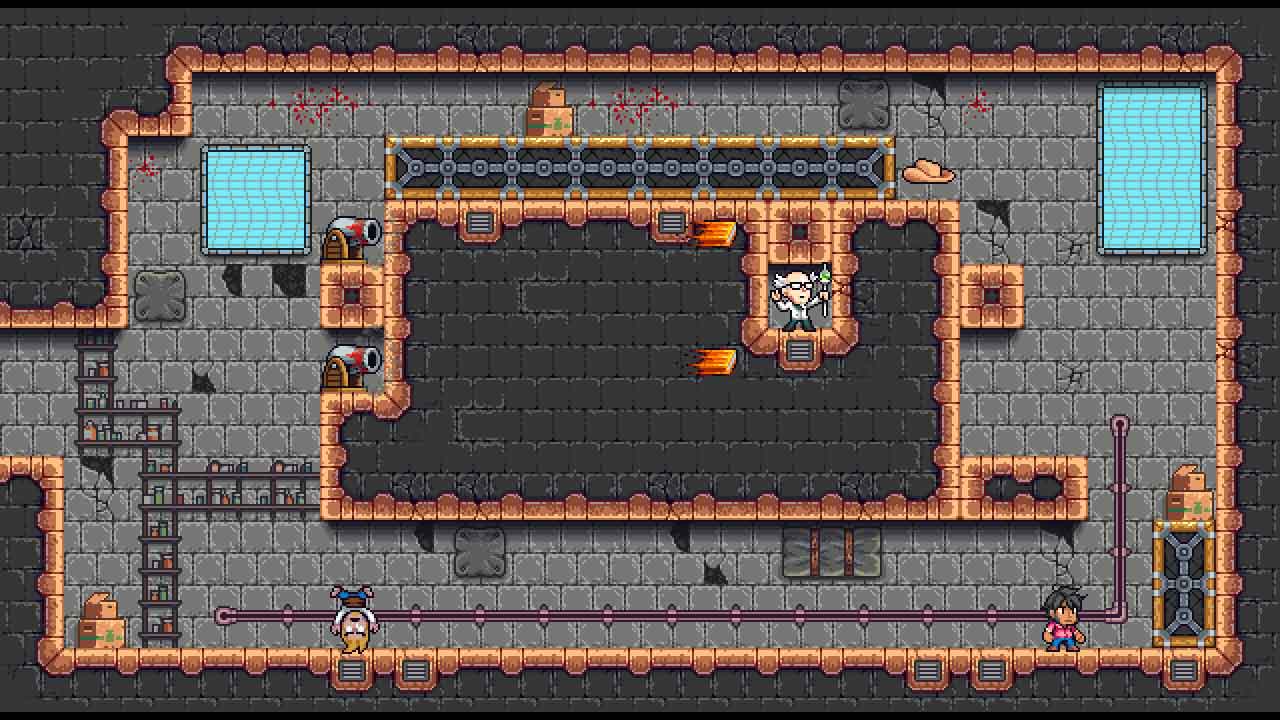
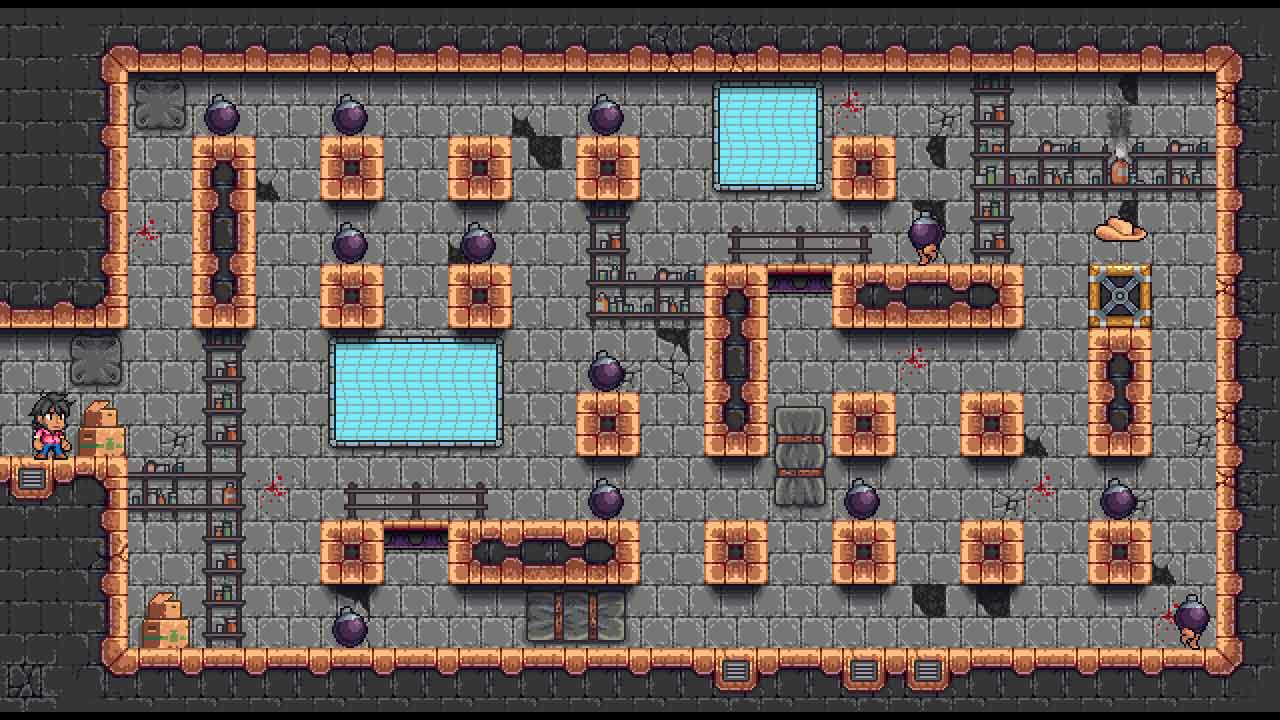
    Progression through the game uses some Metroidvania design, with a world map and layout that’s evocative of so many games in the genre and areas blocked off until you gain new abilities by beating a boss. But that’s as far as the Metroidvania impact goes as the game is broken up into small, self-contained challenge rooms that are a mixture of platforming, combat and timing to get through. Each room is like a little mini-puzzle in survival that requires fast reflexes along with the patience required to work out the patterns in enemy movement and attacks while making sure you don’t get skewered by the many sharp environmental objects, like tacks, that are littering the world.

    Adding onto the game’s difficulty is the use of light procedural generation. Now while the overall map shape remains the same and certain specific rooms and gauntlets remain in place, the bulk of the room layouts will differ both between new runs and, even, reloads. While procedural generation is supposed to give you the feel of a new run each time, it’s not long before you’ll see rooms repeating, even if they’re not in the same place you originally encountered them.

    It’s that procedural generation though that really throws the games difficulty all over the place. The randomisation means that you’re just as likely to run through one, long series of frustrating rooms to reach the next save point as much as a whole bunch of easy ones. Worse yet, are the areas where you’re hitting a weird combination of hard and easy rooms that completely destroys any sense of finely-tuned difficulty progression. Stepping out from a save room could land you in a really hard room, followed up by two easy rooms and then three hard or so. I’m sure you get the point by now. Now while this keeps you on your toes, and you have to be because you can only take two hits before dying, it does the game no favours early on and set me up with a sense of increasing frustration by the time I hit the first boss.

    Here’s the thing though. There’s a point, right after that first boss actually, that The Prisoning: Fletcher’s Quest just clicked for me. Perhaps it was earning the double jump which made navigating the rooms faster and with a little more finesse that did it. Or getting a second bullet so you could fire two shots at once instead of just one and waiting till you’re bullet either hit something or disappeared off-screen before you could fire another. Either way, this is when the game really came alive for me and, dare I say it, became a whole lot more fun.

    Sure, the procedural generation and its difficulty skewing dynamic sticks around. And yeah, the multi-phase boss fights can be a bit much, but somehow, this is when it just starts feeling right. There’s a sense of finding your groove once you understand the mechanics at play that makes even the umpteenth death just another learning experience. And believe me, I died quite a bit.

    If it’s all still a bit much, there is an assist mode available. There’s no description in-game on what this does, but it appears to me that with it enabled, when you die, instead of respawning at the last save point, you respawn at the entrance of the room you died in. Super useful for sure, even though save rooms are liberally placed across the map and you can warp from one save room to another. This just streamlines moving forward and not having to hassle with reaching where you died when the last place you saved at was five rooms ago.

    If you can overlook the procedural generation and its issues and get on board with a truly ancient slice of game design, The Prisoning: Fletcher’s Quest is a lovely looking and fun old-school, arcade platformer with a humourous narrative that just needed a little bit more fine-tuning to reach greatness.

    Pros:

    • Nice, colourful pixel art style
    • Good soundtrack
    • Fun gameplay once you get used to the mechanics
    • Memorable bosses

    Cons:

    • Procedural generation messes with the difficulty curve
    • Very frustrating initially

    Score: 7/10

    The Prisoning: Fletcher’s Quest was reviewed on Nintendo Switch 1/2 using a code provided by the publisher. It is also available on PC.

  • Console Review: Frostpunk 2 (Xbox Series)

    Console Review: Frostpunk 2 (Xbox Series)

    Although I enjoyed my first experience with the Frostpunk IP on console, I had a feeling the port of Frostpunk 2 would prove more challenging. Despite sharing many core mechanics, Frostpunk 2 is far more menu-driven, with a focus on tweaking supply lines and juggling resource allocation across multiple Frostland sites, rather than restrictive city-building in one location. The result is an engrossing sequel with far greater scope and complexity, but it doesn’t always gel with a controller.

    That said, Frostpunk 2 is still a great sequel so long as you’re not after more of the same. The campaign and sandbox-style missions begin with the familiar task of building up a settlement around a generator and exploiting local resources, but it takes less time to establish a logistics hub and dispatch Frostland teams to explore a sprawling over-world map. There are technology paths that focus on fortifying and sustaining a single mega-city by tapping into unlimited resource deposits, but the branching campaign chapters will still force you to explore the Frostlands to either settle or loot distant locations.

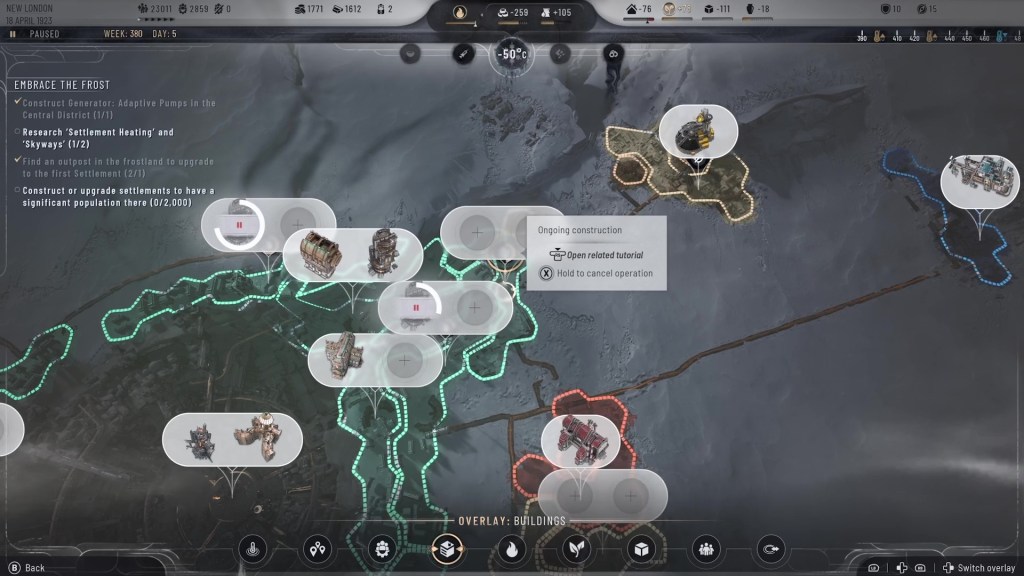
    Frostpunk 2 feels considerably more epic in scope thanks to new mechanics and an accelerated timeframe. The in-game clock hurtles forward through days and weeks, so it plays out over years and decades, rather than the days and months of the original. The city-building elements – which now involve sprawling districts, hubs, and key buildings – feels less exacting. In contrast, menu-driven systems that control the flow of heat and workers across your city are vital, and so too are Frostland supply lines let you balance the flow of colonists, food, fuel, and goods between settlements and outposts.

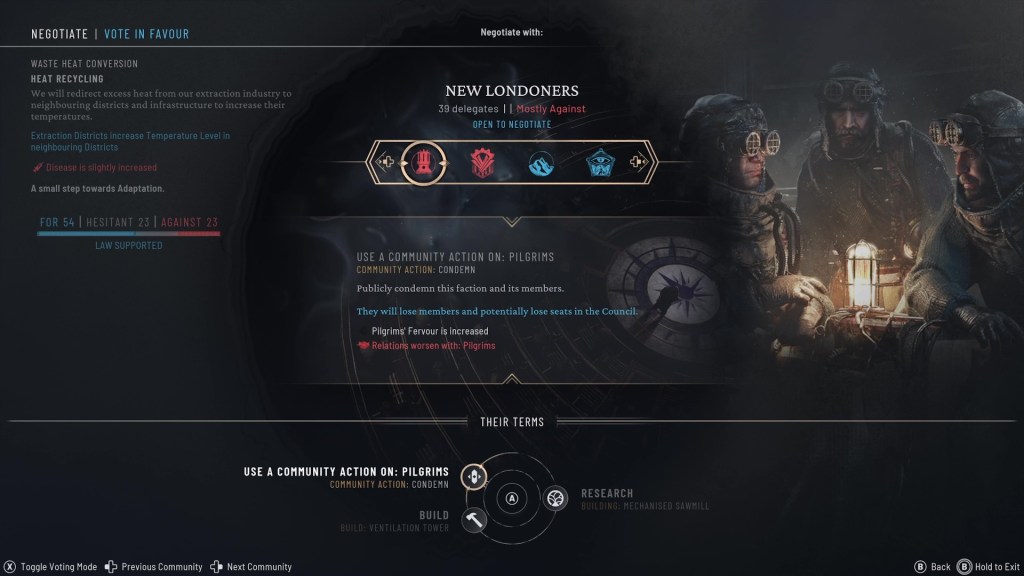
    Some may find the reduced focus on city-building disappointing, but there are new and expanded mechanics to keep you engaged. The most obvious is the new council and enhanced interplay of factions within your city. It starts with a simple vote to keep your player on as a steward (which can trigger an early game-over screen) but you’ll soon find yourself using these council sessions to vote on introducing new laws. These govern everything from education and social support, to policing and healthcare – all of which come with pros, cons, and faction preferences. If you play your cards right, there is even a path to entrench yourself as an autocratic leader who rules by edict.

    Factions can organically support your decisions, negotiate over future policy and research goals, or force you into a vote if you’ve ignored their requests for too long. If a faction gains dominance, they can start claiming housing districts, offer more support if you’re aligned with them, develop potentially problematic rituals, and even rebel against you – damaging structures and your economy. There is plenty of leniency on the lower difficulties, but a combination of social unrest, fanatics, sabotage, and the elements can conspire to destroy your settlement if problems are left to fester.

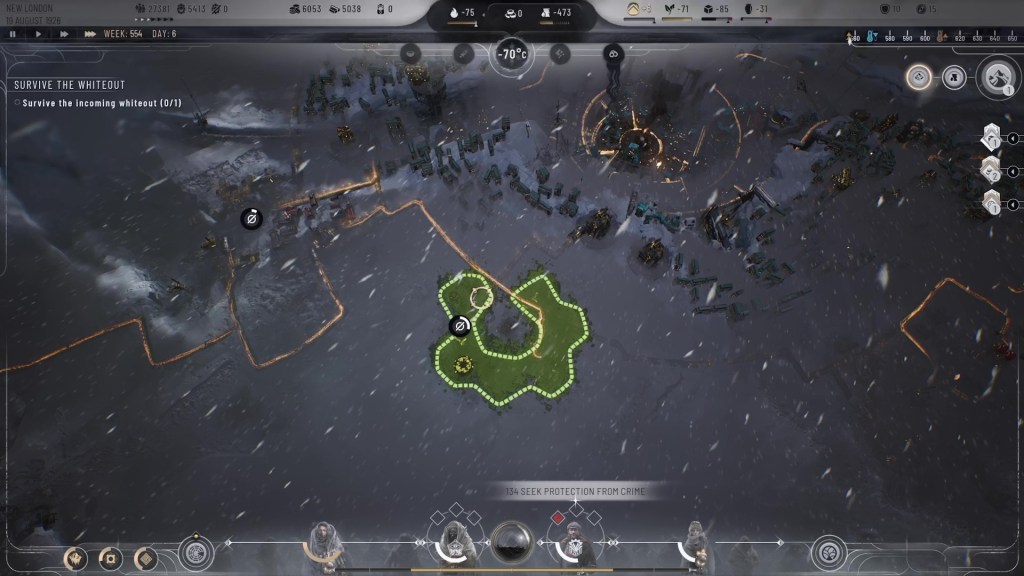
    It is a complex and sometimes overwhelming interplay of systems, but it is incredibly satisfying to keep your city thriving on the edge of disaster – especially when you are reaping the rewards of an earlier narrative decision or newly researched technology. Gameplay can feel dry as you simply define development zones, flip between information overlays, and shift sliders, but the audiovisual elements are immersive. The city announcer, citizen comments, and short narrative vignettes convey the impact of your choices. Machines clear the ice, basic foundations grow into bustling districts, and well-lit paths and heat pipes connect them. Better still, you can zoom right out into the Frostlands view, zoom back into secondary settlements, or pan across the over-world map to track approaching Whiteout storms that still threaten your settlements from time to time and cut off distant outposts.

    Unfortunately, all that complexity means playing Frostpunk 2 on console (or on PC using a gamepad) will have you fighting the controls just often enough to be frustrating. Selecting the wrong structure in a radial menu or placing a district in the wrong spot is annoying but manageable. Struggling to navigate the screen overlay icons or struggling to shift sliders in sensible increments is far more impactful as the game goes on. When you throw in other annoyances – like repeatedly zooming into a settlement while trying to connect Frostland supply lines, or tutorial pop-ups that won’t close – Frostpunk 2 can begin to grate. I just hope 11 bit Studios is still working on refining the control scheme as the rest of the package is an excellent choice for fans of the city-builders and management games with a survival twist.

    Pros:

    • It’s easier to establish interconnected cities and settlements
    • Managing political factions is almost as stressful as managing resources and the elements
    • The choice-driven campaign changes up how later chapters play out
    • Generator cities, settlements, and the Frostlands all look and sound more beautiful than ever

    Cons:

    • The gamepad control scheme feels smartly designed but is awkward and sometimes frustrating in practice
    • It can feel like a pure management game at times as you navigate menus, overlays, and maps

    Score: 7/10

    Frostpunk 2 was reviewed on Xbox Series S|X using a code provided to gameblur by the publisher. It is also available on PC and PS5.
  • Editorial: Kvark offers a taste of Half-Life that’s increasingly hard to find on console

    Editorial: Kvark offers a taste of Half-Life that’s increasingly hard to find on console

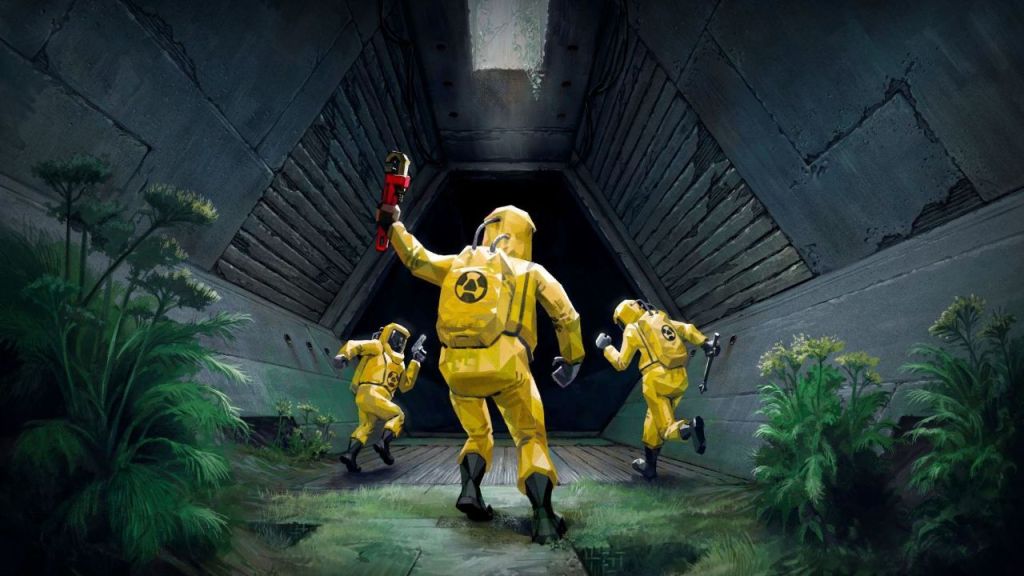
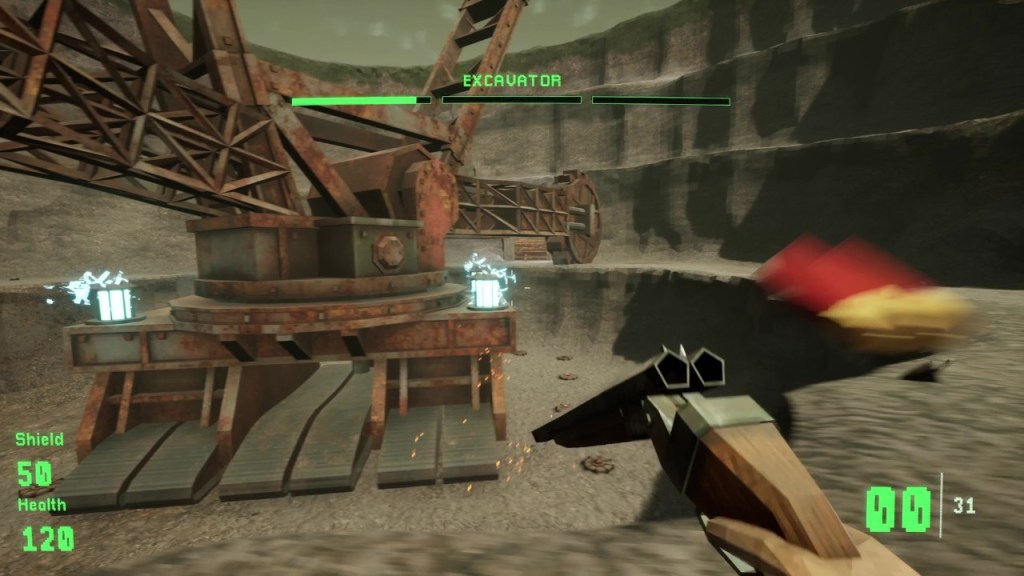
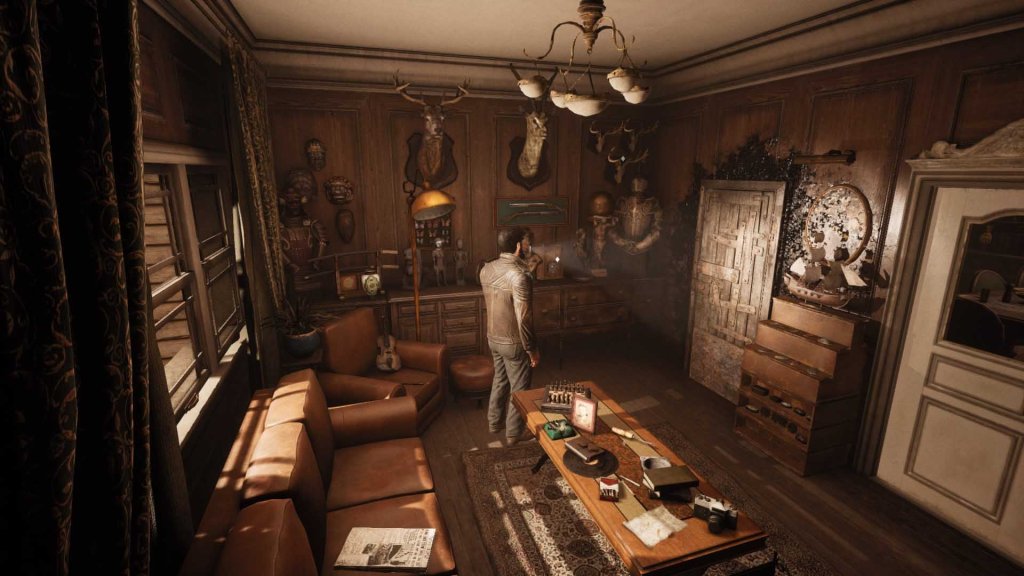
    Looking at Kvark’s retro-styled visuals, industrial complex setting, and science-gone-wrong premise, it is easy enough to make Half-Life comparisons – but those features could apply to hundreds of games released since 1998. The Half-Life characteristic that Kvark emulates best is that satisfying, cyclic rhythm between exploration, environmental puzzles, and brief, brutal firefights. Kvark released on PC near the end of last year, but I wanted to replay the console port as there are few games that capture the essence of Half-Life on console, and Valve seems disinterested in preserving access to their Xbox 360- and PS3-era ports like The Orange Box collection and the Left 4 Dead games.

    Unlike Half-Life‘s unexpectedly strong narrative thread, Kvark sticks to the classic retro-FPS approach of providing some light context and leaving the rest up to the player. It takes place in an alternate-history Czech Republic, under Soviet-style rule during the Cold War period. The titular “Kvark” corporation has moved on from nuclear power, to nuclear weapons, and finally a dubious injectable substance – “anethium” – to create super-workers and super-soldiers. It’s a videogame setup we’ve seen a hundred times before, so it should come as no surprise your prisoner protagonist wakes up in a cell to discover both human clean-up teams and grotesque mutants are out to kill them.

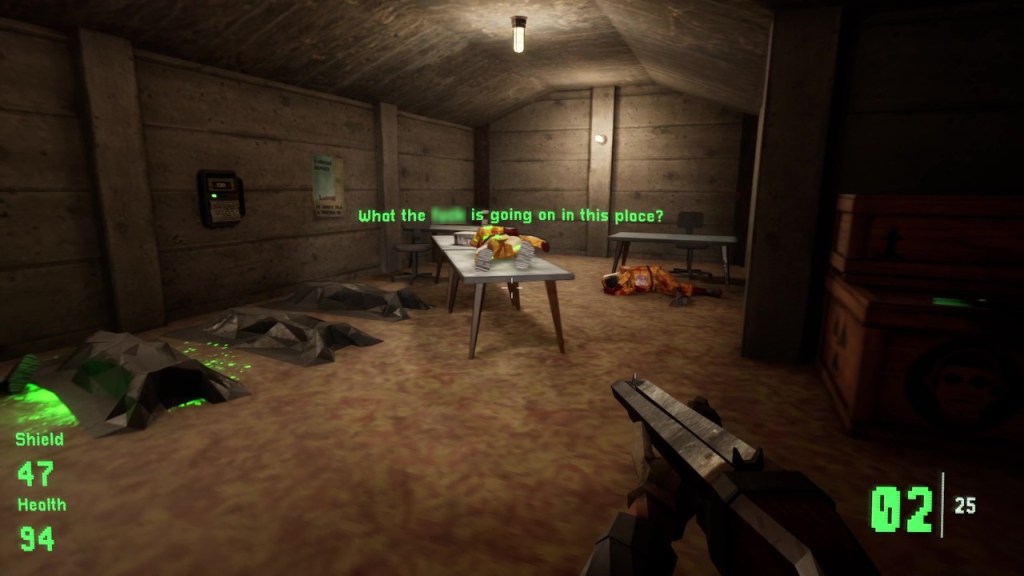
    There are entertaining propaganda videos that reveal what the corporation has been up to and hint at the threats you’ll face in the upcoming chapter, but the bulk of the storytelling is handled by scattered notes or hidden drawings that reveal the ineptitude of the government and staff, or provide the odd code or hint to access secret areas. Survival is your primary goal, and as the Kvark complex was relocated far underground to avoid the gaze of Western imperialist spies, that means an 8–10-hour gauntlet through prisons, sewers, manufacturing facilities, mines, laboratories, and quarantine zones. The overall tone is one of dark, cynical humour, but it can feel suitably oppressive and tense, with open skies only appearing in the final third of the game.

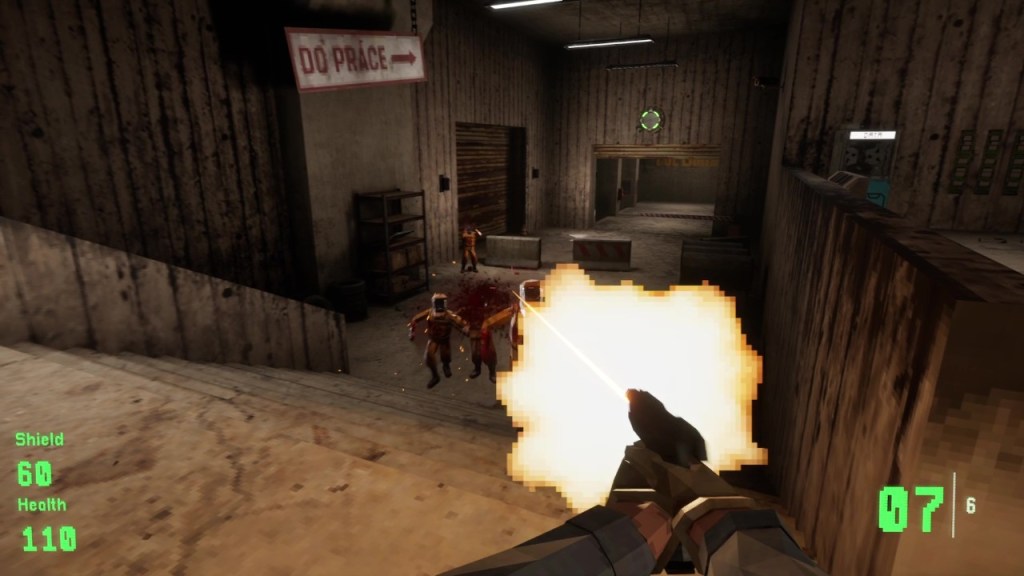
    Gameplaywise, Kvark focusses on what all good first-person shooters should: responsive movement; weapons that look, sound, and feel good to use; and hand-crafted combat encounters against a variety of enemy types that force you to use your full arsenal. There’s nothing inherently novel about the shooting or the traditional weapon categories – ranging from a mostly ceremonial wrench through a pistol, shotguns, rifles, a crossbow, an energy weapon, a grenade, and a minigun – but they all have a situational use and limited ammunition reserves that prevent you from just sticking to an allrounder. Even the perfunctory skill tree, which encourages you to hunt for anethium injectables, offers mostly incremental buffs and one risk-reward perk that reduces total health and healing efficiency in exchange for health gain through kills.

    With solid but familiar foundations, it’s that aforementioned rhythm of exploration and environmental puzzling, interspersed with bouts of violent combat, that channel Half-Life vibes. Aside from a few short-lived platforming sections in the second chapter, both the level design and variety feel good given its length, with many looping back, over, or under themselves to give an impressive sense of scale. Within the ruined corridors, rooms, and vents of the facility you’ll scrounge for weapons, ammunition, and secrets; you’ll flip switches, connect cables, ride carts, and activate machinery to open the way forward; and you’ll deal with clean-up squads and hordes of mutants by staying mobile, kiting melee enemies, prioritising those with ranged attacks, and making use of explosives (or explosive hazards) – all before shifting back to exploring for more resources in preparation for the next combat encounter.

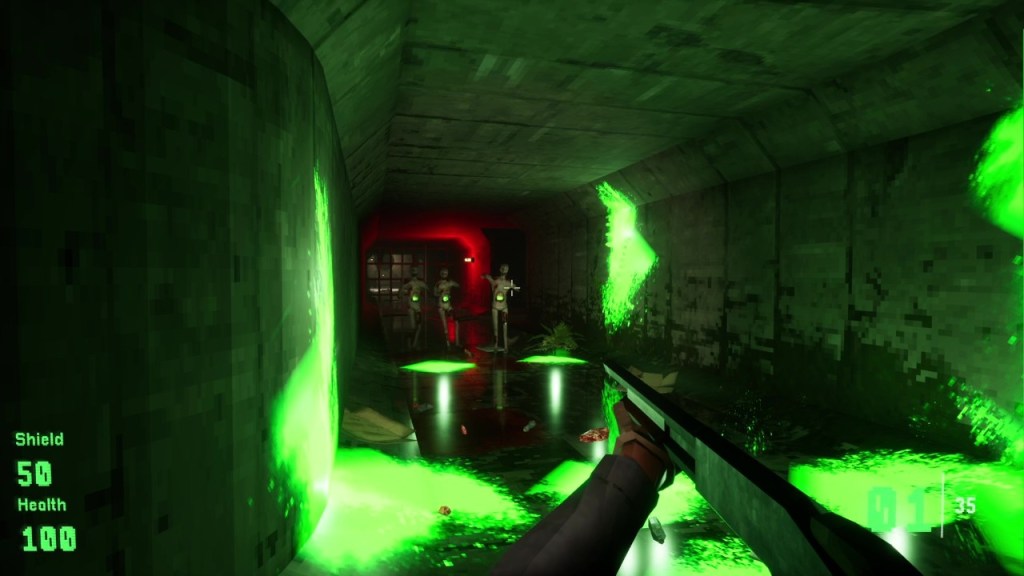
    Kvark feels more forgiving than it did during early access period, but the checkpoints and resource stashes still feel balanced around surviving a handful of significant encounters each level – encouraging a more methodical and tactical approach to firefights on all but the easiest difficulty. As the game progresses, you’ll encounter larger mobs in bigger and more hazardous arenas that’ll test your shooting skills or your ability to scavenge resources mid-battle. Mutated rats, spiders, and zombies rush you or spew glowing goo and webbing that make fighting in tight spaces a pain. Clean-up squads force you to use cover as they evolve from baton- and pistol-wielding goons supported by flying drones, into armoured squads with shotguns, flamethrowers, miniguns, and robot support. With the action confined to an arena, it was only the three boss encounters that felt more annoying than challenging, with the focus on dealing with mobs while avoiding AoE attacks and hitting weak-points.

    When it comes to the presentation, Kvark will likely be divisive. I enjoy the clean, retro-styled visuals imitating early fully-3D environments and the ability to interact with so many objects, but there is a lot of asset reuse to build out the more sprawling levels. Every other element feels near-perfect, from the blocky character models, crude weapon animations, and chunky gore effects, to the ambient audio, roar of gunfire, and a mostly subdued electronic soundtrack that ramps up during combat. It also ran smoothly on an Xbox Series X – performance that’ll likely hold true for current-gen consoles – with a helpful touch of auto-aim and some decent rumble feedback for gunfire and footsteps. The only notable issues I found (as of this review going up) were several crashes during the second level of the first chapter, and the placement of some checkpoints at the entrance of restock rooms instead of at the exit, so you have to collect everything again after reloading.

    Taken as a whole, Kvark doesn’t offer much novelty when it comes to the premise, mechanics, or visual style, but it has something so many modern games lack – rhythm and pacing. You could go back and call Half-Life dated based on the visuals, limited set-pieces, and no progression mechanics, but I’d challenge anyone to play it and claim it’s not fun. Kvark is not as timeless, sure, but it finds a similar groove by ensuring you’re constantly cycling between exploration, light puzzling, and brutal firefights, all before hitting the next checkpoint and starting the cycle anew. As such, Kvark is easy to recommend – especially at an indie price-point – to fans of the genre that play on console and want a taste of that classic Half-Life formula.

    Kvark was played on Xbox Series S|X using a code provided to gameblur by the publisher. It is also available on PC, Xbox One, PS4/5, and Nintendo Switch.

  • Review: Crow Country (Xbox Series)

    Review: Crow Country (Xbox Series)

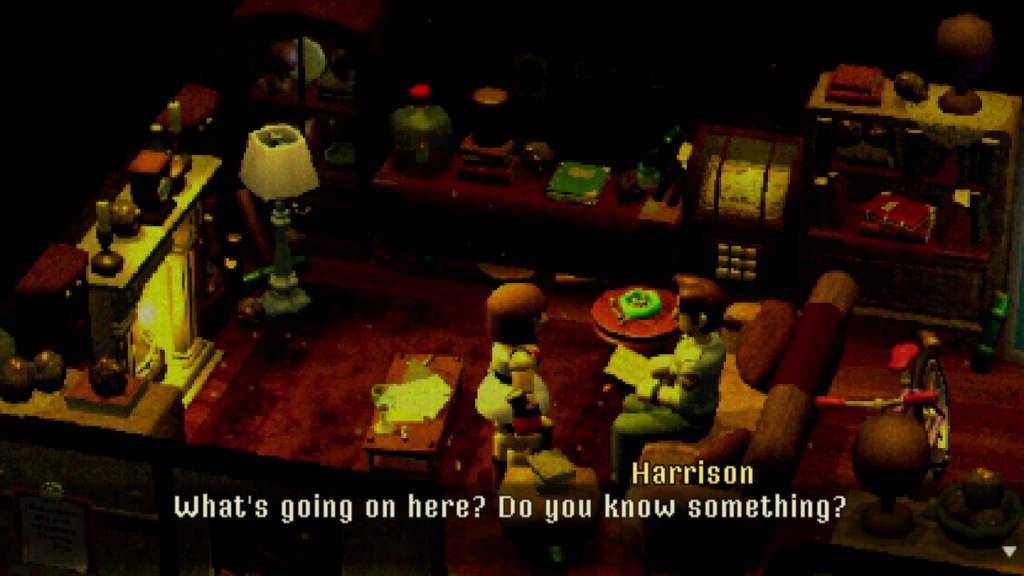
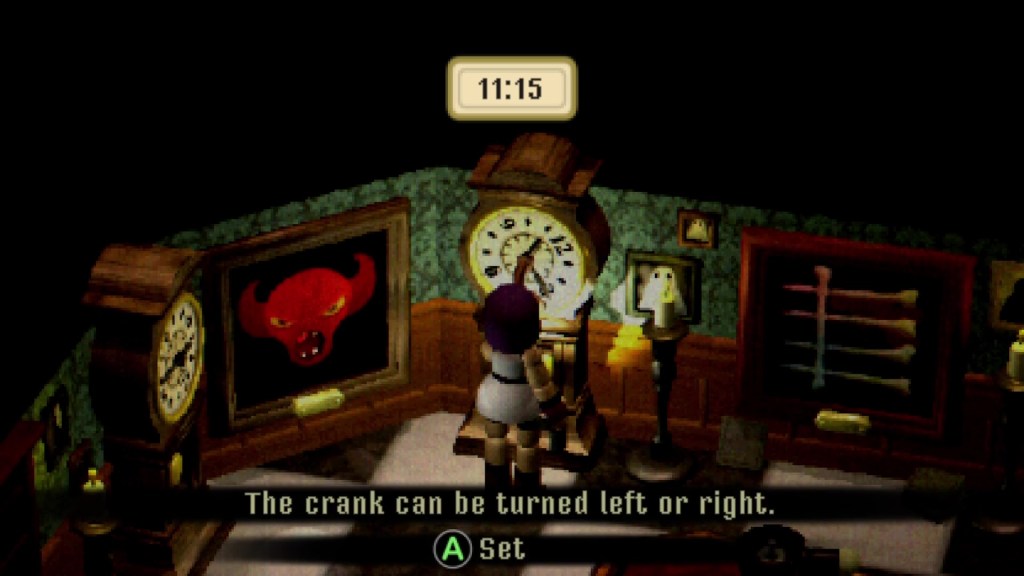
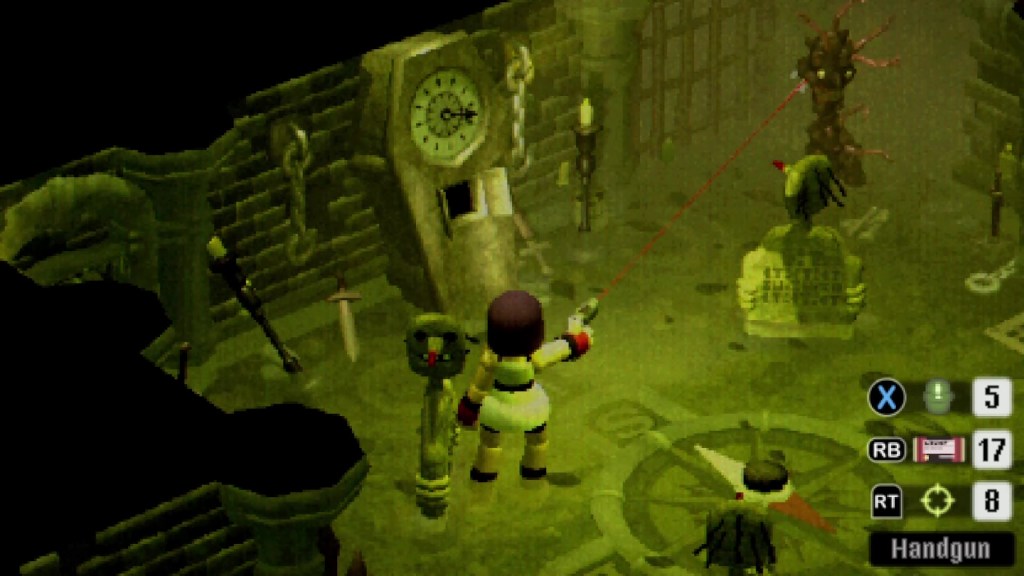
    Crow Country is an accessible retro-inspired survival-horror game that does an impressive job capturing the look and feel of early 3D isometric games that came out on the PS1 or SEGA Saturn during the late-‘90s. The structure and gameplay feel like Resident Evil with a hint of Parasite Eve II, while the environments feel like a mix of Silent Hill and any number of chunky JRPGs from that period. It’s a distinctly cute but creepy vibe. Viewed as a love letter to those classic games, it’s brilliant, but being dependent on those associations is also a mixed blessing. It’s smartly made and polished – but without that nostalgic hook, I’m not sure it has a unique identity like Lone Survivor or Signalis had.

    That said, Crow Country hits all the right notes as the opening leaves the player feeling vulnerable, unsettled, and confused. Mara – special agent Mara Forest apparently – is a capable but unreadable protagonist who is clearly keeping secrets from the player and the supporting cast. Arriving at the abandoned Crow Country amusement park, 2-years after an incident shut it down, she’s quick to shoot her way in through a padlocked gate; shrug off horrific encounters; wield a myriad of weapons; and solve convoluted puzzles that leave the other survivors stumped. Her connection to the park is unclear, and neither is the reason behind her pursuit of the missing owner, Edward Crow. She’s evasive in dialogue and even her comments on environmental details give only the slightest inkling of her personality and past.

    It’s not just Mara though, as many of cast were former staff and clearly complicit in the unfolding events. As a result, simply unravelling the mystery was a strong motivator to keep playing. What was the nature of the incident that shut down the park and drew the attention of a photojournalist and lawyer? Why have Edward Crow’s daughter, former colleagues, and a detective all arrived on this specific evening? What does an American amusement park have to do with a Brazilian gold mine? What are these bizarre creatures that the former staff refer to as “guests”? And who is Mara really? It’s a solid setup with some predictable and some unexpected twists. The environment changes over the course of the night, hinting more and more as to the nature of the threat – though the ending sequence is a bit of an exposition dump that expects you to read a note, midway through the final encounter, if you want all the details.

    After the narrative, it was the mandatory puzzles and over a dozen hidden secrets that hooked me. The amusement park setting, and an increasingly paranoid Edward Crow provide narrative context for the Resident Evil-style structure. As with that game, Crow Country gets a lot of mileage out of a small but dense location, so you’ll often know exactly where you’re trying to go – though you’ll only get there several hours later after jumping through an inordinate number of hoops. Thankfully, Crow Country has some great interconnected puzzles, rather than just hiding keys and data discs behind boss fights. They are present, I guess, but you can run away from everything (outside of the final encounter) and still make progress.

    In authentically classic fashion, you’ll be scouring the environment for key items, clues, and notes – with a handy map that marks the location of unsolved puzzles or points-of-interest to guide you. There are keypads and locks that just require the right code or key; there are logic puzzles that require entering the right sequence of events or the correct values; and there are arcade mini-games and plenty of weird use-item-on-object puzzles befitting the setting. The rest of the cast also have a role to play beyond storytelling as they sometimes provide you with clues or assist in a puzzle – though even if you completely ignore the few you aren’t forced to talk to, the ending variations are negligible.

    Of course, this is a survival-horror game and Mara is packing heat, so shooting your way through the park is a viable strategy if you’re methodical, tactical, and cautious. Sadly, while I love classic resource management, the combat is my least favourite element and goes hand-in-hand with the camera issues. The close isometric viewpoint is appropriately claustrophobic, but you’ve got to combine stand-and-aim shooting mechanics that use the left thumbstick, with camera rotation on the right thumbstick to track enemies. The system allows for precision targeting of item crates, weak-points, and environmental hazards well enough, but it snaps the camera in the direction Mara is facing, which is a real pain in the arse when you’re trying to clear some distance before turning around to shoot again. An option for classic tank controls provides a more reliable option for Mara’s movement, but my brain struggled to coordinate orienting by d-pad while simultaneously rotating the camera.

    Thankfully, Crow Country is not a particularly hard game, even if more monsters, traps, and even fake pick-ups appear as the night progresses – almost Parasite Eve II-style. There’s an “Exploration Mode” that keeps enemies passive, but even the ranked “Survival Horror” mode features an abundance of resources, easy to avoid enemies, and very few high-damage or insta-kill encounters. There are all the basics you would expect from the genre – useful shortcuts and smartly distributed safe rooms with soothing music and sources of fire that serve as manual save points – but you can also get hints from a fortune teller machine, refill pistol bullets from Mara’s car, rummage through dustbins and vending machines for supplies when you’re running low, and several secrets include overpowered weapons and upgrades. Playtime and the number of saves you make don’t affect the ranking score, so you can be super cautious and use the rewards from lower ranks to make subsequent runs much easier if you’re chasing an S+ rank or speed-running the game.

    Looping back to the start, Crow Country does a phenomenal job of emulating late-’90s survival-horror games, nailing the look, sound, and claustrophobic terror that those early 3D environments excelled at. It’s got an intriguing narrative and fantastic puzzles to keep you engaged during a brisk 5–6-hour initial run, though the wonky gunplay and camera control are more likely to frustrate than generate tension. As Crow Country can feel like a greatest hits collection of classic IP, it’ll most likely resonate with retro-gaming fans or those who grew up playing early survival-horror games – but given it’s so accessible, it might also be a good choice for those wanting just a taste of how classic survival-horror games played.

    Pros:

    • It does an great job capturing the look and feel of early 3D isometric games from the PS1 and Saturn era
    • The unravelling plot is intriguing and well-paced
    • The puzzles and secrets are smartly designed
    • It gets a lot of mileage out of a small but dense environment

    Cons:

    • The gunplay and camera are more likely to frustrate than generate tension
    • It can feel more like a homage to the classics than its own thing

    Score: 8/10

    Crow Country was played on Xbox Series S|X using a code provided to gameblur by the publisher. It is also available on PC and PS5.
  • Retrospective: The Last Guardian (2016)

    Retrospective: The Last Guardian (2016)

    There are many games I enjoy that are objectively average or bad, and quite a few I dislike that consensus tells me are good. The Last Guardian sits somewhere in the middle as one of the rare games I desperately wanted to like more than I did.

    Coming from the now defunct Studio Japan and director Fumito Ueda – of Ico and Shadow of the Colossus fame – and having gone through a tortuous development cycle going back to the PlayStation 3 era, The Last Guardian is an unevenly paced journey, with incredible storytelling and audiovisual spectacle shackled to clunky and often frustrating gameplay.

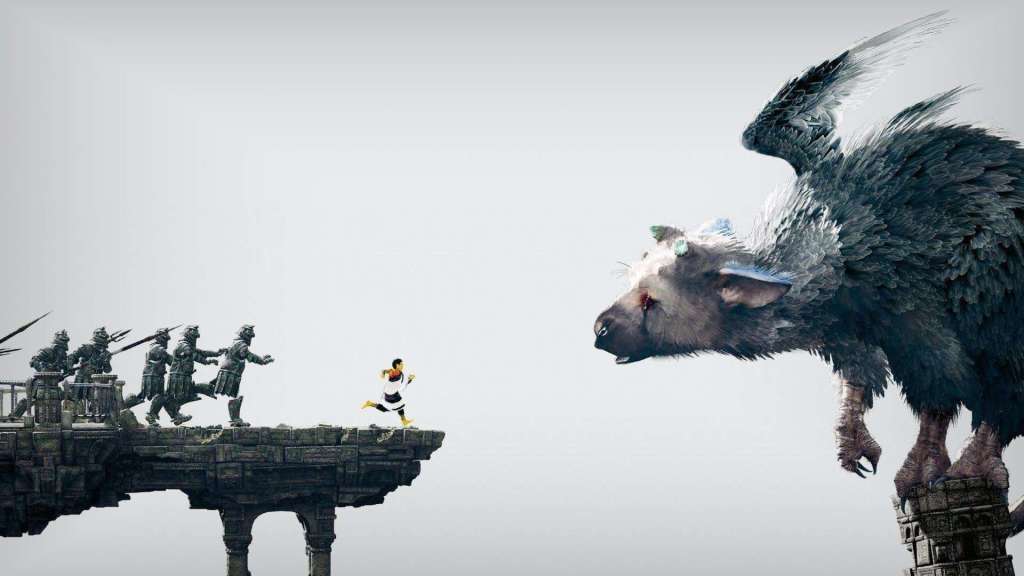
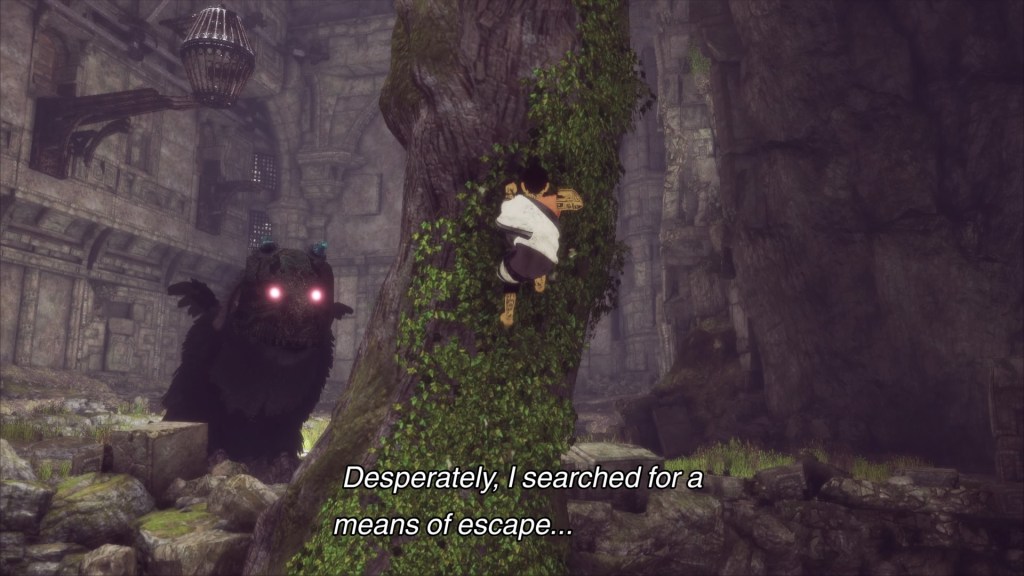
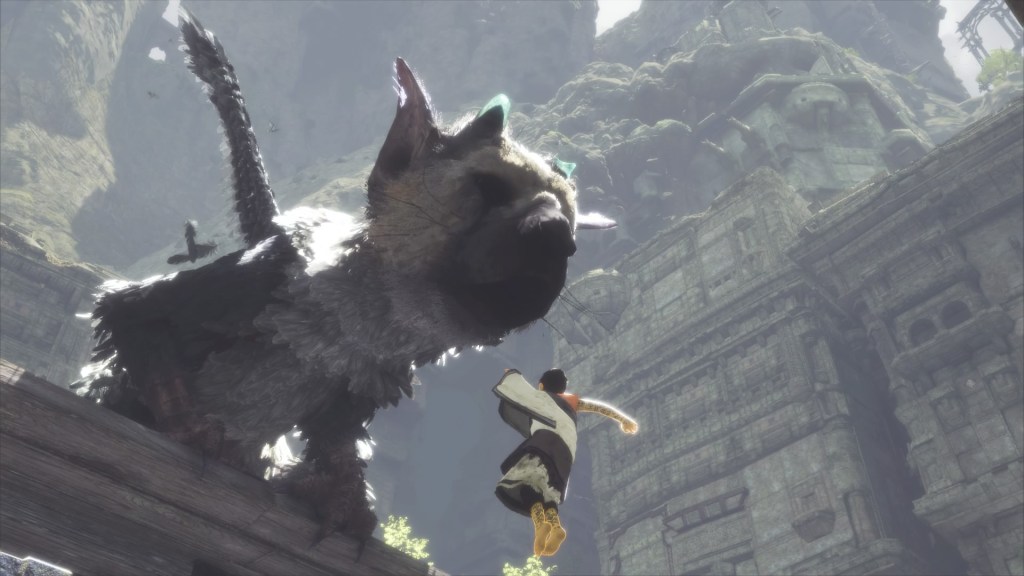
    The Last Guardian follows the trials and tribulations of a young boy who awakens in a cave alongside a wounded chimera, “Trico”, with no idea where he is, how he got there, or what the tattoos that now cover his body mean. Just like Ueda’s prior games, it features a compelling mix of oppressive isolation, risky platforming, and wondrous discovery that only makes sense from the perspective of a child.

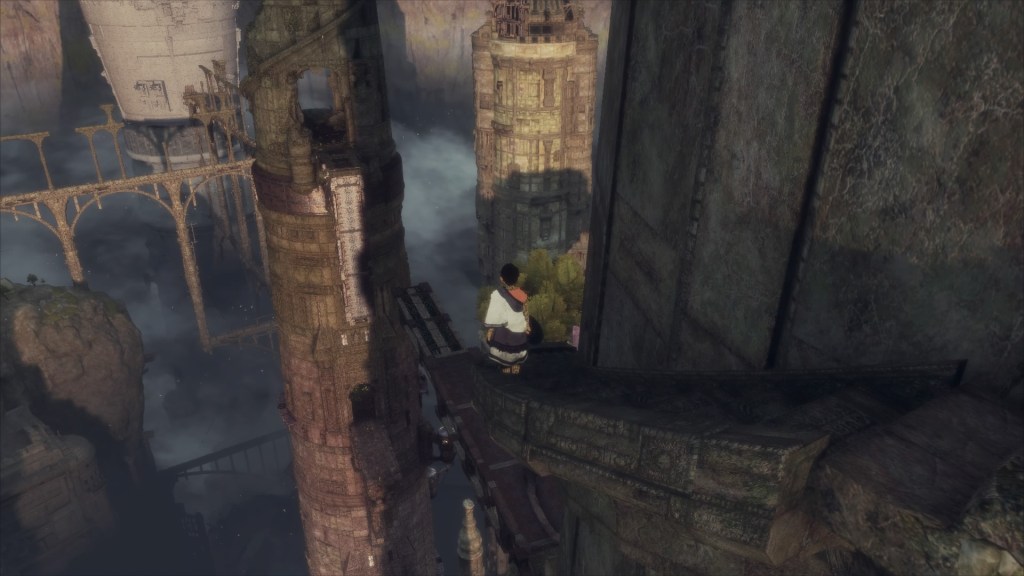
    The ancient ruins are sprawling but also vertical and continuous, ensuring you can often see where you need to be and look back from whence you came. Despite the scale, there’s plenty of fine detail as both environmental storytelling and character interactions carry the story, with limited narration – much of it for guidance if you get stuck – and only a handful of cutscenes that eventually reveal past events.

    It’s not the most original story of a child and beast bonding and saving one another from a shared threat, but it is beautifully told through the aforementioned cutscenes and evolving in-game interactions. The journey is full of literal ups and downs as the boy and Trico try to access a mysterious tower that dominates the ruins – a tower seemingly protected by other aggressive chimera and a source of much pain for Trico.

    After key moments in the story, their bond grows and the boy gains more direct control of Trico through a series of simple, exaggerated gestures. Simultaneously, Trico regrows its feathers and horns, becomes more assertive in pointing out the way forward, and acts without needing player input – but it also becomes more tender and protective of the boy.

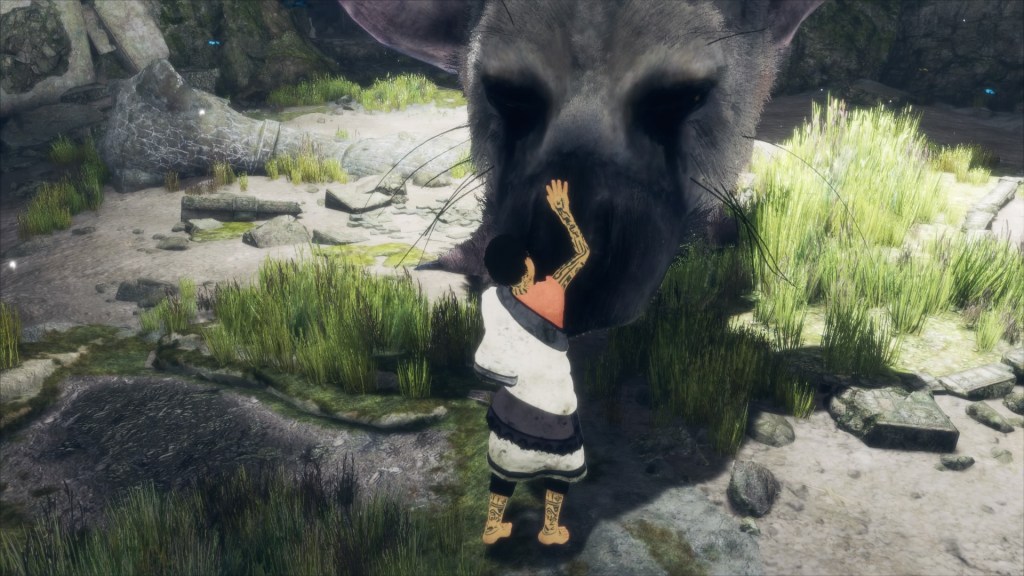
    If nothing else, The Last Guardian is a game for pet lovers – so long as you can take the emotional highs and with the gut-punching lows. Trico feels like a mix of kitten and dog – clumsy, playful, and nimble, but also loyal, protective, and food-obsessed. Interactions are wonderfully animated, as Trico investigates and prods the environment, fixates on barrels of blue food, and nuzzles the boy playfully if you remain idle. On the other hand, it’s devastating to watch Trico limp around and whimper when injured, or become manic and uncontrollable when frightened or enraged.

    Feeding and calming Trico are in-game mechanics, and the boy can stroke it in several spots to elicit different reactions. Despite the increasingly weird and fantastical setting, these small and significant animation details make their evolving relationship feel real.

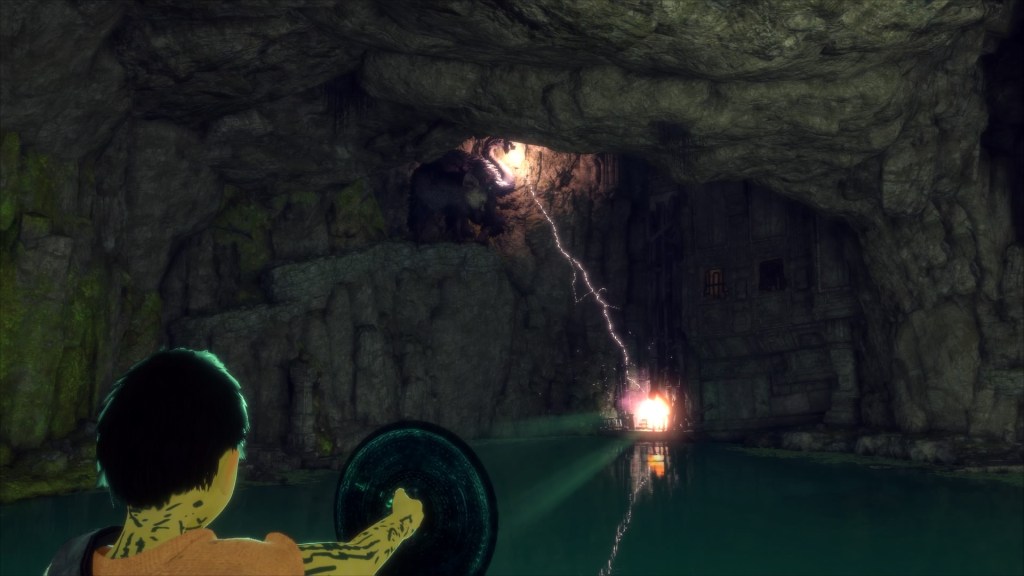
    Unfortunately, The Last Guardian rarely plays as well as it looks and sounds – especially during an opening half that features gameplay scenarios frustrating by design. For the first few hours, the boy can only call Trico towards a location; cling to Trico’s flank or leap from its back to reach high places; and very briefly use a shield to clear obstacles with tail-spawned lightning before it disappears until the final act.

    Given Trico’s often erratic movement in confined spaces and around jump points, far too much time is spent repeatedly shuffling the boy around and spamming the “call” button, then desperately clambering onto Trico’s back while praying it doesn’t start moving.

    Now, given Trico becomes more controllable and helpful over time – saving the boy from certain doom multiple times thanks to his indestructible shirt and wrists of steel – it’s much easier to forgive this design when The Last Guardian can be completed in a dozen hours.

    What doesn’t improve, however, are the loose and inconsistent controls, which make platforming and puzzle elements feel too unpredictable. A big part of the problem is how The Last Guardian frequently shifts between free- and semi-fixed camera control, which makes it difficult to predict which direction the boy will jump, and often sends Trico leaping back across a chasm you just struggled to clear. Mercifully, checkpoints were frequent enough to limit time lost.

    Unfortunately, there are other gameplay issues. The first is a common problem with all cinematic games – not doing what the developers expected. A prime example was a cave-in that had me clambering around trying to free Trico, when what I needed to do was abandon Trico and walk away down a corridor until I encountered hostile spectral armour, triggering a scripted sequence.

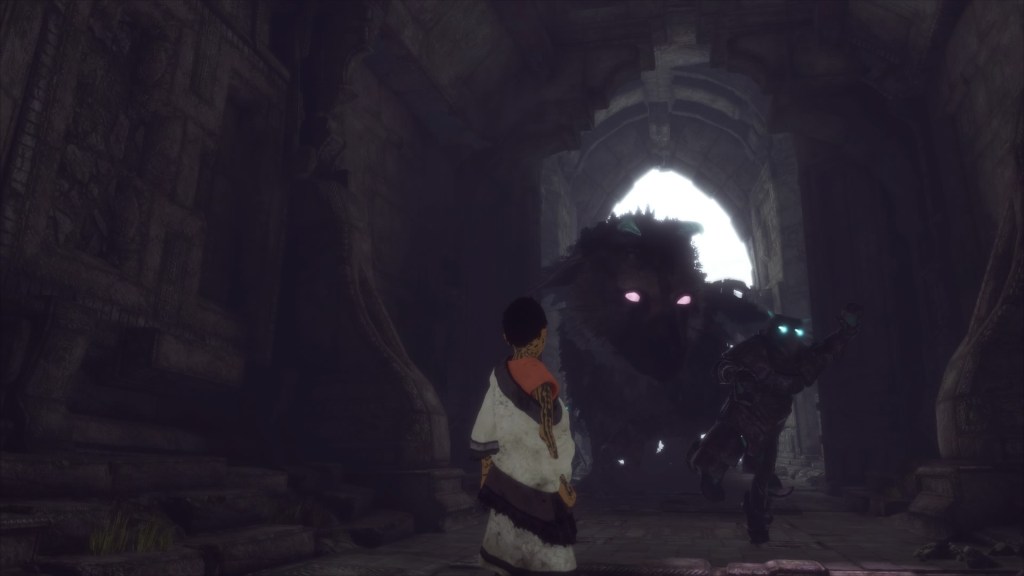
    Talking of spectral armour, Trico is quick to smash them apart but, when separated, they chase down the boy and attempt to carry him off. It’s a fate easily circumvented by mashing buttons, but while it initially added tension to puzzle sequences, these encounters soon become annoying. You either run loops to clear space or just accept endless button-mashing disruptions.

    To The Last Guardian’s credit, there is a cutscene around two-thirds of the way through the game that felt like a pay-off, followed soon after by the reappearance of the shield and the catharsis that comes from blasting them apart with lightning.

    Now returning to my point about wanting to like The Last Guardian more than I did, it is still a game I’d recommend everyone try despite my issues with it – and not least of all because it’s frequently discounted, still looks incredible, and has a 60fps update for the PS5 that make it feel smoother but does little to remedy the control issues.

    Aside from being an intensely cinematic, audiovisual spectacle the PlayStation brand has become renowned for, The Last Guardian is one of the few games that manages to capture the subtleties of human-animal bonds by smartly working into the narrative, animations, and gameplay mechanics. Animal companions have become ubiquitous in modern games, but most are little more than easily marketable gimmicks that function as cute accessories you can pet when you’re bored. Despite the potential for frustration, The Last Guardian‘s mythical Trico feels more real than any other animal companion in video games that came before it or since.

    The Last Guardian is available on PS4 and PS5.
  • Review: Song of Horror (PS4)

    Review: Song of Horror (PS4)

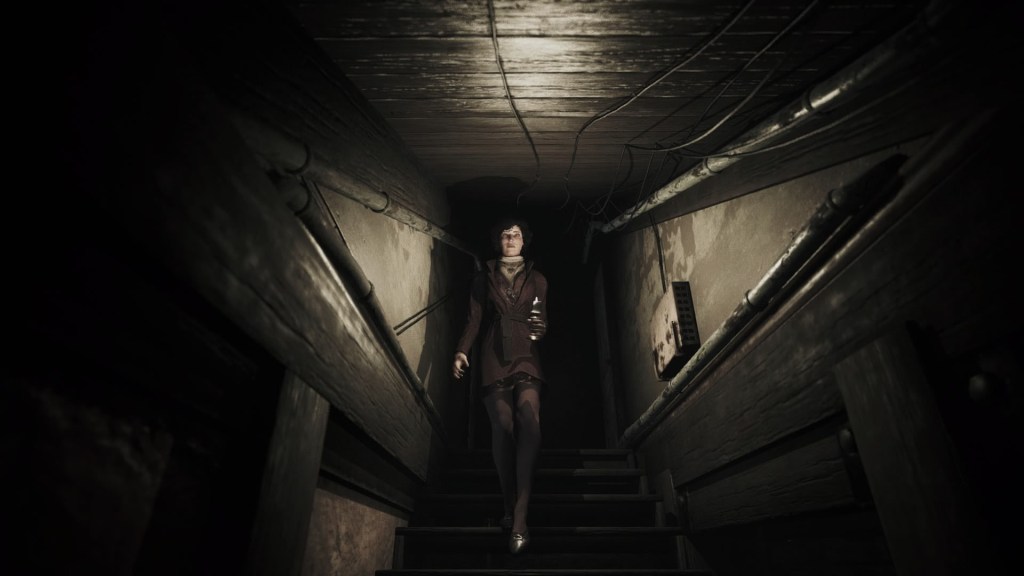
    Travel with me, if you will, back to the 1990’s when survival horror titles were all the rage. When pre-rendered backdrops presented an immense amount of world depth and tank controls were just another challenge to be overcome. To the days when Resident Evil and all its sundry impersonators were the juggernauts of our nightmares and thrilled us late into the night.
    Time has moved on since then, with the likes of Resident Evil reinventing itself into a brand new Juggernaut, yet the thrill of those games remains ever vigilant in our nostalgic memories, providing moments and scenarios that we still talk about enthusiastically today. Even if replaying them in the light of modern amenities removes some of their sheen and lets us realise that some things were best left in the afterglow of our memories. Not that we would ever really admit that.

    If this longing for the gloried past of survival horror games still has a hold on you, then look no further than Song of Horror for this retro-inspired title has all the goods. Developer Protocol Games brings back the heyday of 90’s survival horror games, warts and all.

    Set during 1998, Song of Horror begins with the disappearance of author Sebastian Husher. Sent by his publisher to find him, Daniel Noyer soon disappears as well and it’s up to a varied group of individuals to find both him and what happened to Husher and how it all seems to tie into a missing music box. Before long our protagonists find themselves haunted by a malignant supernatural presence. Spanning five episodes, it’s up to you to find the origin of the curse and hopefully, some way to nullify it, before you’re dragged screaming into the darkness.

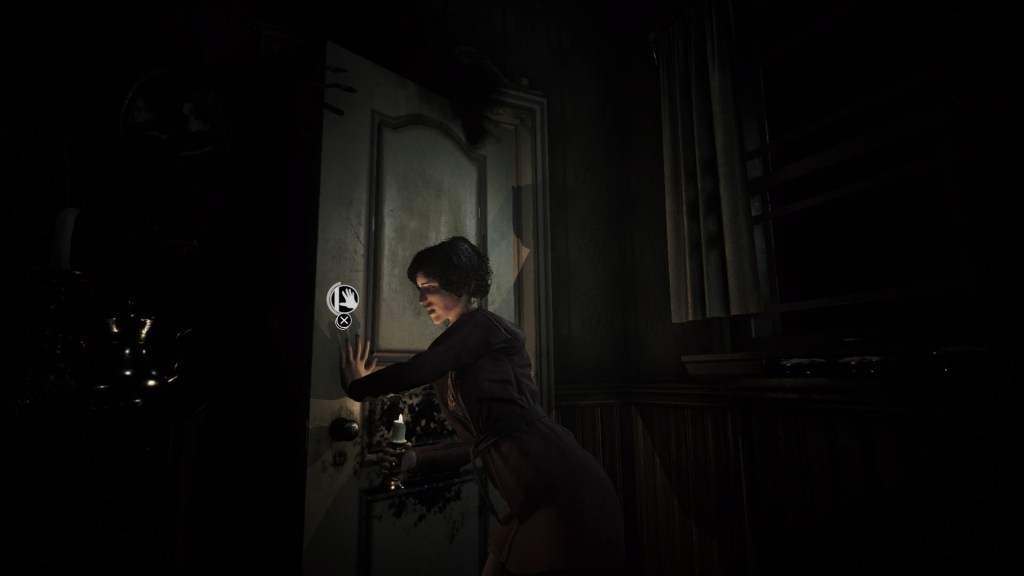
    If you’ve played any survival horror game in the last two decades, then you’ll know exactly how Song of Horror plays. You’ll investigate each location for clues and items to use to solve the puzzles around you while reading the notes left behind to further the story and explain why each location is devoid of human life. Because Song of Horror focuses on a cursed music box, sound plays a vital role in the game. If you choose to run, the noise you make can attract the entity, known as The Presence, to your location. This adds a wrinkle to how fast you can get through each location to the game’s overall mechanics. Paying attention to the noises around you are vital to your survival. One of the mechanics of listening at a door to what’s behind it before you open a room, will save you from many instant death moments.

    And these moments are frequent, depending on the difficulty you choose. Song of Horror is littered with instant death moments and trap locations. If you hear crying behind a door, then it’s not a good idea to enter the room, as is pulling the tarp off a strangely covered mirror in a storage room or sticking your hand into a bathtub full of grotty water. Song of Horror is designed with permadeath in mind, meaning you can lose the character you’re playing with permanently if you’re not careful. Lose all the characters or the main one for the game and you’ll have to restart the episode. When a new character enters the fray, you can pick up the previous characters items where they perished.

    With four difficulty settings to choose from, each named after a horror writer such as M. R. James and Edgar Allen Poe, determine the games severity. Higher difficulties have more shock encounters and permadeath is a feature of all, with one caveat. The easiest difficulty lets you load up a checkpoint save when a character dies to just before that fatal moment if you’re not in the mood to lose anyone. With Trophies for completing each episode without losing a character and for completing each episode with every character available for that scenario, gives completionists a reason to replay.

    The game has no combat as you can’t fight The Presence. The most you can do is hide from it or interact in mini-games that have you trying to slam a door closed in time while it’s trying to break through or to control your breathing while hiding from one of its manifestations. Knowing your surroundings is important so that you can get to a cupboard or beneath a table in time. Hiding spots do get scarcer as the game progresses.

    Song of Horror places you in familiar haunted locales; an abandoned manor, a mental hospital, an empty apartment block, etc. The scares are also of the traditional haunted house variety, though there’s definitely an Asian horror vibe to many of the manifestations and blink and you miss it moments.

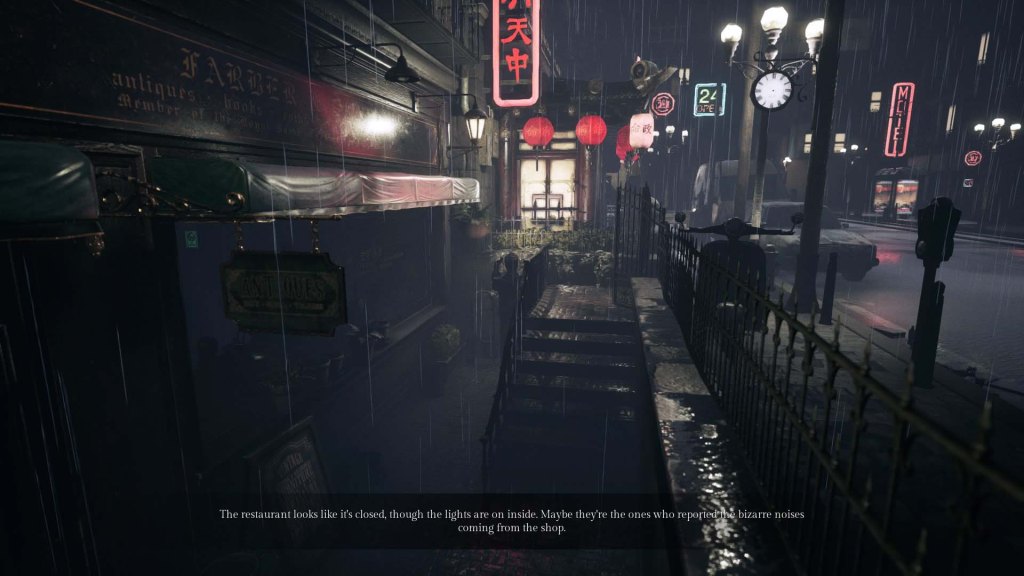
    Though the game uses static camera angles for its environment, the environment itself is fully 3d modelled and is one of the games strongest assets. The set dressing is absolutely superb with Husher Mansion and an antique shop looking absolutely gorgeous in the amount of detail and clutter present. Character models look good, but don’t quite measure up to the environment around them.

    Sadly, for a horror title, Song of Horror isn’t actually scary. Dealing with The Presences attacks becomes rote unfortunately. However, where the game does succeed wonderfully, along with its sumptuous environment details, is in atmosphere. With the use of sound as a warning trigger, the developers have managed to craft a sense of tension and expectancy that permeates each area as you’re always waiting for the shoe to drop, as it were. The palpable sense of dread and suspense is wonderfully realised, something even movies often struggle to get right.

    Song of Horror does have some issues though. First is the character’s movement and speed. Close to “Tank Controls” are the order of the day, making characters a bit of a chore to get used to. Controlling them is tricky with a turn radius that can get you stuck on objects in tight locations or go the wrong way at times, especially when a camera change occurs. Then there’s the character speed which can be frustrating. When you’re being chased by a nigh unstoppable force that can disembowel you with ease, you should be taking off like the Road Runner and not like a geriatric on a Sunday walk down by the lake. This is a peeve I have even with modern horror titles that feel like a slow walk through a museum when you should hot-footing it for your life.

    Finally there’s the game’s bugs. While not game breaking at all, there were plenty of instances of enemies spawning in the floor, characters walking through doors and in one instance Daniel’s torch not syncing with the character as you walk.

    With an atmosphere seeped in tension and dread that can have you holding your breath, Song of Horror more than makes up for its lacklustre scares with gorgeous set dressing and an intriguing, Lovecraftian story.

    Pros:

    • Gorgeous set dressing and environment design
    • Intriguing story

    Cons:

    • Bugs
    • Tank controls
    • Slow movement speed

    Score: 9/10

    A review code for Song of Horror was provided to Gameblur by the publisher.

  • Review: Capcom Arcade Stadium (PS4)

    Review: Capcom Arcade Stadium (PS4)

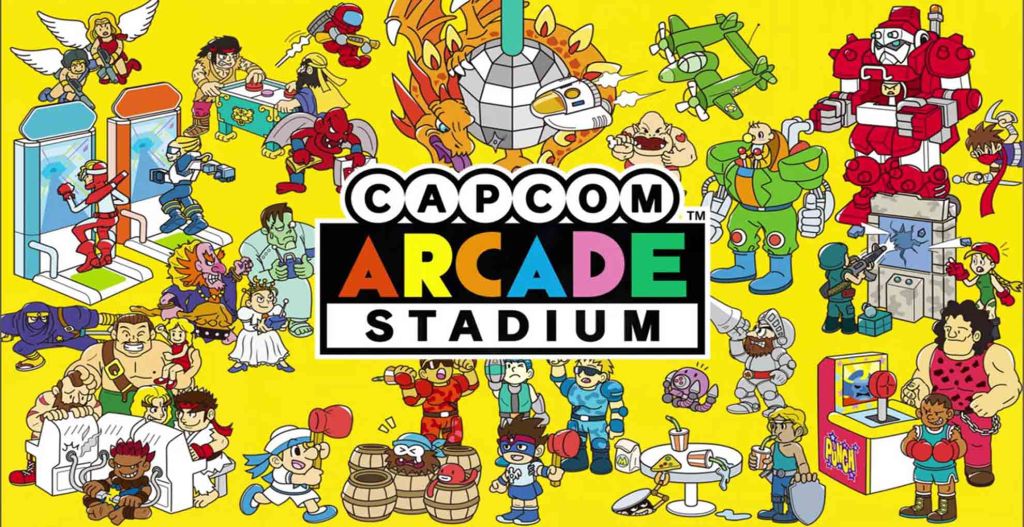
    Capcom has a long, storied career in the gaming industry, pushing out some of gaming’s greatest titles that are still known today. But, as with many publishers, they have just as many titles that have been forgotten outside of the retro gaming community, and sometimes even there too. Retro compilations, such as Capcom Arcade Stadium, help to fill in those gaps while providing you with a way to play some of your favourite titles without hassle.

    Whether you have fond memories of playing some of these games in the arcades, or perhaps at home, if you were lucky enough to have a console as a kid, there’s no denying both the artistry and business acumen that went into making these games. Yes, they were meant to entertain and enjoy, but they were also meant to separate a child from his parent’s money. And they were very, very successful at it too.

    Now, with Capcom Arcade Stadium you can relive those fond moments again from the comfort of your home and without the need to spend, spend and spend some more on tokens just to finish one game. Instead, you’ll just have to spend on buying the games themselves as Arcade Stadium itself is a free download, the ROMs themselves, not so much.

    Running on Capcom’s RE Engine, Arcade Stadium has thirty-two of Capcom’s Arcade classics for you to enjoy. The gamut of titles runs roughly from 1984 to 2001 and Capcom have packaged them into three packs with ten games to a pack. Capcom’s classic Ghosts ‘n Goblins is a standalone paid-for download, though it was originally free on release for a limited time.

    The titles you’re looking at right now are: Ghosts ‘n Goblins, Section Z, Tatakai no Banka, Legendary Wings, Bionic Commando, 1943, Forgotten Worlds, Ghouls ‘n Ghosts, Strider, Dynasty Wars, Final Fight, 1941 – Counter Attack, Senjo no Okami II, Mega Twins, Carrier Air Wing, Street Fighter II, Captain Commando, Varth, Warriors of Fate, Street Fighter II – Hyper Fighting, Street Fighter Turbo, Powered Gear, Cyber Bots, 19XX, Battle Circuit, Giga Wing, 1944, Progear, Vulgus, Pirate Ship Higemaru, 1942 and Commando.

    There’s definitely a larger selection of beat-‘em ups and shmups in the line-up, though the releases more than likely will give you an insight into what was popular back in the arcades during each of those generations.

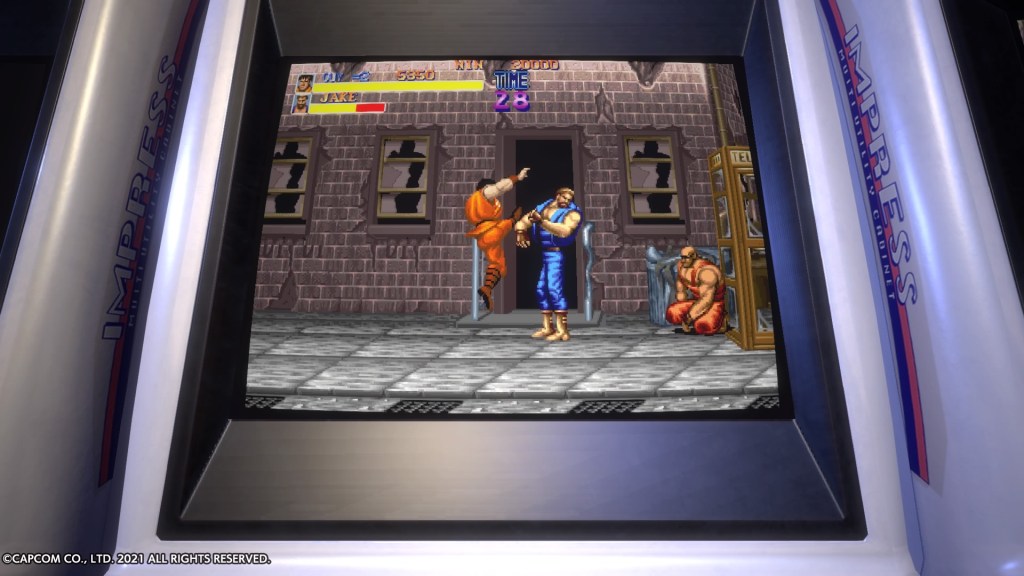
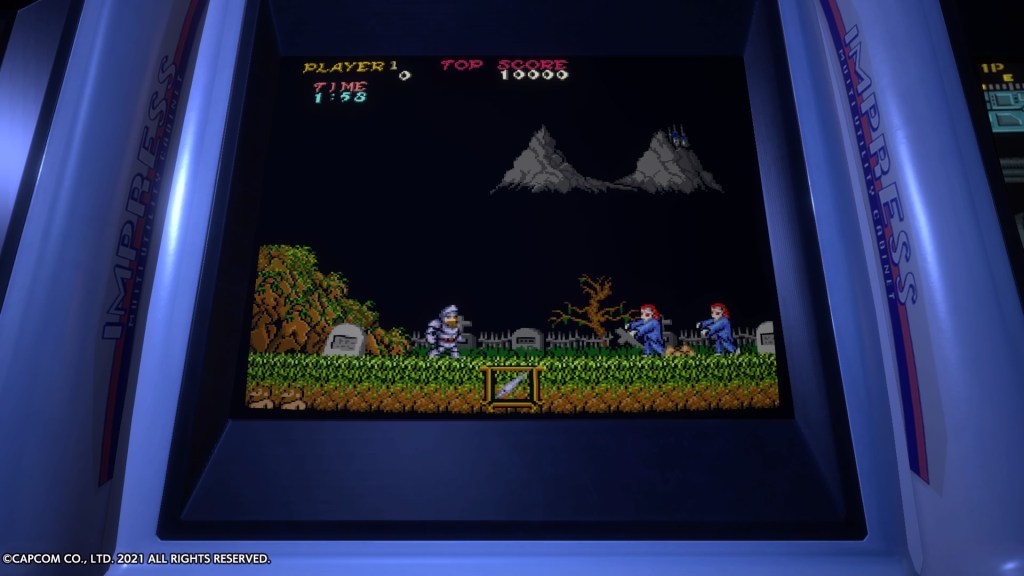
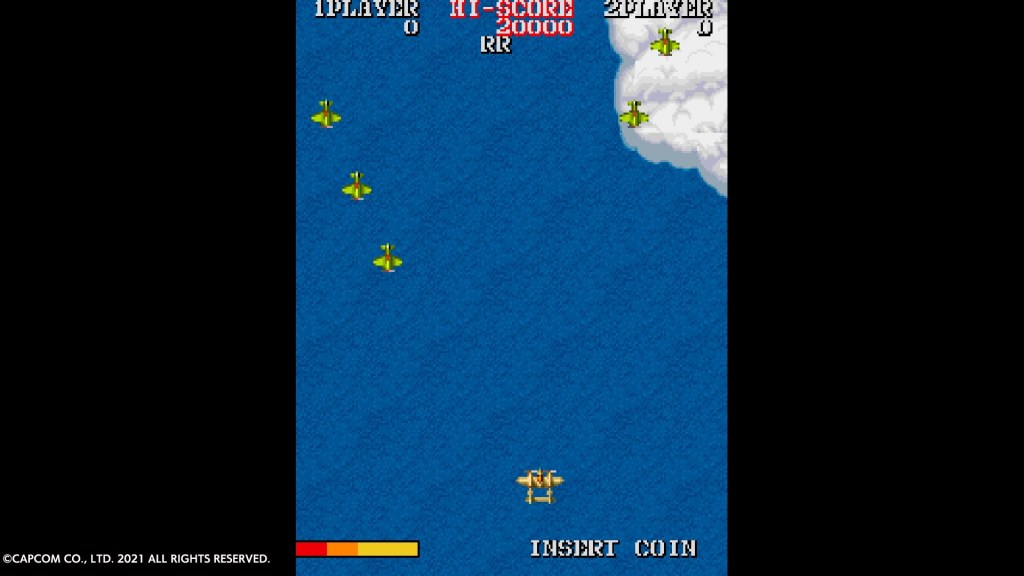
    What’s important to note though is just how well these games run, and how playable many of them still are. Whether you’re looking for some quick action to pass the time or to hone your fighting skills to perfection, there’s something here for you. Ghosts ‘n Goblins will still test your platforming patience while Street Fighter II (which I now seem to suck at) will remind you just how fantastic 2D sprite animation is, along with how much harder 2D fighters are. Strider is still a hard, action-platformer while the 1940’s series is still addictive twitch shooting action. And now you can finish them thanks to infinite credits too.

    As with any compilation of games, your mileage will vary on what’s in the collection. So with all the retro compilations that have come out, what is it that makes Capcom Arcade Stadium stand out from the rest?

    The answer to that comes down to two things. One, that Arcade Stadium is a dedicated platform to host Capcom’s arcade titles with substantial possibility for future growth, and two, the wealth of options built into the platform for you to tailor the gaming experience to suit you.

    With the RE Engine powering it and games treated as DLC, Capcom can bring even more of their titles to the platform in the future if it’s worth their while. So here’s hoping for some more of their classic titles, such as Knights of The Round, and more “recent” fair such as Powerstone, Cannon Spike, and my favourite Spawn game, Spawn: In The Demons Hand.

    Arcade Stadiums presentation is top-notch and Capcom have gone out of their way to ensure that you can have a modern, respect-your-time playing experience, or to make it as hardcore as you could want. Beyond changing the game’s difficulty, amount of lives you begin with, etc. you can also save your game at any time and reload whenever you choose to. Game speed can also be sped up or slowed down to suit you to the point where it feels like a Zack Snyder slow-mo shot. If you happen to mess up a section there’s also a handy rewind feature to take you back to just before your bungle and put it right. Of course, you can also play the games as they were meant to be played at their default setting and hope your controller can withstand the manhandling sure to follow. A nice feature is that most of the games, bar those that either didn’t get English translations or releases, have both their original Japanese roms and English versions included, switchable on the main menu screen.

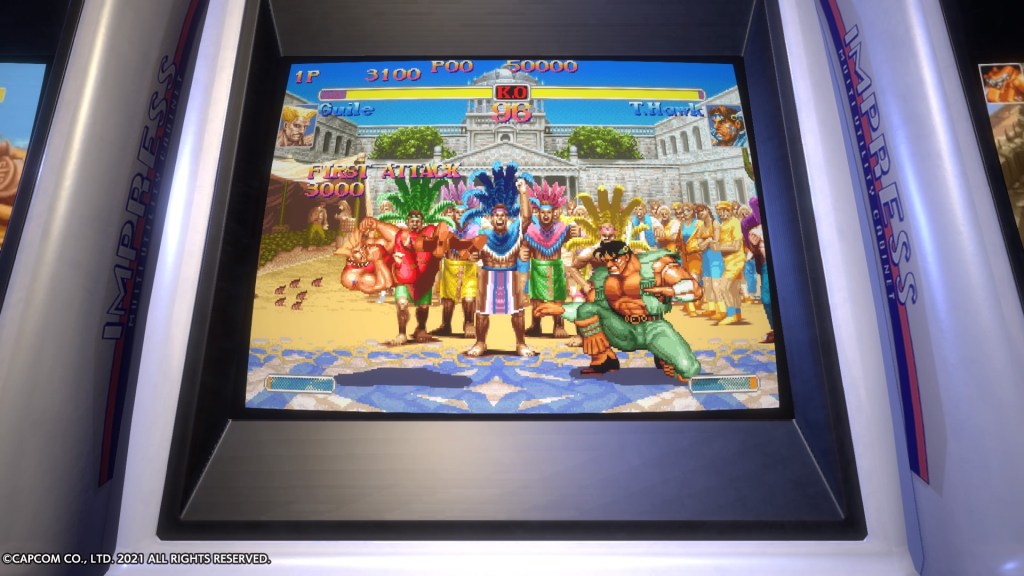
    Before you load up a ROM, which is instantaneous, you can change a whole bunch of options along with viewing a digital manual for the game. Viewing options run the gamut from different backgrounds and wallpapers to a whole bunch of filters you can apply. My favourite backgrounds are the 3D tilted arcade cabinets which emulate the viewing experience you would have had in an actual arcade. It does make the game screen smaller but it’s absolutely classy. When you combine this with the various visual filters such as pixel smoothing, a CRT filter for that authentic look along with different screen types, such as oval, to further emulate screen shapes back in the day, you have yourself just about the perfect visual customisation service.

    Speaking of that menu screen, it really is gorgeous. Showcasing a digital line of arcade cabinets, each one home to a game as you scroll through the list. On the menu, games are broken up into various filters, such as action, fighting, etc. The only option missing is a list by alphabet tab which hopefully Capcom can include at a later date.

    While Capcom Arcade Stadium doesn’t include all the games you may want, when thinking of the gaming giant’s roster, it is a fantastic platform that can be further built upon. With a great presentation system, perfect emulation of the games on display, Capcom Arcade Stadium is the best retro platforming system I’ve seen and used from any of the collections released thus far.

    Pros:

    • Fantastic presentation
    • Wealth of options
    • CRT filters are the way
    • Ghosts ‘n Goblins and Street Fighter II, need I say more?

    Cons:

    • Can only purchase games in packs and not singularly at the moment

    Score: 8/10

  • Review: Ghosts ‘n Goblins Resurrection (PS4)

    Review: Ghosts ‘n Goblins Resurrection (PS4)

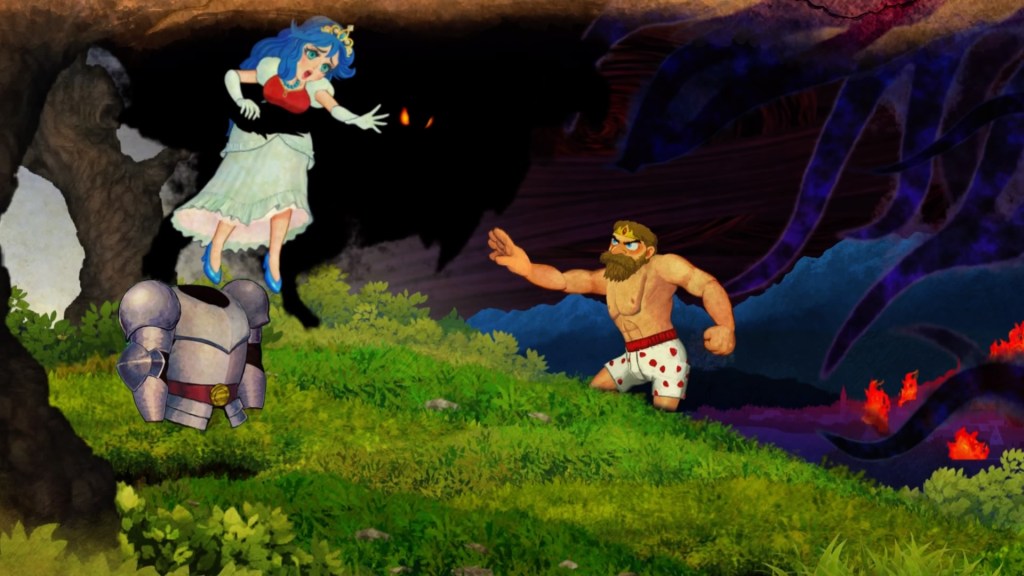
    After a hard day of knighting, you just want to get out of that stiff armour and lounge around in your boxers, hopefully while in the company of your dearest princess. But wouldn’t you know it, evil doesn’t care about your day off, or that princesses have better things to do than get abducted every second week. So off you go, grabbing that armour while, in the distance, your kingdom burns beneath a devilish assault.

    So with armour clenched tight, lance in hand and a permanent scowl on his face, our hero Arthur prepares to face another manic Monday. . .

    Well okay, it’s not really Monday. I’m pretty sure what day it is doesn’t matter when your kingdom is burning. But what it is, is the day we welcome the Ghosts ‘n Goblins series back with Ghosts ‘n Goblins Resurrection. That’s right, the original rock hard, make you cry Dark Souls of its day has a new game and it’s here to show you what hard really is all about.

    Ghosts ‘n Goblins Resurrection originally launched earlier this year, February to be exact, on Nintendo Switch and now Capcom has finally brought it to PS4 with PS5 backwards compatibility, Xbox One and PC, letting the rest of the gaming community experience one of gaming’s toughest hard love franchises.

    As both a reboot and a remake of the original Ghosts ‘n Goblins, Resurrection yet again places you in the armour of put upon knight Arthur as his princess is kidnapped while a demonic invasion turns the kingdom into an overrun, twisted hellscape. You’re going to have to side-scroll and platform your way through one tough level after another in an attempt to beat the ever-loving snot out of the dastardly evil behind this plot while, hopefully, not breaking your controller in the process.

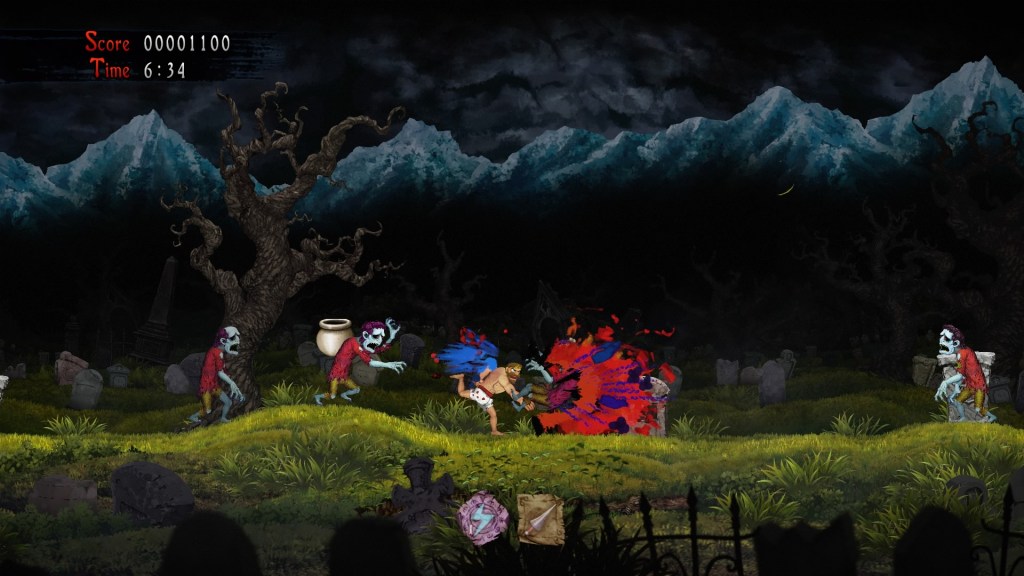
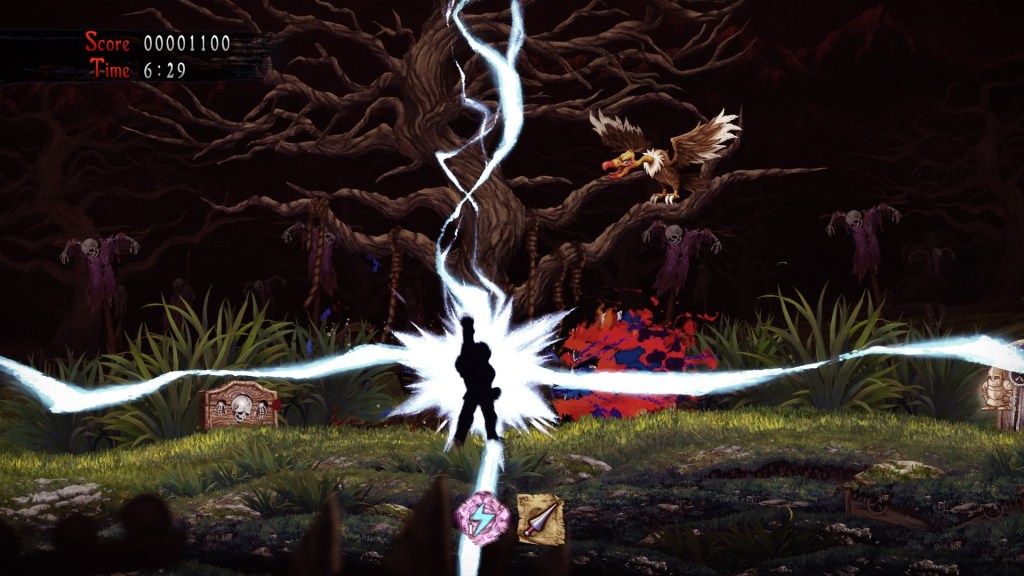
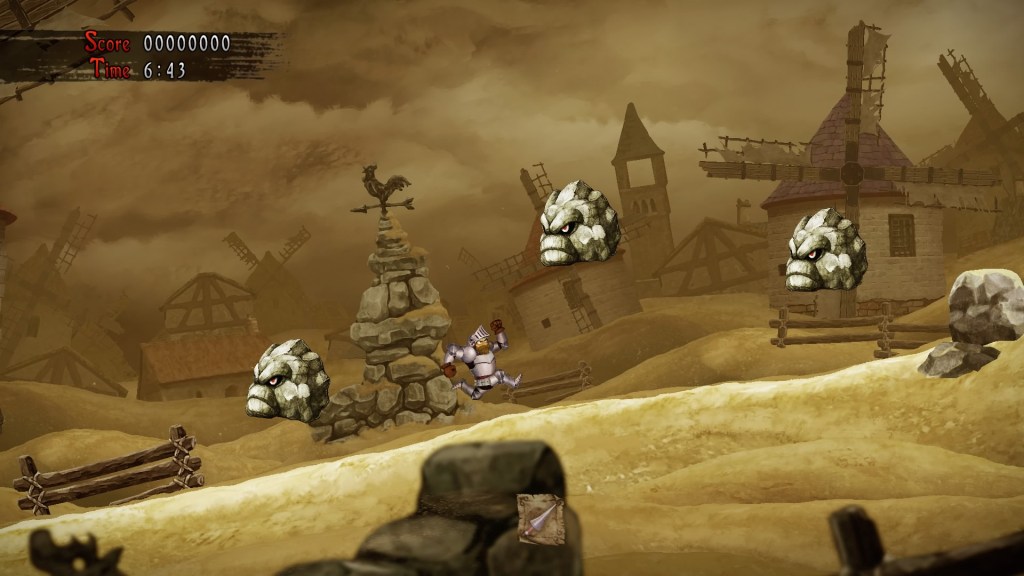
    Once you get past the stunning visual style that Capcom has employed for this reboot which makes the game look like a fable drawn from a storybook, you’ll find that Capcom has employed the old adage of “if it ain’t broke, don’t fix it”. Arthur moves exactly as he did in the older games, just with better animation. He possesses the same level of speed, making timing a critical choice and can only jump over and onto objects if you jump while moving. Jumping while standing still will merely propel Arthur straight up, meaning you have to unlearn many of the moves that modern platformers have brought to the table since then. Arthur can also attack in three directions: in front of him, above him by aiming up and below him if you attack while jumping and pressing down on the D-pad or directional buttons.

    The key to success in a level, beyond mastering the way Arthur controls and having twitch reflexes, is in memorising the level design and enemy attack patterns. Levels usually have moving parts to them, which adds a nice sense of dynamics to the environment. What weapon you wield is just as important as all of the above. Arthur’s arsenal has expanded since the first game though his trusty default lance is usually the best all-rounder. Picking the right tool for the job, as the saying goes, is tantamount to success. The hammer that unleashes a small arc of energy across distances requires you to get too close to enemies while the dual-shot crossbow requires a lot of jumping to hit an enemy because of the arrows diagonal shots. The holy water is still useless. Weapons can drop from chests or jar carrying enemies.

    Two big additions to this game are Umbra bees and a local two-player co-op mode. Collecting the bees scattered across the levels will unlock magic abilities for Arthur. Magic does need to be charged up for use so you with a brief cool down so you can’t just spam it, making its use more tactical than a Hail Mary when you suddenly find yourself surrounded. The two player co-op lets a second player use a ghostly ancestor of Arthur’s to help him through the levels. Controlling one of three spirits with their own abilities, player two can help Arthur through a level by carrying him around, for instance.

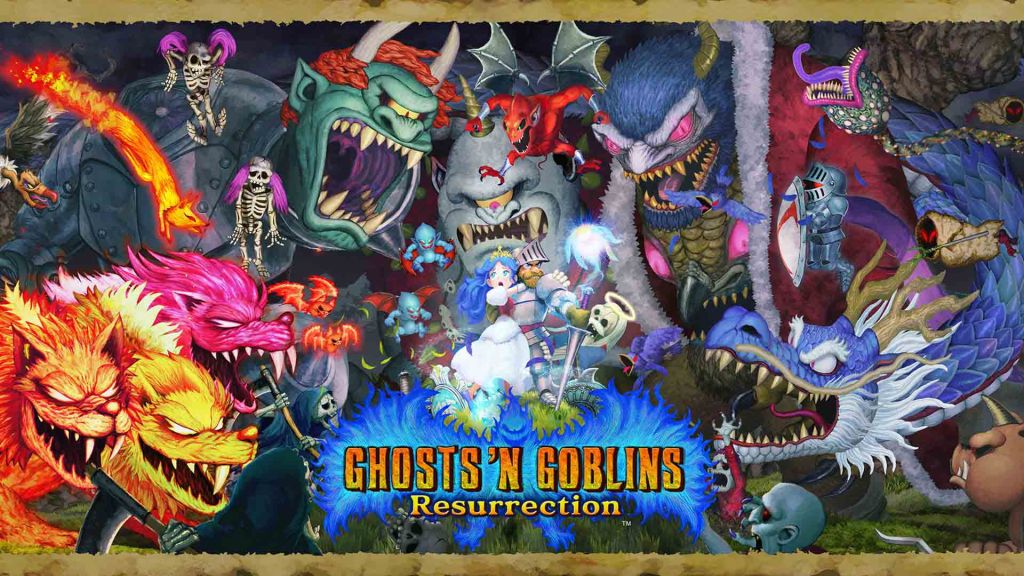
    The games visuals are gorgeous, employing a multi-layered approach to screen elements that make the characters seem like a combination of paper art and puppets with elements placed on top of one another. The animation is also wonderful and each enemy has their own distinct visual style and movement. The visuals, which look straight out of a storybook, can’t hide the games difficulty though.

    Because Resurrection, as befitting a GnG title, is hard. But not unbeatably so. Capcom has chosen to incorporate four difficulty settings, aiming at embracing modern gaming conventions while still attracting the hard-core crowd.

    Page lets you respawn at the exact spot you died at with no level time limit and a max of four hits you can take before crumbling to a skeleton. Squire gives you the same four hit limit, level checkpoint and mid-level rebirth checkpoints but throws back in the time limit. Knight takes you down to three hits, checkpoints, a time limit and an increase in enemy speed. Legend takes you back to the original GNG settings by dropping you down to a two hit maximum with no rebirth checkpoints and more enemies.

    Ghosts ‘n Goblins Resurrection is the perfect platform to showcase Arthur’s return to his own series. It’s both difficult enough to appeal to stalwart series veterans while making enough concessions that casual gamers too will be able to finish it. It’s also a wonderful showcase for the versatility of the RE Engine with its gorgeous visuals and animation. Whether you’re a GNG neophyte or accomplished devil slayer, this game should not be missed.

    Pros:

    • Not as difficult as the original Ghosts ‘n Goblins
    • Gorgeous storybook aesthetic
    • Full of character
    • Different difficulty levels

    Cons:

    • Magic takes a bit too long to activate

    Score: 9/10

    Ghosts ‘n Goblins Resurrection was reviewed using a code provided to gameblur by the publisher.

  • Retrospective: Castlevania: Lords of Shadow 2 (2014)

    Retrospective: Castlevania: Lords of Shadow 2 (2014)

    The origins of that undead scallywag Dracula was a story I never cared to see. You see, when you’re trying to give a beginning to some of entertainment’s truly big bads, it’s very difficult to create a story that can outdo the mystique around those characters.

    In 2010 developers Mercury Steam in conjunction with Kojima Productions managed to do just that. At least in the Castlevania universe they did. Players took on the role of Gabrielle Belmont in what was a dark and twisty narrative that saw him go from the right hand of God to, well, the Prince of Darkness. The game drew some fantastic voice acting from Robert Carlyle and Patrick Stewart as we saw how doing the right thing took Gabrielle down the dark path to becoming one of the greatest monsters who ever unlived.

    Coupled with some fantastic visuals in linear levels, that showcased exactly what classic 2D Castlevania levels would look like in 3D, the great combat in Castlevania: Lords of Shadow set up the beginnings of a fantastic series that was all too short lived.

    In 2014 Mercury Steam released Lords of Shadow 2. The game drew on what made the first game so great and then translated it into what I had always wanted from a Castlevania series: a sprawling, epic open 3D world.

    Now this wasn’t the first time that Konami had attempted to translate Castlevania from its 2D origins to 3D. The PS2 saw two 3D entries in the series while the N64 saw two 3D entries of its own. All four games are better left in the past and, in many ways, best not mentioned again either. Capcom’s original legendary Devil May Cry became the closest to a good 3D Castlevania game I ever thought I would get.

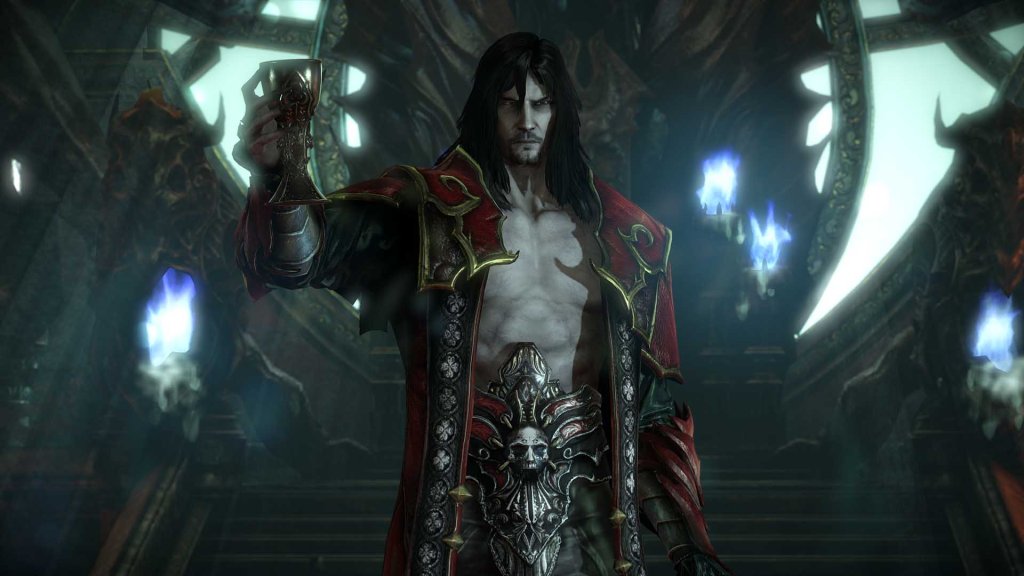
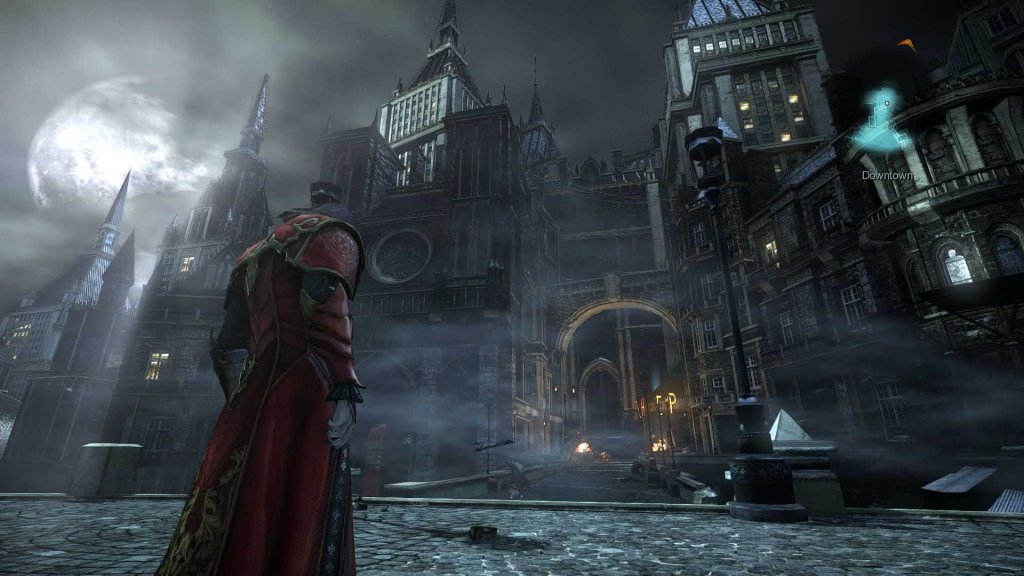
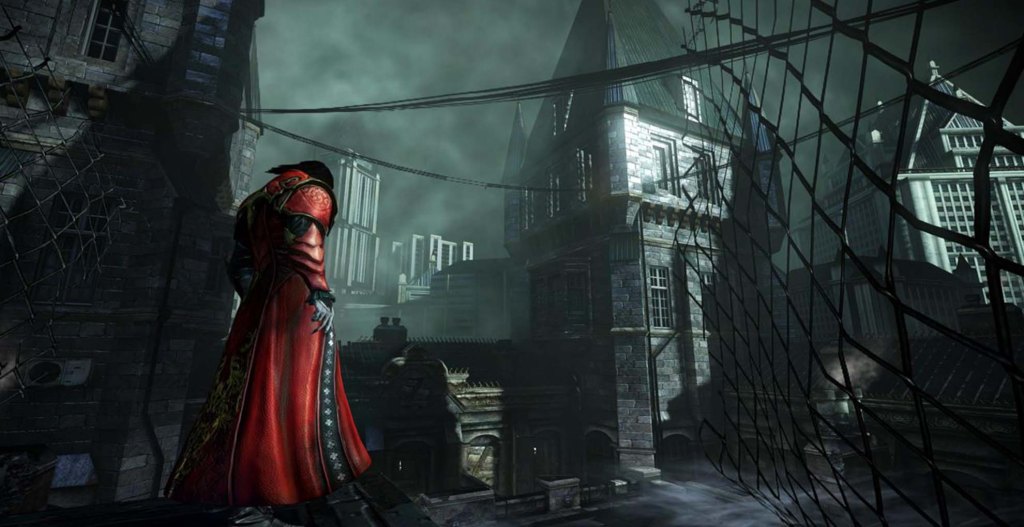
    Lords of Shadow 2 surpassed my expectations of what Mercury Steam would be able to develop. Set both in the modern day and the medieval past of the castle, Lords of Shadow 2 pulled out some fantastic vistas for you to stop and marvel at along your journey. The modern day sections were set in a city that was built upon the dessicated bones of Castle Dracula while the more supernaturally set medieval sections of the game were a triumph of epic, screenshot worthy vistas.

    Mercury Steam managed to translate the Metroidvania style into 3D. As you once again took on the role of an underpowered Dracula, the more you explored and fought, the more powerful you would become and this in turn opened up new areas for you to explore, to both progress the game, and find secrets. It certainly could not have been an easy feat, but I always felt that Lords of Shadow 2 nailed this aspect of what made Castlevania so great. It was an absolute joy to explore the environment which added a grand sense of majesty to the narrative.

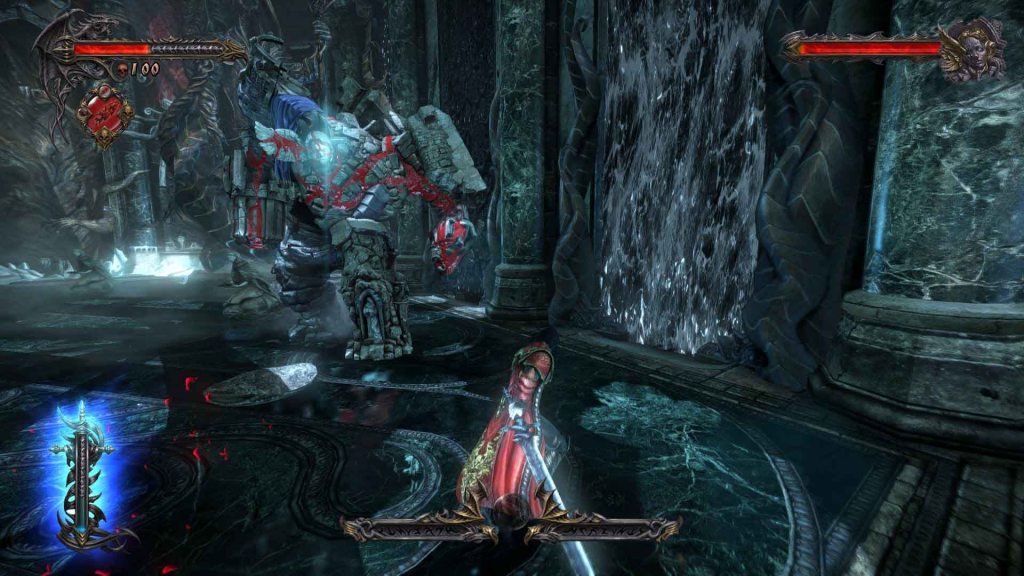
    While the exploration is the main reason I truly love this game, the combat was no slouch either. Dracula uses his own blood as a weapon, creating his own version of the now iconic Castlevania whip. However there are new offensive and defensive moves and weapons. The dash and counter system needed to be mastered to be truly effective, especially in later fights, while two new weapons, the Void Sword and Chaos Claws helped you to heal and deal with armored enemies respectively. Using them would drain your magic meters so there was some tactical play in when to use them.

    As much as I loved Lords of Shadow 2, it launched to rather mixed reception. In short, the game didn’t do well with low sales. Add a lot of apparent behind the scenes drama and negativity and Lords of Shadow 2 became the last entry in the series.

    Having replayed it yet again recently, Lords of Shadow 2 still holds up fantastically in environment design and combat, though, visually, its age is starting to show. The PS3 and Xbox 360 era games have a tendency to be rather… muddy. The fantastic exploration still remains highly addictive and the combat is chaotically cathartic and challenging still.

    While the story may have been definitely concluded, this is Castlevania and Dracula after all, who has more than once proven that you can’t keep a good Count down. That said, the chances for a series revival for this are non-existent. The chance of some sort of HD remastering is also non-existent considering the poor sales. Thankfully if you have either an Xbox 360 or PS3, you can still play the game. If you have an Xbox One or an Xbox Series machine, the Lords of Shadow series is part of the Backwards Compatibility program meaning you can still give it a go there, and I highly urge you to.

    Now if you’ll excuse me, I feel a need to explore a certain musty old castle again…