Tag: Nightdive Studios

  • Review: The System Shock remake on Nintendo Switch 2 is an (almost) perfect way to explore Citadel Station on the go

    Review: The System Shock remake on Nintendo Switch 2 is an (almost) perfect way to explore Citadel Station on the go

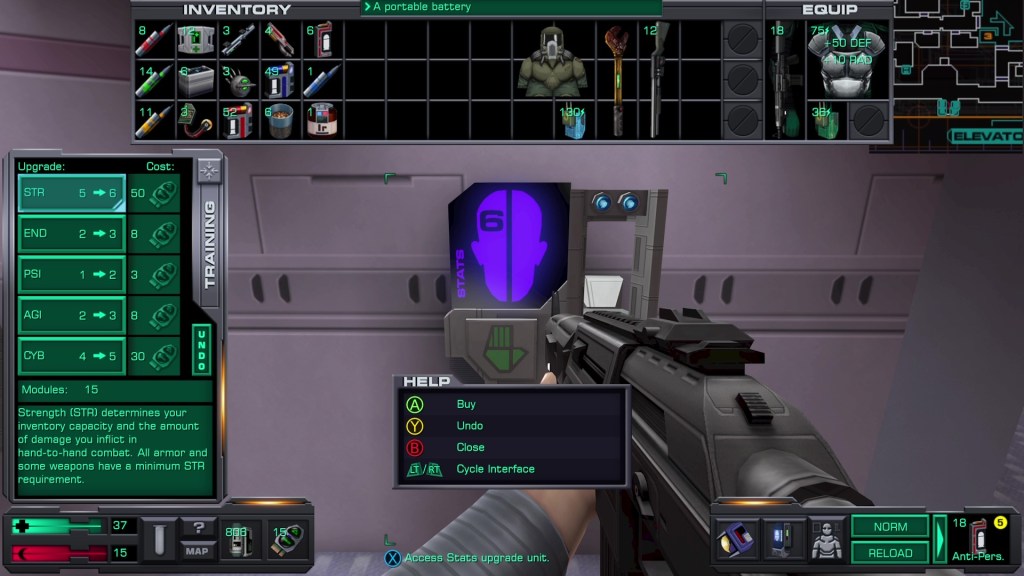
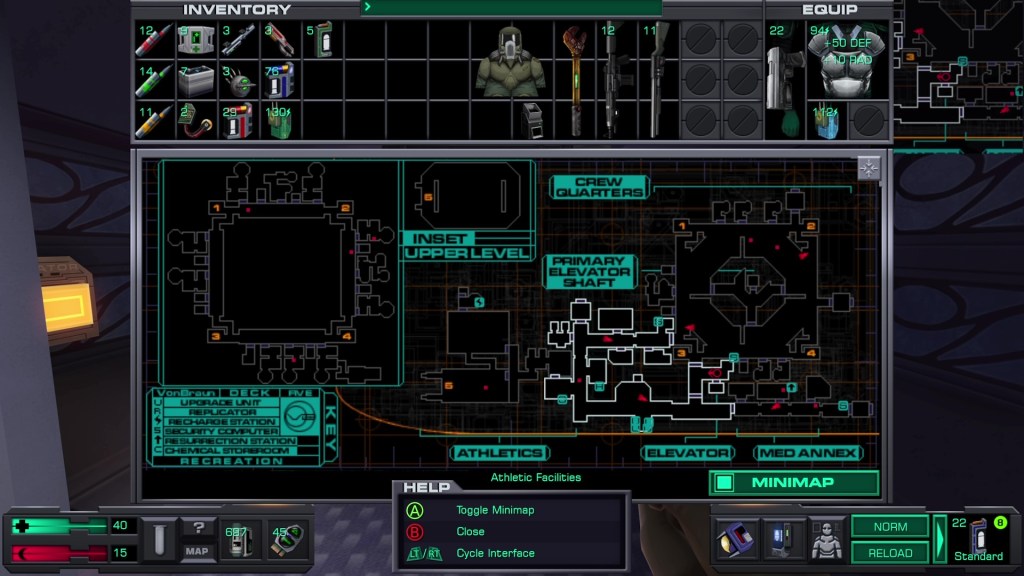
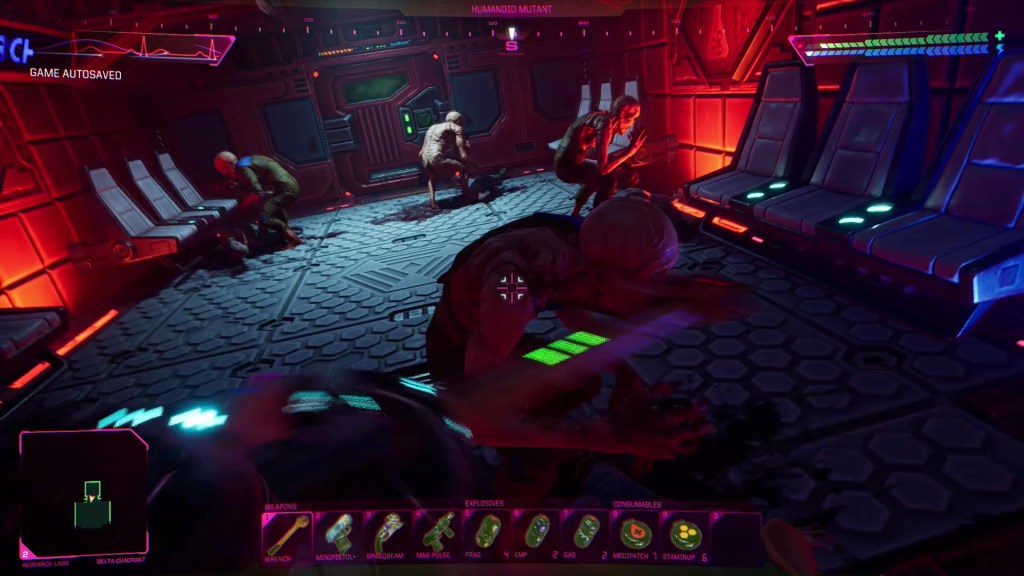
    For those thinking of picking up System Shock for the first time on Nintendo Switch 2, Nightdive Studios’ 2023 remake transforms an iconic but dated immersive sim into a first-person survival/shooter hybrid that doesn’t feel out of place alongside modern games. What started as an unwieldy point-and-click/FPS hybrid now plays as a more traditional FPS and it works well enough with a controller. Given combat is so prevalent the change makes sense, and the shooting feels solid; however, navigating menus, inventory management, and interacting with switches or items in the environment can be finicky.

    It is for this reason I would discourage anyone playing System Shock (2023) using a standard pair of Joy-Cons. Unless you’re a natural with gyro aiming, they feel far too imprecise in a game that offers no auto-aim assist that I can discern. That lack of precision can still frustrate when using a Pro controller, but the game plays smoothly enough (after patches) so that precision aiming and picking up objects in the environment is manageable. I’ve you are stuck with a pair of Joy-Con 2s, you could try using one as a mouse on a lapboard or something serving the same purpose – though I could not find a sensitivity setting that ever felt as good as a proper PC mouse.  
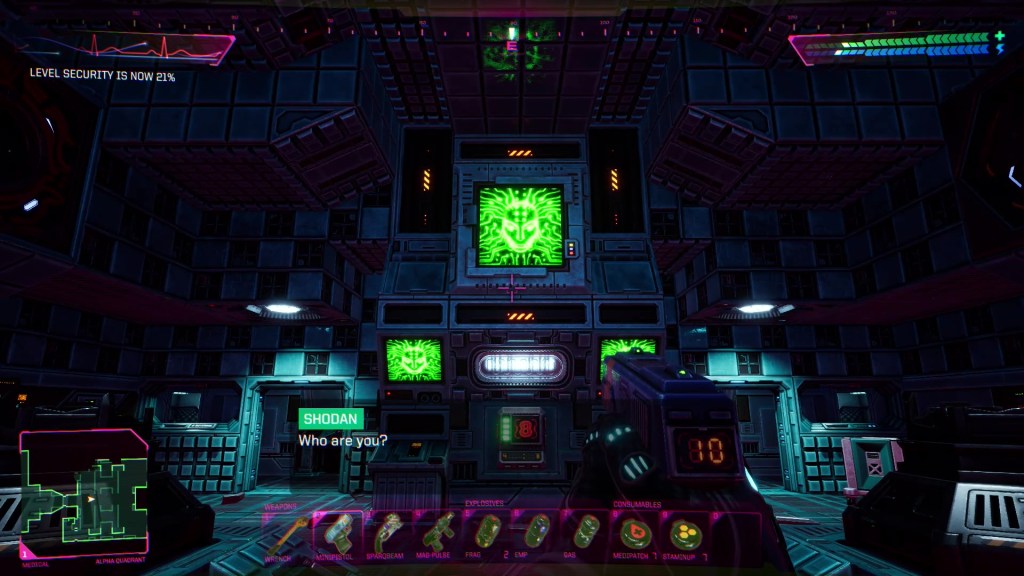
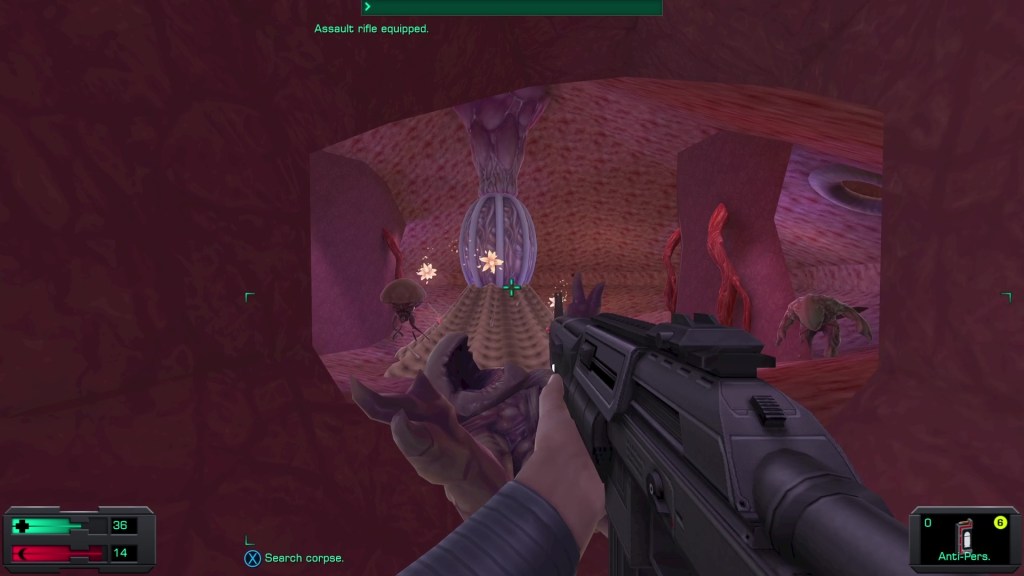
    I’m highlighting this caveat early as System Shock (2023) has survival elements with resource and inventory management. Precision aiming is essential for conserving limited ammunition and minimising the damage you take. It’s only during cyberspace sequences and the end-game – when you have your hands on powerful weapons, weapon mods, and upgraded player augmentations – that System Shock (2023) can be played as a run-and-gun FPS with less concern for accuracy.

    With a Pro controller and the Nintendo Switch 2 docked or propped up in tabletop mode, System Shock (2023) becomes every bit as compelling and immersive as on other platforms – especially when you combine the stylised visuals with campy voice acting, creepy ambient audio, and an incredible synth-heavy soundtrack. It targets a high resolution with all visual features intact, and it sustains 60fps enough of the time that I rarely noticed any impact on responsiveness. It’s not perfect, however, and given the extensive post-processing effects and pixelation filter on objects near to the player, Nightdive Studios could drop the resolution further to focus on stable performance.
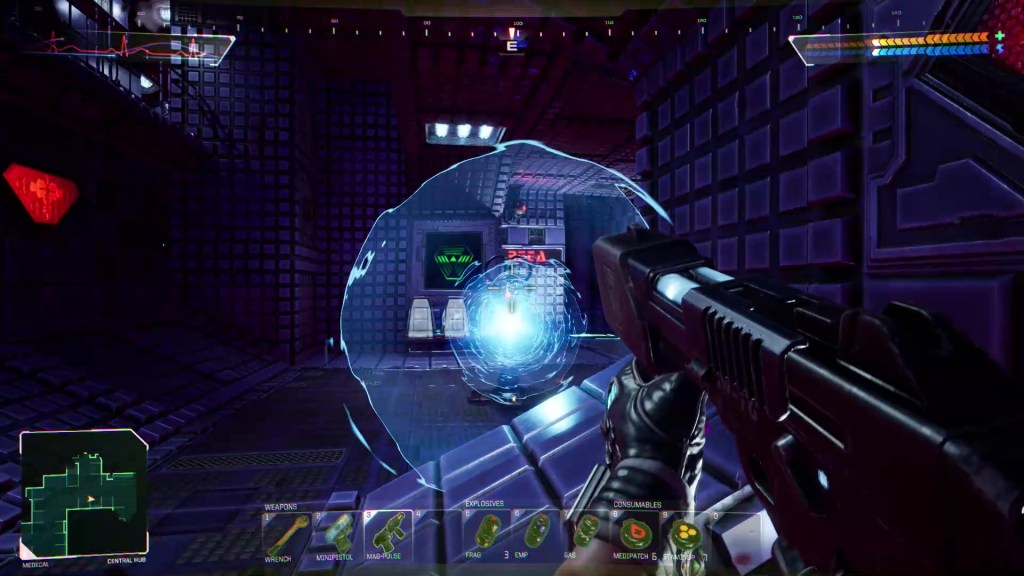
    Considering just the game and not the hardware you play it on, System Shock (2023) is essential for those who enjoy more action-oriented immersive sims like Eidos Montreal’s recent Deus Ex games, or Arkane Studios’ Dishonored series and Prey (2017). It has little interest in providing the typical frictionless, heavily-guide experience of most modern games – even if you set each difficulty sliders to the lowest value. Thorough exploration, reading and listening to notes, and then following clues to key items is a core part of the experience. Even on the lowest mission difficulty, the objective icon only gives you a direction of travel, but getting anywhere in the labyrinthine Citadel Station is still a challenge.

    System Shock (2023) is a game that rewards or punishes player agency as it should. If you explore cautiously, pick off isolated enemies, hack every door panel, hunt for secret stashes, and conserve resources, you’ll rarely be caught off guard; you’ll be able to minimise the effect of environmental hazards; and you’ll always have heavy firepower in reserve to trivialise a boss encounter or ambush. If you ignore your surroundings, charge into groups of enemies, and waste powerful ammunition, you’ll soon hit difficulty spikes that force you back to the last regeneration bay (or you’ll have to remember to make frequent manual saves).
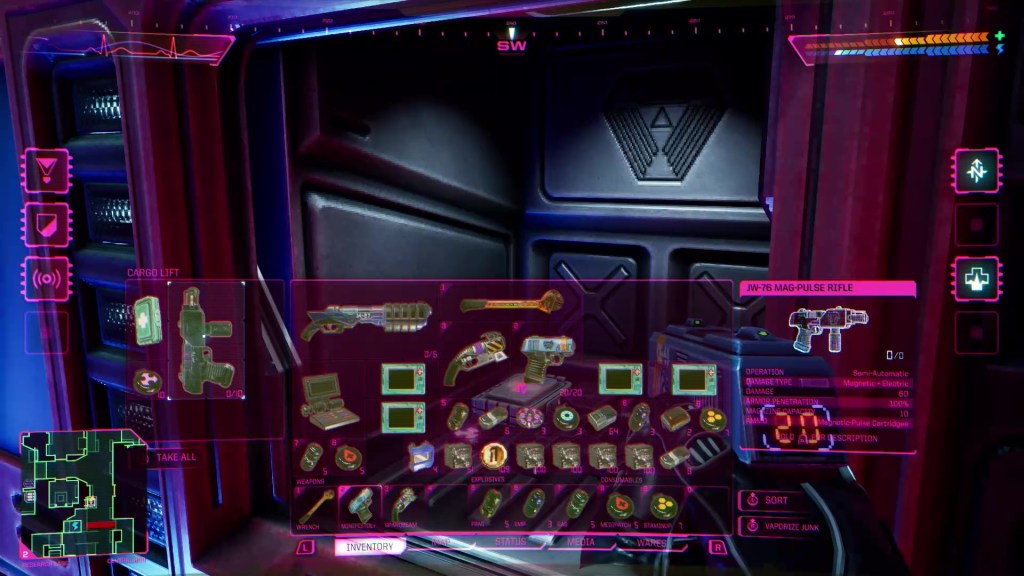
    Despite the focus on player agency and freedom, System Shock (2023) is still far more playable than its predecessor. There are mid-game requirements that might take you back and forth between levels of the station, but it opens up gradually and escalates smoothly towards the finale. For those who listen to audio logs, read notes, and pay attention to environmental details, it also has a wonderfully fleshed out setting and backstory you can piece together. If an audio log or note hints at an event, you can find evidence of it in the environment. Citadel Station provides a cohesive and believable sense of place despite the sci-fi trappings.

    Wrapping up, I have now explored the remade Citadel Station across four different platforms. After early teething problems that a patch mostly resolved, the Nintendo Switch 2 port is yet another option easy to recommend to fans of the immersive sim genre looking for a portable option (especially important when you consider how few im-sim options there are on Nintendo hardware). The only caveat is that my recommendation only applies if you have a Pro controller, as the standard Joy-Con experience is predictably awful and the Joy-Con 2 mouse option is not as responsive as it should be.
    Pros:

    • Yet another opportunity to play the excellent System Shock remake
    • It’s a rare immersive sim on Nintendo hardware
    • Great visuals, campy voice work, and synth-heavy soundtrack
    • Performance issues mostly resolved with post-launch patches

    Cons:

    • Nintendo Joy-Cons and first-person games are a terrible match
    • Those who need a guided experience beware

    Score: 8/10

    System Shock (2023) was reviewed on Nintendo Switch 2 using a code provided to gameblur by the publisher. It is also available on PC, Xbox One/Series S|X, PS4/5, and Nintendo Switch 1.
  • Review: Blood: Refreshed Supply on Switch offers a gore-soaked battle against the controls, cheap ambushes, and splash damage

    Review: Blood: Refreshed Supply on Switch offers a gore-soaked battle against the controls, cheap ambushes, and splash damage

    Nightdive Studios have spent an incredible decade remastering classic ‘90s and early ’00s PC titles, before releasing them on console. The relative simplicity of early first-person shooters like Powerslave Exhumed and STRIFE: Veteran Edition lend themselves to controller support, with no true Y-axis and limited verticality. Remasters of true 3D titles, think Quake and Turok, typically benefit from a slick auto-aim implementation that makes you feel skilful while still clearly nudging your shots towards the target. In contrast, Blood: Refreshed Supply doesn’t gel very well with a controller – a problem that exacerbates other dated designs.

    Starting with the good, Blood: Refreshed Supply looks authentic yet wonderfully crisp on both Switch handheld screens and a 4K TV. It runs great on both the Nintendo Switch 1 and 2. There are plenty of options to tweak the visuals, audio, and controls, and there’s more content in the form of two old expansion campaigns and a new one. It’s a comprehensive and content-rich remastering effort that preserves a game known for both its vocal, snarky protagonist Caleb, and the early introduction of several FPS mechanics that would become commonplace in time.  

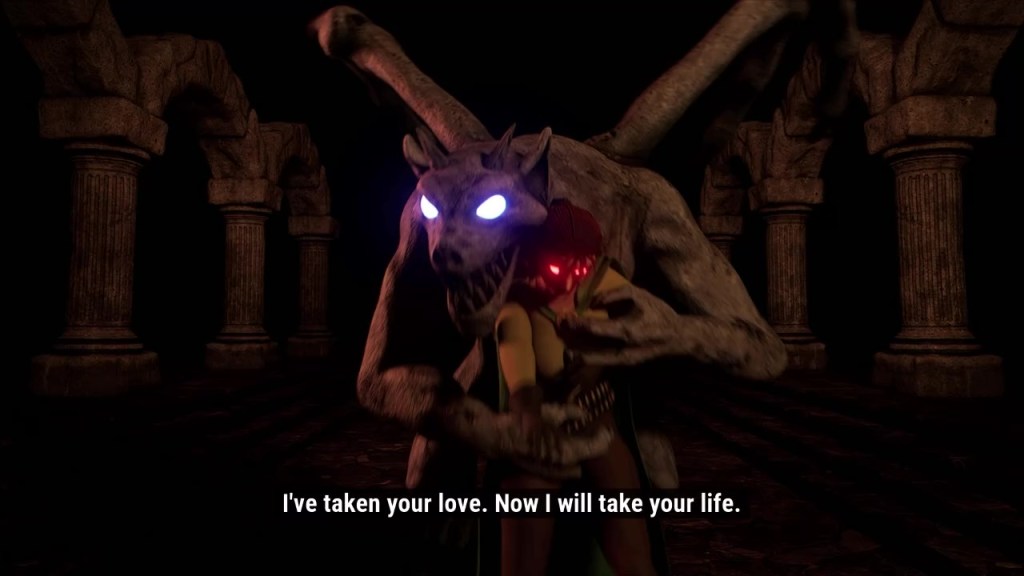
    Unlike so many late ‘90s FPS, Blood put more effort into the storytelling beyond simple text-based interludes. A dated but no less entertaining intro video reveals Caleb and other former cult leaders were banished by a demon they once served. With no explanation given, it sets up a revenge story that kicks off with Caleb emerging from a tomb and uttering the iconic line, “I live… AGAIN!”. From that point on, you’re tackling traditional, sequential, classic FPS levels, but they include some unique lines between all the quips to better flesh out the setting and guide the player.

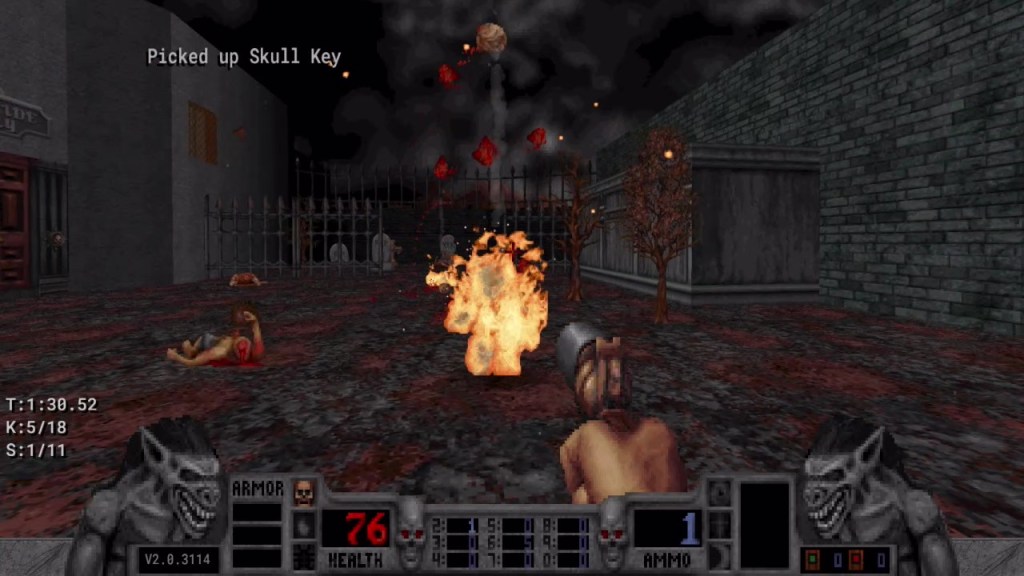
    As a result, Blood has more narrative glue holding together it’s diverse and loosely connected levels. However, it is first and foremost a classic FPS with 99% of the focus on level design, weapons, enemies to use them on, and a boss capping off each act. To its credit, and despite so many commonalities between FPS from that era, the gunplay feels fast and impactful thanks to destructible environments (where scripted, of course); the diverse arsenal; and a focus on over-the-top gore. Earlier games may have offered spectacular death animations for sprites, but Blood offered dismembered limbs and heads bouncing around, and uncomfortably funny burning deaths.

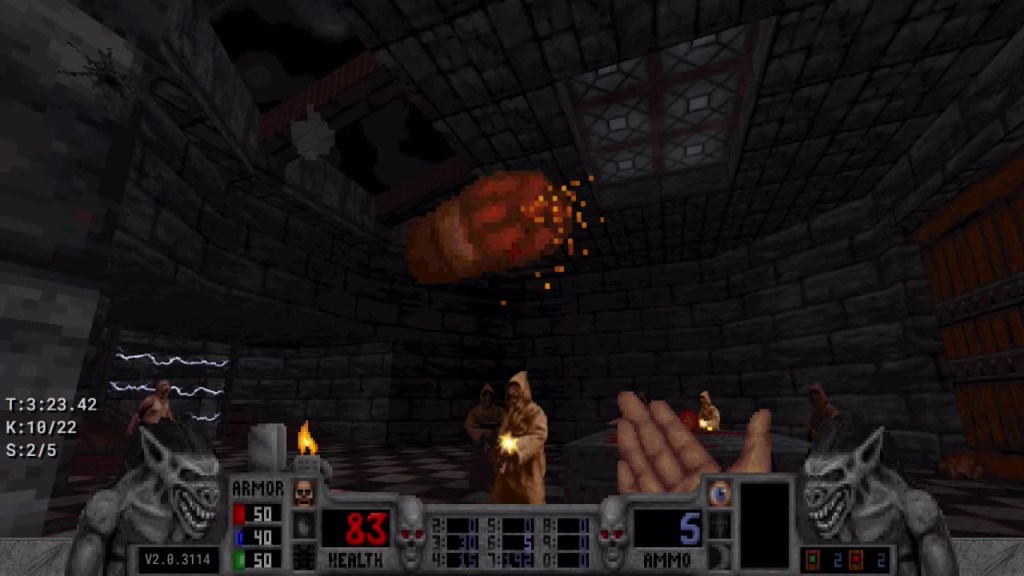
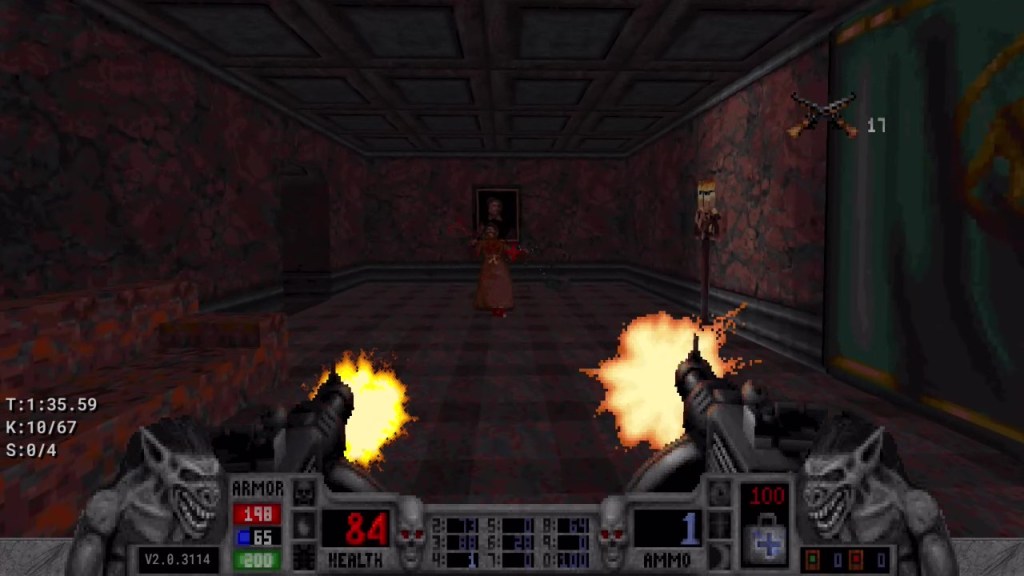
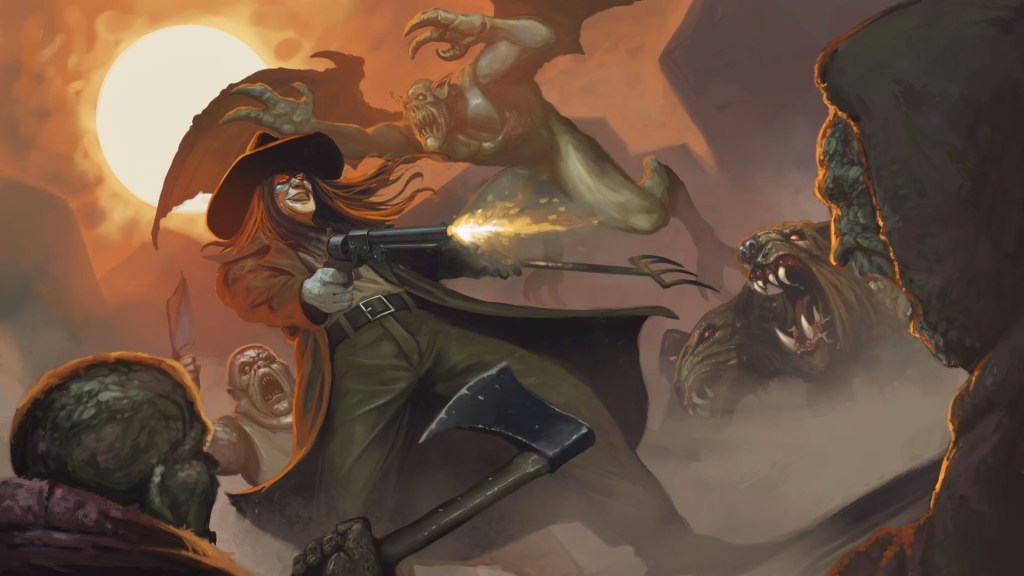
    From a pitchfork, flare gun, and classic double-barrelled shotgun, to an aerosol can and lighter combo, Tesla Cannon, and voodoo doll, Blood: Refreshed Supply offers an entertaining toolset to dispose of the cultists, undead, and demons that impede Caleb’s pursuit of his former master. Better still, most weapons offer an alternate fire mode that gives them greater versatility (on top of the usual FPS pick-ups like temporary mega-health, invisibility, and dual-wielding). The double-barrel shotgun offers the now-ubiquitous one or two-barrel blast, while the Tesla Cannon’s alternate fire chews through ammo to create a BFG-like projectile. Dynamite – which I’ll return to shortly – can be flung to explode on impact or bounced around corners with a timed fuse.

    A great arsenal, a diverse roster of enemies, and a ton of gore – what could go wrong? With a mouse, keyboard, and easy-to-reach quick-save and quick-load keys, not much. On either Nintendo Switch console, regardless of whether you’re using a pro controller or the latest iteration of crappy joy-cons, the experience is far less fun and fluid. There is clearly auto-aim of some form, but it can’t compensate for twitchy and imprecise controller inputs that make it far too easy to miss targets in an FPS that can be surprisingly stingy when it comes to ammunition and healing items.

    It’s not just the controls though. No matter how hard I tried tweaking the sensitivity and using gyro-aiming, Blood: Refreshed Supply still hails from an era that relished in labyrinthine levels, packed with keys, secrets, and monster ambushes. Exploration and secret-hunting are a highlight, but this means a lot of the time you’ll be trying to react to enemies that suddenly appear all around you; often a mix of melee rushers and ranged enemies that can shred your health bar quickly (and even on even lower difficulties). You might think weapon alternate fire modes and area-of-effect explosives could see you through… but that brings me to another criticism.

    Blood: Refreshed Supply has brutal splash damage irrespective of the source – environmental hazards, enemy attacks, or Calab’s arsenal. When you combine splash damage with cheap ambushes, just as many of my deaths were self-inflicted as a dynamite bundle bounced back at me or hit an enemy that in front of me that appeared as I was tossing it. If you’re someone who dislikes the concept of save-scrumming to optimise every encounter, Blood: Refreshed Supply will brutalise you into compliance.

    Wrapping up, Blood: Refreshed Supply is another great Nightdive Studios remaster, with an unusual setting, dark humour, and satisfyingly gory gunplay. It is, however, cheap when it comes to enemy placement and unforgiving when it comes to splash damage. If you’re a PC player and no stranger to hammering quick-save/quick-load to get through classic FPS, it is easy enough to recommend. On console, however, it might be worth waiting for a few patches to tweak the auto-aim as the imprecise controls can turn challenge into frustration.

    Pros:

    • An unusual setting, dark humour, and snarky protagonist
    • A diverse arsenal and satisfyingly gory gunplay
    • Labyrinthine levels will satisfy those who love exploration and secret-hunting
    • Smart visual enhancements without impacting authenticity

    Cons:

    • A fondness for cheap ambushes that encourage save-scumming
    • Twitchy controller aiming and brutal splash damage are a recipe for self-inflicted deaths

    Score: 7/10

    Blood: Refreshed Supply was reviewed on Nintendo Switch 1/2 using a code provided by the publisher. It is also available on PC, Xbox One/Series S|X, and PS4/PS5.

  • Review: Outlaws + Handful of Missions: Remaster (Nintendo Switch)

    Review: Outlaws + Handful of Missions: Remaster (Nintendo Switch)

    There has to be a point where, when considering the work done by Nightdive Studios in remastering, we should immediately acknowledge the stunning work the company is doing in updating and preserving classic games – some of which were considered lost to time – and making them playable for modern machines. Using their custom KEX Engine, they haven’t just made the games playable on modern hardware, but updated them as well with better visuals, quality of life changes, behind the scenes extras – if those production goodies are still available – and even going as far as creating new expansions, in conjunction with other developers, for certain games. Their track record is nothing short of… wait for it… legendary.

    Not ones to rest on their laurels, Nightdive are constantly jumping into forgotten gaming libraries and pulling out gems to work on; usually multiple titles at a time. Right now, we’re going to focus on one of their latest efforts: the Outlaws + Handful of Missions: Remaster.

    Outlaws might be one of those games you have heard of. Lord knows it’s flown well under my radar for many years, even though it has an illustrious pedigree behind it.

    And that pedigree? None other than LucasArts themselves.

    While most will remember LucasArts for their classic point-and-click adventure games and numerous Star Wars titles (with the enduring legacy of Monkey Island still going strong), but their FPS legacy didn’t begin and end with Star Wars: Dark Forces. Two years after LucasArts gave us one of the best Star War FPS’s, they used the same engine to power a nostalgic trip into the Wild West with Outlaws.

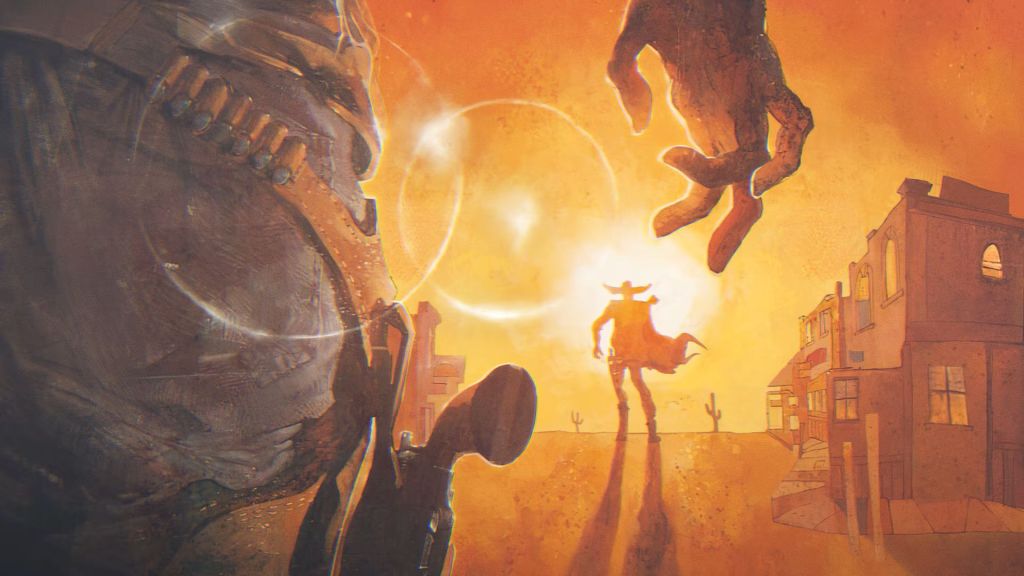
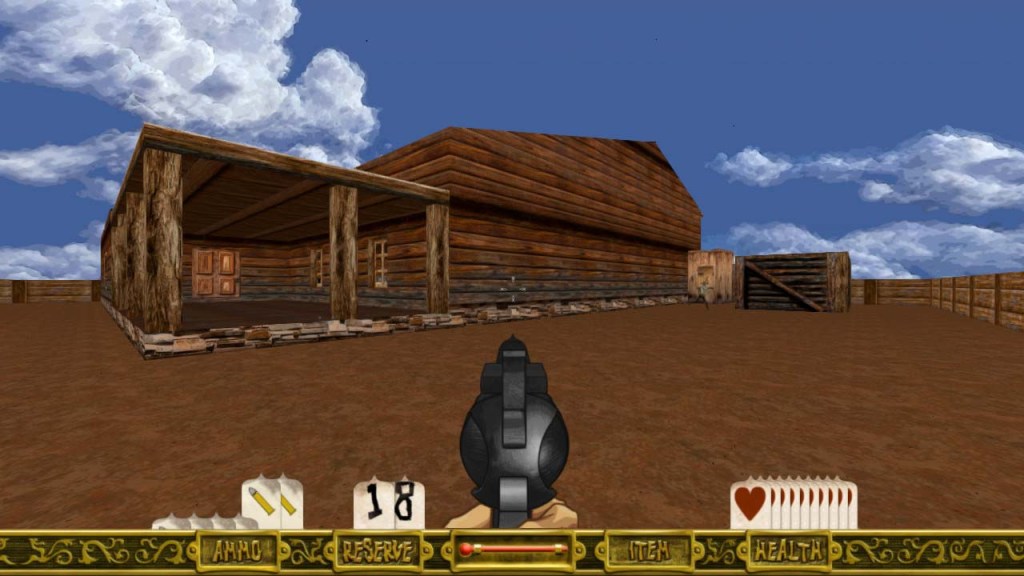
    Heavily inspired by Westerns, particularly of the Spaghetti kind, Outlaws was a surprisingly narrative heavy FPS that took us through Frontier towns and tumbleweed-filled gulches across a lawless land of bandits and land barons. A year later, the free expansion, Handful of Missions, was released to further extend our stay in the lawless frontier. Although Outlaws wasn’t a major commercial success, it managed to gain a cult following as well, along with community-created level packs, and is regarded as the first game to introduce a sniper zoom on weapons and reload animations.

    Like most Westerns, this is a story about revenge. When retired Marshall James Anderson’s wife is killed and his daughter kidnapped by the minions of a ruthless land baron, the good Marshall sets out to get his daughter back and deliver frontier justice to the men that took her.

    While this may be a simple story, Outlaws tells it with a surprising amount of cut scenes and dialogue, chronicling Anderson’s bloody journey across the West. LucasArts tells that story with serious cinematic flair, featuring a wonderful opening sequence heavily inspired by Spaghetti Westerns and some fantastic lingering landscape shots. It doesn’t hurt either that the surprisingly dark story is rounded out with a soundtrack that fits right up there with the best Westerns.

    The audio design is great overall, with wonderful sound effects for gunfire and reloads – though I did get a little tired of hearing the same; “You’re outnumbered Marshall!” sound byte playing throughout the campaign.

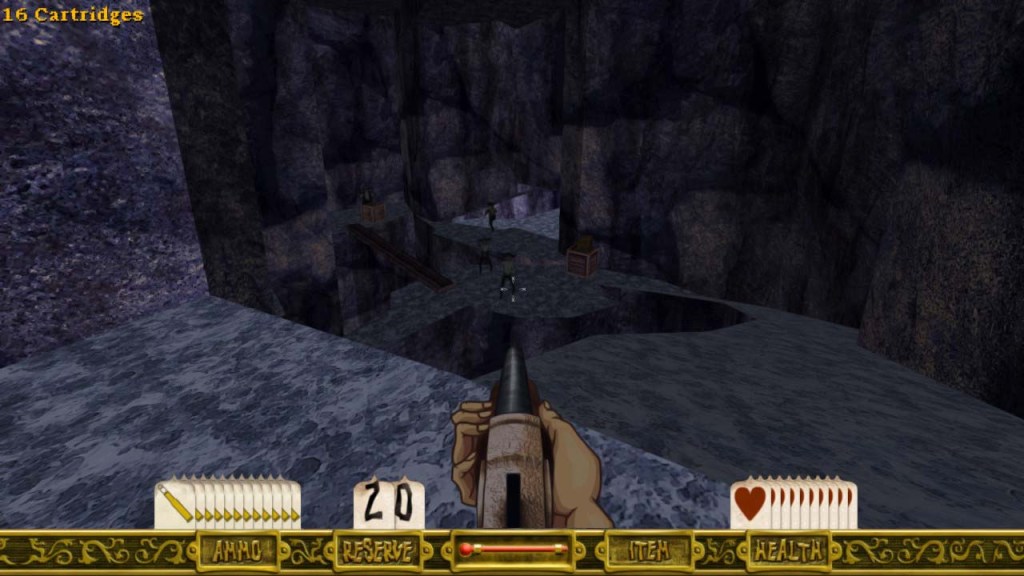
    Featuring a combination of hidden secrets, large multilayered maps, light environmental puzzles, and fun shooting, Outlaws plays like any number of FPS’s from the 1990’s. It may not feature the smartest of enemies, but they fill the role of shooting gallery goons well enough. The Wild, Wild West motif, coupled with the game stunning score, goes  a long way to giving Outlaws its own flavour. Overly complex it may not be, but it is incredibly stylish and fun.

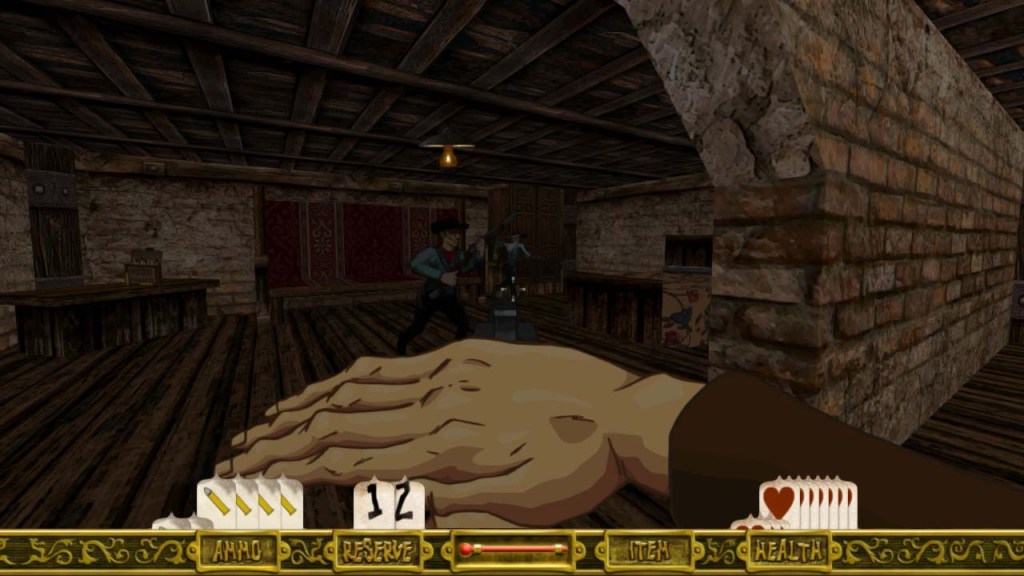
    There are an assortment of items to pick up, from the typical key variants to open locked doors, to oil canisters and throwing knives for combat. Most weapons have an awesome alternate attack. For the double-barrel shotgun, as an example, it’s the classic ability to fire either one round at a time or both. My favourite, however, was the revolver alternate, which lets you quick fire with a fanning technique – that’s slapping the hammer back repeatedly with the palm of your hand. If you’ve watched enough Westerns, you’ll have seen that move often enough.

    If I have one nitpick about the games combat, it would be that important enemies, or bosses if you will, often aren’t all that discernible from regular enemies beyond how much damage they take to go down. More than once I had a level end as I capped someone, only to have a cut scene play showing that I’d just taken down a wanted target when I thought I was blasting just another cattle thief.

    The Handful of Missions expansion, meanwhile, is just that: a handful of missions. Only they take you back into the events that made Anderson the Marshall that he becomes. Across the Civil War battlefield, to hunting down and trying to bring in wanted felons alive, the expansion is a nice continuation of the game for those wanting more High Plains shenanigans.

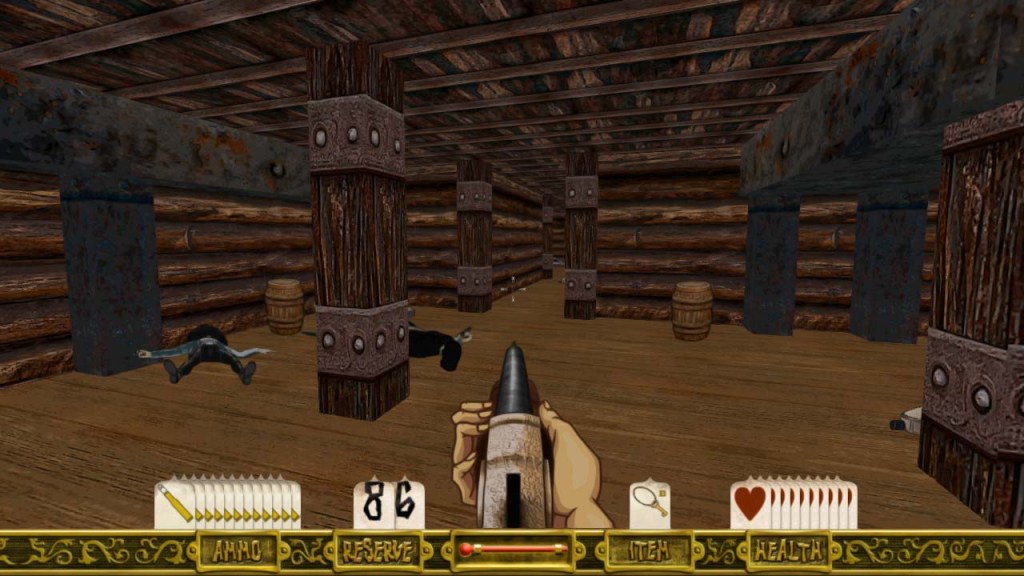
    As for Outlaws + Handful of Missions: Remaster itself? Well, what is there to say? Nightdive have once again worked their magic to make this the best version of the game to play without spoiling the original vision. Most noticeable, of course, are the reworked, high-resolution visuals which gives the game a lovely, crisp look. You can switch between the original visuals and the new with the push of a button – a feature I always love – but this is one time I certainly do prefer the reworked art assets.

    There’s also cross-play multiplayer, both online and locally, and a Vault for you to take a gander at the games production artwork, script, and development documents. And if you love the soundtrack as much as I do, you can listen to each of the games tracks in the Vault as well. Rounding out the package are a set of Achievements to be earned.

    Overall, Outlaws + Handful of Missions: Remaster is an excellent remaster of a really fun Western-themed shooter long-relegated to a clunky and buggy PC version. It may not be visually or mechanically complex by today’s standards, but it’s still a great FPS featuring a strong narrative and a fantastic soundtrack, that still proves that sometimes, simplicity is the best design.

    Pros:

    • Reworked textures and higher resolution
    • Can switch between original and reworked visuals at any time
    • Excellent soundtrack
    • Fun gameplay

    Cons:

    • Some overused sound bytes

    Score: 8/10

    Outlaws + Handful of Missions Remaster was reviewed on Nintendo Switch 1/2 using a code provided by the publisher. It is also available on PC, Xbox One/Series S|X, and PS4/PS5.

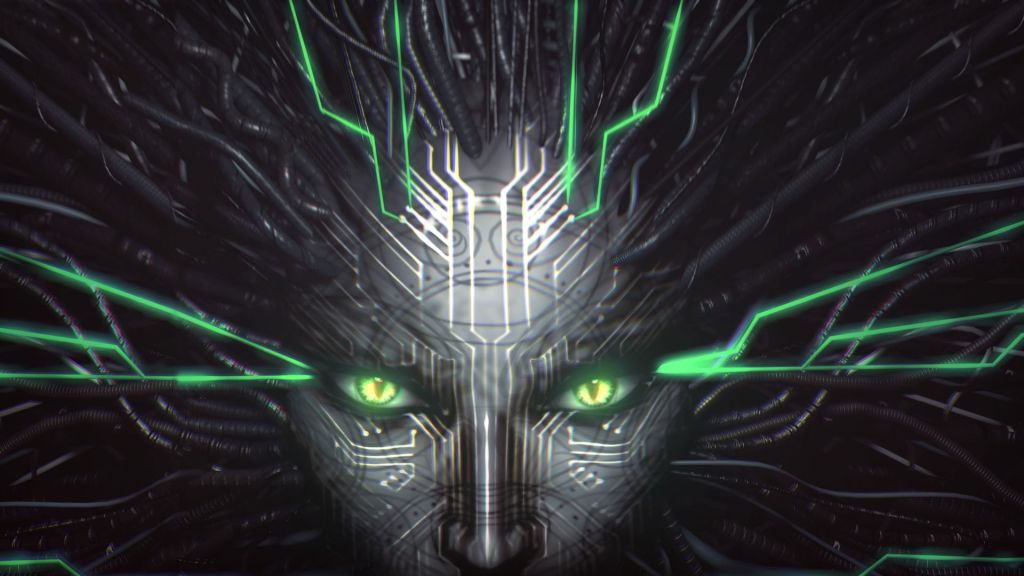
  • Review: The System Shock 2: 25th Anniversary Remaster is a respectful update that had me yearning for a proper remake (Xbox Series)

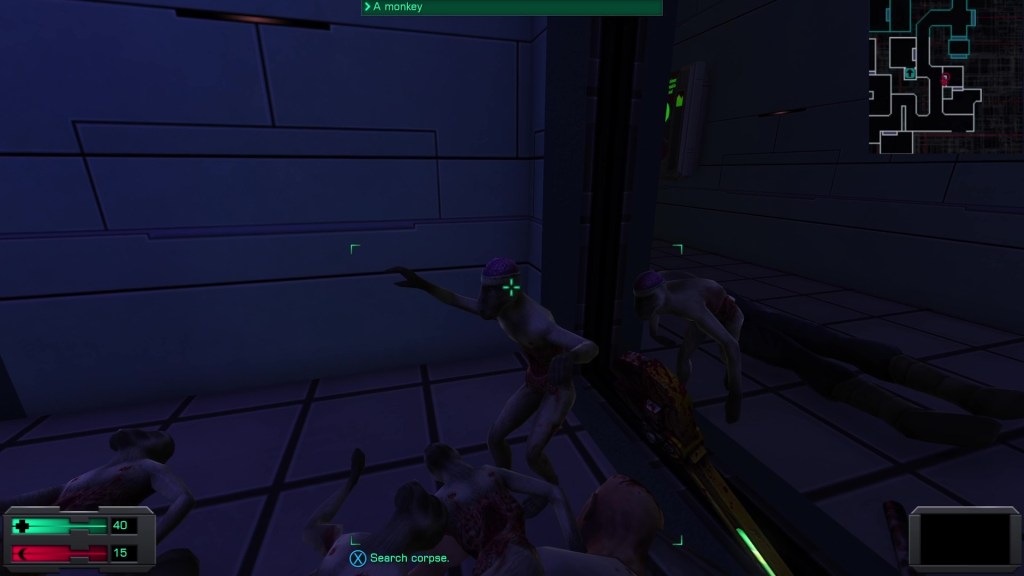
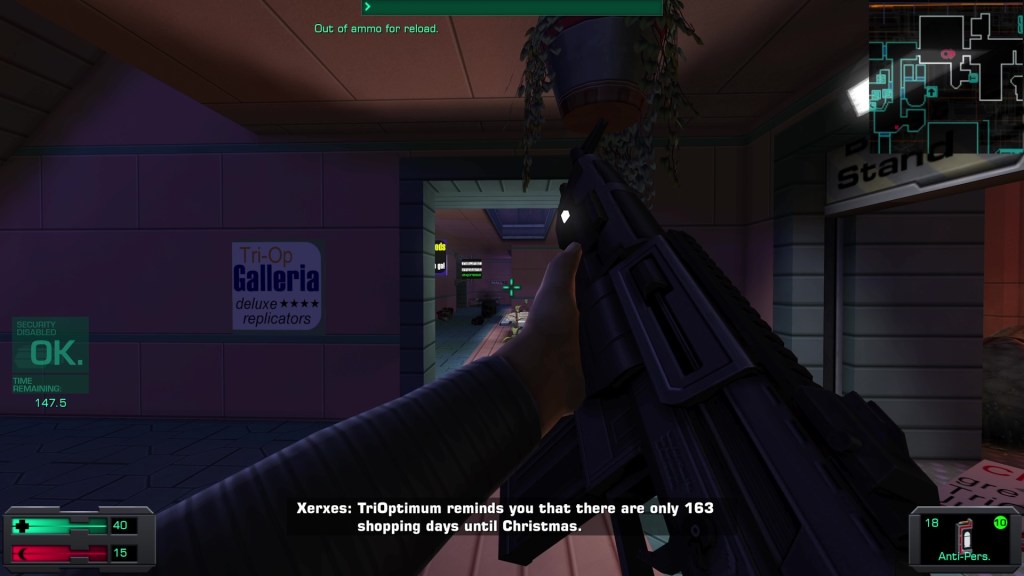
    Review: The System Shock 2: 25th Anniversary Remaster is a respectful update that had me yearning for a proper remake (Xbox Series)

    Nightdive Studios’ System Shock 2: 25th Anniversary Remaster gives modern gamers, across all current- and last-gen hardware, a chance to play or replay one of the progenitors of the immersive-sim genre now running on their flexible KEX Engine. What you take away from the experience, however, might depend on your expectations going in and your interest in video game history.

    It is important to note up front that this 25th Anniversary Remaster still provides much the same gameplay and visual experience as 1999’s System Shock 2 Classic that’s still available on PC storefronts. There are subtle quality-of-life and visual enhancements you might assume were always there; accessibility is improved with competent gamepad support (for PC too); and the PC version retains modding support. Although it’s not how I would recommend experiencing System Shock 2 for the first time, the co-operative mode returns with cross-platform play. It’s a respectful remaster, though PC players with modding experience might find it unambitious.

    First-time players coming from the System Shock (2023) remake might struggle with the gameplay and visual regressions in this tale of yet another cybernetically-enhanced, amnesiac protagonist going up against a resurgent SHODAN and her former creations. Nevertheless, I would argue System Shock 2 stands alongside games like 1998’s Half-life as timeless, having established the foundations of a genre. The biggest issue is that unlike the games it inspired – think 2017’s Prey, 2012’s Dishonored, or even its spiritual successor, 2007’s Bioshock – the combat feels incredibly dated.

    There is mechanical complexity, with different weapon types, specialised ammunition, and Psi powers best suited to organic, robotic, or hybrid enemies, but the audiovisual feedback is minimal and unsatisfying. It’s more RPG than shooter, with tangible progress measured by how big a chunk of a health-bar each attack removes before triggering a canned death animation. Experienced players could exploit the limited AI and level geometry for easier kills, but new players will find survival a function of their player build, loadout, and resources, not their mobility and aim.

    Regardless of whether you’re swinging a melee weapon that clips through enemies, firing an energy weapon with muted sound effects, or casting a Psi power with underwhelming particle effects, a degree of auto-aim and visible enemy health-bars are needed to offset simple hitboxes, inconsistent hit reactions, and the lack of visceral impact. This weakness would be fatal for a dedicated FPS, but to System Shock 2’s credit, it becomes less significant when you consider the number of other systems and modifiers at play during any given encounter.

    Starting at the beginning, a gamified class-creation tutorial guides you through the basics and introduces three military paths. The Navy career (my preferred choice) offers hacking, repair, and maintenance buffs – all handled through a simple mini-game – that make using conventional weapons, specialised ammunition, and hacked security systems optimal. For those wanting a more direct approach to combat, the Marine career boosts strength, endurance, and weapon skills, which make melee brawls and using heavy or exotic weapons with splash damage feasible – just don’t expect many opportunities to bypass threats.

    If you’re looking for a less conventional experience, the OSA career offers over 30 psionic powers across five tiers. There are mundane alternatives to resistances, weapon repairs, and healing, but you’ll also find creative and potentially game-breaking options like remote hacking, invisibility, organic mind-control, and teleportation. Even the simple direct damage powers offer a unique mechanic that allows you to overcharge them during casting – albeit with the risk of damaging yourself if your timing is off.

    Regardless of your early choices, every career can invest cyber modules (typically granted as a reward for completing objectives) to boost primary attributes, weapon skills, tech skills, or psi powers. Depending on the chosen difficulty – which modifies health, psi-points, and the cost of upgrades – it makes sense to prioritise a few to stay ahead of the escalating difficulty curve, but multi-classing is viable if you thoroughly explore for additional cyber module stashes.

    You can tailor your build even further with four OS upgrades for powerful passives; energy-draining armour and implants; and there is no shortage of consumables to keep you alive during protracted fights or when navigating hazardous areas. There are also organic and robotic components to research for new weapons and damage buffs against enemy types – though a dedicated research skill and backtracking to chemical storerooms for research material still feels like poorly-implemented padding.

    Exploration is still a key element of gameplay, even if the level design and quest structure lack the degree of flexibility seen in modern immersive sims. The menu interface tracks overarching objectives and even the steps taken towards completing them, but clues on how to progress are still found in scattered audio-logs that are often easy to miss. Keycards, keypads, and environmental hazards gently guide the player, but even with a detailed map, System Shock 2 is a game in which you need to take note of text logs and environmental signposting to avoid frustration.

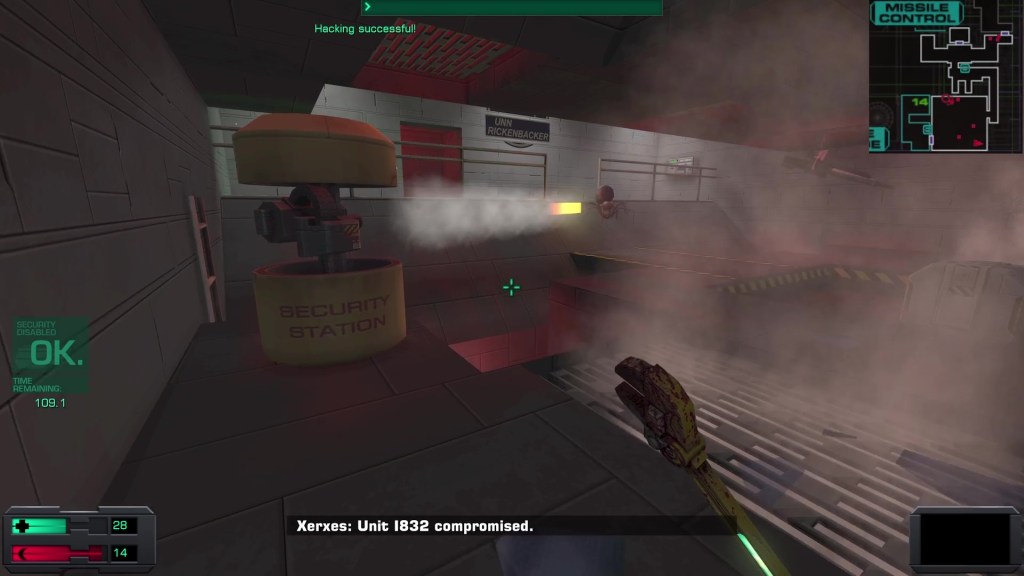
    That said, methodical exploration is how you come to appreciate what all good immersive sims excel at: rewarding or punishing player agency based on how cautious or reckless they are. The decks of TriOptimum’s Von Braun starship and the UNN Rickenbacker are not as large or maze-like as Citadel Station, but the first two-thirds of the game will take you through them more than once and it becomes difficult to avoid combat. You will often open new paths between the interconnected map segments, and there’s incentive to return with improved skills to access new gear or cyber module stashes.

    You slowly come to recognise which routes bypass patrolling enemies; which rooms near central elevators are best used for item storage; and which upgrade terminal, recharge station, surgical bed, or vending machine is the safest to return to when you need to restock. The narrative moves forward as you complete objectives, but the more you explore, the more audio-logs you find that expand on secondary story arcs. These delve into the discovery of the parasite known as The Many, the corruption of the Xerxes AI, the internal strife and downfall of the crew, and the return of SHODAN.

    As with the original System Shock and its remake, fear of the unknown gives way to empowering familiarity – but that is not to say System Shock 2 is forgiving of reckless play. Aside from robust melee weapons that serve as a last resort for late-game enemy variants, weapons degrade with use and ammunition, psi-hypos, and the nanite currency – used for hacking and vending machines – are effectively finite.

    A lack of resources coupled with a few dubious and unaltered quests never impedes progress, but it can kill the pacing. Looping around the recreation deck looking for codes hidden in artwork was as tedious as ever; consuming my last nanites to hack a vending machine that then forced me to buy a quest-essential item was infuriating; and hunting eggs in convoluted engine deck of The Rickenbacker was only marginally less tedious than the aforementioned artwork code hunt.

    As such, the System Shock 2: 25th Anniversary Remaster offers both anachronistic fun and frustration – to the point I was enjoying it but simultaneously thinking how much better a full-blown remake like System Shock (2023) would be. The visual enhancements, like improved textures, ambient occlusion, and more intricate weapon models make a significant difference when compared side by side, but it ultimately looks and plays like the early 3D FPS-RPG hybrid it is.

    As fan of the genre and the original, it feels like a smartly remastered and well-priced excuse to replay it, but I have doubts new fans of the IP coming from the System Shock (2023) remake will find it that playable. On the other hand, those with a gaming history going back a decade or two could treat it as a playable history lesson, showcasing the origins of many mechanics, scenarios, and storytelling methods you’ll have seen in later games.

    Pros:

    • A smart and respectful remaster that preserves System Shock 2’s timeless qualities and a few flaws
    • The updated textures, ambient lighting, and new weapon models don’t gel with the original designs
    • Competent gamepad controls and a multi-plat release improves accessibility
    • There’s only one cyberspace section at the end (which I guess some might consider a negative)

    Cons:

    • It ultimately looks and plays just like the late ‘90s early 3D FPS-RPG hybrid it is
    • Some laborious objectives remain unaltered and can drag down the pacing

    Score: 8/10

    System Shock 2: 25th Anniversary Remaster was reviewed on Xbox Series S|X using a code provided to gameblur by the publisher. It is also available on PC, Xbox One, PS4/5, and Nintendo Switch 1/2.