Tag: Microids

  • Review: Syberia – Remastered (Xbox Series)

    Review: Syberia – Remastered (Xbox Series)

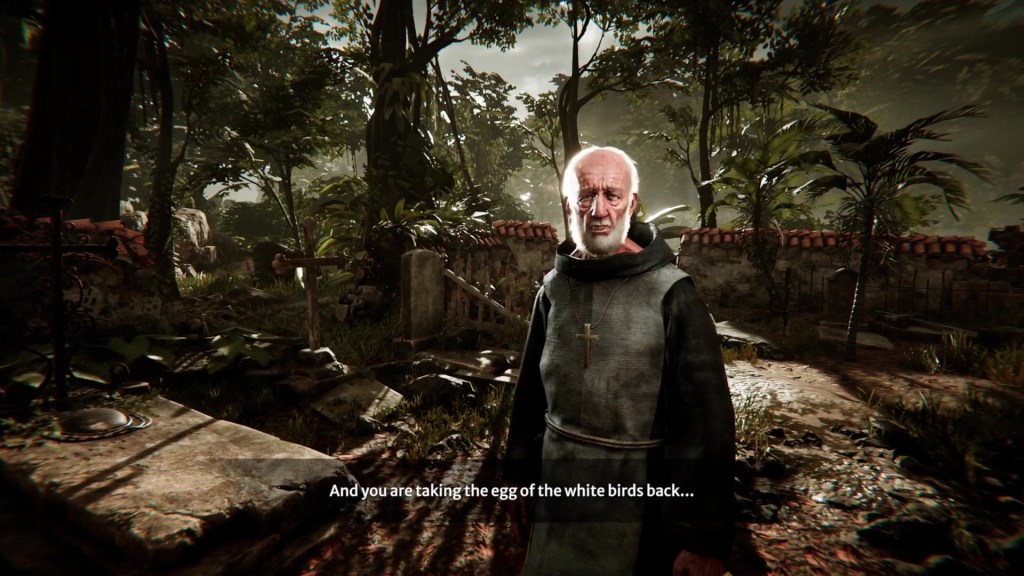
    Syberia first released in 2002 as a point-and-click adventure with relatively unremarkable mechanics for the time. It was, however, elevated by Belgian comic artist Benoit Sokal’s striking designs, an evocative soundtrack, and a narrative that blended the relatable with the surreal. It was easy to play through the remaster for the story – the third time now if I count the awkward console ports of the PC original – and I’d argue Syberia – Remastered is now the most accessible way to play this uneven cult-classic. The updated visuals are beautiful yet faithful, the UI is cleaner, and a few puzzles have even been expanded or tweaked. That, old flaws remain and a few new bugs can frustrate.

    I think what I love most about Syberia is how it balances a growing sense of wonder with unease. You play as Kate Walker, a New York lawyer who looks and sounds like part of our world, but her journey eastward, from the French Alps towards Russian Siberia, feels increasingly detached from reality. Kate arrives in Valadilène to conclude the sale of the Voralberg family automaton business to an American company, only to find the owner has recently passed away and her short business trip is about to get complicated.

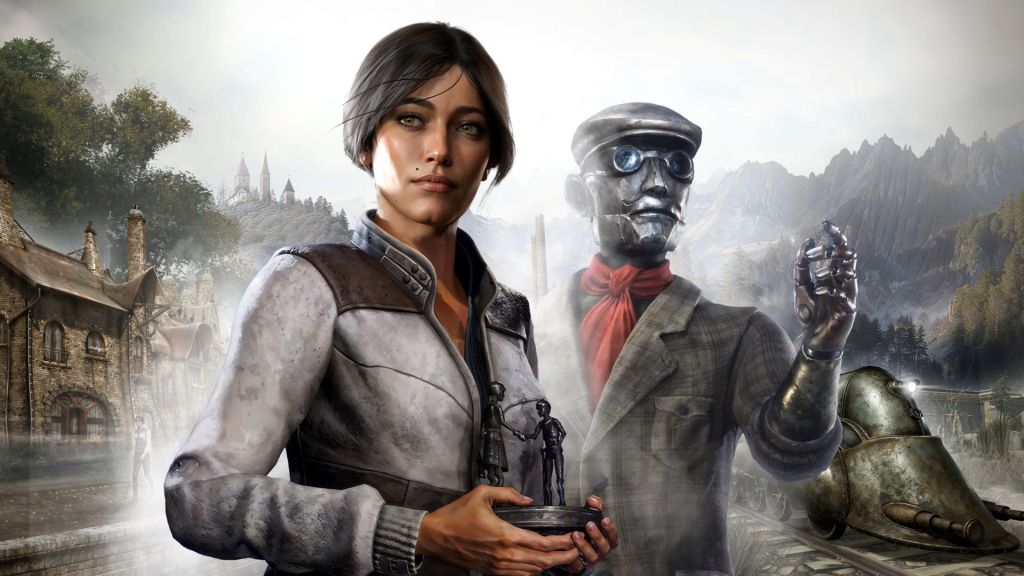
    After learning of another heir, the reclusive Hans Voralburg who was long presumed dead, Kate kicks off a journey that will take her further and further away from her current life – her friends, her family, and everything she thought was important. She ends up travelling on a clockwork train, in the company of the weird but likeable automaton Oscar, following in the footsteps of Hans Voralberg decades later. She delves into the Voralburg’s tragic family history, explores seemingly forgotten corners of the world, and encounters an odd cast of those left behind with unfulfilled dreams.
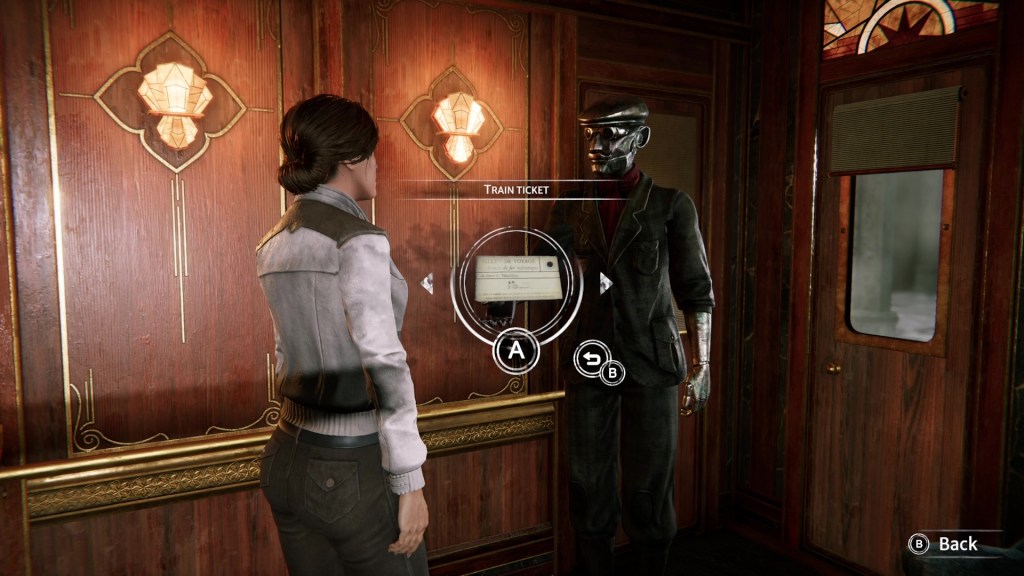
    It makes for a compelling but weirdly paced narrative that sometimes unfolds with no particular sense of direction (other than geographically). As someone who dislikes modern games with bloated runtimes that kill pacing, you’d think it would annoy me. However, given you can see the end of Syberia – Remastered in just 6-7 hours – puzzle-solving skills permitting – it feels more like deliberate and confident pacing. Kate’s journey is literally about going off the rails while on the rails, full of discoveries and revelations, about both her curious client and herself. It’s not always well written, the voice acting is variable, and it features some dated stereotypes, but it had emotional hits that many modern cinematic AAA games fail to generate.

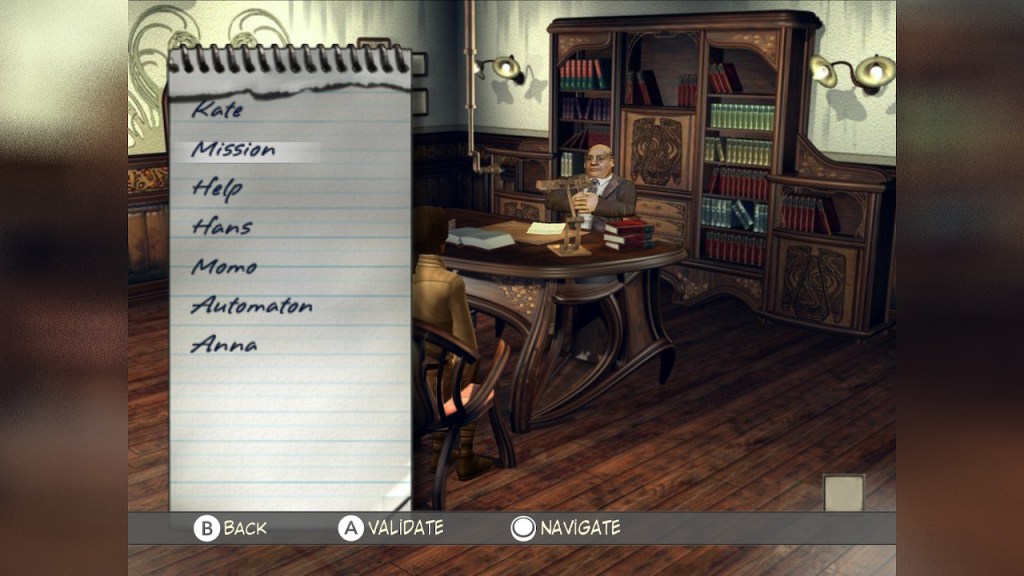
    Gameplaywise, Syberia – Remastered has the same mechanical weaknesses as the original game – even with an updated journal and a handful of expanded puzzles to flesh out some locations. Unlike so many of its peers, Syberia was never about dense environments, pixel-hunting for interaction spots, or use-everything-on-everything experimentation. Instead, you explore large and beautiful zones, exhaust dialogue trees for plot triggers, find a handful key items, and tackle maybe two or three puzzles in each area. It feels more streamlined and logical than most point-and-click games from that era – but the size of the environments can make backtracking tedious.
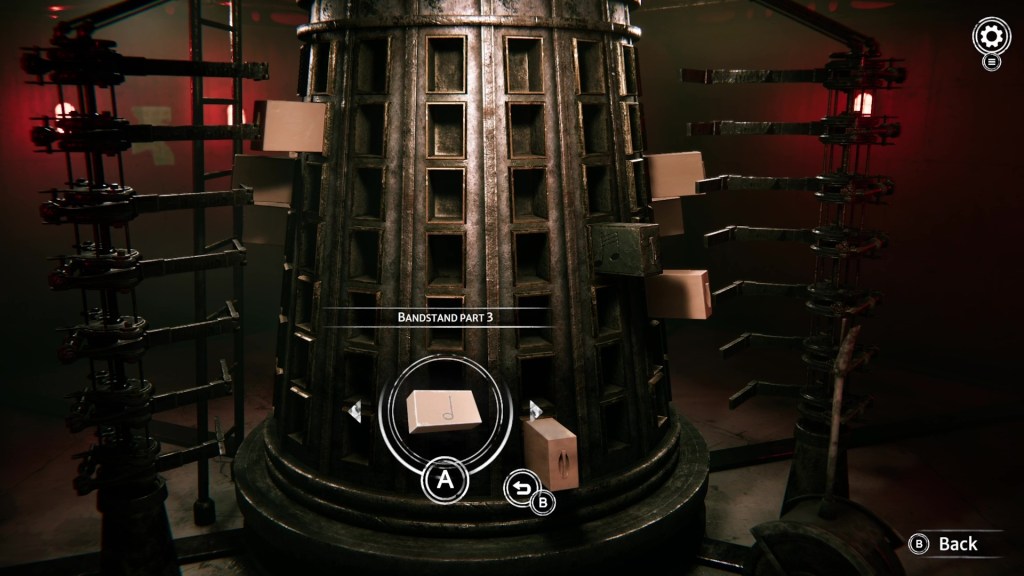
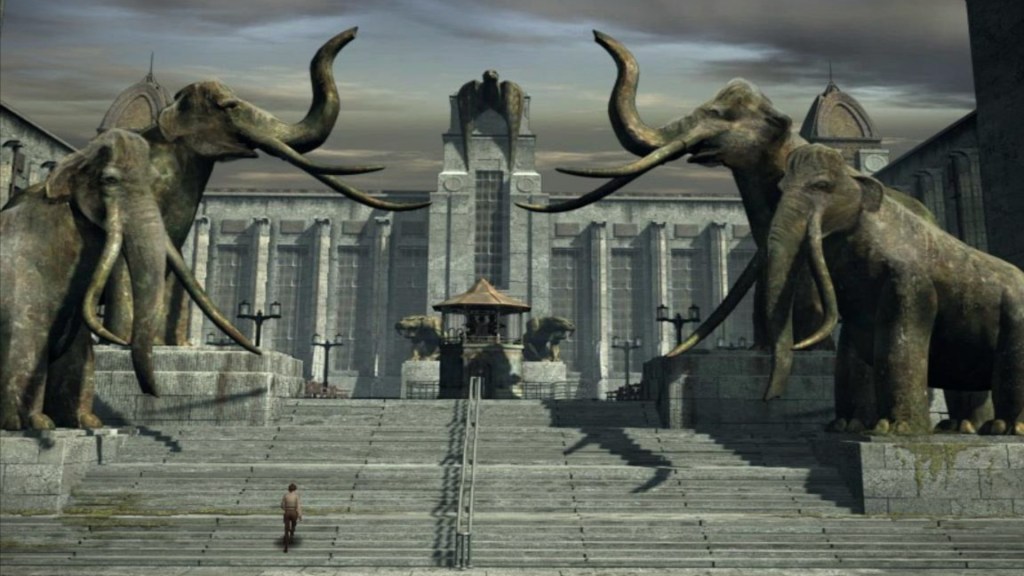
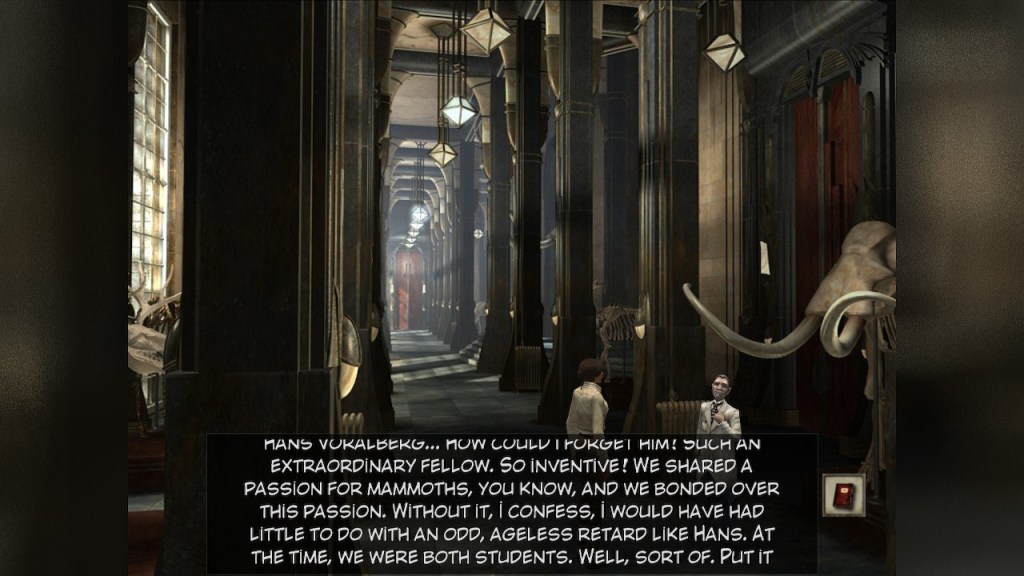
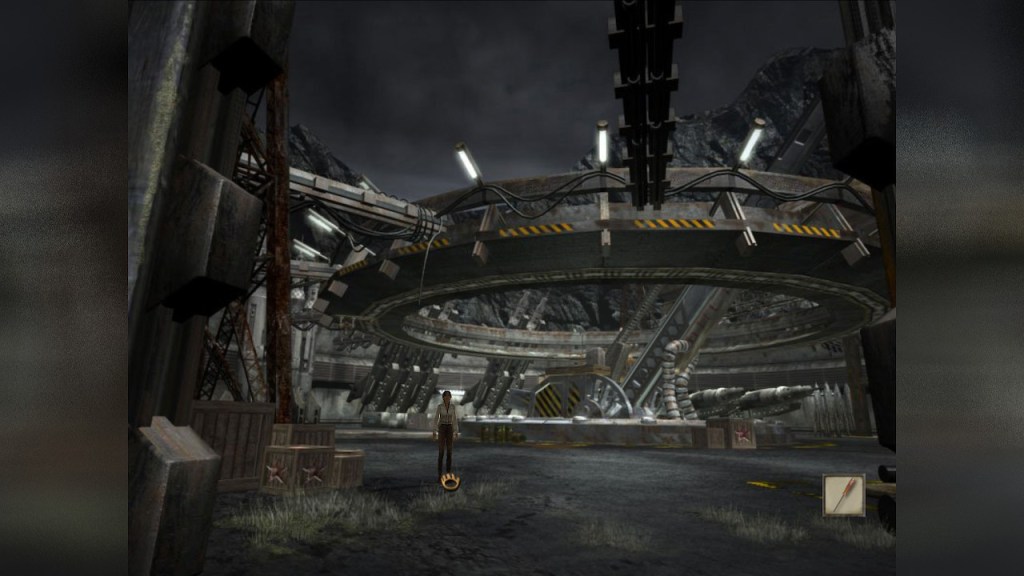
    On the upside, Kate’s initial visit to each location feels suitably wondrous and surreal. She explores a declining alpine town with clockwork buildings and specialised automatons serving the ageing population. She travels to a quirky German university located alongside what look like a giant remnant of the Berlin wall, meeting the bizarre faculty members, exploring an incredible aviary, and learning about Hans’ fascination with Siberian Mammoths. She explores an abandoned Russian industrial city run by a deranged mayor; she visits a cosmodrome to help a drunken cosmonaut get airborne; and she finally help an ageing opera singer feel alive again – if only for a while.

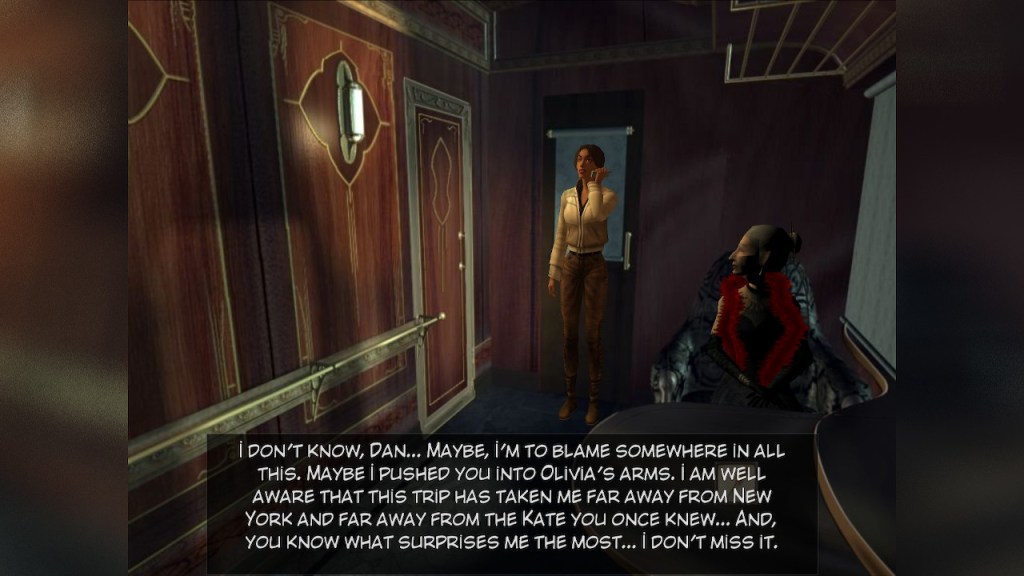
    Every step of the journey feels more surreal than the last and Kate’s fiancé, boss, friend, and mother – most of them self-interested and living shallow lives – frequently call and struggle to make sense of Kate’s trajectory from corporate ladder-climber to headstrong explorer willing to push ever further into the unknown. Again, Syberia is no masterpiece of videogame writing (and this remaster has some dubious subtitles and transcriptions), but it nails the atmosphere and Kate’s voice actor – Sharon Mann for the English dub – did an incredible job of capturing her emotions.
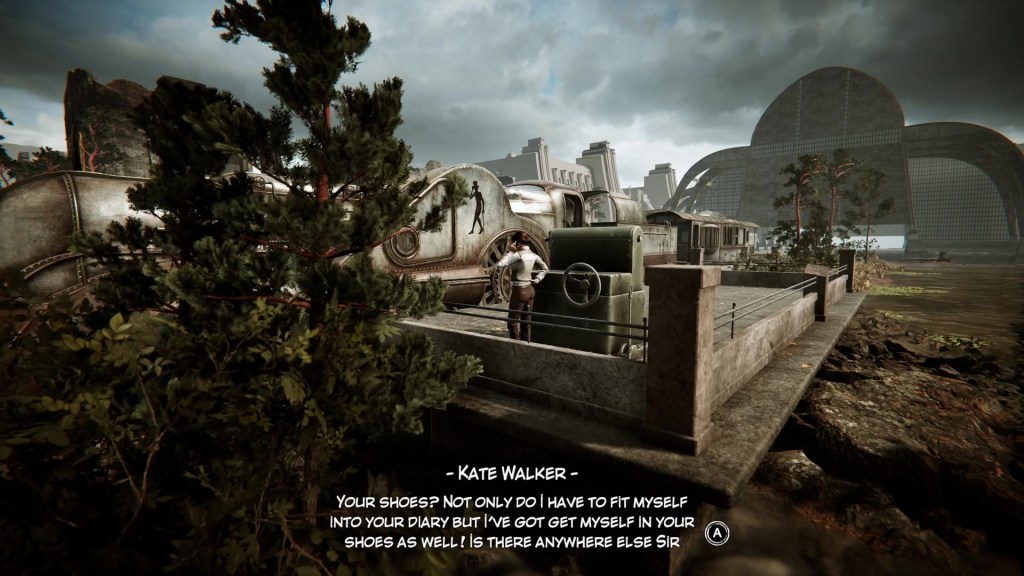
    Of course, most cult classics like Syberia benefit from a mix of hyperbolic praise from fans and the resultant hype for this release. As one of those fans, and a fan of classic point-and-click adventures in general, Syberia – Remastered is a worthy effort at preserving a classic game and making it more accessible on multiple platforms. It stays faithful to the source material despite looking more modern, the expanded puzzles add a minor twist for returning players, and the new journal might prove essential for new player – but I still feel the diverse cast and timeless narrative are the main attraction.

    Pros:

    • Experiencing Kate’s journey of self-discovery through a wondrous but surreal world
    • Beautiful, faithfully remade environments better fit the evocative soundtrack
    • Most puzzles are logical and streamlined
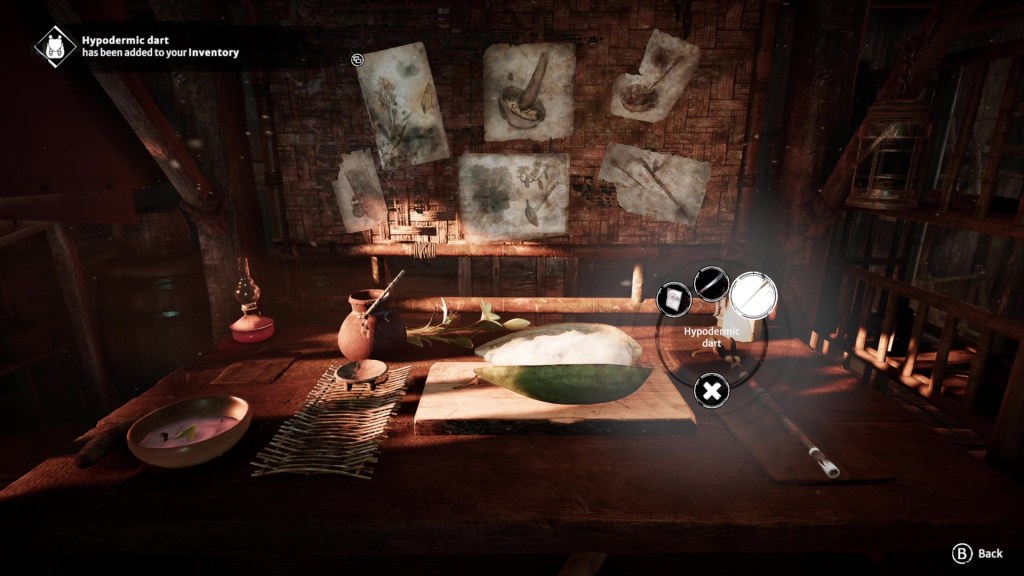
    • The expanded journal system makes the tougher puzzle less of a roadblock

    Cons:

    • Backtracking through larger environments can get tedious
    • Rare movement bugs required restarting the game
    • Subtitles and document transcriptions need work

    Score: 8/10

    Syberia – Remastered was reviewed on Xbox Series S|X using a code provided by the publisher. It is also available on PC and PS5/Pro.
  • Review: Space Adventure Cobra – The Awakening (Nintendo Switch)

    Review: Space Adventure Cobra – The Awakening (Nintendo Switch)

    Space Adventure Cobra… there’s a name I’ve not heard since the IP peaked in late ’90s. And, since we have to go that far back to the last time it was relevant, it’s best to give you a little rundown on what Space Adventure Cobra is (in addition to reviewing the videogame that you’re currently checking out).

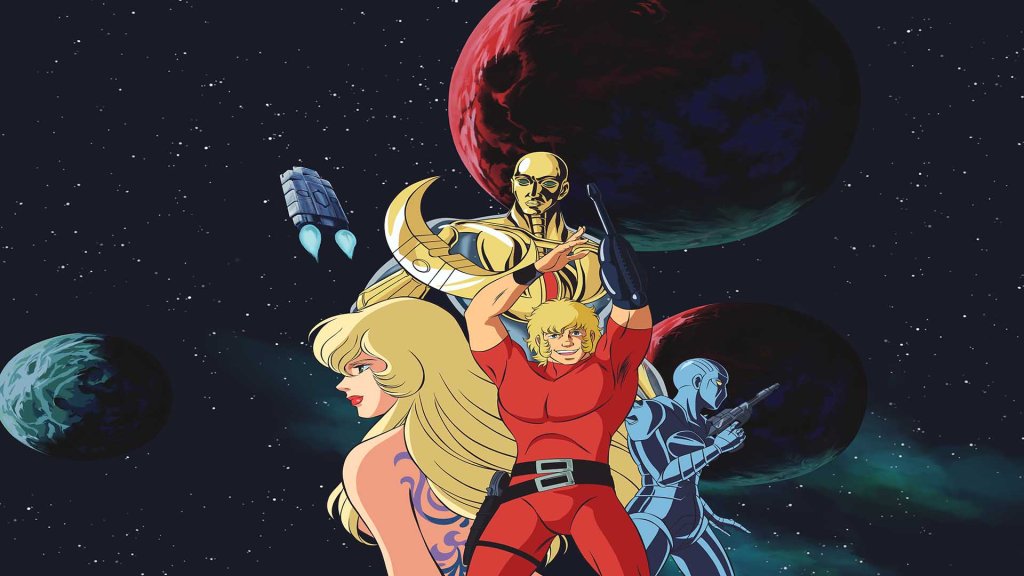
    Back in 1978, Buichi Terasawa created the manga known as Cobra, a pulpy, SF action-adventure series that placed you in the shoes of treasure hunter and lovable wise-cracking rogue, Cobra. Cobra, along with his partner in crime, Lady Armaroid, travelled the galaxy searching for adventure and putting a stop to evil doers. To escape his enemies, the Space Pirates Guild, Cobra faked his death, changed his face, and erased his memory. But you can’t hide forever, and the past always catches up. Cobra once again finds himself going up against the Space Pirates Guild across a galaxy of adventure.

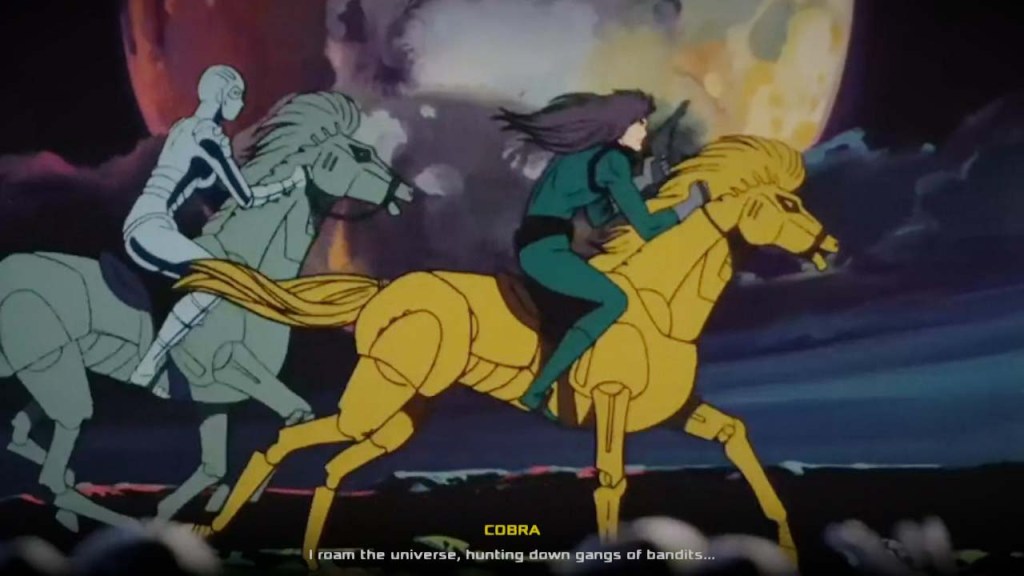
    In 1982, the manga was adapted into the classic Space Cobra anime, followed up by a movie, two OVA’s in the ’90s, a reboot attempt in 2010, and merchandising that included videogames. The original anime was a colourful extravaganza. Terasawa’s creation was inspired by a variety of media, most notably samurai movies, Spaghetti Westerns, and a healthy dose of James Bond. It’s a melting pot of ideas that shines through in its Saturday Morning Cartoon look. Make no mistake, as with many older anime and manga, darker themes were just as present in the source material and show, but they never diminished Cobra’s cavalier and playful pulp spirit.

    And that spirit has made the transition into the videogame as well, along with its bright, shiny, cartoon-esque visuals and design. Now, despite taking its name from the movie, which I do think sounds better, Space Adventure Cobra – The Awakening faithfully adapts the first twelve episodes of the original 1982 anime. Licensed IPs are notoriously difficult to get right and the amount of poor licensed videogames, including those still filling up landfills, is a testament to that. But Space Adventure Cobra bucks that trend with a game that is not only faithful to the source material, but a really fun adaptation of it.

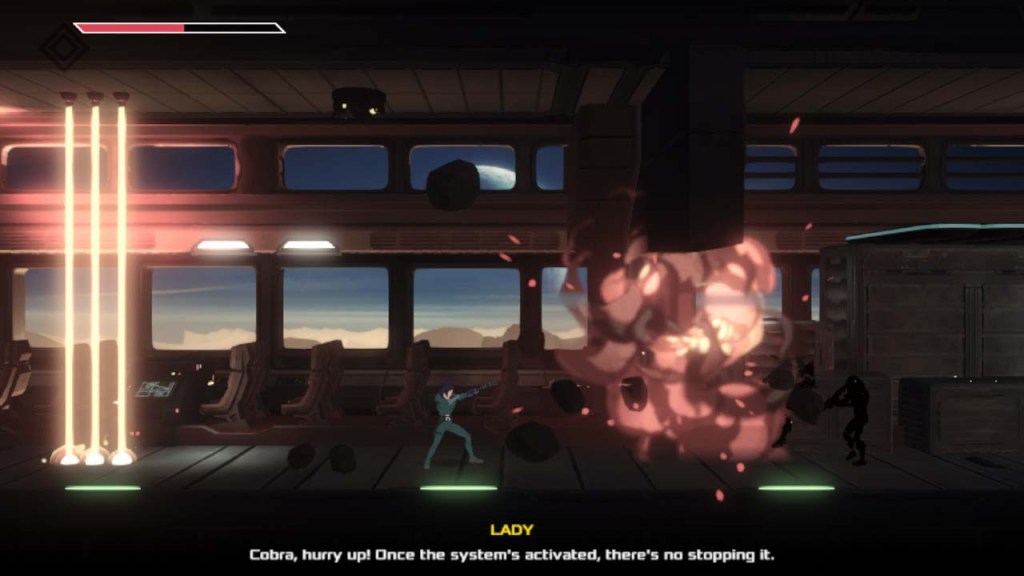
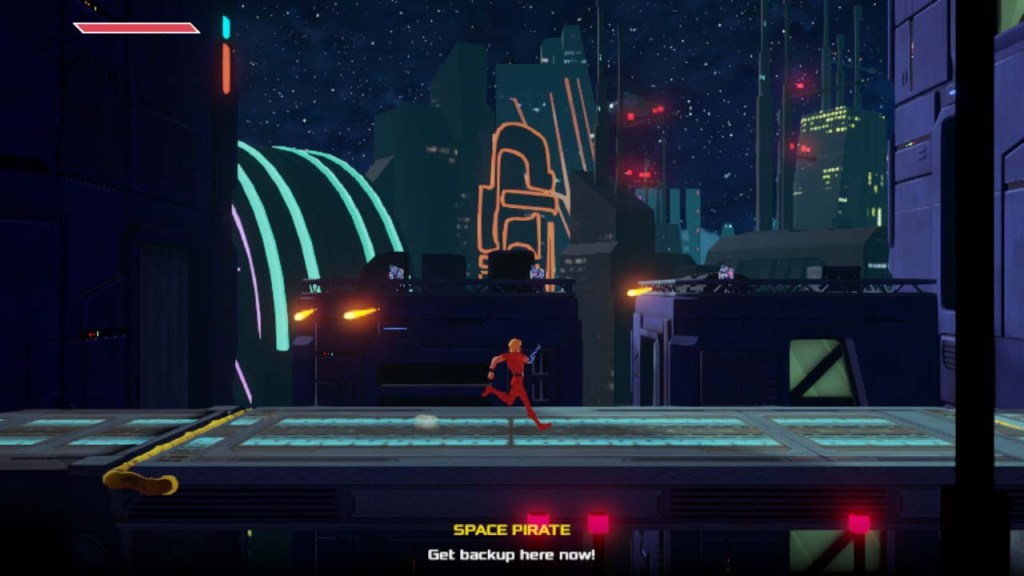
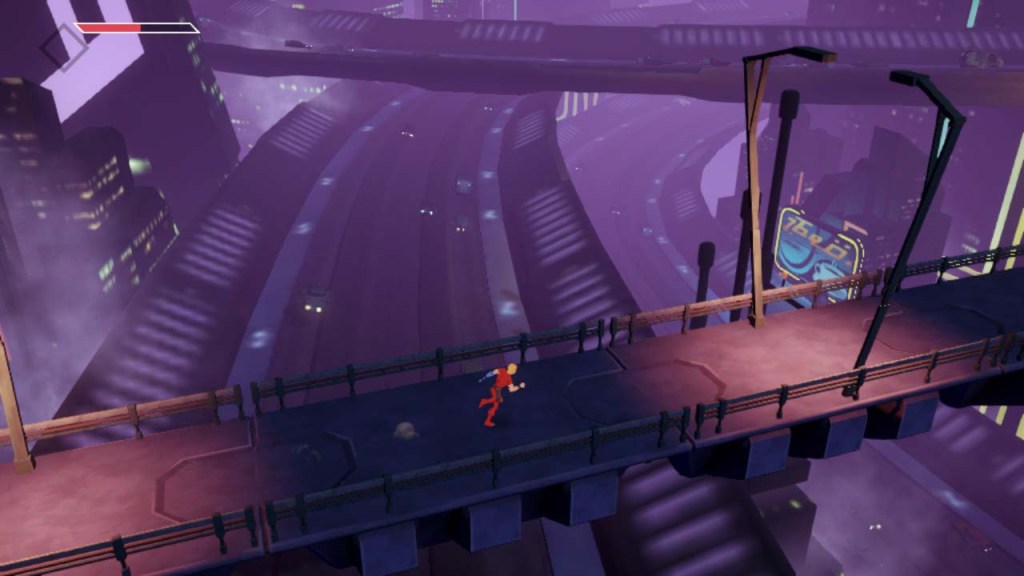
    As Cobra, you’ll be tearing through the anime’s story in a classic side-scrolling action-platformer. For a game based on an old IP, the developers have used old-school gameplay designs to bring Cobra’s antics to digital life. You’ll be running, jumping, air-dashing, and sliding your way across a variety of locales full of environmental hazards and enemies galore. More often than not, you’ll be expected to do all this while avoiding the oodles of blaster fire coming your way. It makes for a pretty challenging game right out of the gate.

    But Cobra isn’t useless in the combat department, In fact, he’s downright formidable. Keeping in line with the source materials Bond-ian inspiration, Cobra has a variety of gadgets at his disposal to even the odds. From a grappling hook to exploding cigars, and a revolver that disables shields, you have all the tools you need to take down the endless goons of the Space Pirates Guild. But it’s Cobras signature weapon, the Psychogun, that is your greatest ally.

    The Psychogun – basically a laser rifle that takes the place of Cobra’s left arm – is powered by the user’s mental strength and, along with Cobra’s life, one of the most coveted prizes in the Space Cobra universe. You have a high fire rate, a charged shot, and (the cream of the crop) thought controlled shots that let you guide the Psychoguns beam to its destination, usually through multiple opponents. Finally, you can build up a super meter that lets you unleash the Psychogun in one explosive, screen-clearing shot that decimates every visible enemy.

    One of the aspects that I really enjoyed is how the Psychogun turn encounters into small little puzzles that challenge you to clear out a section of enemies efficiently with the controlled shot. You can run and gun you way through each encounter in the most basic manner, but I don’t recommend this. At least not on the default difficulty which puts up a pretty stiff fight, especially in the later stages where caution and exploiting all of your abilities is the key to survival.

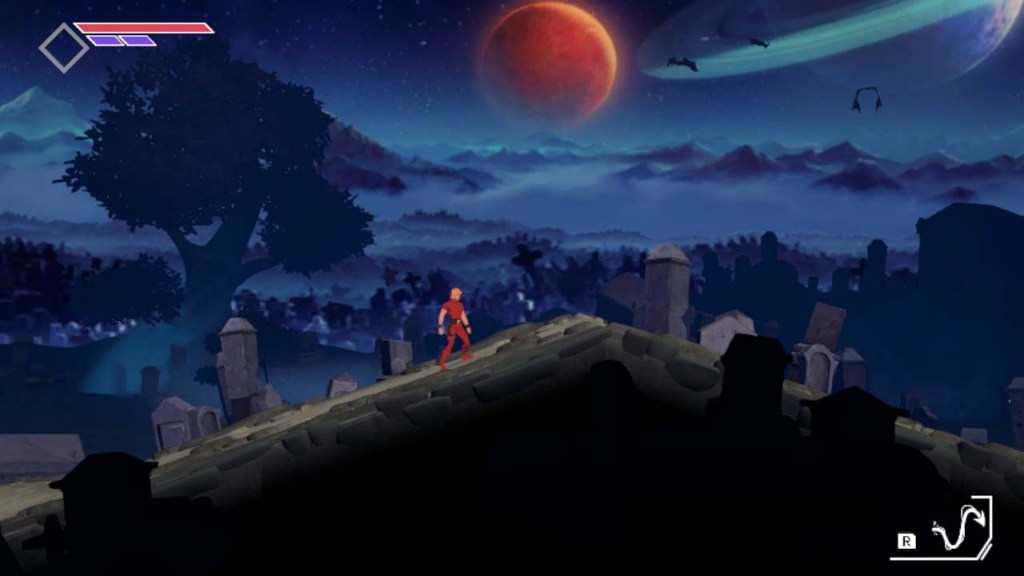
    Depth has been added to the game and it’s stages by making sure there are plenty of power-ups and unlockables scattered across the environment. These range from items that increase your health and damage output, to artwork that can be used to customise Cobra’s spaceship, The Turtle. Some areas can only be reached once you’ve gotten the requisite gadget and this adds replay value for those looking to 100% stages.

    Credit goes to the developers who have managed to keep this formula feeling fresh throughout the games runtime by varying up the way in which levels are laid out, so you rarely feel like you’ve just done the same thing you did only fifteen minutes ago (even though you have). There are multiple bosses to fight in each level – some of which do get overused – and they rely on the tried-and-true method of pattern recognition plus fast player reflexes.

    I really love the way in which the developers have integrated the anime into the game as well. Each of the levels is presented like a TV episode, with original clips providing all the story meat. But, instead of just having a clip at the beginning or end of a mission, multiple clips play throughout each level, with each gameplay sequence leading in and out of the clip, thus making each section feel like a natural extension of the anime. And there’s a lot of video here, so if you’re not familiar with the anime and its art style, consider your education taken care off.

    Watching the anime clips, I’d also say that the original Space Cobra anime seems to have aged well. The animation is great, the voice acting is excellent, and it captures the golden age of anime and its spirit wonderfully. Enough so that I’m tempted to jump back into the show again.

    The games 3D visuals and environment design follow on nicely from the anime’s look. Each new are feels pleasantly distinct and the animation does a lot of work helping Cobra’s personality shine through in his moves. I particularly love the animation for dodging an attack in mid-air – the one with Cobra doing the splits to avoid whatever was coming his way. For the most part performance is pretty good on the original Nintendo Switch, but there are some moments of slowdown when things get too hectic and in a few spots where some fancy camerawork has been employed to highlight the environments.

    Cobra controls pretty well for the most part with snappy, responsive movement but I do have some issues with the control layout that I think could have been better thought out. For one, being unable to crouch just feels odd in a game where so much blaster fire is headed your way and crates or rocks litter the environment. Cobra is also a little on the twitchy side when jumping and I’d occasionally over-jump or miss a platform.

    My biggest peeve, however, has to do with aiming. You have a 360-degree field for shooting around Cobra and can do so while moving, but aiming is also tied to the left thumbstick that moves him. This makes for some frustrating run and gun moments when you’re avoiding enemy fire while trying to hit enemies above, below or at an angle to you. You can hold down the L button for precision aiming, but this locks you into place while firing which is an issue with so many laser blasts heading your way at any given time. I feel like this needed to be thought out better – perhaps put control of your gun hand on the right thumbstick that lets you pan the camera slightly up or down. It becomes incredibly frustrating during boss fights when you have a small window to hit the boss, but you can’t stand still to do so because there are too many projectiles filling the air.

    I’ll be among the first to admit that I wouldn’t have thought to make a game based on Space Adventure Cobra, but I’m certainly glad that Magic Pockets has done so. Space Adventure Cobra – The Awakening has some control issues that need work, but the care, attention to detail, love, and inventive use of the source material is on display throughout the game’s fun and carefully constructed design. Not only have they created a rare videogame adaptation that does the source material proud, but they’ve also managed to rekindle my interest in an IP I haven’t thought about in ages.

    Pros:

    • Excellent use of the original anime to tie together gameplay sequences
    • Fun but challenging game design
    • Good story
    • Great visuals and animation
    • Amazing voice work

    Cons:

    • Some slowdown on the original Nintendo Switch
    • Having aiming use the movement stick can get very frustrating

    Score: 8/10

    Space Adventure Cobra – The Awakening was reviewed on Nintendo Switch using a code provided by the publisher. It is also available on PC, Xbox One/Series S|X, PS4/5, and Nintendo Switch 2.

  • Review: Amerzone – The Explorer’s Legacy (2025)

    Review: Amerzone – The Explorer’s Legacy (2025)

    It’s depressing how many remade or remastered games I can now claim to have originally played over three decades ago. Many retro-inspired games have moved on from pixel art to target the look and feel of early 3D games from the late ‘90s on PC or 32-bit consoles – the era that cemented my love of gaming as a lifetime hobby. Amerzone – The Explorer’s Legacy (2025) is one such remake; an updated, expanded, and lavish overhaul of a 1999 point-and-click adventure, known primarily for its association with Belgian artist Benoît Sokal who created many of the creature designs and backdrops before going on to work on the more recognisable Syberia games.

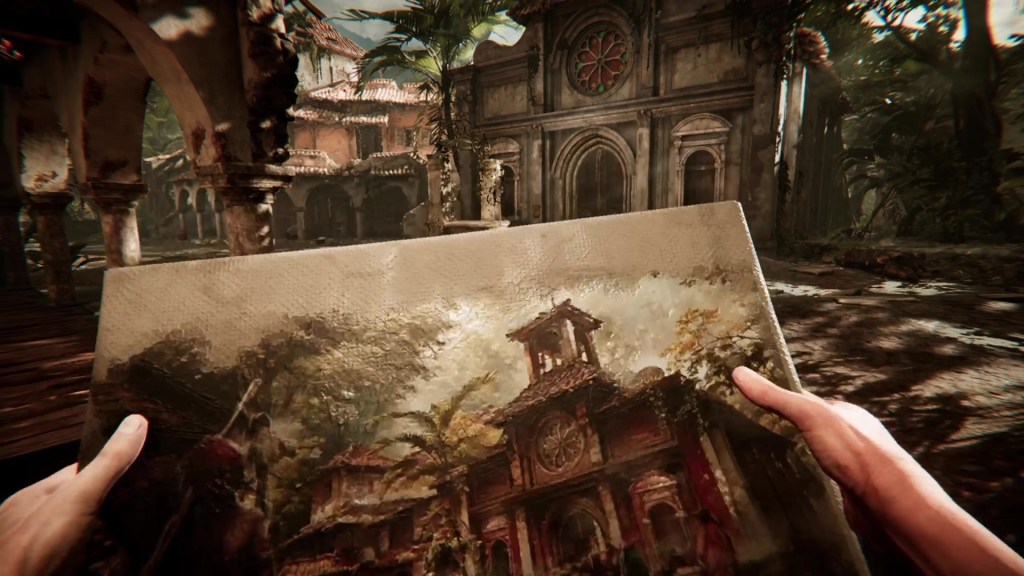
    This remake takes the classic first-person point-and-click structure and converts those weirdly proportioned 360-degree panoramas into beautiful and detailed 3D environments. There’s no free movement, but abrupt screen transitions and an overreliance on short cutscenes are replaced with slick in-game animations for set-pieces, transitions, interactions, and puzzle devices.

    You could argue the updated visuals don’t always capture the bleak atmosphere of the original, but when combined with an expanded soundtrack, new voice work, and more narration, it makes for a cohesive and cinematic adventure with production values closer to what you’d expect from a modern release.

    It’s not just the audiovisual experience that’s been overhauled. A lot of work has gone into expanding and enhancing every location while still retaining the basic layout, significant landmarks, artistic designs, and all the original notebook sketches. The unnamed protagonist also gains more agency and personality through their many journal entries that, in turn, flesh out secondary narratives only briefly touched upon in the original.

    That said, the point-and-click core remains unchanged, and almost all the original puzzles return in some form – albeit often just one part of an expanded design that now requires a few more steps and some QTE-like inputs.

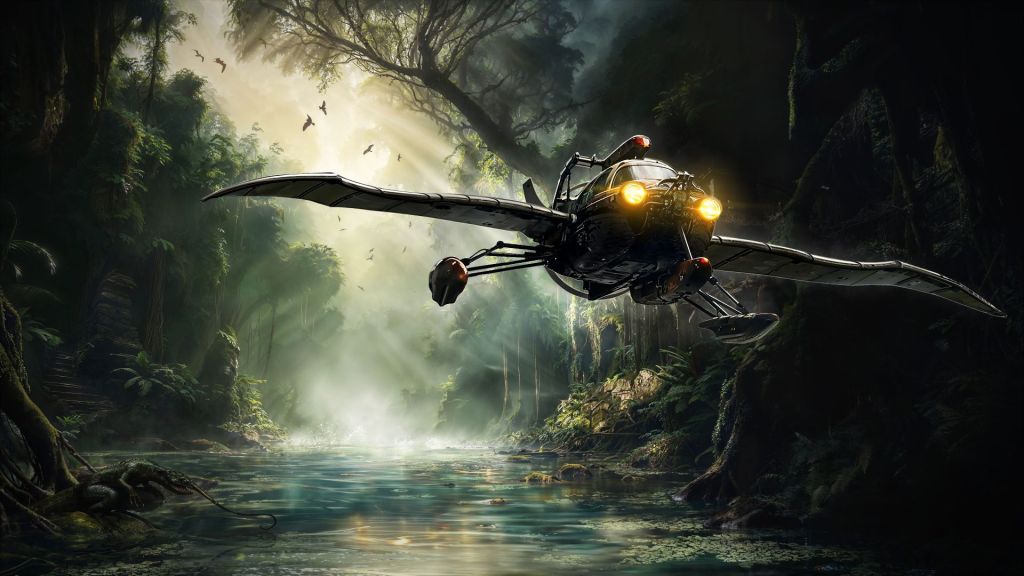
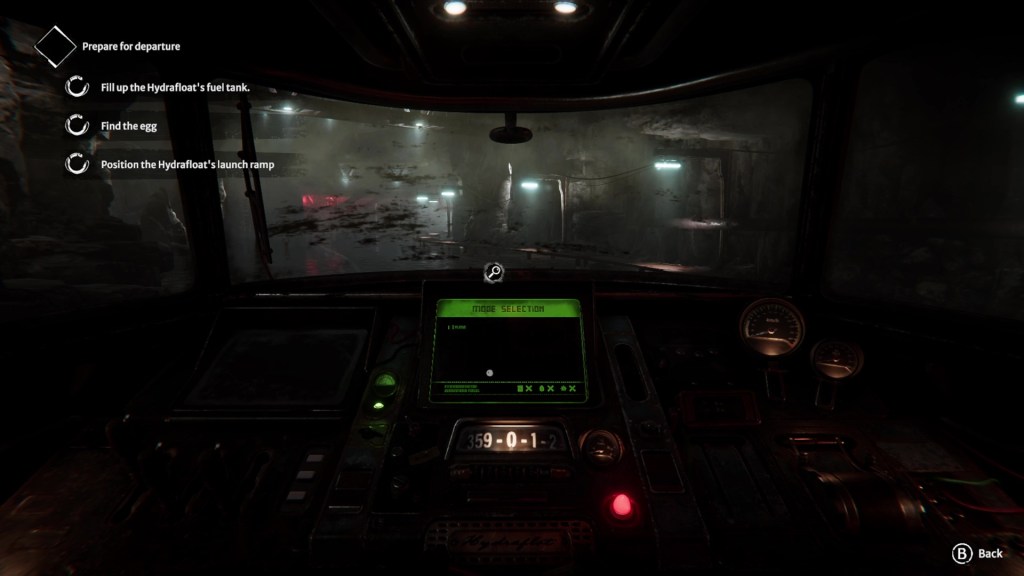
    You’re still exploring compact but detailed locations on the hunt for documents, puzzles, key items, and clues, typically to find fuel or data discs to power the incredible transforming Hydrofloat craft. Puzzles are still designed around using key items on puzzles objects or the environment, but you must often figure out the correct sequence of actions even if you have all the items on hand.

    It retains that classic and increasingly niche design, in which more involved and convoluted puzzles are your reward for making progress. No matter how dangerous or desperate the scenario may seem, Amerzone – The Explorer’s Legacy (2025) has no time-limits, and the world might as well be frozen as you plod around each area and figure out the route forward.

    For those who’ve grown up with games that hold your hand to the point of feeling patronising, Amerzone – The Explorer’s Legacy (2025) can feel too unguided at first, dropping you into dense environments with no HUD or quest log in the corner. Some purists might argue that was integral to immersing yourself in the game world, but the remake expands the journal feature considerably. It offers an improved interface for collected items and notes; you can fast-travel between significant locations once you’ve found a map of the area; and you can enable several player assists.

    By default, the journal tracks core tasks and highlights secondary stories if you’ve found any associated documents or environmental clues, but you can also enable hotspot highlights at the press of a button and a tiered hint system.

    All of which make it much easier to maintain pacing and ensure you reach the end of Amerzone – The Explorer’s Legacy (2025) without hitting roadblocks; essential in an age of diminished attention spans, especially for a niche genre, with dated gameplay that only holds up when paired with a strong narrative hook.

    You need to be invested in the fate of the young reporter, looking to make a name for themselves by undoing the shameful legacy of the dying explorer Valembois. You need to be curious about the fate of his former companions and the dark history of the now isolationist Amerzone nation. You need to understand the reporter’s drive to push ever further upriver, consequences be damned, to see if Valembois’ descriptions of bizarre creatures and ecosystems are accurate or deserving of the ridicule that drove him into seclusion.

    The updated journal in the remake improves the storytelling while also allowing the game to dig deeper into themes of traditional societies living in harmony with nature, the impact of colonialism on native cultures, and the rise of post-colonial autocracies with leaders that twist foreign governance concepts to their own needs. Having a transparent list of notes and chapter locations assigned to each side story could be a double-edge sword for completionists that won’t move on before they’ve found everything, but your reward for finding them all is a short summary of events from the protagonist, befitting their profession. It’s a smart way to literally gather the player’s thoughts and deliver exposition before they set off to the next act.

    The best thing I can say about Amerzone – The Explorer’s Legacy (2025) is that I never expected to enjoy it so much. It’s longer and more complex than the original, but it’s still a brisk experience by modern standards and doesn’t ask more of you than it gives back.

    It provided plenty of exciting spectacle but moved at my own pace, making for a pleasant change from the high-stress, action-oriented titles that make up the bulk of my gaming diet. The gameplay is classic and inherently dated – even with a few updated mechanics and assists – but the audiovisual overhaul makes it feel like a grand adventure the original creators could only dream of. It’s a niche genre now, but for fans, this is about as good as it gets if you’re looking for a remake that respects the original but expands and enhances every aspect of it.

    Pros:

    • An updated, expanded, and lavish overhaul of a lesser-known classic
    • Slick animations and interactions make for a more cinematic adventure
    • An improved journal, more exposition, and frequent narration enhance the storytelling
    • Optional player assists to prevent puzzle roadblocks from killing narrative pacing

    Cons:

    • The updated mechanics and assists won’t change your mind if you’re not a fan of the genre
    • Some noticeable framerate drops when using the performance mode on consoles

    Score: 9/10

    Amerzone – The Explorer’s Legacy (2025) was reviewed on Xbox Series X using a code provided to gameblur by the publisher. It is also available on PC and PS5.

  • Retrospective: Syberia (2002)

    Retrospective: Syberia (2002)

    As a point-and-click adventure originally released on PC in 2002, it’s easy to criticise elements of Syberia’s gameplay, but replaying it for the third time on the Nintendo Switch – the best console port by far – I’m still impressed by its relatable protagonist, timeless artistic vision, and serenely melancholic atmosphere.

    Kate goes adrift

    Syberia wastes no time setting the scene and offering a tantalising glimpse of what awaits Kate Walker, a young and idealistic lawyer from New York, sent to the moribund town of Valadilene in the French Alps to conclude the sale of an ageing automaton factory.

    She arrives just in time to witness the funeral precession for the late factory owner, Anna Voralberg, who revealed the existence of a living heir in her final correspondence. Given the importance of the deal, Kate is left with little choice but to track down Anna’s brother Hans – initially thought to have died decades before – and discover more about his troubled family and the legacy he left behind while traversing Eurasia with an automaton engineer named Oscar and a fantastical wind-up train of his design.

    Despite her obvious commitment to the task, it’s clear from the outset that Kate isn’t comfortable in a rigid corporate environment. She marvels at the weird, wonderful, and sometimes terrifying things she encounters on her journey, but takes them all in her stride. She respects locals with quirky customs and is compassionate when helping others, but she also has a strong set of morals and won’t hesitate to call out scheming or dishonest behaviour – even if she’s willing to bend the rules a few times to progress.

    In contrast, the people she left behind in New York are mostly brash, self-interested, morally flexible, and possess limited imagination. Her boss has no interest in her situation beyond her ability to seal the deal; her fiancé Dan seems unable to differentiate between their romantic and business dynamic, treating her more as an accessory to his ambitions; her mother frequently talks over her and uses guilt as leverage; while her friend Olivia seems has little passion for their profession beyond the lifestyle it allows.

    Kate frequently receives calls from them or calls them for assistance during her adventure, and they serve as useful foils that highlight Kate’s character development. Their lives are so ordinary they can barely comprehend what she’s describing and experiencing, while their desperate attempts to discourage Kate and bring her back home to re-establish the status quo border on self-destructive.

    As a result, simply watching Kate discover who she really is – or maybe rediscover herself – is even more satisfying than the overarching narrative and circumventing the many roadblocks along the way.

    Artistic vision > technical prowess

    Of course, a great protagonist and interesting premise still need a good setting, and Benoît Sokal’s creative vision ensures Syberia is one of the few games with legitimately timeless aesthetics.

    Kate’s world is similar but not exactly our own, though it’s not hard to immerse yourself in it with many modern and historical parallels. There are European towns still dealing with the devastation of the Second World War on industry and families, while Russia – possibly still a Union of some sort – is full of ageing industrial and military complexes abandoned after a Cold War era.

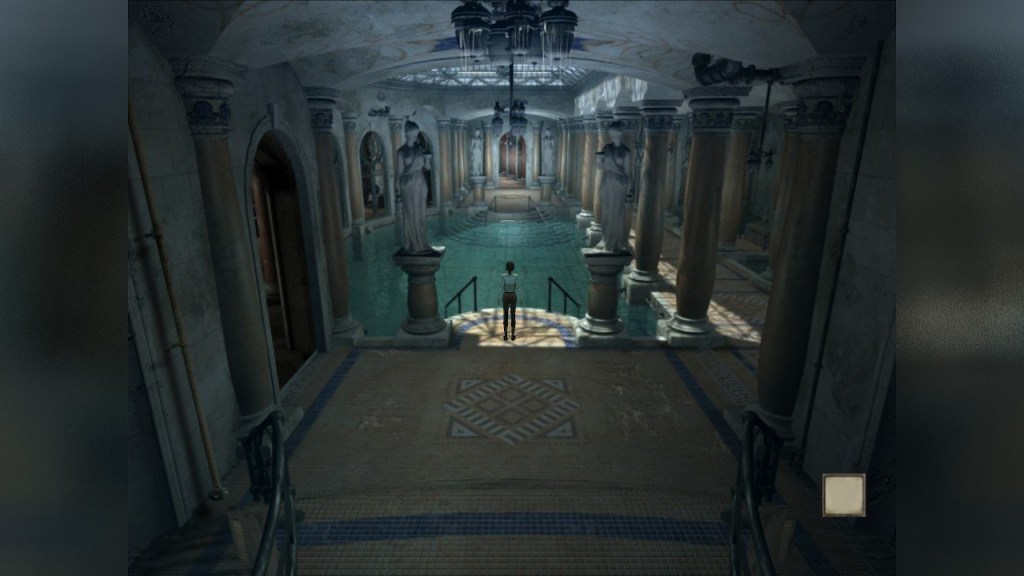
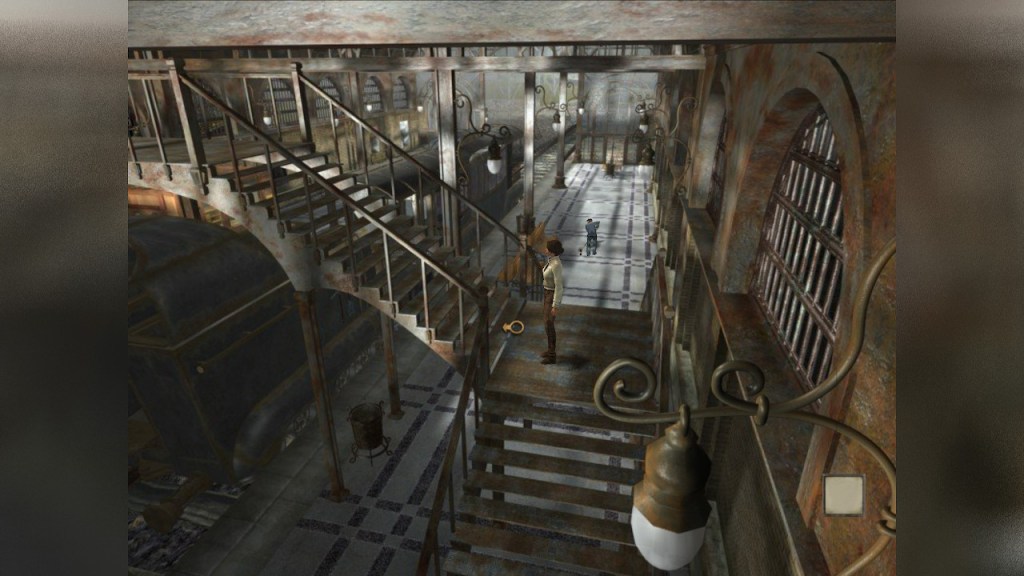
    Valadilene sports cobbled streets, art-deco houses, and an intricate automaton factory, but only a handful of people with nowhere else to go remain. The Barrockstadt University, with its massive mammoth exhibits and tropical aviary, is fading into obscurity, with a few lingering staff and fewer students, all surrounded by decade-old military fortifications and damaged houses that were never restored. The decrepit Komkolzgrad industrial complex and cosmodrome are inhabited by two solitary caretakers with unfulfilled dreams. The Aralbad resort is a refuge for faded stars, situated on the edge of a corrosive salt lake, full of rusted shipwrecks that hint at a more prosperous past.

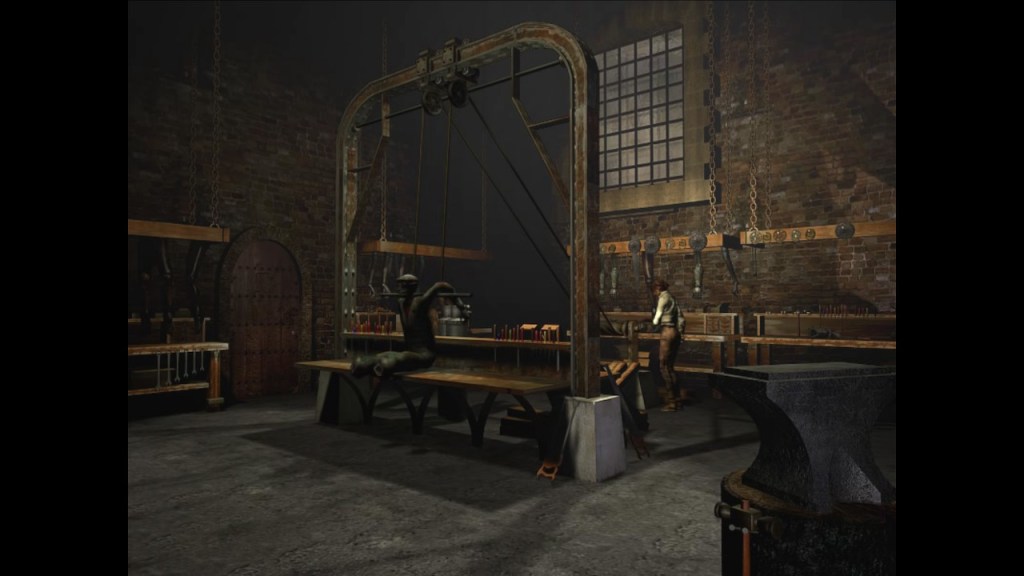
    Although most backdrops are beautiful and smartly framed static images, there are a handful of video-loop backdrops for more intricate structures, simple water shaders, and 3D character models that add life to many scenes. As a reward for solving more complex puzzles, there are several cutscenes that demonstrate Sokal’s intricate automaton designs in action or handle a few action-centric moments.

    The visuals are complemented by an immersive ambient audio mix and a limited but evocative soundtrack themed around each location – but only sometimes. Syberia has moments of near silence, and I was never sure if it was by design or just audio bugs that have plagued prior releases to varying degrees.

    So Syberia is not exactly subtle about using art and music to express its themes, but this does ensure Kate’s journey through forgotten places filled with forgotten people provides a strangely compelling combination of intricate beauty and haunting solitude.

    Streamlined adventuring but dated designs still frustrate

    When it comes to actually playing Syberia, well, it’s a traditional point-and-click experience that can feel anachronistic by modern standards – even if it’s more streamlined than many of its contemporaries.

    To solve an assortment of contrived and often absurd puzzles, you’ll be conversing with the small secondary cast, making the odd phone call, collecting notes for clues, collecting key items to use on the appropriate object, and flicking switches and levers on intricate contraptions or control panels.

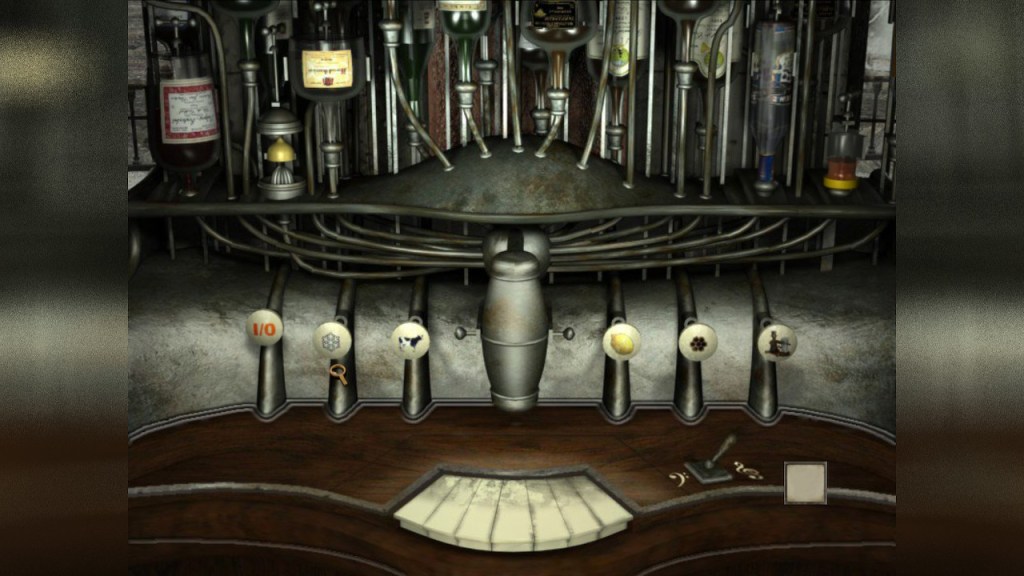
    To Syberia’s credit, there are only a handful of puzzles per location, and they all feel reasonably logical given the setting – aside from a late-game cocktail mixing contraption. They never require too many steps or items to solve; there are no red herrings; and there are only 2-4 significant NPCs in any location you need to interact with.

    Furthermore, the puzzles and dialogue sequences are usually sequential and scripted, so you’ll never be overwhelmed trying to juggle multiple puzzles and inventory items. Unfortunately, that doesn’t mean Syberia is devoid of classic point-and-click bullshit.

    The first issue, spotting key items within detailed backdrops, can be resolved by enabling icon highlights in the assists menu, but the second issue is inherent to the design of the game – the size of each location and the impact that has on puzzles that force you to backtrack. Unlike many modern point-and-click adventures that feature fewer but denser locations, Syberia aims for an impressive sense of scale, with many of its beautiful backdrops serving as nothing but set-dressing you need to traverse repeatedly.

    In Valadilene, your departure is interrupted when you have to trudge across town to forge a clearance certificate; in Barrockstadt, discovering the location of a rare plant species requires talking to several NPCs scattered across the university grounds repeatedly; in Aralbad, you’ll run up and down an unnecessarily long pier. These moments are compounded by Kate’s sedate pace, inconsistent screen transition triggers, and fixed camera angles that make it easy to mix up your inputs.

    It’s not as bad as it sounds if you know where you’re going, but should you ever get confused, it makes aimless wondering a pain in the arse.

    Going off the rails, on the rails

    So Syberia is not without flaws inherent in the genre but, on balance, I’d still recommend picking it up if you’ve got any interest in the history of point-and-click games; or if you’re willing to forgive a few anachronistic elements for an uplifting narrative that sees Kate grow as a person while journeying through a weird, melancholic, but wondrous world.

    As for which versions to play – PC players who want a classic mouse-driven experience should stick to the GOG or Steam releases, both of which have been updated a few times for modern systems. It’s a tougher choice for console players as I’d only recommend the Nintendo Switch version that sports functional shaders, the ability to switch to the original 4:3 ratio, and even touch-screen play. At a push, the backwards-compatible Xbox 360 version – or PlayStation3 version if you’ve still got it plugged in – are fine but the backdrops and character models are stretched to fit that widescreen aspect ratio, the audio is even more buggy, and many backdrops feel completely static.

    Syberia was played on the Nintendo Switch 1. It is also available on PC, Nintendo Switch 2, Xbox One/Series S/X (back compat), and PS3.