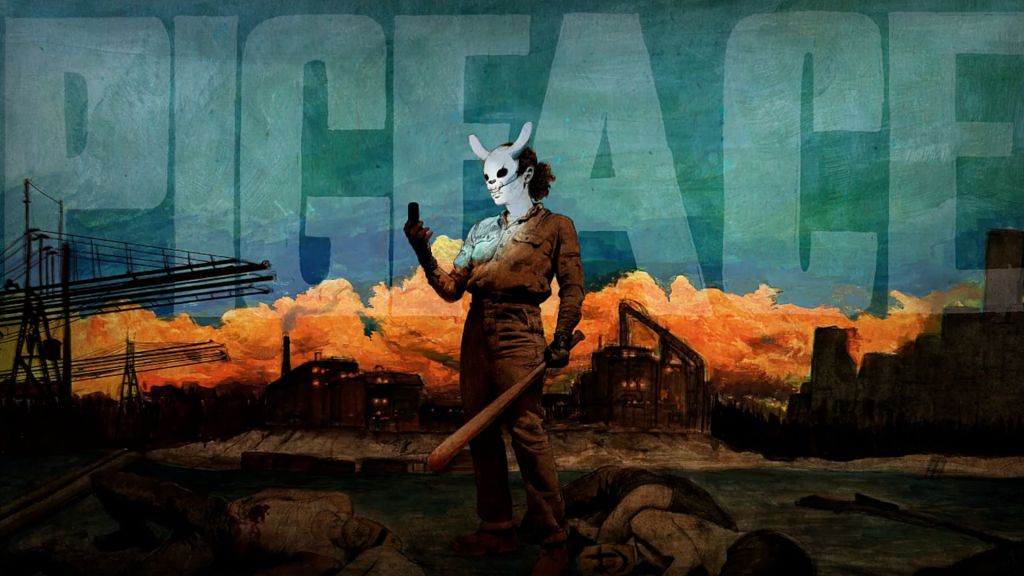
Tag: Early Access

  • Impressions: PIGFACE Early Access (PC)

    Impressions: PIGFACE Early Access (PC)

    It took three of PIGFACE’s brisk missions before I finally realised what connection I was trying to dredge from my cluttered memory. PIGFACE may have the appearance of a retro-inspired FPS in the trailers, but it often felt like a slick first-person mod for the earliest Hitman games – think Hitman: Codename 47 (2000) or the sequel, Hitman 2: Silent Assassin (2002). It’s a compelling mix of exploring a sandbox-like maps for quest objectives and entertaining yourself by exploiting AI that are deadly at close-range but incredibly stupid overall.

    PIGFACE functions as a first-person shooter – with gloriously retro aesthetics, chunky gore, and thumping combat music – but running-and-gunning only feels viable when replaying missions with new upgrades. Once you’ve bought body armour; weapon attachments; and amassed equippable masks hidden in each level, it’s easier to tear through levels sowing confusion and popping heads. On your first run, however, you’ll want to take it slow and steady to avoid quick deaths and mission restarts.
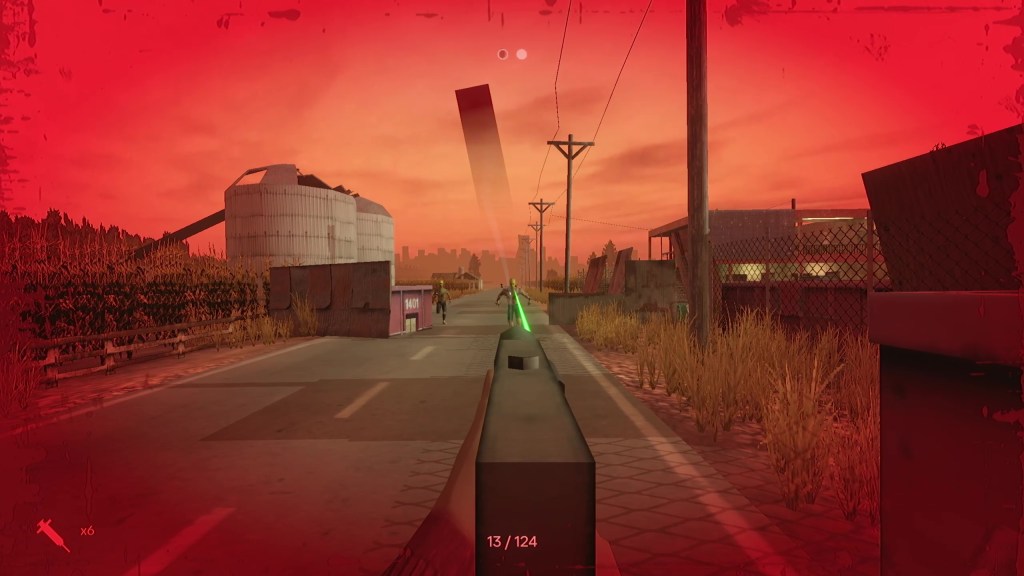
    In this early access build, a brief introduction and tutorial introduce the player to “Exit” – a hit-woman who runs afoul of a vigilante group known as “The Cleaners”. With a bomb embedded in her skull to ensure compliance, she’s sent after several gangs to dismantle illegal drug and weapons trades. It’s a classic setup but also one with a surprising amount of narrative in the form between-mission cutscenes or calls from her handler; a handler that sounds increasingly stressed and unhinged when caught between a merciless killer and his equally intimidating boss.

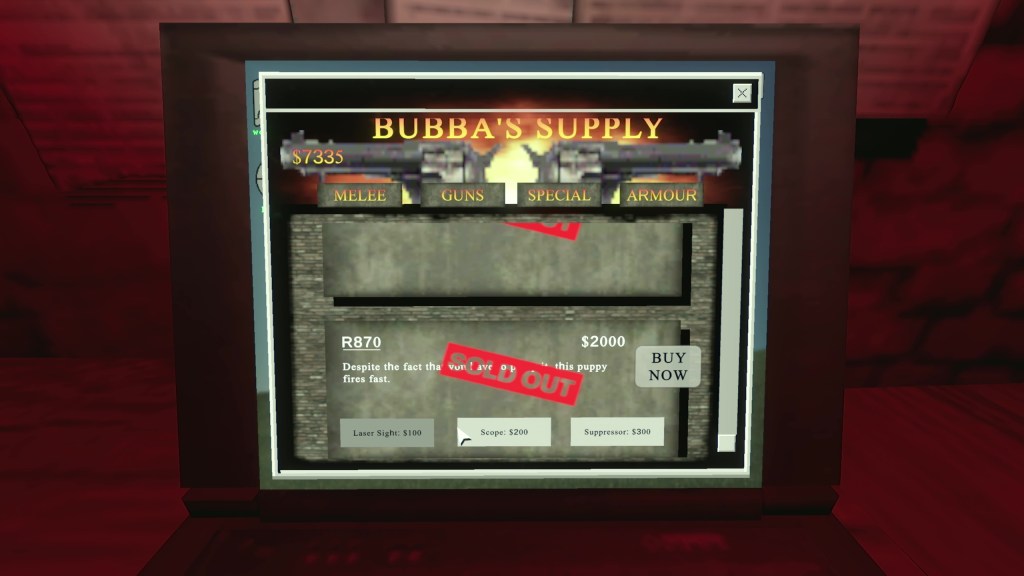
    It remains to be seen how important that overarching narrative becomes, but it provides light context for a gameplay loop that shifts between Exit’s safehouse where you can buy and upgrade gear, and missions in locations scattered across a map of the local area – think rundown farms, motels, and train stations. From a distinctly ‘90s-era online storefront, the money you earn from completing missions and gathering scrap can be spent on buying new weapons, attachments, consumables, and armour – expanding your options when selecting a loadout in the van you take to each mission.
    Armour and morphine shots help you survive more hits; optional masks – which offer a trade-off between perks and flaws – can synergise with your playstyle; but the most important attributes are weapon damage and their noise level. With no crosshair outside of scope and laser pointer attachments, running firefights that draw hordes of goons towards you are unwise. Instead, methodically clearing locations by sneaking in close and swiftly dispatching small groups is optimal. Gunfire may draw everyone in an area, but it still feels satisfyingly “gamey” with an unrealistically short range.

    Once you unlock silencers for every weapon (even if it makes little sense), you can start messing around with the AI in some fun but often immersion-breaking ways. You can snipe at distinct enemies to send them panicking and firing back at you – but their allies will often stand around and do nothing if you’re out of their noise detection range. You can storm a motel floor with a silenced shotgun, blast everyone in sight, only to slip back outside to prey on unaware patrols. Enemies can still kill you quickly if you find yourself surrounded, but once you build up a decent arsenal and accessories, your recklessness is more likely to get you killed than the enemy AI.
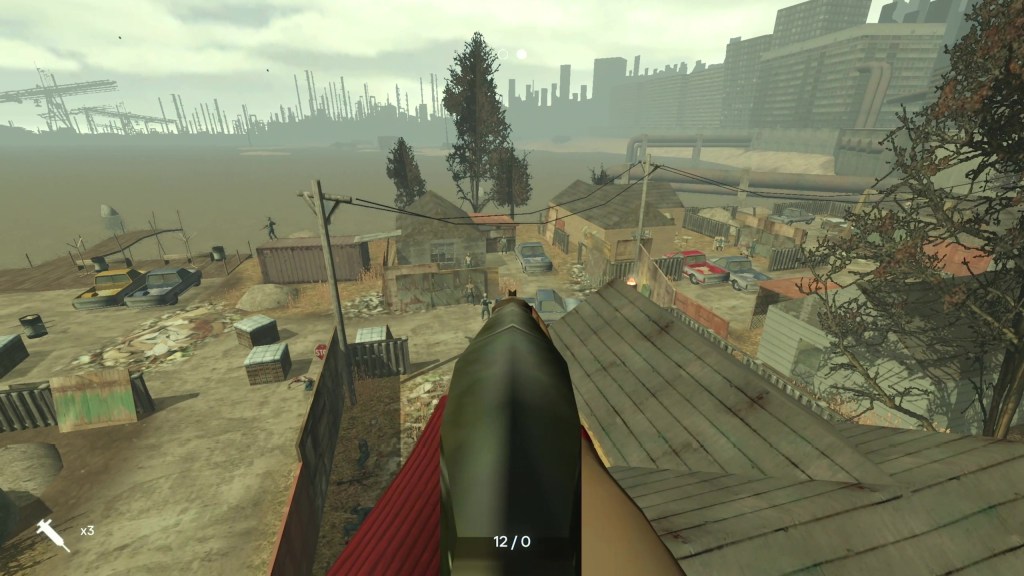
    As of this early access build (v0.24), it’s worth reiterating that PIGFACE is no boomer shooter with a focus on hand-crafted levels and enemy placement; it’s all about finding your own fun in janky sandbox environments reminiscent of the early Hitman games. If you enjoy the idea of brisk sandbox missions, replaying them with new gear or different approach, and just messing around with the AI for fun, PIGFACE is one to keep on your radar or in your wishlist.

    PIGFACE was previewed on PC using a code provided to gameblur by the publisher.
  • Impressions: GRAVELORD (PC) Early Access

    Impressions: GRAVELORD (PC) Early Access

    GRAVELORD was not the trajectory I expected Fatbot Games to take, having discovered their Vaporum games after playing through Almost Human’s Legend of Grimrock 1 and 2 – all of them grid-based, first-person, real-time, dungeon-crawlers. Vaporum offered a more streamlined and polished take on the now niche genre – replacing multiple party members with an expanded gear and ability system – but they stuck to the creatively blocky world design, abundant puzzles, hundreds of secrets, and real-time combat that I’d best describe as a deadly grid-dance. In contrast, GRAVELORD is a retro-inspired first-person shooter competing in a saturated market – but between their knack for level design and the unexpectedly great shooting, it might have a chance of standing out.

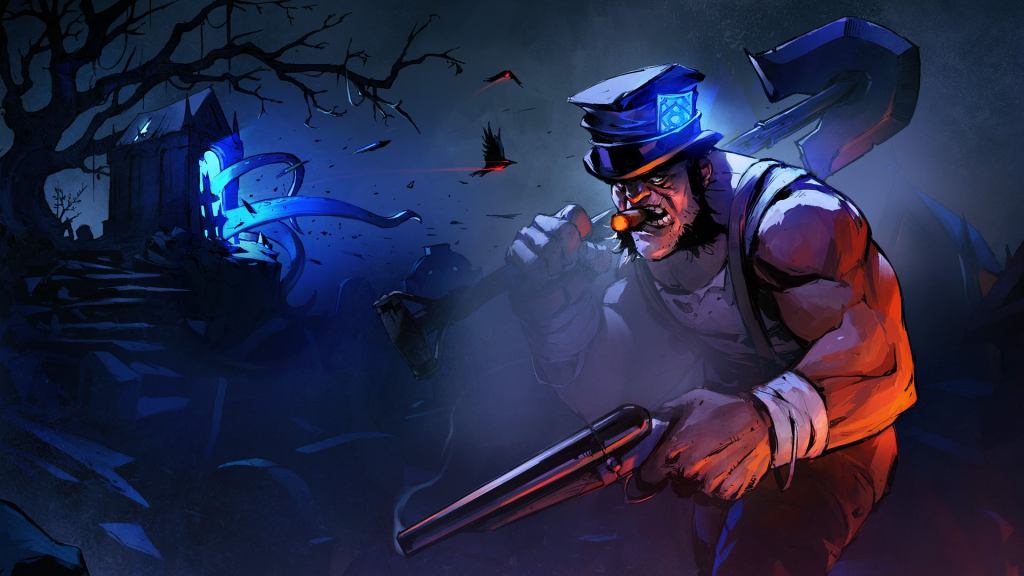
    Befitting the genre, GRAVELORD is light on story elements. The intro reveals the hulking, square-jawed, top hat-wearing gravedigger Queedo, who works in the employ of Death as his ancestors always have. The problem that you’re running and gunning towards is an alchemist by the name of Keron Husk – murderer of Queedo’s father and manufacturer of supposedly life-extending potions that have instead created an undead scourge. Unless you read through the short comic-style collectibles found in each map, that’s all the context you’ll get. Queedo’s personality boils down to barely controlled rage and a string of bad jokes in a Cockney accent that grew tiring by the end of the first map, so it’s probably for the best that narrative elements don’t interrupt the flow of gameplay too often.

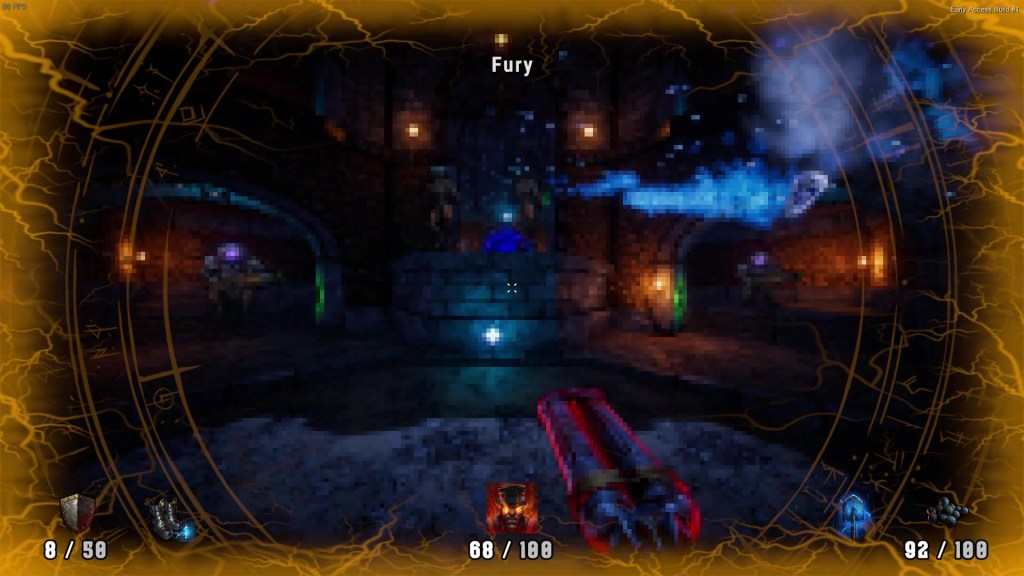
    Based on this first episode – with 8 maps and a boss at the end – GRAVELORD is remarkably traditional in structure and, to its benefit, distinctly Quake-like when it comes to movement, gunplay, and the visual design language. You traverse Gothic-themed maps on the hunt for coloured keys or switches, following visual cues like coloured lighting; you acquire traversal-based abilities like a spectral grapple and double-jump to reach new areas and secrets; every time you collect said key item, you can expect monster spawns; and most maps culminate in a chaotic charge to the exit or a boss fight, typically under the influence of “rage” runes that briefly buff resilience and weapon fire rate.

    Despite footsteps that suggest he weighs half a ton, Queedo hurtles around the map like he’s sprinting on an ice-rink. The movement mechanics are perfect for surviving firefights in a game with no hit-scan enemies and a high default difficulty (I spent a lot of time on low health and save-scumming) but it does force you to slow down when tackling platforming sections or avoiding environmental hazards that litter many arenas.

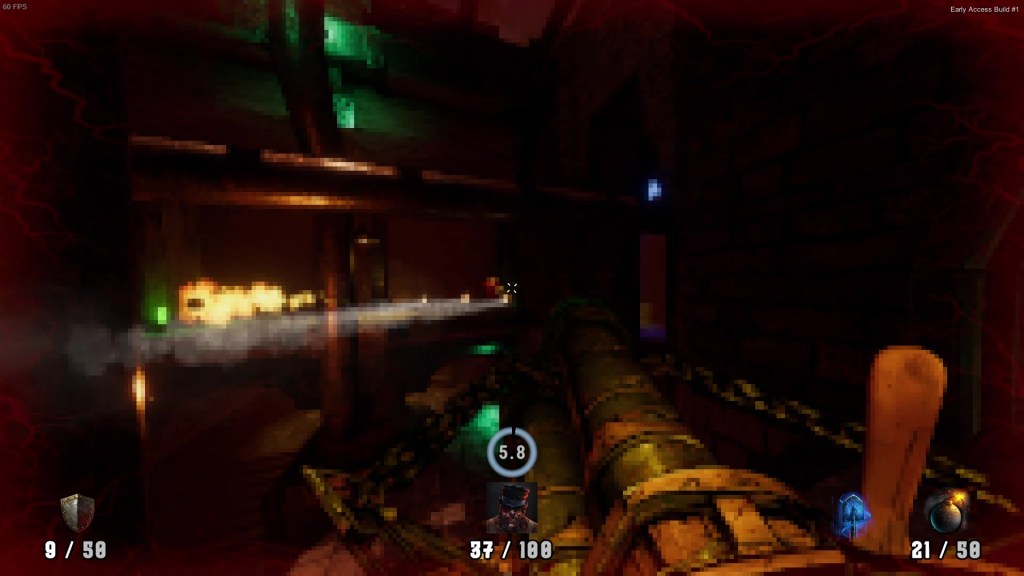
    Given their prior games, the shooting was an unexpected highlight, with a familiar but powerful arsenal ranging from a shovel to a pistol, double-barrelled shotgun, chain-gun, grenade-launcher, and, in a nod to their prior games, an arcing Fumium rifle as the special. Every weapon remained useful throughout for specific enemy types – think melee rushers, nimble flying spitters, tanky explosive users, and magic wielding sorcerers – and they both sound and feel powerful in use. Enemies react to hits with staggering animations, blood splatter, or a gory demise, and when you throw in a dynamic soundtrack that shifts between creepy ambience and thumping combat loops, GRAVELORD ensures simply shooting at something feels good, no matter what you have in hand – a feat that shouldn’t be taken for granted despite the genre.

    The other highlight was Fatbot Games’ dense, intricate, and secret-packed level design. The maps can feel sprawling and maze-like, yet they’re incredibly compact and often loop back past, over, or under themselves. In addition to typical key hunts, there is no shortage of consumables tucked away, or secret buttons and rotating statues (with riddle-like clues) that lead to mega-health boosts, early access to powerful weapons, and a range of character and weapon upgrades.

    Regardless of whether you’re purging graveyards, riding conveyer belts through crypts, avoiding magma pools in crematoriums, swimming through sewers, or navigating a gothic town, each map feels hand-crafted with a ton of thought going into their layout and enemy composition. I’ve no doubt most maps could be blitzed through by speed-runners in a few minutes once you know what you need to do, but compulsive secret hunters could spend upwards of half an hour scouring them fully.

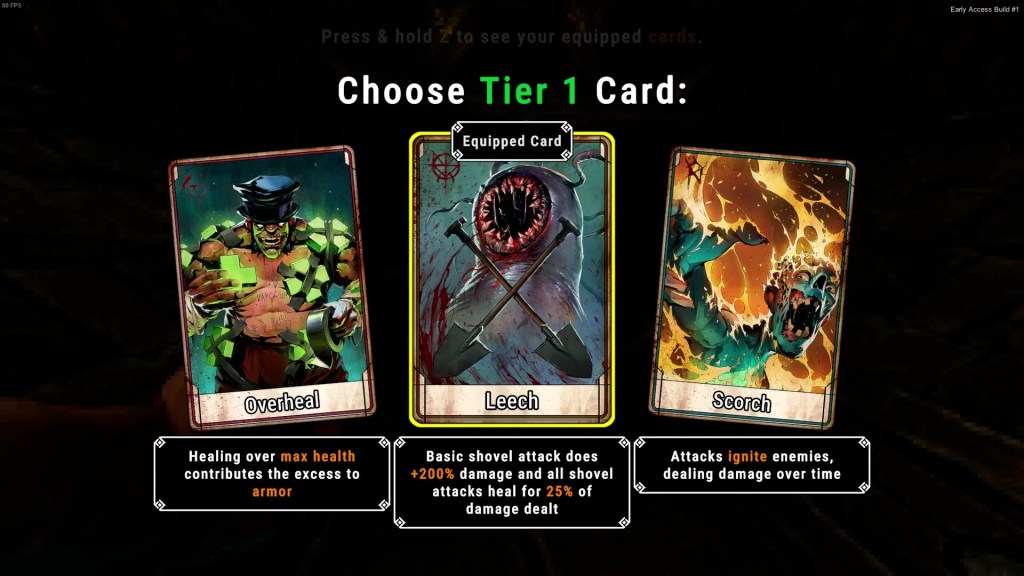
    The last mechanics to touch on feel like an attempt to include rogue-like elements in a traditional save-anywhere FPS, to varying degrees of success. Collecting weapon alt-fire modes on each map feels pointlessly irritating, though I’ll accept resetting movement abilities due to the map design and gating progression. The 3-tier card system, which allows you to pick one from a random draw, feels more thoughtful and impactful as you can choose to favour an aggressive or defensive build. As an example, I could massively boost my survivability by combining a card that regenerates 30 health points with cards that let me deal more damage and receive less damage at or below 30 health.

    As it stands, GRAVELORD might not offer much novelty, but it looks to be a solid entry into the retro-FPS market with legitimately great shooting that emulates the classics, and fantastic level design that draws on Fatbot Games’ heritage.

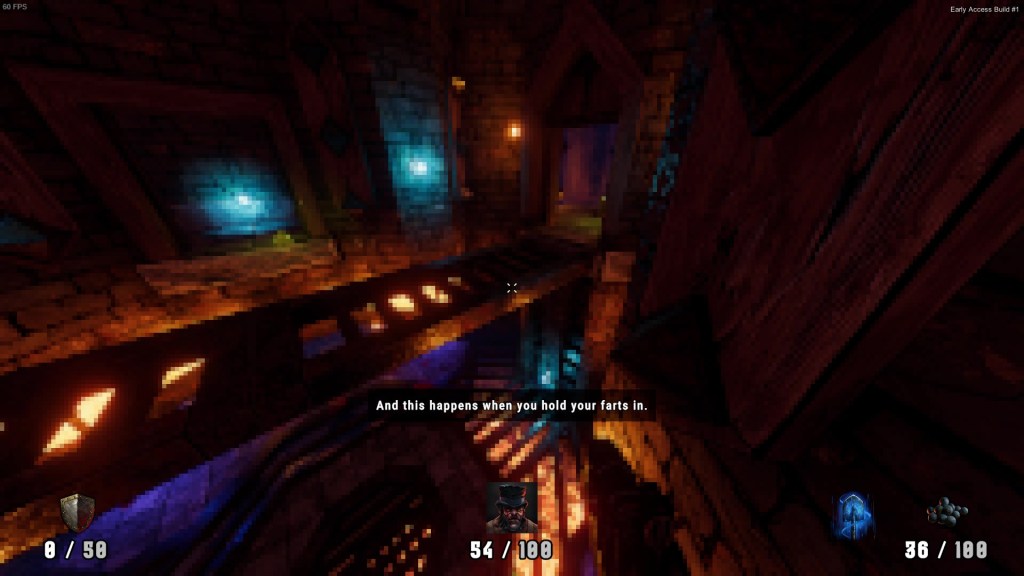
    That said, there is one element that might prove divisive. GRAVELORD currently has a strong visual filter enabled, far more aggressive than the marketing materials suggest, that ensures everything more than a meter from the player becomes heavily pixellated and increasingly indistinct at range. It feels similar in function to the filter seen in Prodeus, but it’s ramped up to 11 and I doubt it’s working as intended. It grew on me over time, but there seems to be no option to tone it down in this early access build, and I’m wondering if a degree of auto-aim might be due to the fact distant enemies are often reduced to a handful of moving pixels difficult to track against the background?

    GRAVELORD was previewed on PC using a code provided to gameblur by the publisher.