
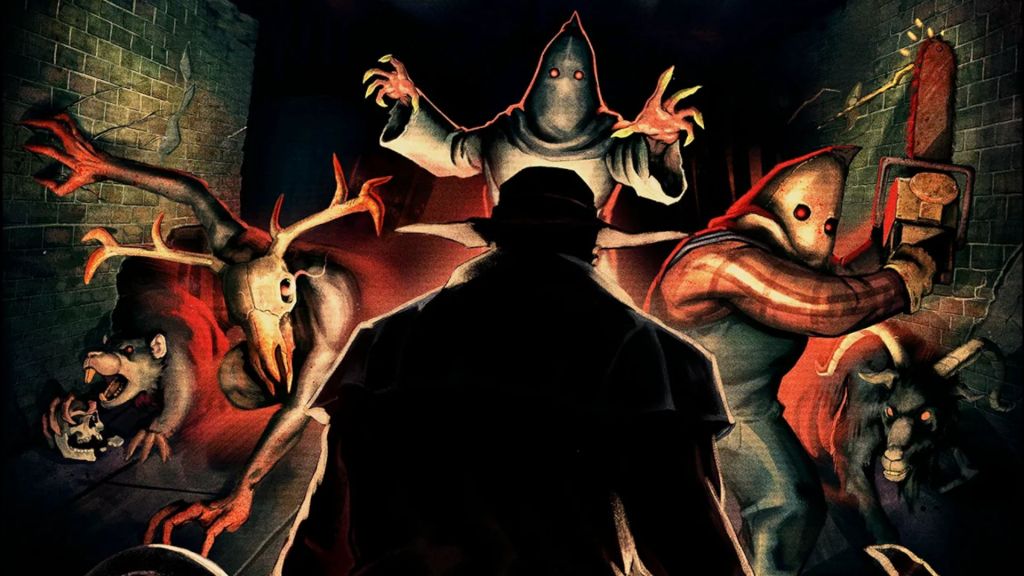
After two hours with Dungeons of Dusk, my immediate thoughts were, a) the combat loop is fantastic, and b) who shows off a new game with a sewer level? A three-part opening slog through sewers that felt like endless green-brown walls with dripping sounds and sparse ambient music. As first impressions go, I’d have picked another location or created a vertical slice of three different map themes but despite my misgivings, there is clearly potential on the gameplay front if developers 68k Studios would take some inspiration from more recent dungeon crawlers.
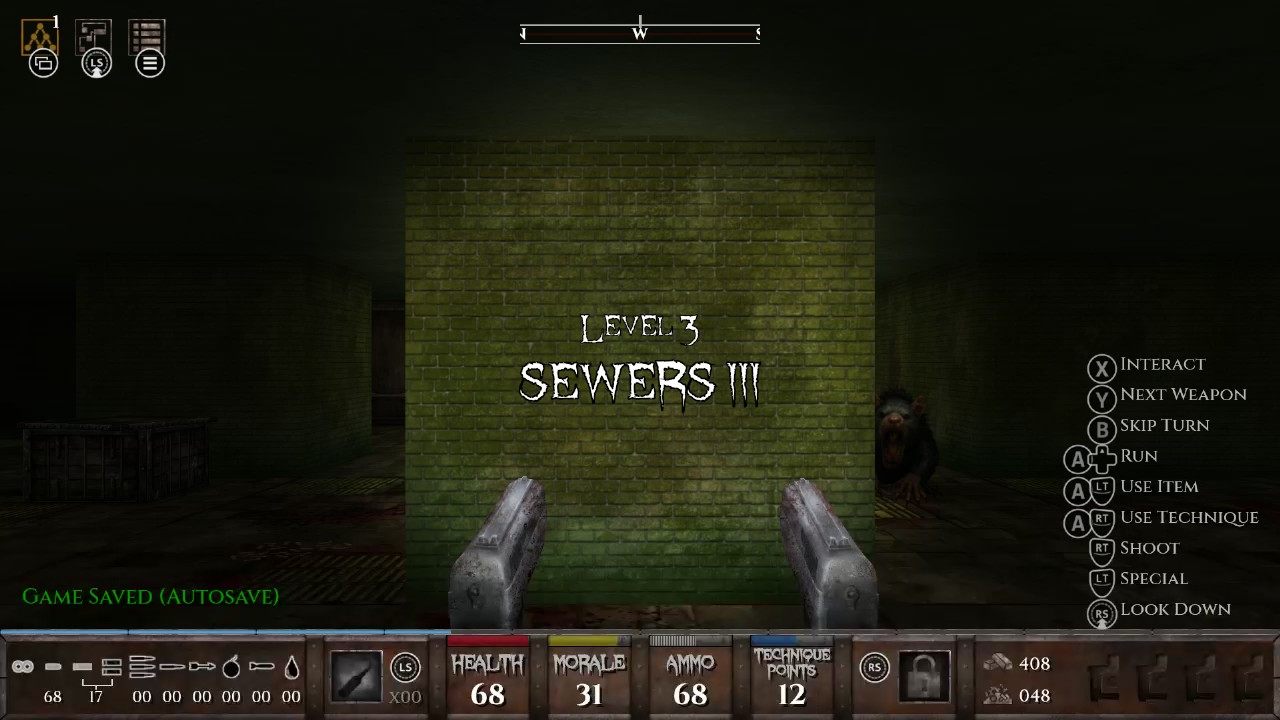
For context, I never grew up playing ‘90s first-person dungeons crawlers like Eye of the Beholder, Lands of Lore, or Stone Keep. It was only later that I encountered games inspired by them – notably the Legend of Grimrock and Vaporum games – and began working backwards through my GOG library. Dungeons of Dusk, as much as I appreciate its adherence to some classic designs, should not be afraid to modernise elements to improve gameplay variety and pacing.
Starting with the good, I enjoyed the hybrid turn-based combat. As an unashamed fan of grid-dancing combat, Dungeons of Dusks does an excellent job of turning that mechanic into a more thoughtful and deliberate experience. Your character moves exactly as you’d expect from the genre: forwards, backwards, or sidestepping, while you can swing your view around in 90° increments and look down at the floor. It is deliberately anachronistic but, like classic tank controls, I love it when a game is smartly designed around those limitations.
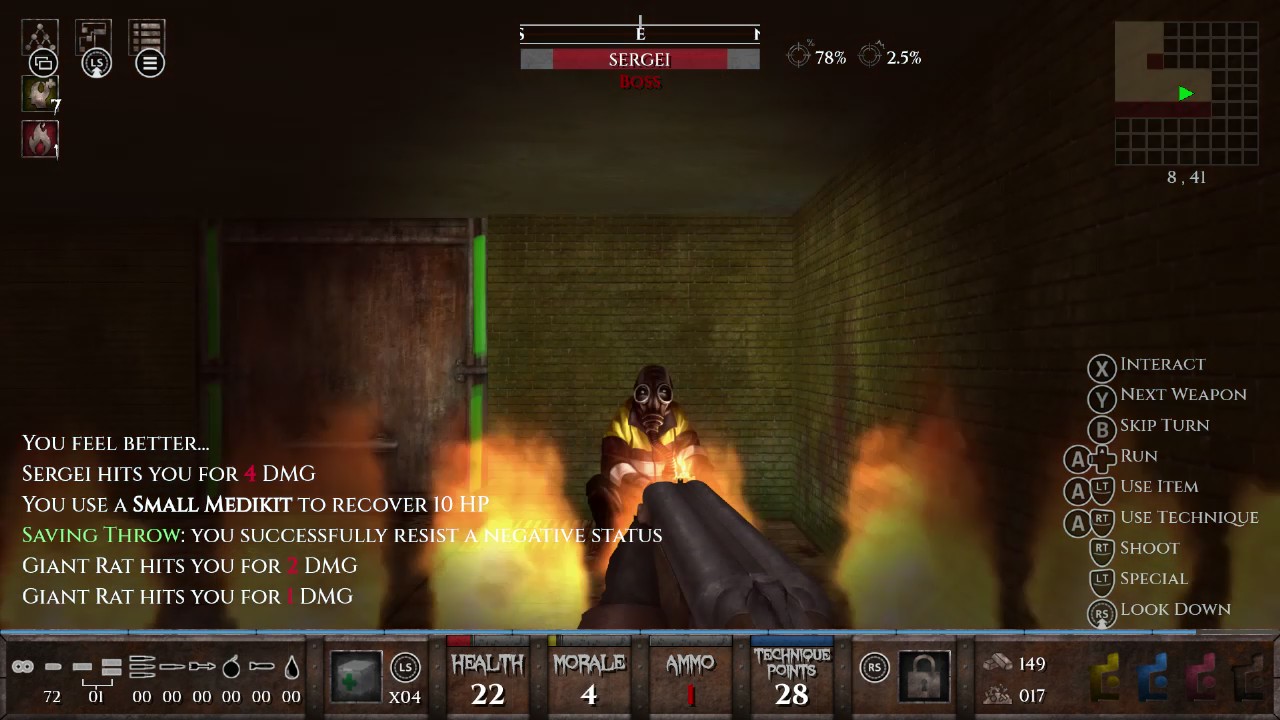
Once combat is triggered, every grid-movement or attack you make counts as a turn. Move a grid, attack, or use a consumable, and every engaged enemy will do so too. With a mix of melee and ranged weapons, melee and ranged enemy variants, and all movement or attacks restricted to the grid layout, it becomes a game of Dusk-themed chess. You’ve got to be aware of your immediate space; effective weapon and special attack ranges; status effects; consumable area-of-effect patterns; and potential hazards to avoid or exploit. No matter how visually messy combat becomes, you can always stop, swing your view around to assess the situation, and plan your next move.
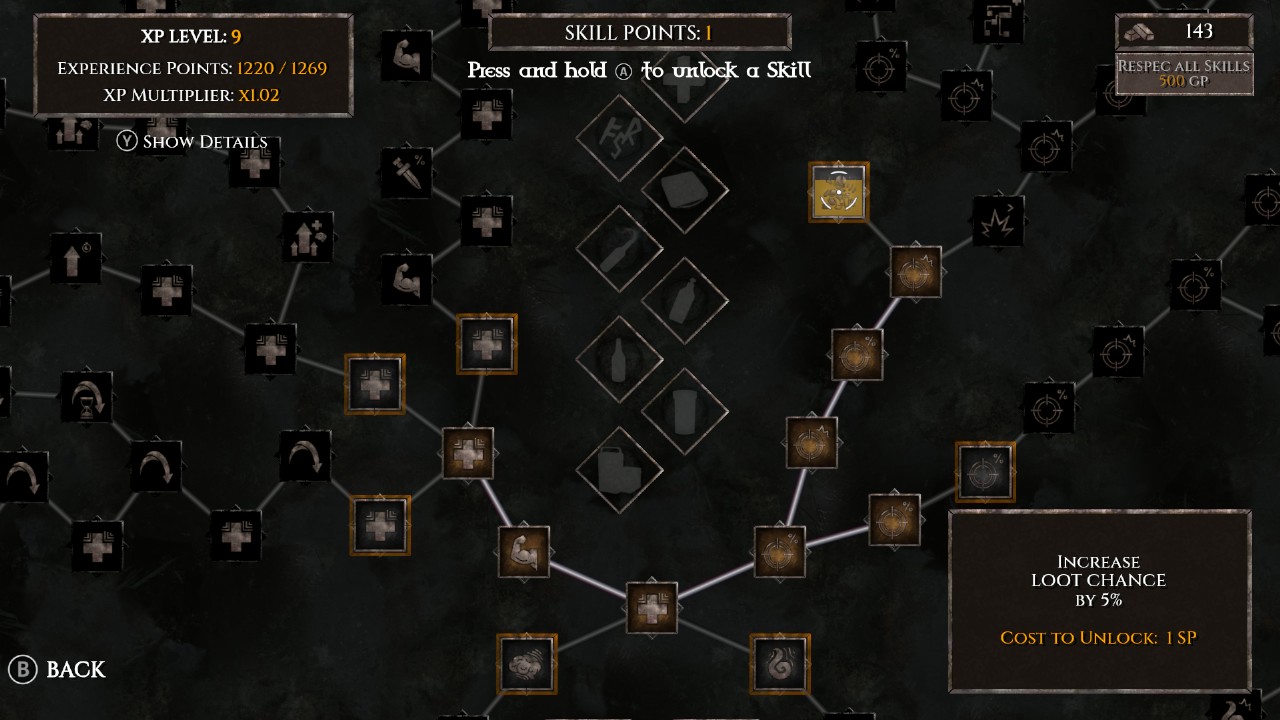
Simple but intuitive RPG-like mechanics service the combat. These include a currency for merchants, a weapon upgrade system that uses collected scrap, and a sprawling skill tree that offers incremental upgrades as you invest points after each level-up (which also incrementally boosts basic stats). Unfortunately, the rest of the experience feels comparably underdeveloped and is dragged down by a strict adherence to dated level design. Exploring every corner of a map was always a highlight in these games as you uncovered new gear and levelled the party, but it gets incredibly dull if all you have is the combat loop paired with monotonous visuals.
Dungeons of Dusk has key- and switch-hunts, and it has a handful of secret wall panels or vents, but it lacks the density of many classic games. There’s little outside of the combat to break up long slogs back and forth through samey-looking corridors – all the more noticeable once you’ve cleared out an area. Legend of Grimrock and Vaporum offer more modern examples of how you can construct levels with more interesting and interconnected layouts, and they both demonstrate how you can turn them into secret-packed, multi-part puzzles that make exploration as exciting as the combat. I’ll be keeping my eyes on Dungeons of Dusk but I’m hoping it evolves into something more than just its combat loop.
Dungeons of Dusk was played on PC (Steam Deck) using an early access demo code provided to gameblur by the publisher.
 gameblur-v2.0