
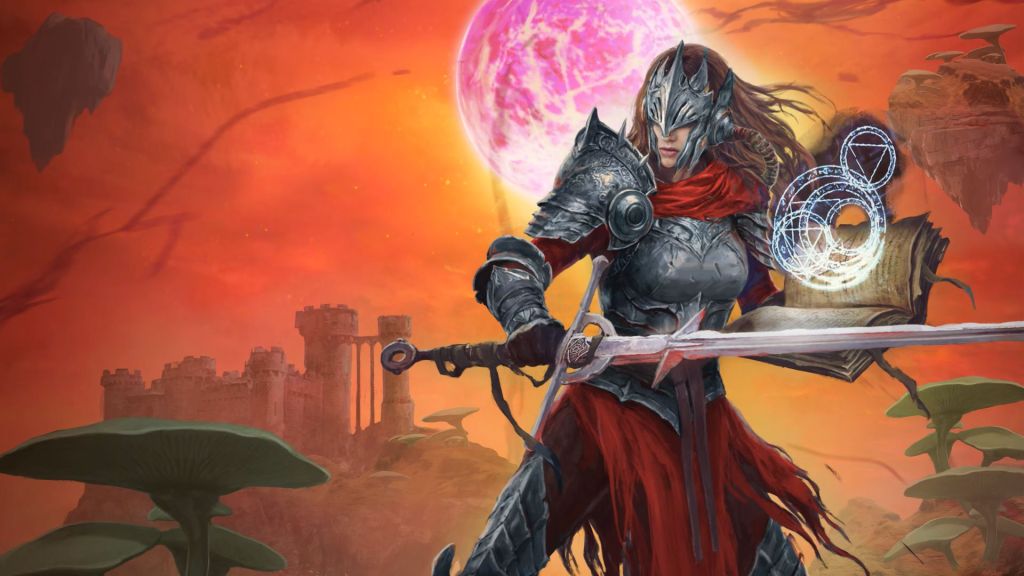
Dread Delusion is both a compact nostalgia-trip for time-constrained older gamers, and a means for younger gamers to get a taste of early, first-person, fully-3D RPGs like The Elder Scrolls III: Morrowind.
Despite its obvious retro inspirations, it’s smartly designed and “fun enough” by modern standards but what is does best is evoke classic vibes and encourage exploration. Like Morrowind, Dread Delusion’s best attribute is not the gameplay but the distinctly otherworldly setting, the intriguing lore, and the striking aesthetics. It has a unique atmosphere that elevates the experience, even if the storytelling is simple and the gameplay loop straddles the line between charmingly dated and perfunctory.
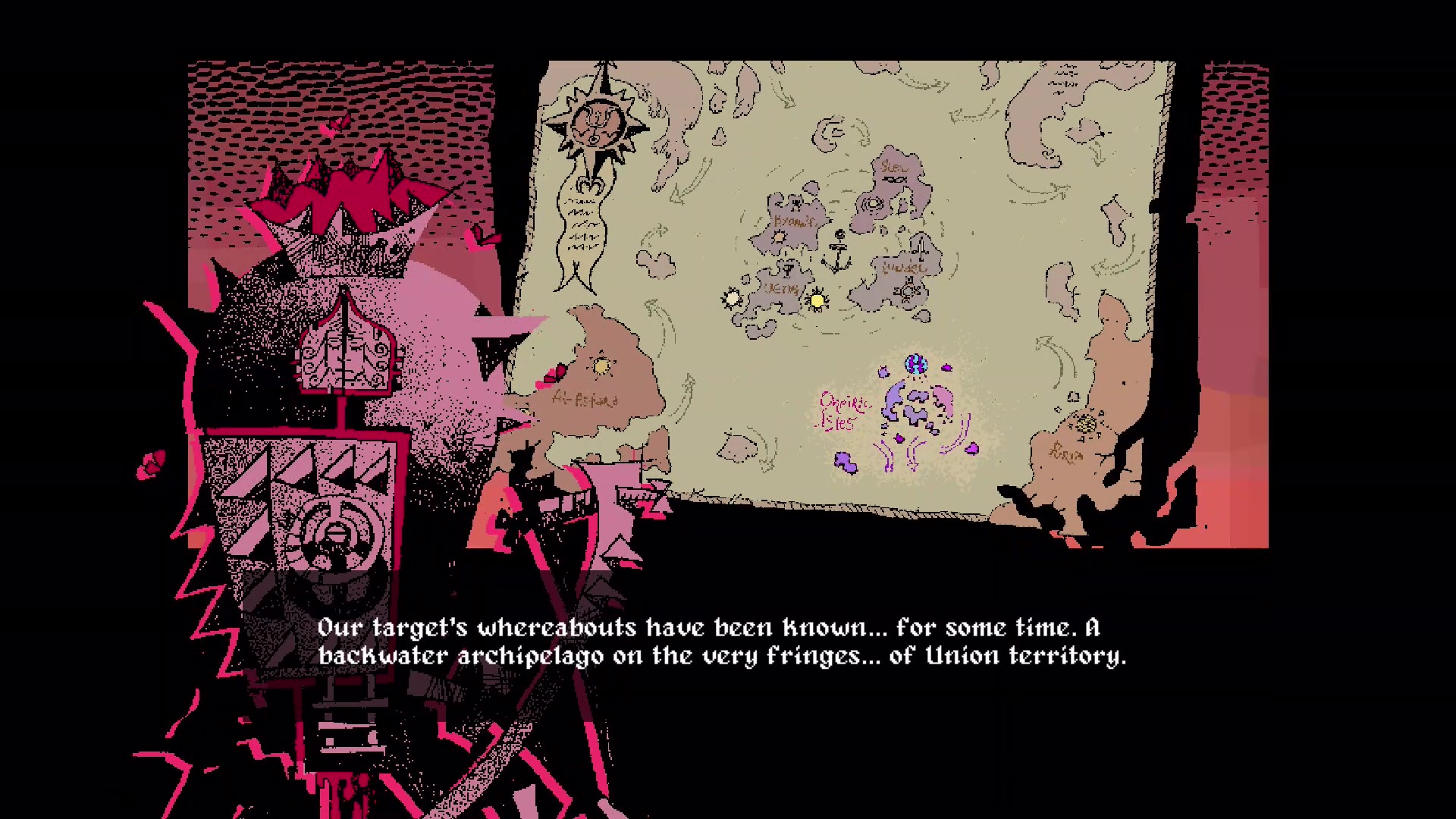
Not high praise for those who exclusively play “AAA” games and value cinematic storytelling or ultra-polished gameplay, but Dread Delusion knows what it wants to be and does so with confidence. It has a compact structure, varied but streamlined mechanics, and frugal dialogue trees that ensure it avoids making the mistake so many modern games do – wasting the player’s time and dragging out the experience to the point even the best qualities are rendered repetitive and tiresome.
Dread Delusion doesn’t offer huge depth in the moment-to-moment gameplay, so you only spend only a minute customising your prisoner-protagonist before being introduced to the primary quest by way of an Inquisitor agent, trapped within an iron maiden-style cage, bleeding between raspy breaths. You’re then tossed out onto the floating Oneiric Isles to begin your adventure with minimal fanfare. It feels brisk, a little messy, but the opening sequence is devoid of exposition dumps or the overlong cutscenes so common these days I’ve had to change my TVs power-saving settings.
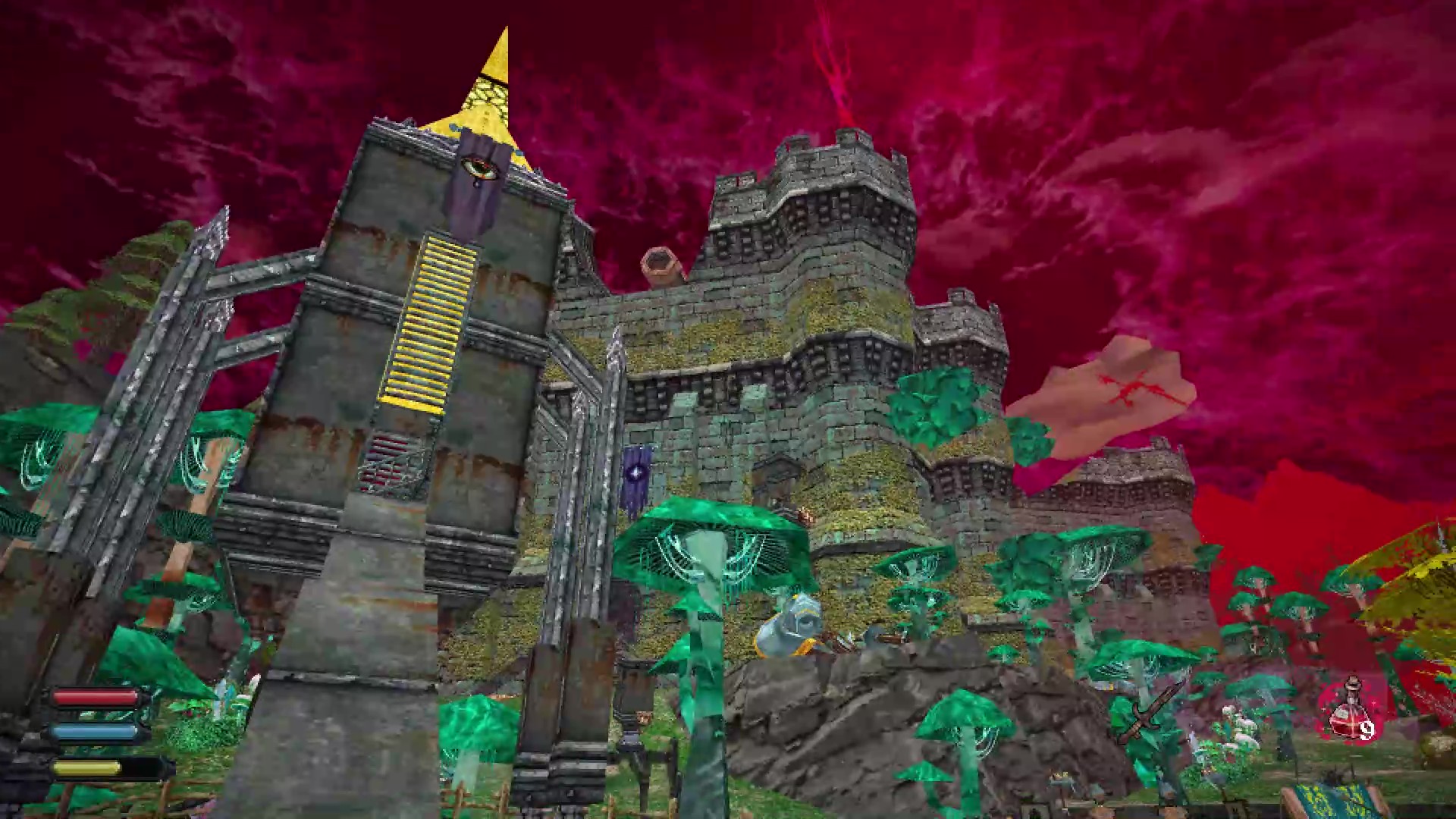
A massive fort looms above of you. Inquisition machines clank and groan around you. Jagged islands of rock, strung together by precarious bridges, float above a ruined and charred planet below. Tree-sized mushrooms and bizarre fungal shrubs – typically in shades of vibrant green, blue, and pink – stand in stark contrast against the reddish-purple sky with its pulsing “neuron star” connected to others by glowing threads of energy. The excellent music kicks in and it all felt incredibly weird and wondrous in a way I’ve not experienced in a big budget sci-fi or fantasy games for ages.
When you factor in the lack screen-filling tutorials and condescending secondary character to sprout advice, the opening sequence also places the onus firmly on the player to push forward, explore, and experiment if they want to know more.
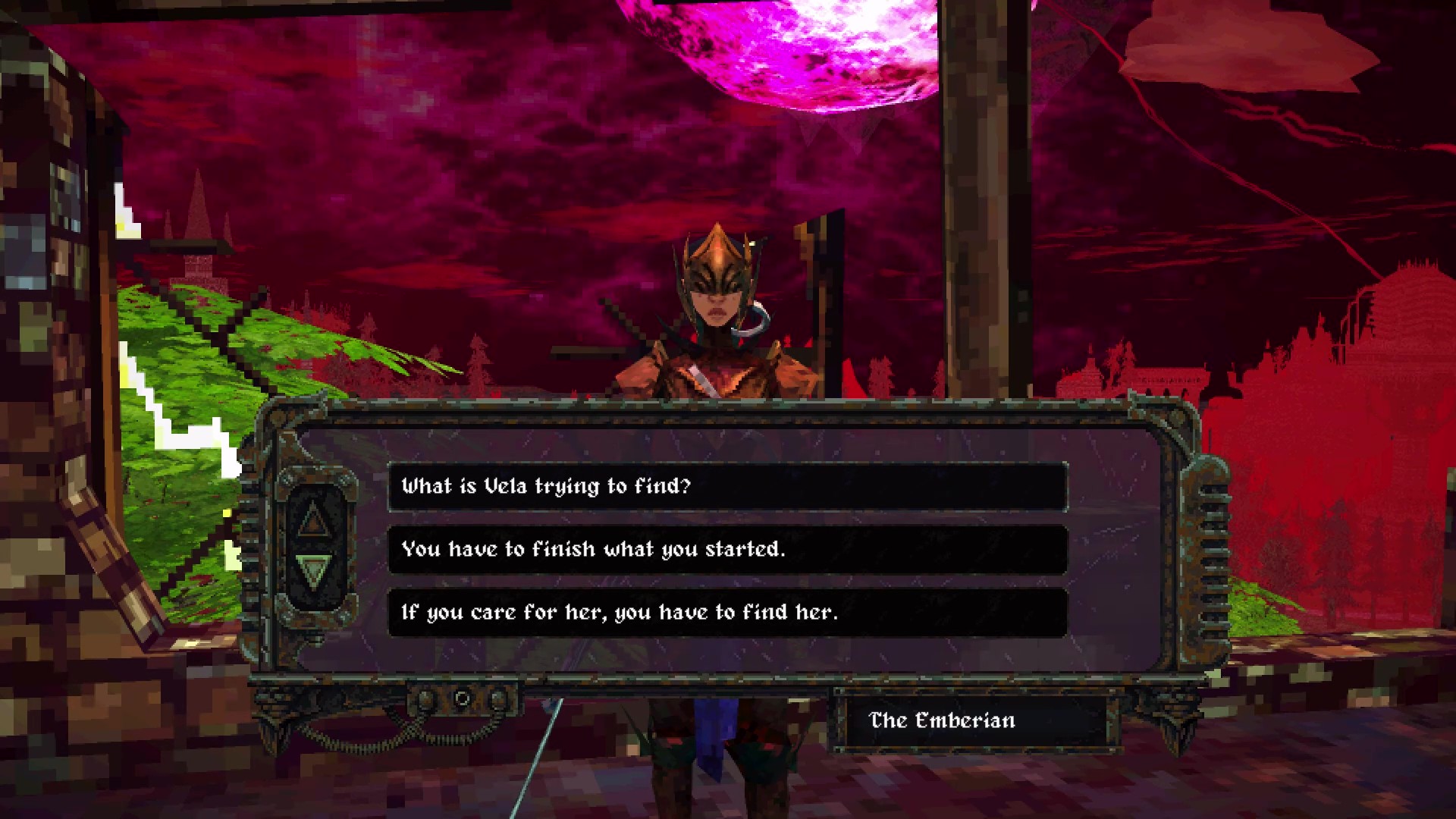
Of course, Dread Delusion offers up a lengthy quest involving the hunt for a Navy-captain-turned-sky-pirate Vela Callose that will take you across the Isles and to the ruined world below. You’ll learn about the “God Wars” and the rise of Apostolic Union, the ancient Emberian civilisation and the devastating “World Rend” event, and you’ll meet the factions contesting the Oneiric Isles – but there’s so much more depth for those who explore, talk to every NPC, and read the stylish book extracts scattered around.
The gameplay that ties everything together is fun, familiar, and streamlined – like a “best of” rewatch your favourite series where you have to foresight to skip the inessential episodes. You have light and heavy attacks paired with block and parries, all governed by stamina and strength. Offensive and defensive cypher spells require mana and high lore. You can charm NPCs in dialogue, pick locks and disarm traps, or manipulate magical objects to open alternate paths and secrets. There’s even a stealth system with bonus damage for thief-types that enjoy spending half their playtime crouching with a bow.
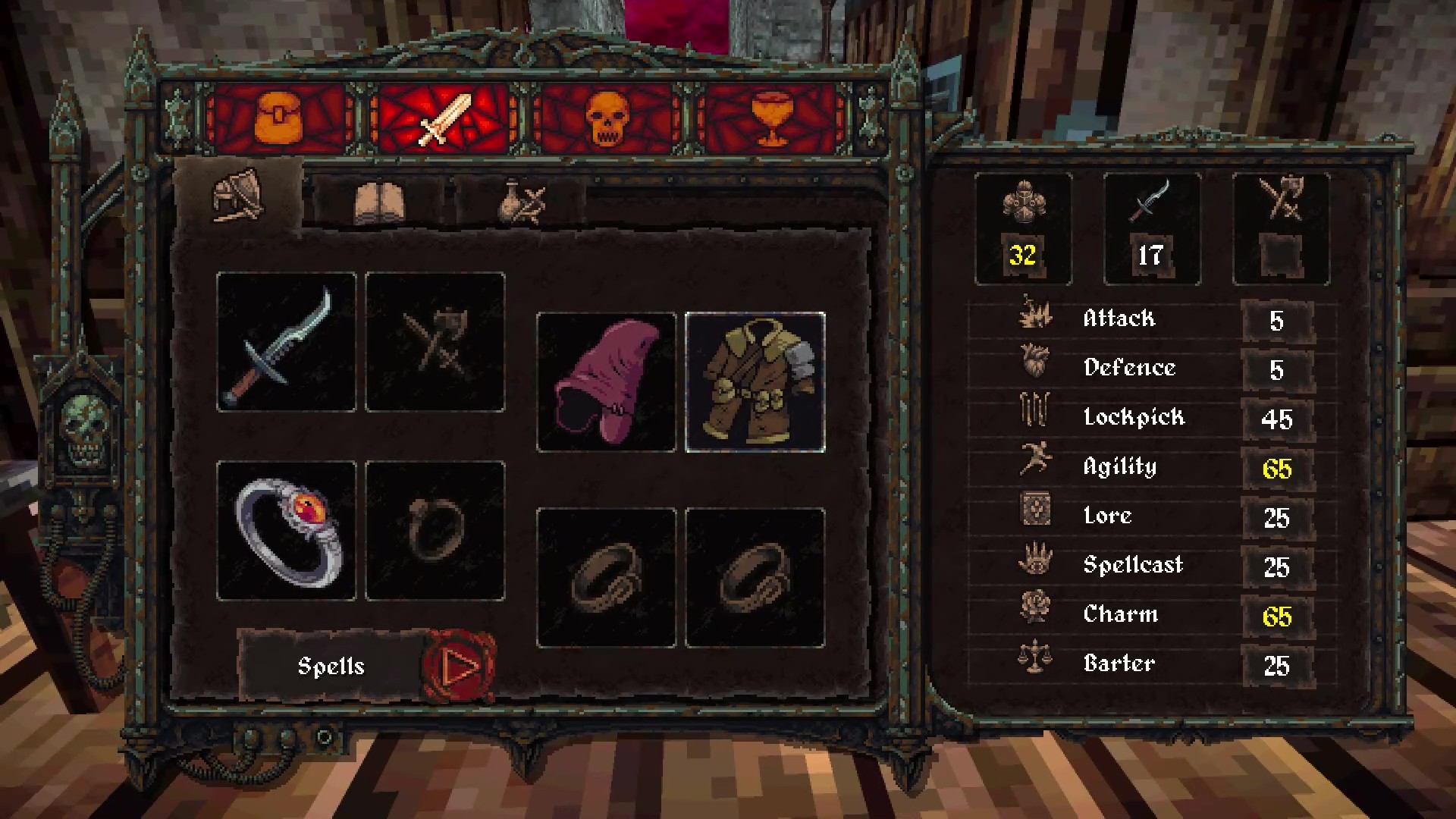
Armour, clothing, and weapon variants are limited but offer impactful upgrades that consume increasingly rare materials. Rings and accessories are unique and buff specific attributes or skills. Alchemy allows you to brew useful and situational potions. You can purchase and upgrade housing in each island kingdom, unlocking temporary skill boosts, crafting stations, and gardens with alchemical ingredients. You eventually unlock an airship of your own to access new areas.
Dread Delusion offers a little bit of every RPG staple for you to dabble in as you explore, just never with enough depth to derail your momentum and the narrative pacing.
Despite these streamlined mechanics, Dread Delusion still prioritises role-playing and provides quest solutions that can shift your standing with different factions and affect the outcome of regions. Your dialogue choices have the most impact, but you can also avoid harming faction relations by simply sneaking through an area or unlocking alternate paths to bypass combat. The levelling system – in which you “embrace delusions” to increase attributes – consumes “glimmers of delusions” that are awarded on quest completion or found in secret areas. There’s rarely a good reason to choose a violent outcome if you don’t want to.
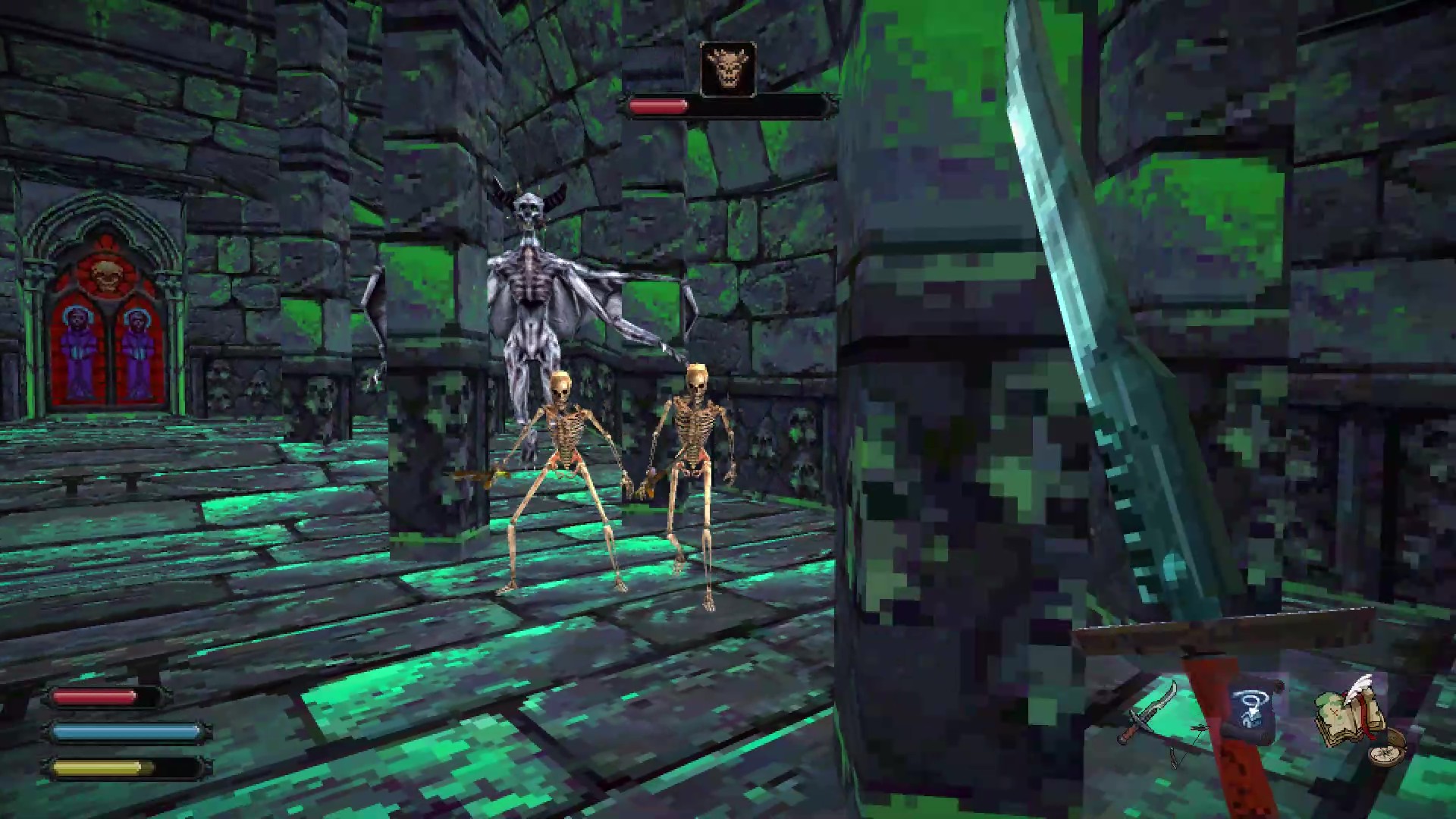
There’s a fair argument that the minute-to-minute gameplay feels a little underdeveloped, but the impact on the experience is limited by Dread Delusion’s relative brevity for an RPG – maybe 20 or so hours to explore everywhere and do everything on your first playthrough. The focus remains on constant forward momentum and exploration while you resolve quests the way you want to. Dread Delusion never feels like it’s wasting your time getting bogged down by grindy gameplay systems or cinematic aspirations that impact the pacing.
Going back to the Morrowind comparison, the Oneiric Isles are simply a joy to explore as every new region means new sights to see, new biomes and creatures, new people and quests, and more lore to discover. For console players, it offers a rare mini-RPG with incredible vibes and, as a bonus, runs well on every platform including the Nintendo Switch 2.
Dread Delusion was played on a Nintendo Switch 2 using a code provided by the publisher. It is also available on PC, Xbox Series S|X, and PS5.
 gameblur-v2.0