Tag: Complete Edition

  • Review: Final Fantasy XVI Complete Edition (Xbox Series)

    Review: Final Fantasy XVI Complete Edition (Xbox Series)

    With Final Fantasy XVI, Square Enix has continued to experiment with and dramatically depart from their flagship IP’s traditional roots. At the same time, it is a game that feels closer to those classic roots than the series has been for some time. That experimentation, over the course of many mainline games and spin-offs, has had variable degrees of success that seems to have finally culminated with the splashiest Final Fantasy to date.

    To say that Final Fantasy XVI feels like the offspring between Final Fantasy and Devil May Cry will give you a clear indication as to what Square Enix has cooked up with this one. Now, two years after its initial PS5 launch, Xbox Series owners can join in on the fray.
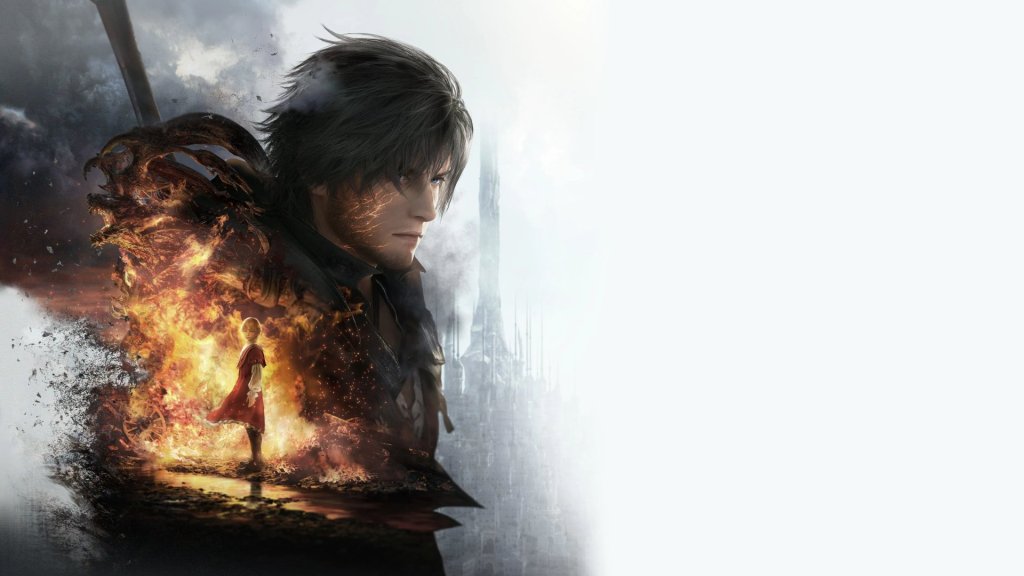
    Final Fantasy XVI takes place on the continent of Valisthea, a world on the brink of an environmental disaster that pushes the world’s nations into resource-driven conflicts. Players are dropped into the shoes of Clive Rosfield, a young lord whose empire is destroyed overnight and his younger brother murdered. Clive embarks on a journey of vengeance to find his brothers killer, a journey that will reveal mysteries about himself, while plunging the world deeper into political conflict.

    Final Fantasy XVI is the very definition of an action-RPG. This is a big, bold, and splashy visual extravaganza, much like a summer blockbuster movie, that straddles the line between hack-and-slash and JRPG. Those expecting a return to traditional mechanics will be disappointed as the RPG elements are stripped back even further when compared to previous entries in the series.

    The main essence of an RPG still remains, with plenty of locations to explore and angsty moral dilemmas to chew on. There are enough NPCs to speak to that flesh out the world, and there’s a lengthy, complicated story that veers from vengeance to world saving. The story is certainly one of the games strongest aspects and benefits from some stellar voice acting that raises the bar for the series.

    The story and setting are where the game does hark back to its roots. The ubiquitous crystals are here, along with a medieval fantasy setting reminiscent of the original hexalogy, and a story that veers between personal and political.
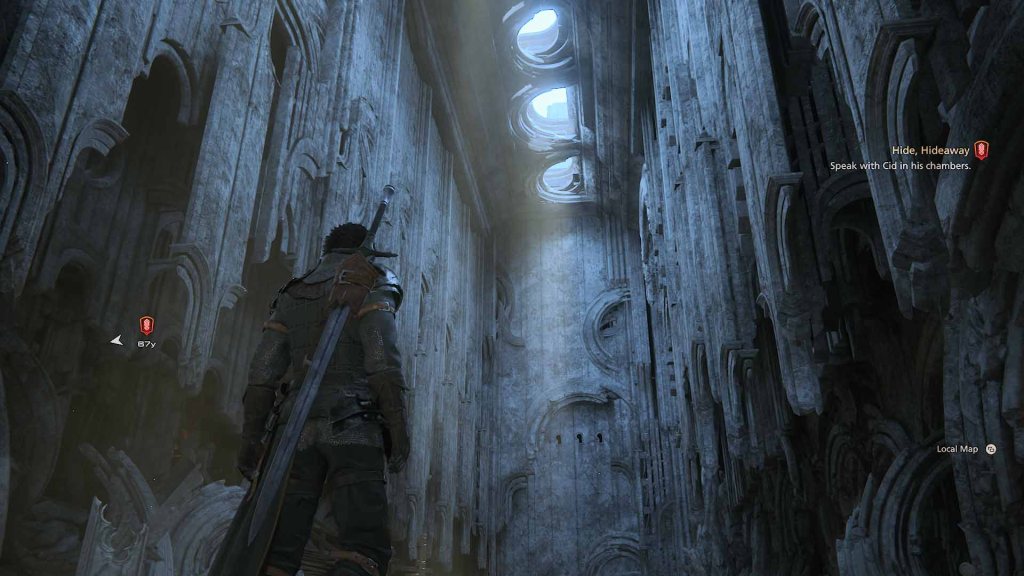
    Gone, though, are tons of items to manage in your inventory, replaced by a moderate amount of consumables that are hot-linked for combat. Instead, copious amounts of crafting materials take the space normally reserved for endless inventory glut. The amount of gear you can equip has also been scaled back, limiting you to a weapon and some accessories that change up your effectiveness in combat significantly. Gone too is an overworld to run around in, replaced by a world map that lets you fast travel between locations. The locations themselves are large enough to allow for exploration on the back of a Chocobo, but can’t hide the games overall linearity.

    In its place are systems more at home in action games. There are skill trees to purchase and upgrade new abilities, while combat loadouts play a significant role towards the end-game. Clive’s combat abilities allow for the use of fast sword strikes that can be charged up for heavy blows; the use of magical abilities based on the elements; a dodge that can allow you to counterattack if done quickly enough; and a quick dash that’s close to a classic teleport move.

    Party members help out in combat as well, which allows you to chain combos with them or use your trusty hound, Torgal, to launch enemies into the air for some punishing aerial combos. Instead of learning traditional FF spells, Clive can harness Eikon abilities. Eikons in Final Fantasy XVI are the classic summon spells, only this time Bahamut and its ilk play much larger roles in the game. Literally.
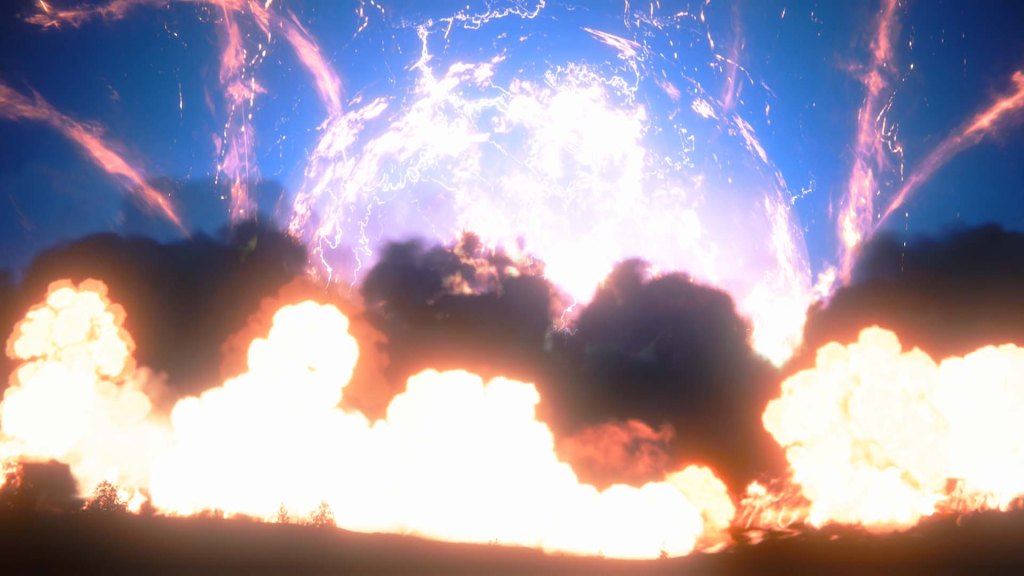
    Clive can use the abilities of Ifrit, Phoenix, or whichever Eikon you’ve beaten to spice up combat significantly, flowing between hectic sword strikes into Eikon specific abilities: such as launching walls of flame across the ground or multiple wind-based slashing attacks that look and feel stupendous when used in an air juggle.

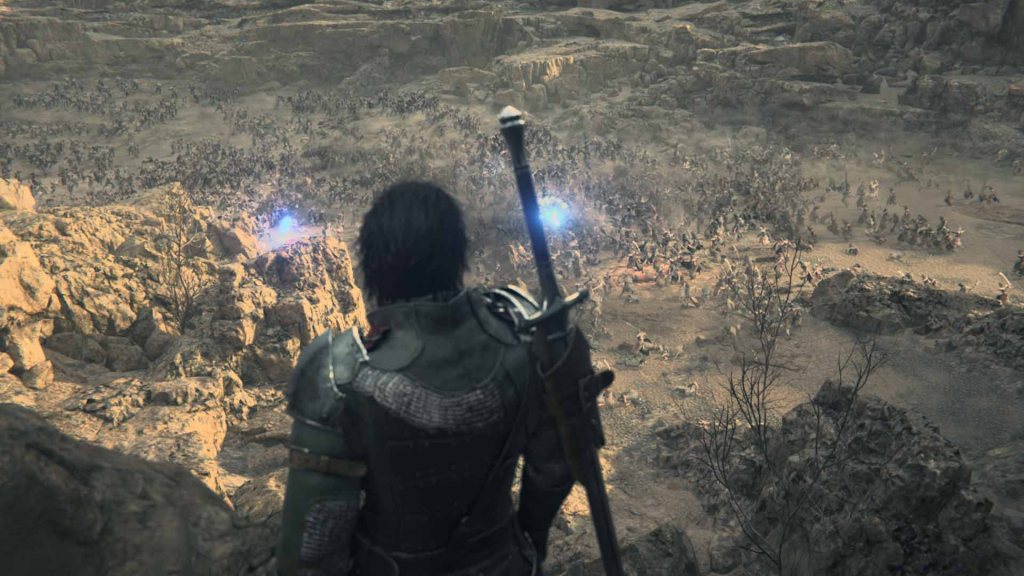
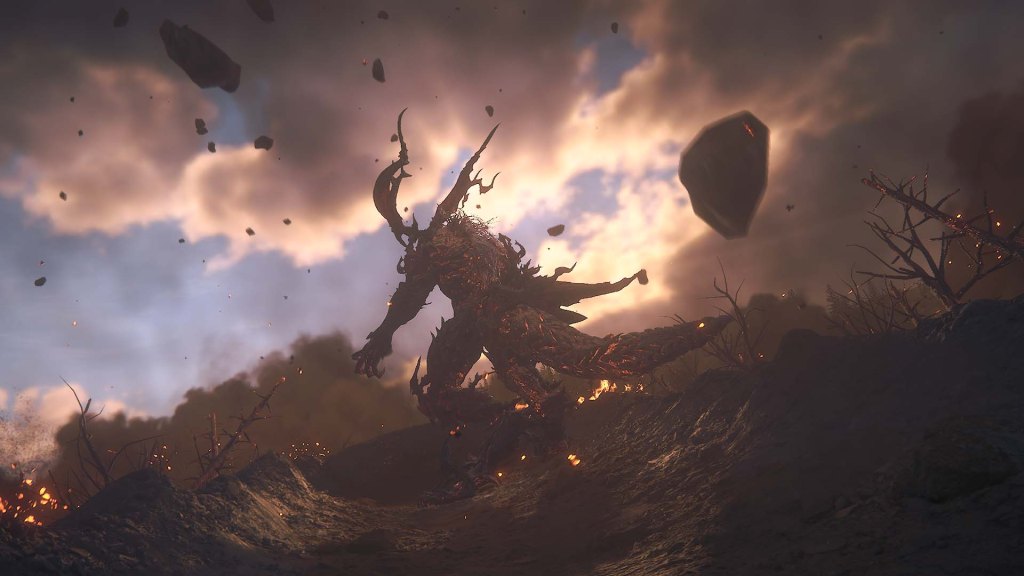
    The big selling point for Final Fantasy XVI are the Eikon fights, in which you either transform into one yourself, or take on one of them in a blistering duel of pyrotechnic spectacle that’s right up there with any modern high octane Kaiju fight. As good looking as Final Fantasy XVI is, it’s these moments that are truly a sight to behold and the games showcase. Make no mistake, normal combat is blisteringly fast and flashy, with enough special effects and fireballs thrown around to trigger an epileptic fit, but it pales in comparison to the Eikon battles that are on par with any modern Hollywood blockbuster.

    From Crisis Core to Final Fantasy VII Remake, it’s a testament to how much Square Enix have learned over the years that I can call Final Fantasy XVI’s combat thrilling.
    That said, Final Fantasy XVI isn’t a perfect game. The pacing can be inconsistent in terms of how much is doled out for you to tackle.

    The bulk of the game favours a linear thrust to keep the story flowing, with the occasional side-quest doled out to offer a break and help with the world-building. However, towards the games climax, you’re suddenly inundated with a list of people to help out. I’m all for more content, but these optional quests could have been better sprinkled throughout the games runtime to break up the corridor feeling that the main story evokes.

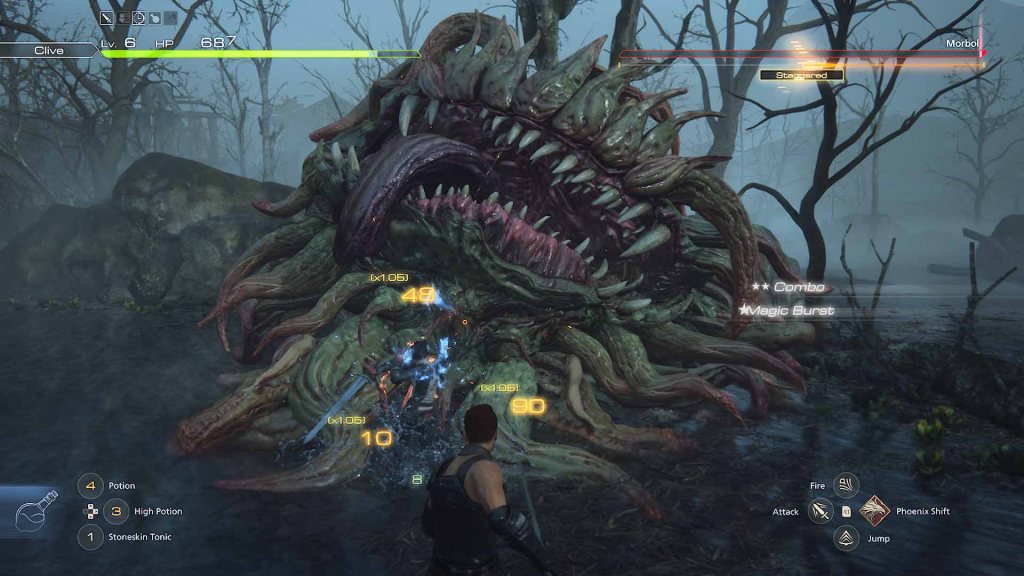
    Combat-wise, the game also favours bullet-sponge enemies and bosses, which makes many fights last far longer than they should. There’s a stagger mechanic at play that lets you stun an enemy for a short duration once you’ve broken its stagger bar. The further into the game you get, the more reliant you become on exploiting this mechanic to deal significant amounts of damage. Towards the endgame, it’s essential to set up your character to quickly break stagger bars and keep the enemies in a stun-lock state. This overrides a lot of the thrill of the games heavily DMC-inspired combat, as it becomes less about skilfully chaining attacks and more about triggering staggers to shave those massive health bars down.
    As with the PS5 version of the game, the Xbox Series X version comes with two graphic modes: Quality and performance. Quality favours visual fidelity with a 30fps frame rate, while Performance favours a 60fps frame rate at the expense of visuals. Both modes on Series X ran well and I never noticed performance issues regardless of which mode I played with.

    Performance mode feels silky smooth, but that does come at a noticeable visual cost. It runs at a much lower resolution that makes the visuals seem a little blurry and less defined. And with a game so built on visual spectacle as this one, a lower resolution really isn’t the way you should have to experience it.

    Quality mode still has visual issues if you look closely enough, such as shimmering when the characters move, but the performance is still rock solid and fast enough that I never felt as though the 30fps cap was limiting me in anyway.
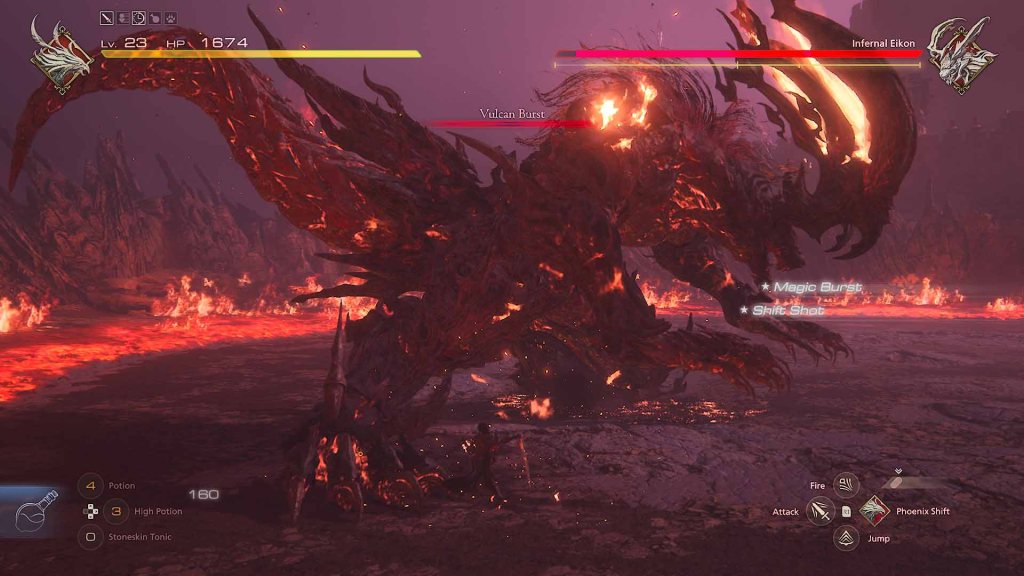
    Final Fantasy XVI Complete Edition Eikon Battles Xbox

    The last thing to touch on that the Complete Edition of Final Fantasy XVI obviously comes with the two expansions: Echoes of The Fallen and The Rising Tide. Both add even more goodness to an already stacked game and, with the Complete Edition installed, you’ll be able to access them at key points during the main campaign.

    Elevated by an intensely fun battle system and stunning voice acting, Final Fantasy XVI is easily one of the best mainline games in the series in recent years. It manages to capture the spirit of the original games with a strong story and great characters, while the spectacular boss battles and pyrotechnic visuals are the icing on a particularly wonderful action-RPG cake.

    Pros:

    • Excellent hack-and-slash combat
    • Boss battles are an intense visual highlight
    • The story and setting hark back to the classic games
    • Stellar voice acting
    • Both Quality and Performance modes run well

    Cons:

    • Bullet-sponge enemies drag out battles
    • Poorly paced distribution of sidequests
    • The resolution drop in Performance mode is noticeable
    Score: 8/10

  • Review: Frostpunk – Complete Edition (Xbox Series)

    Review: Frostpunk – Complete Edition (Xbox Series)

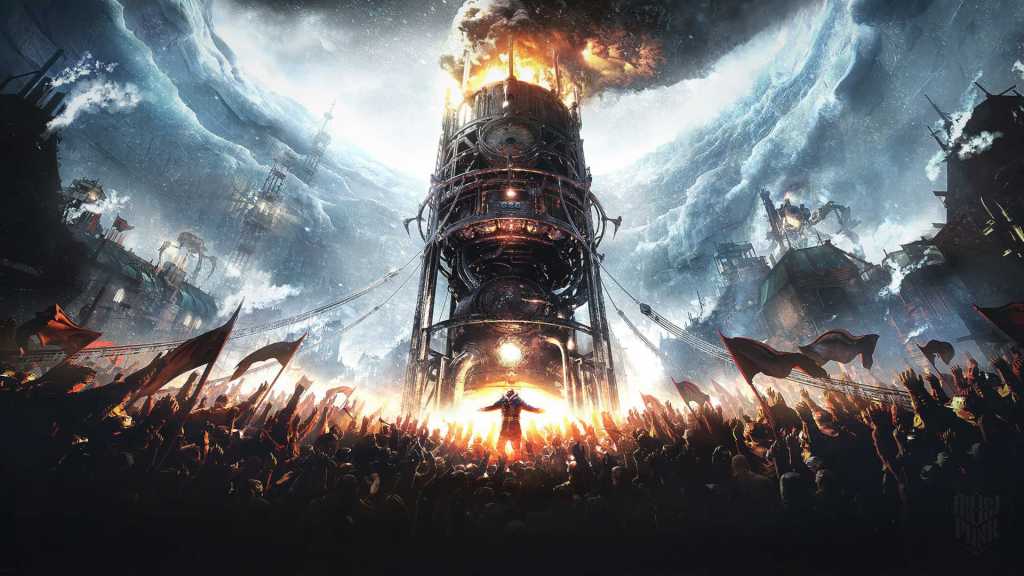
    At long last, console gamers can get their hands on the “Complete Edition” of Frostpunk – an engaging, mechanically deep, and often stress-inducing steampunk city-builder with a focus on surviving the elements. Make no mistake, the original console release of Frostpunk is still a great game, but the expansions introduce some much-needed variety to the basic formula. These expansions change how you think about the geometry of your city, introduce new victory conditions, and shift the focus from self-reliance to trading with other settlements.

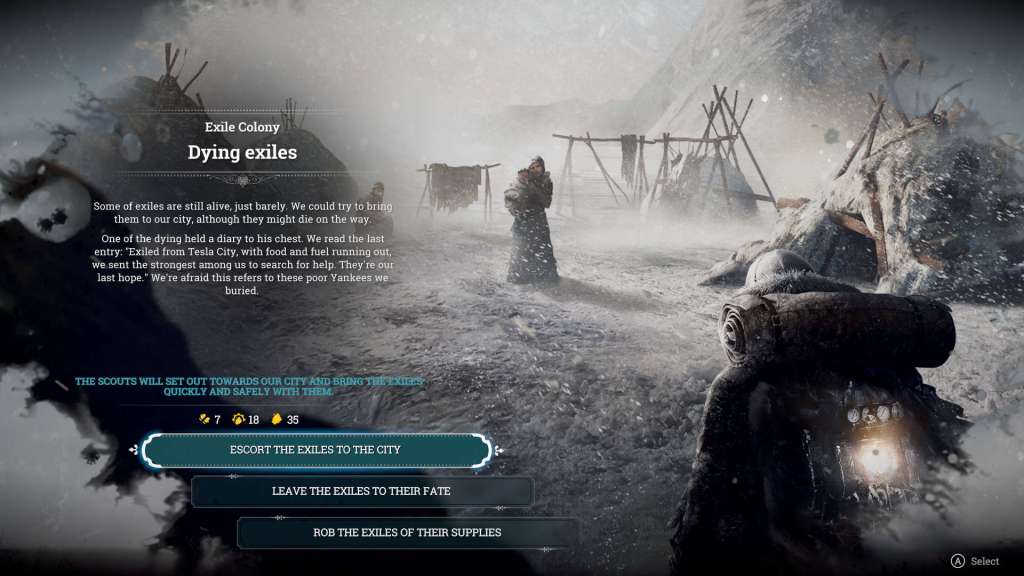
    Despite only offering three introductory cutscenes (one for each of the major story scenarios), Frostpunk feels far more narrative-driven than many games in the genre. Each scenario is, in essence, an opportunity to craft your own story. There are technologies to research, laws to pass, encounters in the surrounding “Frostlands”, and plenty of player-choice in how you’ll deal with the demands of your people, refugees, and other settlements. This all comes together at the end of a scenario – if you survive – with a montage that provides a timelapse of your developing city while recounting your key decisions.

    Did you establish faith to drive your people forward in the face of hardships or to crush dissent? Did you care for the critically ill and provide burials for the dead, or did you triage mercilessly and eat the corpses when the great storm arrived? Did you care for and educate children, or did you put them to work collecting coal in freezing temperatures? Although all choices offer a mechanically advantageous outcome and shift the numbers around, the narrative context adds weight to your decisions.

    Of course, in any survival game, the complexity of the underlying systems is what dictates its success or failure. The narrative context is a nice touch, but Frostpunk would hold up just fine without them thanks to the myriad of systems you’ll need to consider and balance if you want your city to survive. Heat, food, and shelter are your primary concern. If you can get the basic layout of your city and resource-gathering operations in order quickly, a contented populace and victory are inevitable. Naturally, nothing in the frozen north is that easy.

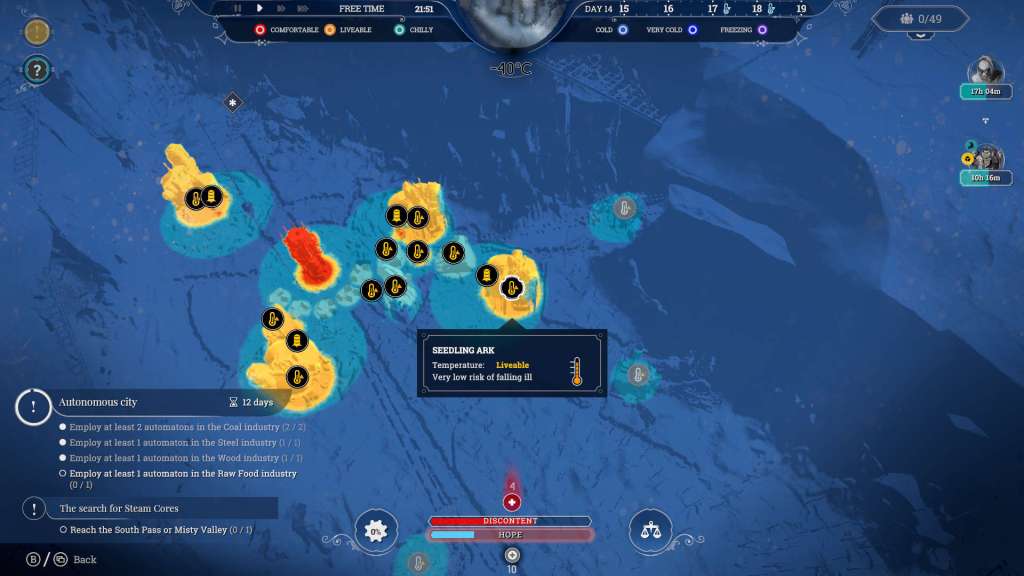
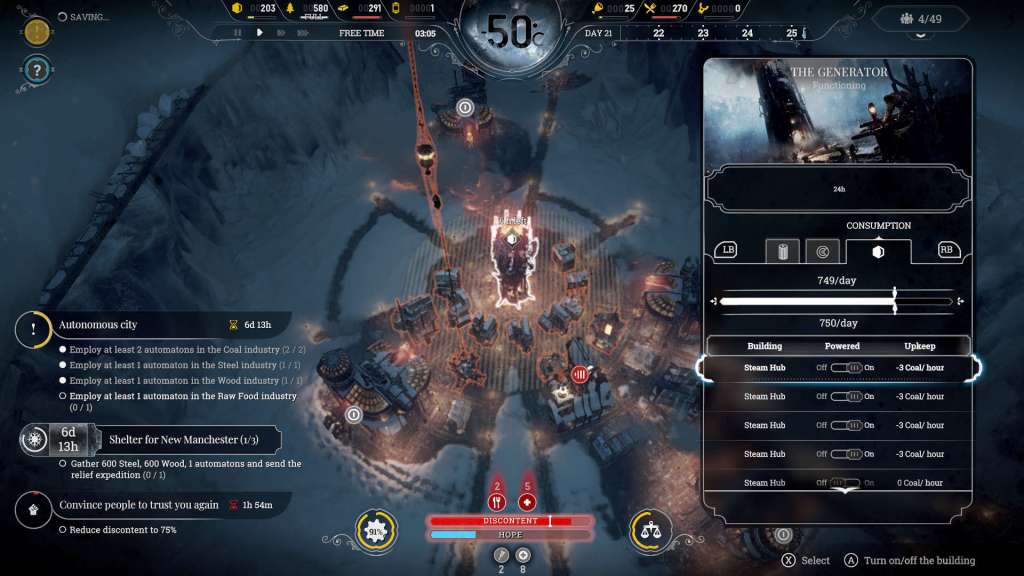
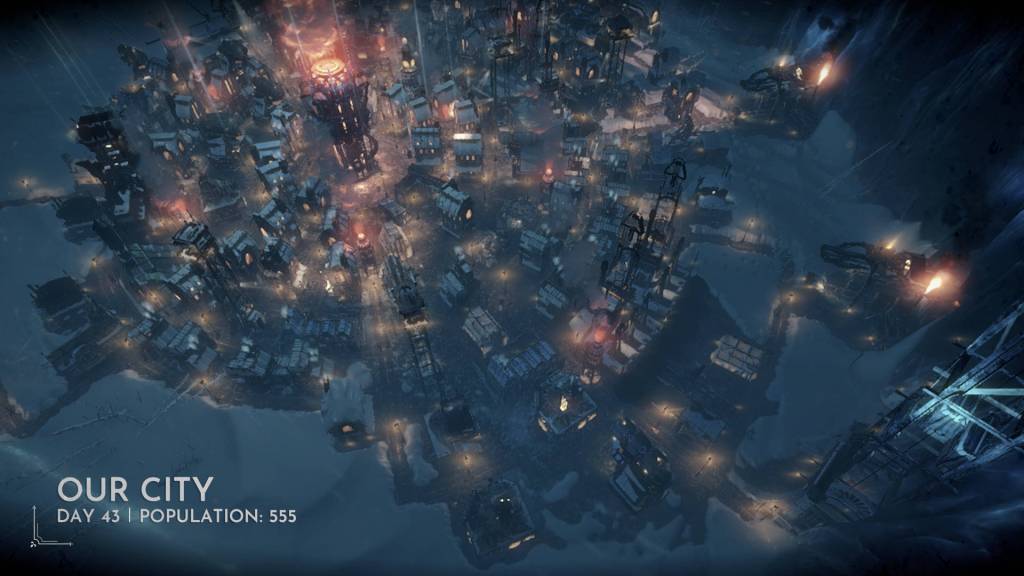
    In most scenarios, life revolves around your coal-consuming generator and the warmth it provides (there’s no nuclear power in this alternate history). An optimal city expands radially, ensuring subsequent upgrades to the generator keep an ever-larger area warm. However, the more efficient your generator, the more coal you burn through. The more coal you need, the more coal-producing industries you need. The more industries you have, the more citizens you need to employ. The more citizens you have, the more housing, food, and medical care you need to provide.

    A new player is going to quickly find themselves overwhelmed, even if they set all the customisable difficulty toggles to easy. The urge to expand, recruit survivors, and generate more resources is alluring, but your citizens have numerous needs that need sustaining. Fail to keep them hopeful, or let discontent swell, and you’ll find yourself exiled to the Frostlands. On the other hand, researching and constructing expensive automatons gives you a 24-hour workforce that never gets hungry, never falls ill in cold temperatures, and doesn’t object to your ruling style. Both are viable paths to victory, but both require careful allocations of resources.

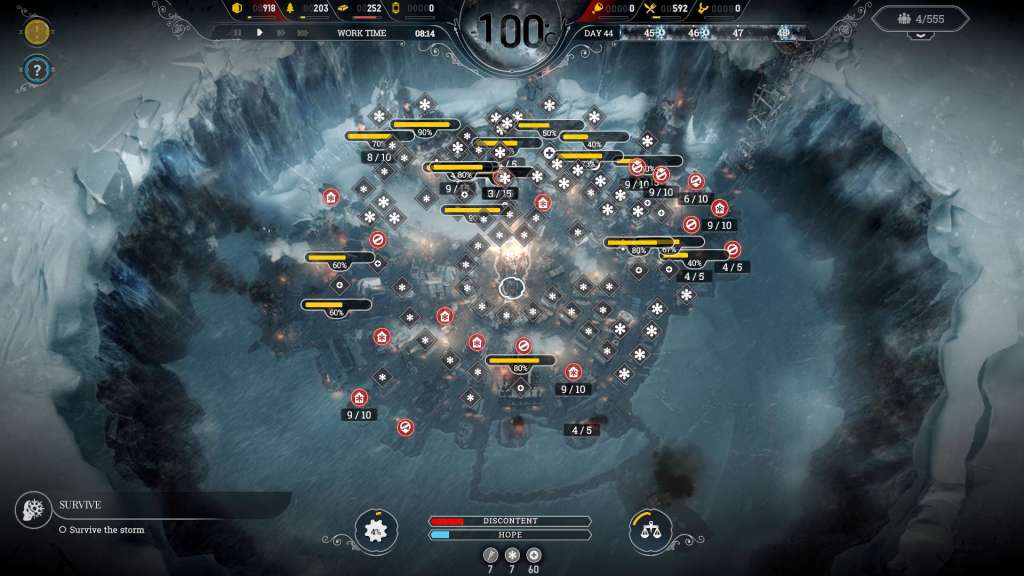
    Of course, building up your city is only half the story. If you’ve researched the right technology, most starting locations offer an infinite source of coal, wood, and steel. However, it’s rarely enough to sustain a large population and decreasing temperatures (which plummet to -100° Celsius during storms), while simultaneously dealing with frequent demands to remedy housing, heating, and medical issues. There are two additional ways to keep your population hopeful and reduce discontent: passing new laws and exploring the Frostlands with scouts.

    The Book of Laws typically offers two variants of any provided law, one callous but effective, the other compassionate with fringe benefits. There are basic “Adaptation” laws, which include choosing between burials or corpse storage (for later “use”), establishing care homes or allowing radical surgical treatments, and putting children to work or educating them. As you advance, you unlock “Purpose” laws – allowing you to chose between Order and Faith. Naturally, the end-game for both these branches of law is authoritarianism, but Order focuses on security and suppressing discontent, whereas Faith focuses on maintaining the hopefulness of your population.

    Sending scouts into the Frostlands is another way to influence your city, bringing people hopeful (or depressing) news and rare “steam cores” required for efficient high-tier buildings. The system is simple and requires little micromanagement, but distances and travel time in the Frostlands are always an issue. Nearby locations can reveal survivors, supplies, or the fate of other generator cities (and almost always reveal two or more new locations to visit). You’ll want to keep your scout teams active all the time, as their discoveries – especially resource caches – can provide a means to get out of trouble fast.

    Ultimately, Frostpunk is a game about learning the ropes, one step at a time. Failure – and you will fail – is an opportunity to take what you’ve learned, apply it to your next attempt, get something else wrong, learn from that experience, and eventually master each mechanic on your way to completing a scenario. You can save at any time but Frostpunk is a game in which failures can be days in the making. Thankfully, scenarios – aside from the “endless” ones – are only a few hours long, so you’ll rarely feel frustrated at starting anew.

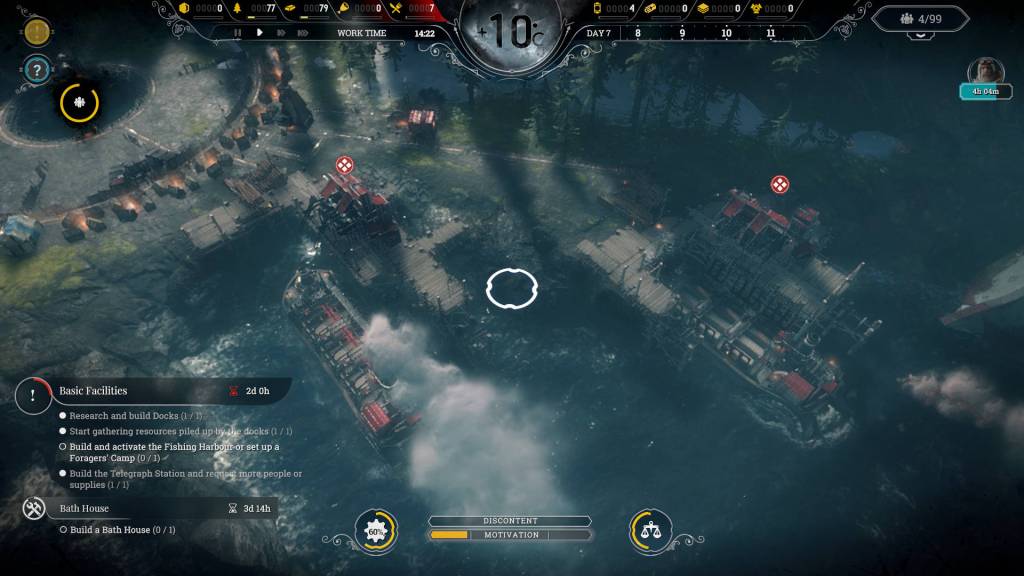
    Like many survival games, Frostpunk suffers from gameplay becoming rote once you’ve established an optimised build order and this is why the console Complete Edition is a great choice (or the expansion pass if you’ve already got the base game). “The Rifts” expansion – along with several of the “endless” scenarios – spices up the city-building element by forcing you to expand to adjacent land using bridges. The perfectly circular city structure and comforting glow of the generator are no longer guaranteed.

    “The Last Autumn”, which serves as a prequel during the early stages of global cooling, tasks you with constructing a generator. Temperatures are mild, illness rare, and resources abundant, so maintaining the motivation of your cynical workforce and hitting construction deadlines becomes the new challenge. To manage this feat, you need to find a careful balance of new Administration and Labour laws. “On The Edge” serves as a sequel to events in the main campaign, tasking you with the management of a new outpost – sans generator – entirely dependent on “New London” for food supplies and establishing laws. However, New London quickly becomes antagonistic with their demands, and you’re given the choice to scout the Frostlands and establish supply lines with other settlements or try appeasing their unfair demands.

    One slight disappointment is that Frostpunk is yet to receive an official next-gen upgrade. Make no mistake, it can still look great and feel incredibly atmospheric as you watch your torch-wielding workers wade through the snow while howling winds whip back and forth. However, the image looks distinctly soft on a large TV and has plenty of aliasing in motion. Dense ambient city sounds and grumbling workers add to the atmosphere, ensuring your city feels alive, rather than just a visualised spreadsheet. That said, when temperatures drop and troubles multiply, it can be a pain identifying individual structures in a large city and the interface becomes increasingly cluttered. The game does have a pause-time function so you can tinker at your leisure, but it’s times like these I’d found myself missing the mouse and keyboard. Frostpunk Game of the Year Edition is available on Steam, and this is quite an enticing package if you’re more PC gaming inclined.

    Minor visual and control gripes aside, the Frostpunk Complete Edition on console is still a fantastic purchase for fans of survival games or city-builders that demand a lot of planning and micromanagement. It is, however, an incredibly stressful game and might not be for everyone. If you’ve got the patience to carefully think through every move and plan well into the future, and the temperament to make tough decisions that will keep (most) of your citizens alive, there are few survival-focused city-builder experiences like it.

    Pros:

    • A strong, emergent narrative component that’s uncommon in the genre
    • Challenging but fair survival mechanics that often requires making hard decisions
    • A stiff learning curve but individual scenarios are short enough to encourage multiple runs
    • The expansions add plenty of content and much-needed variety to the basic formula

    Cons:

    • Possibly too stressful for some
    • Picking out individual buildings can feel finicky on a gamepad

    Score: 8/10

    Frostpunk – Complete Edition was reviewed on Xbox Series using a provided to gameblur by the publisher. It is also available on PC and PS5.