Tag: Caput Mortum

  • Editorial: Caput Mortum is a short, sweet, and satisfying ride that’s all too rare these days.

    Editorial: Caput Mortum is a short, sweet, and satisfying ride that’s all too rare these days.

    Caput Mortum is a compact love letter to 1994’s King’s Field, albeit one taking a few cues from the more modern horror titles like Amnesia: The Dark Descent.

    It wastes no time dropping the player outside a crumbling 16th-century French tower once dedicated to alchemy; it seamlessly blends puzzle-solving and monster encounters with retro-inspired visuals (and an old-school control scheme for purists); and it delivers a briskly paced journey into the depths.

    Direct storytelling is limited so you’ll need to find scattered notes and environmental clues to reveal the alchemists’ experiments and their cruel attempts at creating new life. The protagonist’s motivations remain a mystery throughout but serve as an excuse for the player to witness the unfolding events.

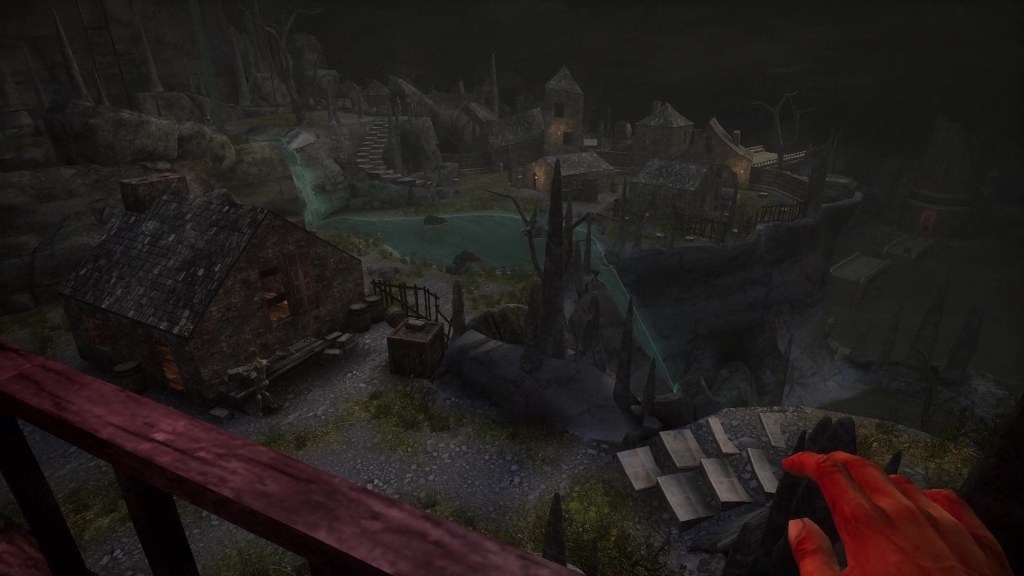
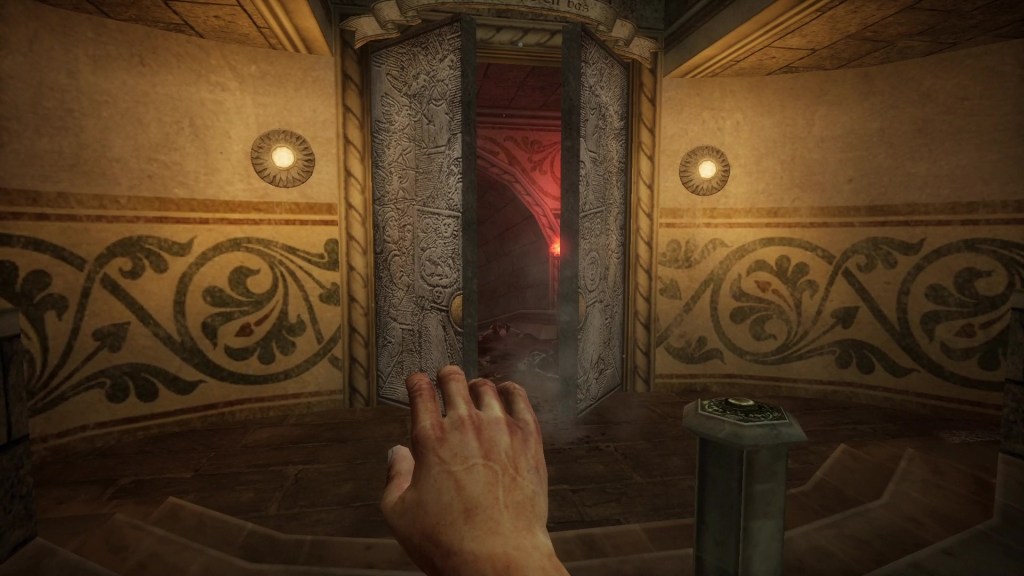
    The late ‘90s inspired blocky 3D environments are impressive. Each floor of the tower feels visually distinct and atmospheric, is full of environmental storytelling details, and tension-building audio and short music loops are fantastic.
    What I enjoyed most though was the brisk pacing and compact length – both of which ensure ensured Caput Mortum never outstayed it’s welcome (and it’s appropriately priced too). I uncovered the fate of the alchemists, their creations, and the mysterious voice guiding the protagonist, then I walked away satisfied but also keen on a second playthrough to unlock additional notes without needing to invest dozens of hours.

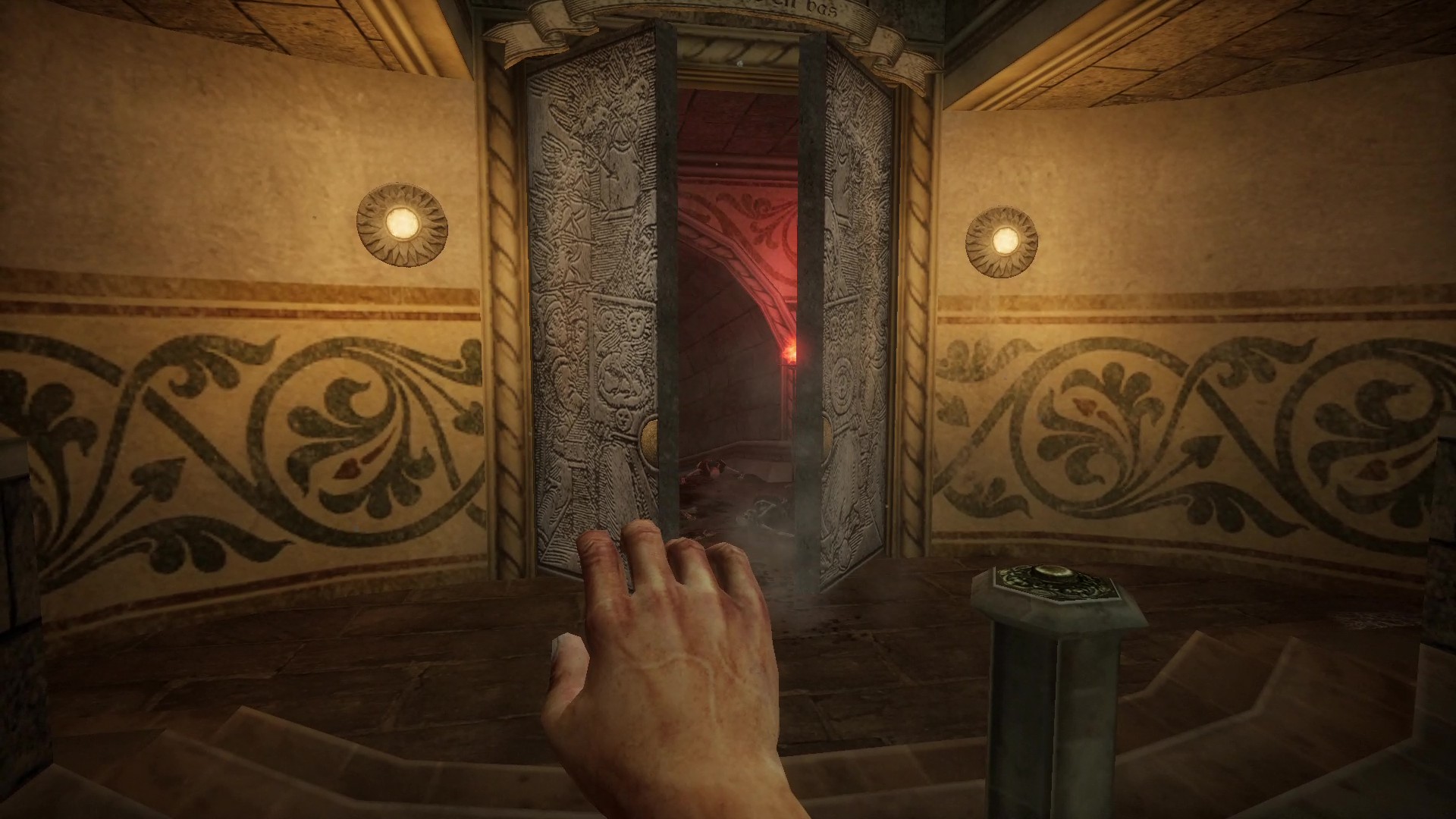
    Gameplay is admittedly limited at first and focuses on deliberate movement and interacting with the world using a single hand. You use the mouse or thumbstick to manipulate puzzle items and keys, while wielding a small selection of weapons that double-up as tools. The controls are straightforward and intuitive, with guidance provided notes or visual cues.

    Combat is deliberately clunky but basic enemies are manageable, and the more dangerous ones you run from. You bait an enemy’s attack animation, then counter until it falls.
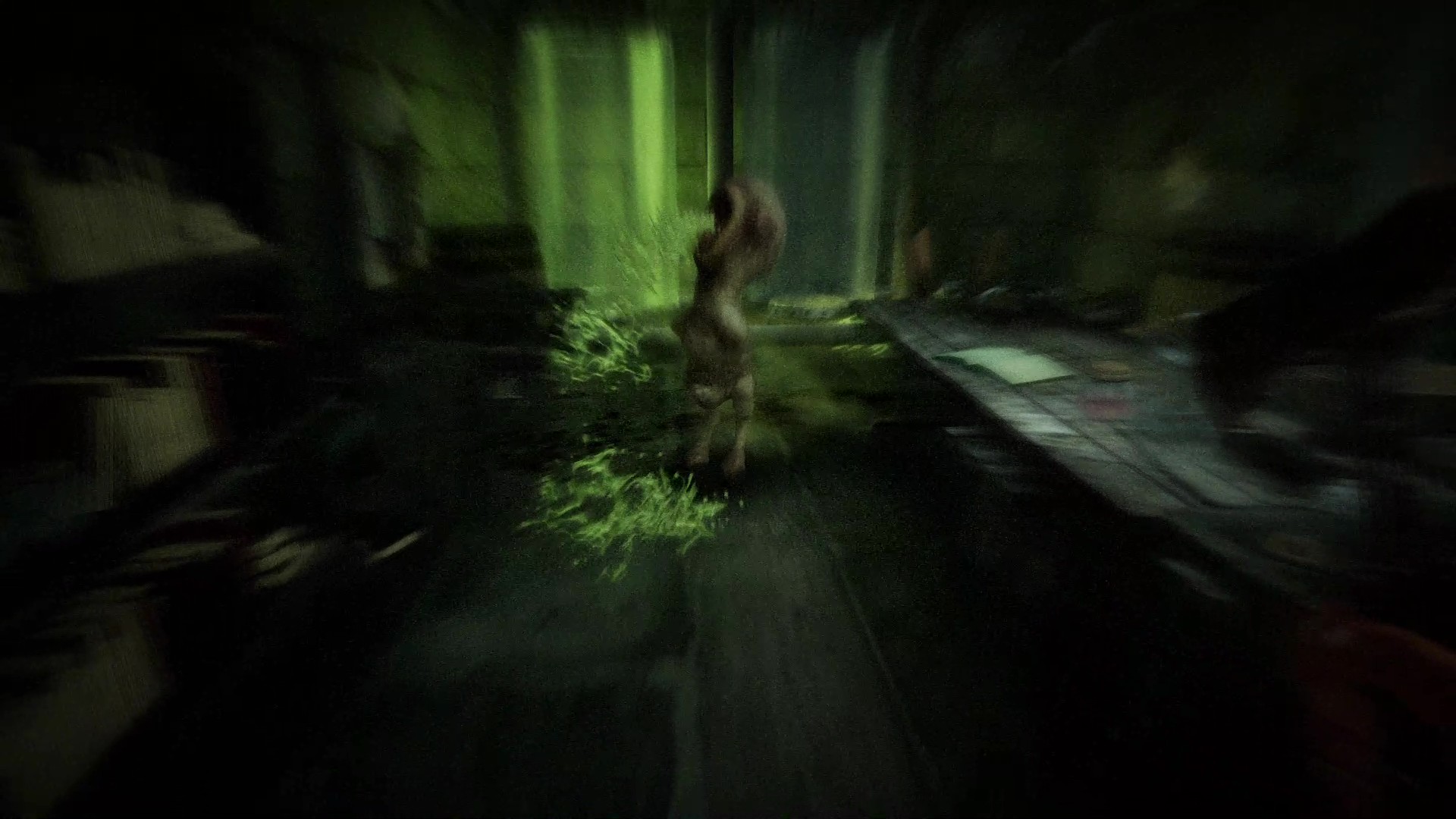
    Exploration and puzzle-solving, sometimes under threat, are the strengths of Caput Mortum. As you descend, you encounter progressively more complex puzzles, starting with simple key hunts before evolving into scanning for clue, matching patterns, and concocting alchemical compounds. Some early encounters require matching hand gestures to survive attacks, while brief sections have you navigating torchlit tunnels pursued by a stalker-type creature.

    There are some dated mechanics. Quickly switching between a free hand and weapon is annoying but rarely needed. Meanwhile the game claims it only saves when entering new tower levels, but I found autosaves occurred after major puzzle solutions and before you enter dangerous areas.

    Ultimately, Caput Mortum does everything I want from a short experimental indie title. A brisk but satisfying experience that gives you some bigger budget thrills with zero padding. In 2026, a game that’s short, well-paced, and offers a satisfying conclusion is rare enough to warrant praise despite a few flaws.

    Caput Mortum was played on Xbox Series S|X. It is also available on PC and PS5.
  • Review: Caput Mortum (PC)

    Review: Caput Mortum (PC)

    WildArts Games’ Caput Mortum – apparently a variation of Latin for “Dead Head” – feels as indebted to 2010’s Amnesia: The Dark Descent as it does to its stated inspiration, 1994’s King’s Field. It’s a stylish, indie, first-person dungeon-delve that takes you into the ruined depths of a tower, in 16th century France, once dedicated to alchemy most foul. It combines diverse puzzle and monster encounters with retro-inspired aesthetics (and a retro control scheme for those who want it) to craft a well-paced descent into madness.

    Caput Mortum keeps direct storytelling to a minimum, with scattered notes and environmental details revealing the nature of the alchemists’ work, their barbarous attempts at creating life, and the tragic repercussions. Aside from the protagonist’s willingness to push ever deeper into the tower, they remain a mystery. A simple witness to events until the final moments – albeit with an alternate ending on offer for those willing to play through it a second time and piece together a secret code.

    A minimalist approach works for a game that is maybe 3-4 hours long for a first playthrough. Discovering the fate of the alchemists, their creations, and the nature of the voice calling out to the protagonist kept me pushing forward and exploring every corner of the tower for notes and hints of past events. It helps that despite the late ‘90s-style early-3D environments, each level of the tower feels visually distinct and atmospheric, packed with incidental details, new threats, and tension inducing-audio. The ambient audio keeps you on edge, audio cues let you know when you’re close to being spotted, and the soundtrack features simple but unsettling loops that had me thinking of Monolith’s F.E.A.R.

    Gameplay is all about deliberate movement and manipulating a single hand that interacts with the world, carries around puzzle items or keys, and wields a small selection of weapons that double up as tools. The basic controls and gameplay systems are easy to grasp, while clear guidance – either in the form of actual notes or visual cues – meant I rarely felt lost while solving puzzles, defeating basic enemies, and avoiding those I could not.

    If you’re after an authentically frustrating retro experience, the default controls offer a keyboard-only setup or gamepad layout that forces you to adjust your viewpoint by using keys or bumpers and triggers. These archaic controls ramp up the tension as simply aligning your view to track an enemy or strike at a weak point is artificially difficult. It felt like a novel throwback for the opening levels of the tower, but I would recommend just picking the modern gamepad or keyboard-and-mouse setup as the combat – which is never more complex than baiting an attack animation before striking back – is the least interesting gameplay mechanic.

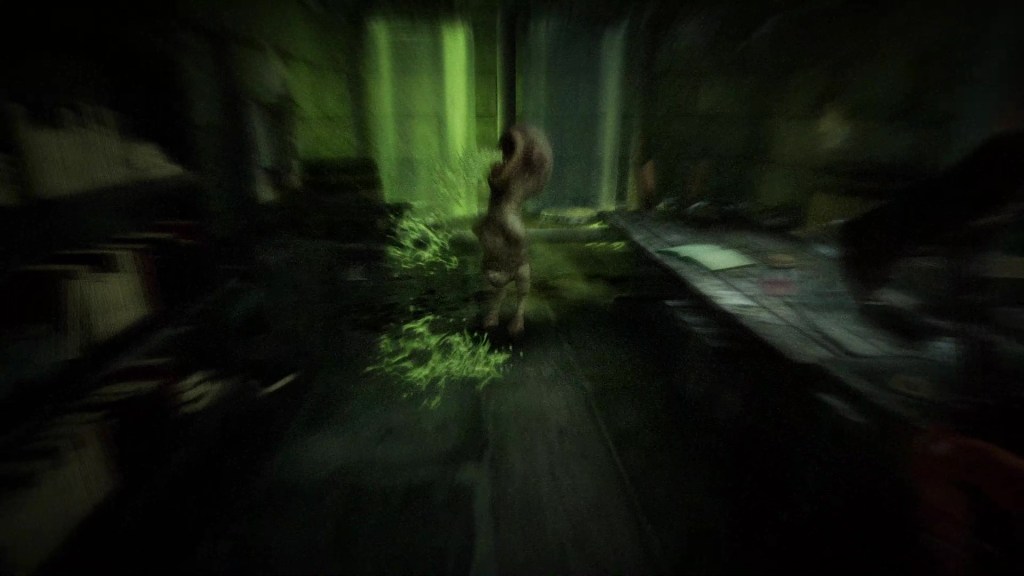
    Instead, exploration and puzzling, sometimes while avoiding unique threats, are the highlights of Caput Mortum. Every level below the tower presents you with a new puzzle blocking your path, often requiring multiple steps, and slowly increasing in complexity the deeper you go. Small levels with a simple two-part key hunt give way to clue hunts, pattern-based puzzles, and alchemical formulas needed to create compounds and explosives. An early encounter with a curious homunculus has you using the hand controls to match gestures to avoid attacks, while a later encounter has you navigating dark drainage tunnels by flaming torch, pursued by a charred and deranged stalker.

    Caput Mortum’s brisk pacing also benefits the gameplay loop. Each level introduces a new puzzle variant or threat, and no stalker-style sequence lasts long enough to frustrate you. There are some anachronistic elements that don’t hold up – like having to swap between a free hand and weapon, or anytime extensive hand gestures are required reveal clues and solve puzzles – but as puzzle and encounter designs are rarely repeated, these issues never stuck in my mind. It’s also worth noting that while game warns you that it only saves once you enter a new level of the tower, there were autosaves after solving major puzzles and before entering dangerous areas.

    Wrapping up, Caput Mortum is both exactly what it markets itself as, and it serves an example of what indie games excel at: providing a compact but no less satisfying experience that provide the same thrills as their AA or AAA peers – just without the bloated playtimes that have come to blight that sector of industry. I played through and enjoyed it over two sessions; I’ve started a second run to unlock the alternate ending; and, when I’m done, I’ll have that increasingly rare sensation of finality that so much of the video game industry seems desperate to avoid giving me.

    Pros:

    • A compelling decent into madness told through notes and environmental storytelling
    • Simple but satisfying puzzle and encounter designs that rarely repeat
    • Retro-inspired presentation that generates an unsettling atmosphere
    • The brisk runtime benefits both the narrative and gameplay loop

    Cons:

    • Some puzzles require more elaborate hand gestures that are tedious when using a controller

    Score: 9/10

    Caput Mortum was reviewed on PC using a code provided to gameblur by the publisher.