Category: Reviews

  • Review: City Hunter (Nintendo Switch)

    Review: City Hunter (Nintendo Switch)

    My introduction to Ryo Saeba’s adventures came not through Tsukasa Hojo’s original City Hunter manga or the anime series or even the movies, but rather through the 1993 Jackie Chan City Hunter live-action adaptation. A movie a I absolutely adore. So much so that it’s my second favourite Jackie Chan movie. It was that adaptation that got me to delve deeper into the previous adventures of the lecherous private investigator and his underground City Hunter business.

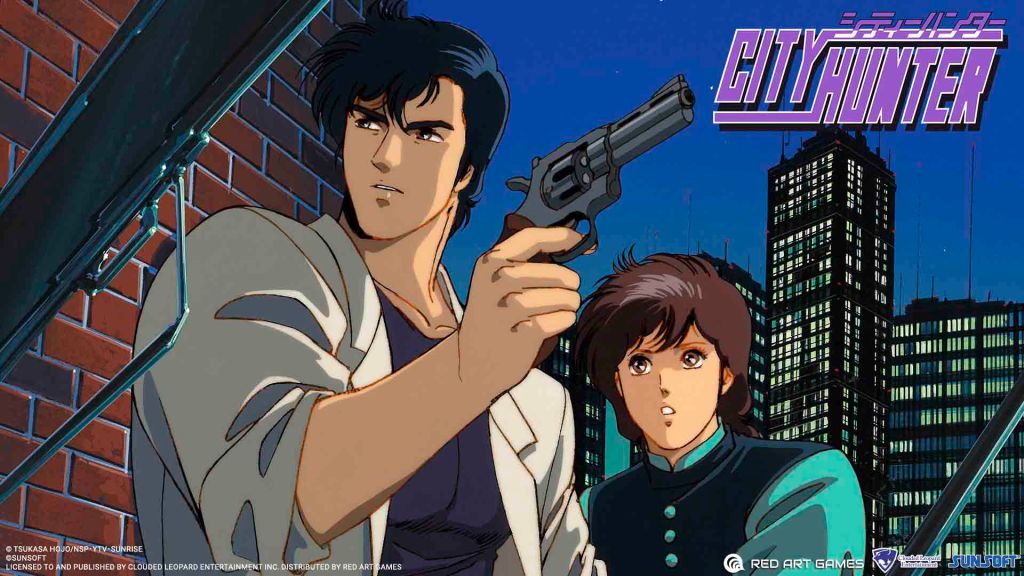
    Now, after thirty-five years, the only official licensed game of the classic manga – not counting Ryo’s appearance in other crossover games – has been brought back to modern consoles and PCs with a somewhat slightly remastered version courtesy of Red Art Games and the original developers SUNSOFT. This also marks the games official debut outside of Japan.
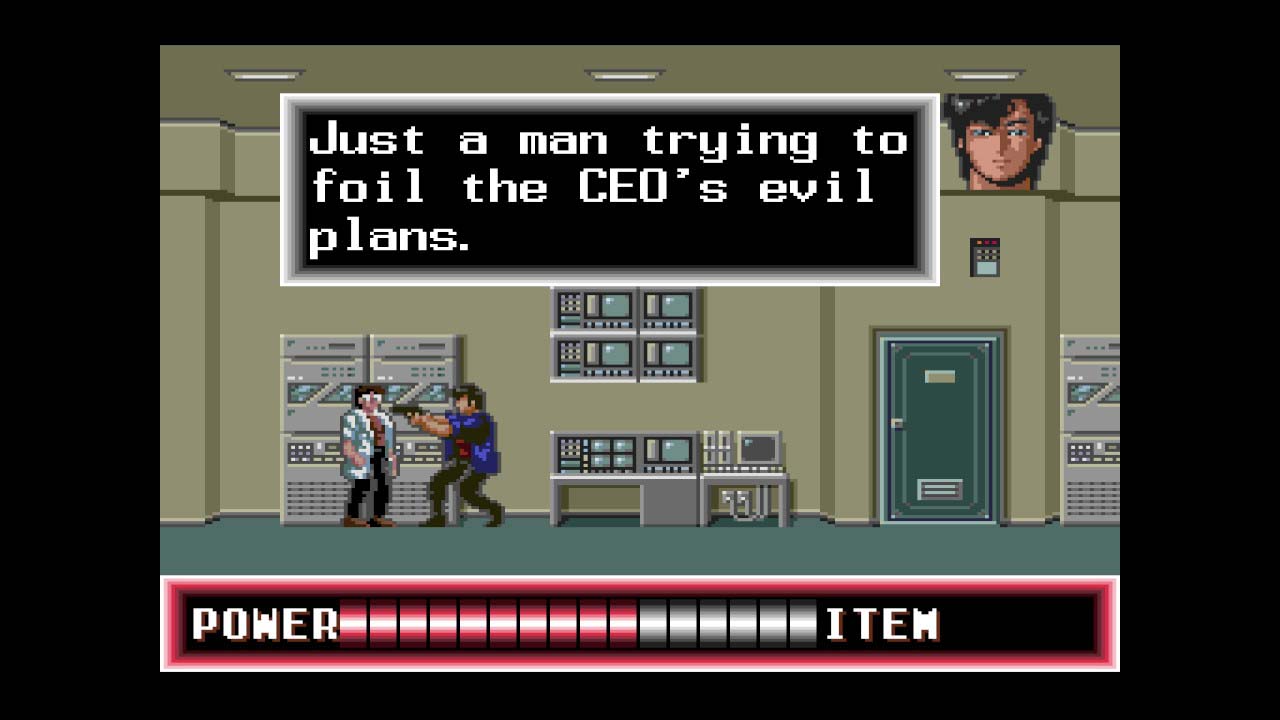
    Originally released in 1990 for the PC Engine – or the TurboGrafx-16 in the US – City Hunter is a mostly traditional side-scrolling action game. It’s highly reminiscent of Taito’s Elevator Action, Ocean Software and Eurocom’s Lethal Weapon, and just about any other retro side-scroller. You run to the left and right of the screen, shooting endless enemy spawns as they come towards you from off-screen while trying to complete your objectives.

    Across the three missions the game has for you, you’ll find yourself running and gunning through office hallways, warehouses, labs, and industrial areas. Each of the levels are full of doors leading to other areas or to empty rooms and there’s a lot of back and forth between sections. To the developer’s credit, they’ve tried to add some depth to the game by implementing NPC’s that either update your objectives, heal you, or give you a new weapon. This does change the missions into a bit of a run around as you hunt down someone or something to get that next keycard but that does very little to mix up the base gameplay of shooting the ever-loving snot out of anything that happens to wander on-screen.
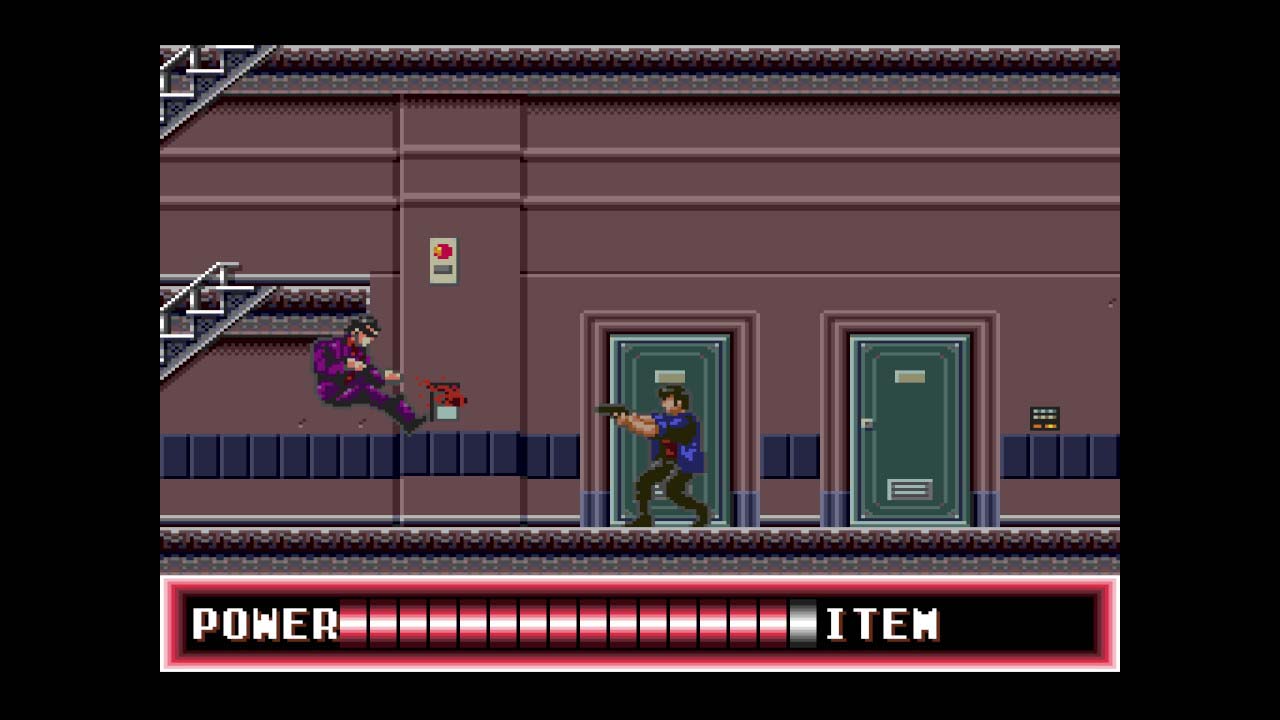
    Like most retro games, City Hunter is very much a product of its time. And of licensed titles of the time as well. Which is to say that while the action is fun enough for the short time it will take you to blast through this – in a perfunctory sort of way – there just isn’t enough done with the City Hunter license to make it stand out from the rest of the crowd. Sure, Ryo can get health back in the presence of a scantily clad woman, and the anime’s iconic closing theme is here for the opening, but the bulk of what makes City Hunter City Hunter simply isn’t here – specifically the jokes.

    This version of City Hunter is less of a remake or remaster as much as it is a straight-forward port of a thirty-five-year-old game. Which is nothing to be disappointed with where preservation and saving obscure retro titles is concerned, but it could have done with much more love than what few features have been added that are now standard for retro title remasters. It also comes with all of the original’s problems too. From flickering sprites to unfair enemy spawns that always result in cheap hits (specifically when you’re exiting a room), to lacklustre background art design that makes each mission look identical, this really is the same game it’s always been.
    What’s new to this revival version spans the gamut of what is now mandatory for the preservation of old games.

    Visually, the game supports CRT filters and multiple aspect ratios, specifically 4/3, widescreen, pixel perfect, and native resolution. The visuals themselves look exactly the same as the original games, featuring some nice 2D animations – though they might be a tad cleaner than the original release.

    There are three flavours of gameplay: original, enhanced, and hard. Original speaks for itself and it’s the game as it was back in 1990. The Enhanced version is meant to have refined enemy behaviour, more responsive controls, and improved gameplay but for the life of me, I couldn’t pick up any major differences between this mode and the original. Hard is, as it implies, stronger enemies and a higher difficulty which should suite those wanting get every ounce they can out of the game when tackling a new scenario.

    As is now super popular across retro game compilations, there’s a nifty Rewind feature that let’s you undo your mistakes. Sadly, it doesn’t do anything to nullify those cheap hits from enemies that spawn right outside a door that you’re exiting. You can also save and load your progress at anytime which is really great when you need a breather and is vastly superior to the original password continue system.
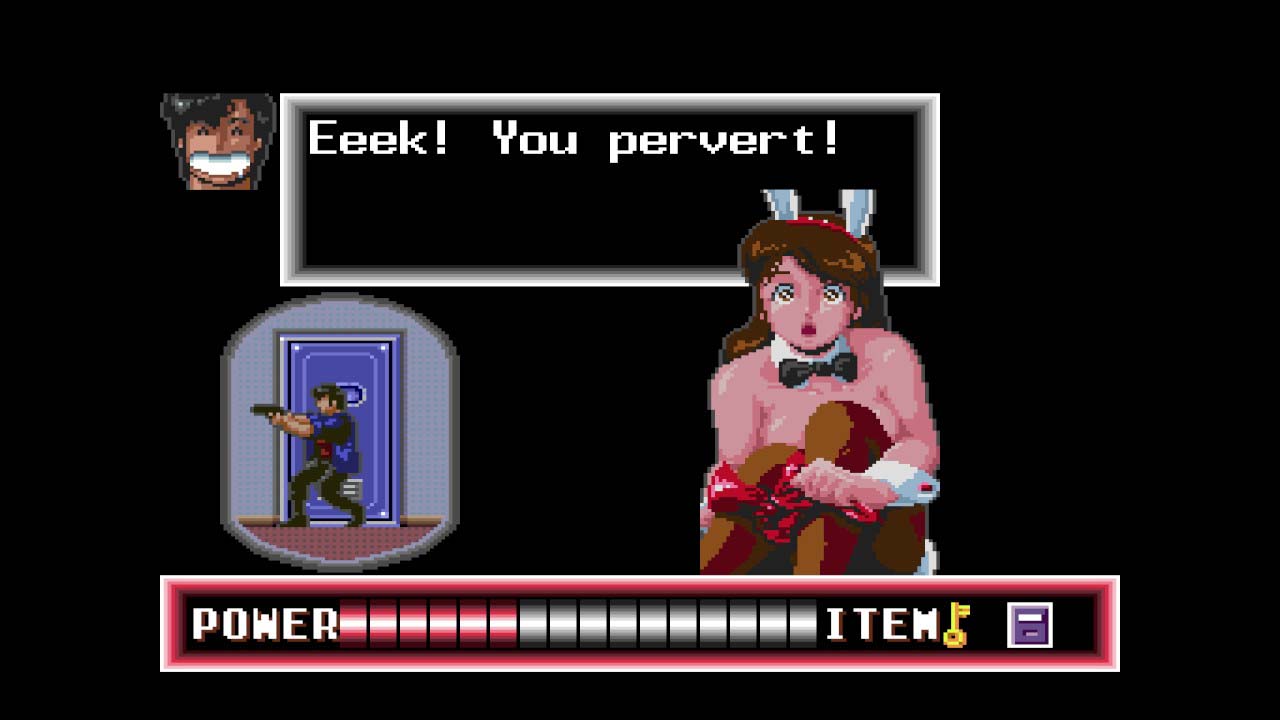
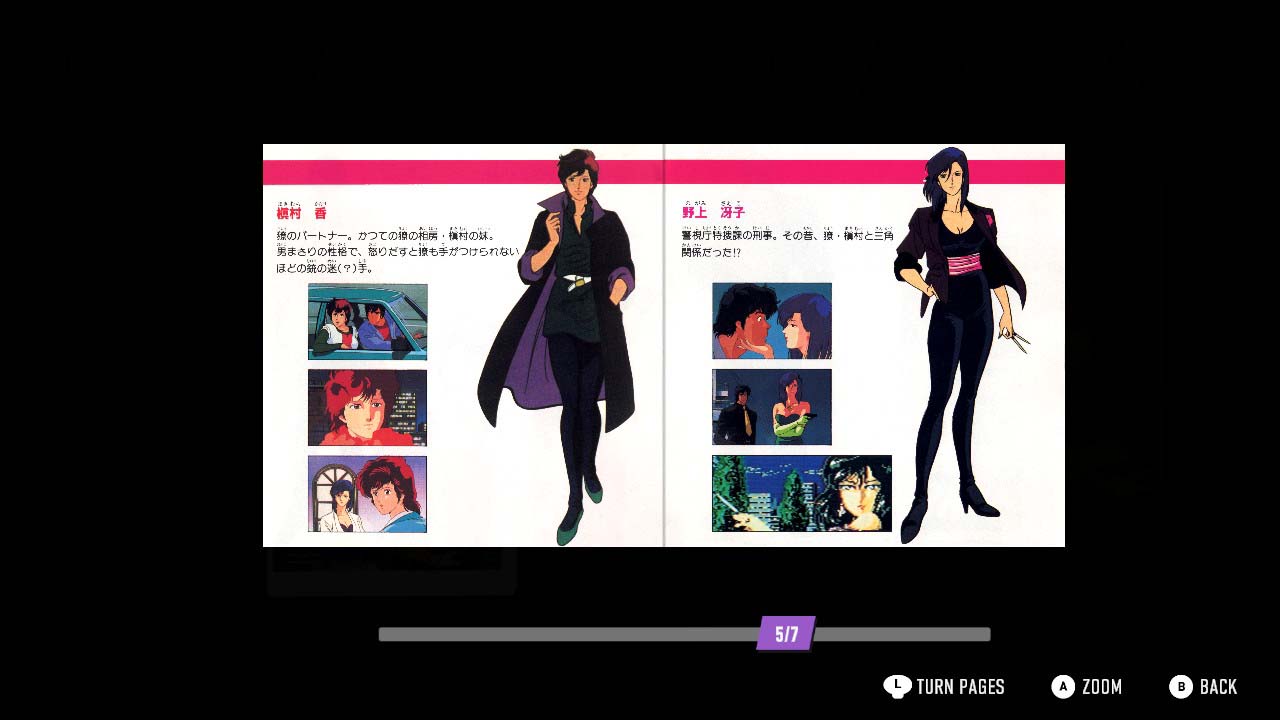
    Finally, there’s my favourite feature of any retro title: the Gallery. While not as robust as I would have liked, City Hunter’s Gallery lets you take a look at key artwork, anime stills, the original games CD Box and inlays and, finally, listen to all of the music.

    When compared to a lot of the recent retro collections, City Hunter is a little on the anemic side. It’s not the longest retro title and hasn’t aged all that well in the gameplay department, but that doesn’t mean it isn’t an appreciated effort in making sure that another relatively obscure game doesn’t disappear into the annals of gaming history. As such, it’s a game that hardcore retro collectors and fans of the original game, manga, or anime will get the most out of.

    Pros:

    • City Hunter finally receives a worldwide release
    • The crisp animations still hold up
    • The anime’s closing musical track is included

    Cons:

    • A slightly barebones retro release
    • Repetitive stage design
    • Design bugs lead to cheap hits

    Score: 6/10

    City Hunter was reviewed on Nintendo Switch 1/2 using a code provided by the publisher. It is also available on PS5 and PC.
  • Review: The Prisoning: Fletcher’s Quest (Nintendo Switch)

    Review: The Prisoning: Fletcher’s Quest (Nintendo Switch)

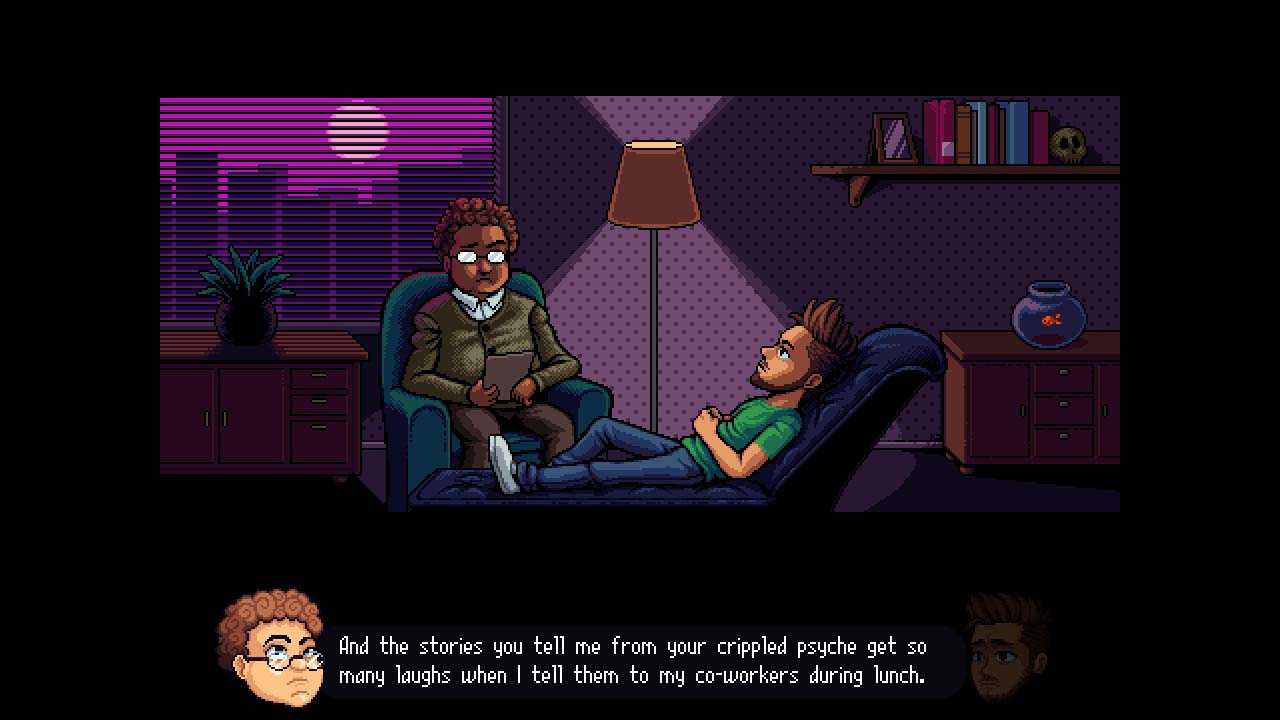
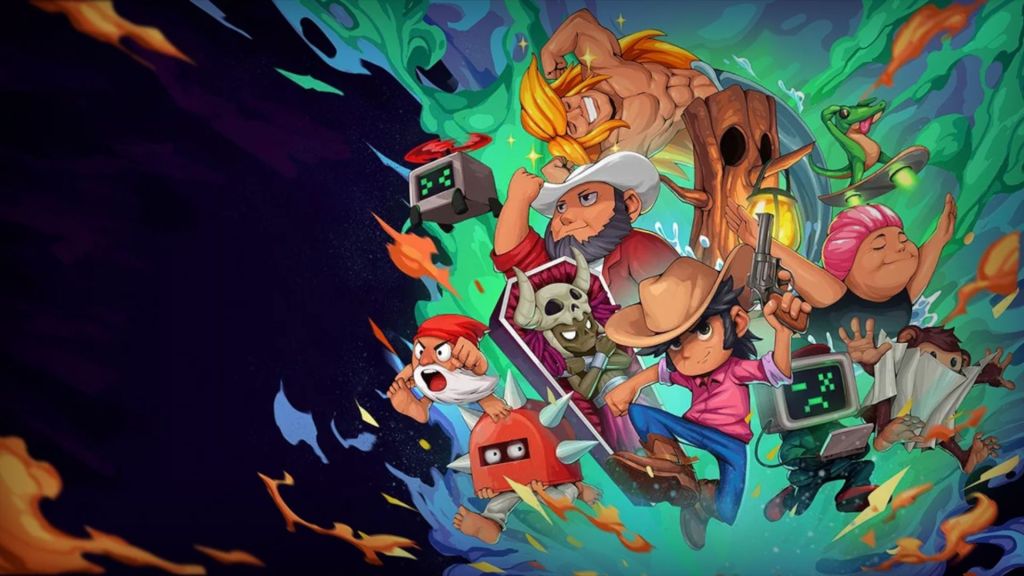
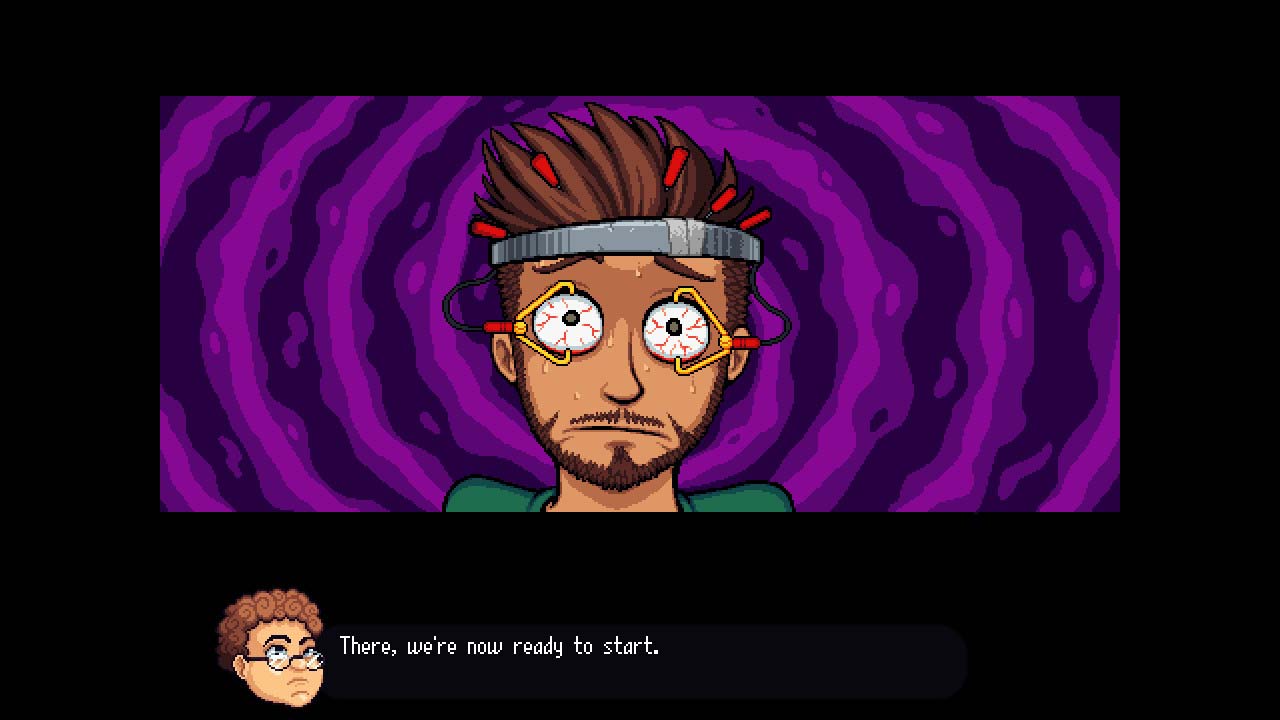
    The mind, as they say, is a terrible thing to waste. Even more so if you’re the creative type. And that’s the problem facing Fletcher, a burned-out game developer who needs to reignite that creative spark. When a hypnotherapy session goes wrong, Fletcher’s world goes full meta as he finds himself trapped within the labyrinth of his own mind and his current creation. The only way out is to spelunk through the job that has bled into his subconscious and defeat the demons within holding him prisoner.

    As such, Fletcher’s quest puts you in the shoes of a game developer who has to reckon with his own profession by living through what he’s designed. And in this case, it’s a 2D platforming title with vague hints of Metroidvania-ness at its core. As is developer Elden Pixels go-to through the course of their career, The Prisoning: Fletcher’s Quest is a retro-inspired platformer that could have easily stepped out of the past with its, initially, challenging design.

    Fletcher’s story is full of bizarre, fourth-wall breaking humour that intends to poke fun at the game design process. Quirks, bugs, poor design, it’s all fodder for the developers to use to elicit a smile through this surreal adventure. Not all of the humour lands, but when it does, it’s a nice slice of grin-worthy meta-commentary. But the humour is even better when those poor design choices are thrown at you as obstacles to be overcome. Be warned though, there’s some serious adult language and jokes on display here, from pixellated nudity to Samuel L. Jackson level of profanity bombs. If you’re thinking of handing this one over to the kids, you may want to reign that horse in for a bit.

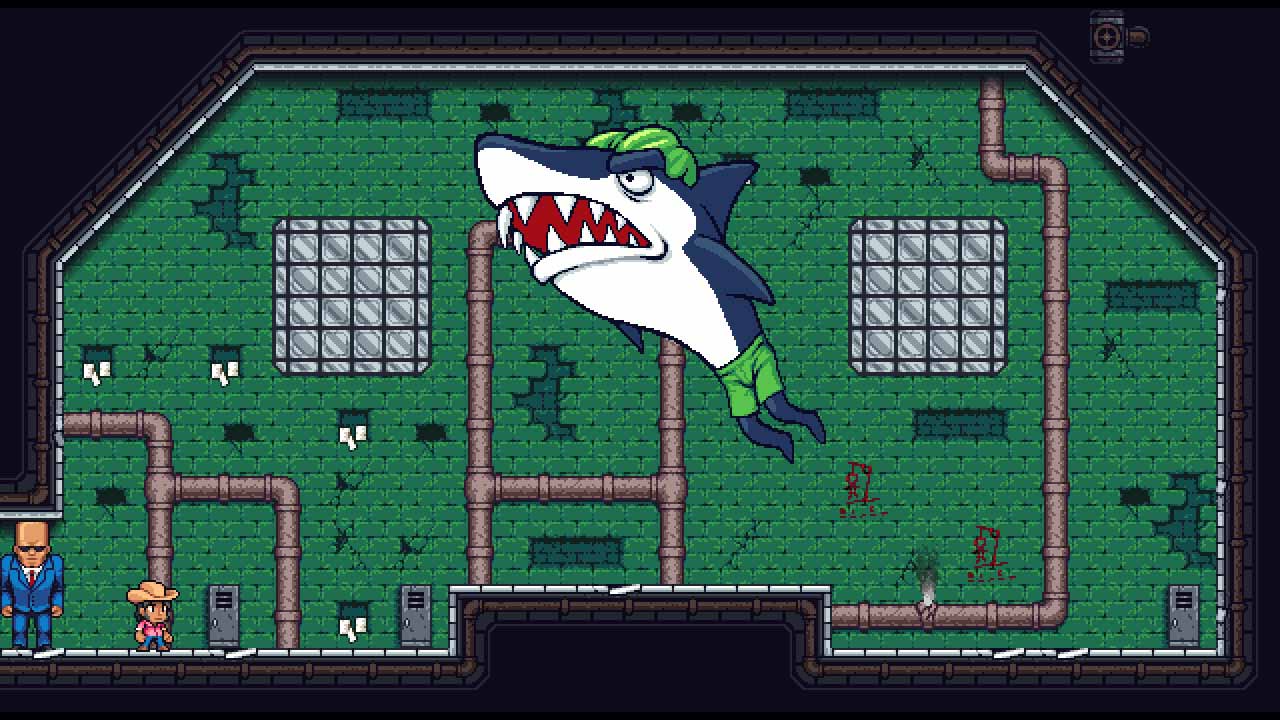
    Visually, The Prisoning: Fletcher’s Quest is a bright and almost cheerfully colourful game, despite the adult subject matter. The game uses a lovely looking pixel art style that is both charming and wonderfully animated from the characters to the backgrounds. Between the character and enemy designs and the stage design, it very much resembles bright, colourful, children’s cartoons from the days of yore. There are wonderful little details scattered across the place, from the squinty eyes that peak out of boxes until you get close to them, to the lovely boss designs such as a giant surfboarding shark with colour changing trunks.

    The games audio is no slouch either. Sound effects are great, but it’s the games soundtrack that comes in kicking with a pop cowboy/Western themed tune that will worm its way into your ear long after you’ve stopped playing. The boss music is really great though and represent the best tunes in the game.

    The gameplay is where The Prisoning: Fletcher’s Quest will, most likely, polarise many gamers. It is, initially, quite tough and a bit on the unbalanced side.

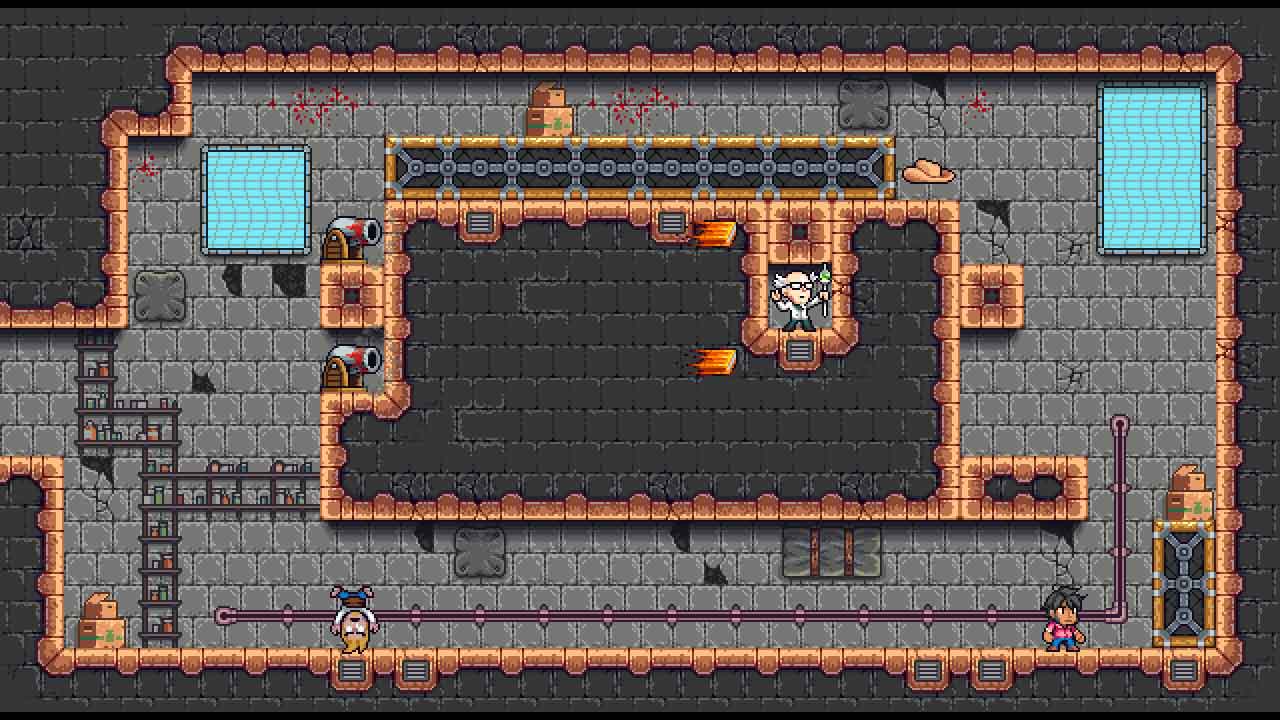
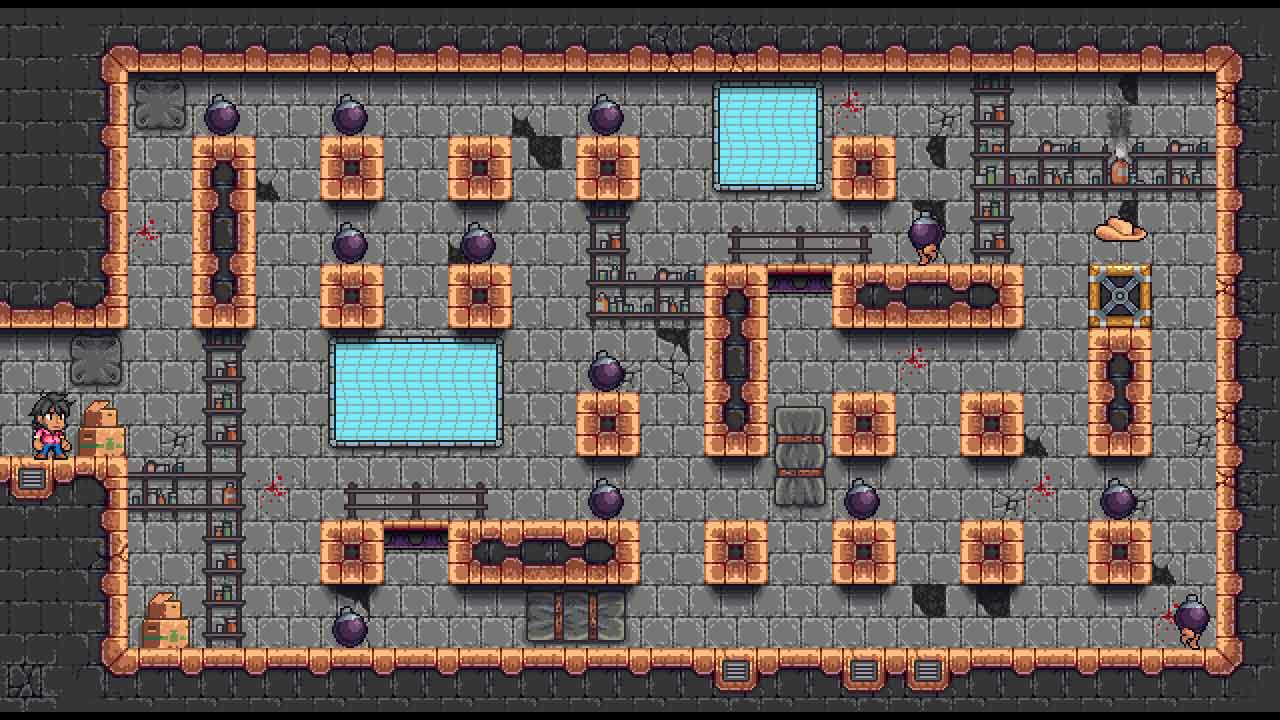
    Progression through the game uses some Metroidvania design, with a world map and layout that’s evocative of so many games in the genre and areas blocked off until you gain new abilities by beating a boss. But that’s as far as the Metroidvania impact goes as the game is broken up into small, self-contained challenge rooms that are a mixture of platforming, combat and timing to get through. Each room is like a little mini-puzzle in survival that requires fast reflexes along with the patience required to work out the patterns in enemy movement and attacks while making sure you don’t get skewered by the many sharp environmental objects, like tacks, that are littering the world.

    Adding onto the game’s difficulty is the use of light procedural generation. Now while the overall map shape remains the same and certain specific rooms and gauntlets remain in place, the bulk of the room layouts will differ both between new runs and, even, reloads. While procedural generation is supposed to give you the feel of a new run each time, it’s not long before you’ll see rooms repeating, even if they’re not in the same place you originally encountered them.

    It’s that procedural generation though that really throws the games difficulty all over the place. The randomisation means that you’re just as likely to run through one, long series of frustrating rooms to reach the next save point as much as a whole bunch of easy ones. Worse yet, are the areas where you’re hitting a weird combination of hard and easy rooms that completely destroys any sense of finely-tuned difficulty progression. Stepping out from a save room could land you in a really hard room, followed up by two easy rooms and then three hard or so. I’m sure you get the point by now. Now while this keeps you on your toes, and you have to be because you can only take two hits before dying, it does the game no favours early on and set me up with a sense of increasing frustration by the time I hit the first boss.

    Here’s the thing though. There’s a point, right after that first boss actually, that The Prisoning: Fletcher’s Quest just clicked for me. Perhaps it was earning the double jump which made navigating the rooms faster and with a little more finesse that did it. Or getting a second bullet so you could fire two shots at once instead of just one and waiting till you’re bullet either hit something or disappeared off-screen before you could fire another. Either way, this is when the game really came alive for me and, dare I say it, became a whole lot more fun.

    Sure, the procedural generation and its difficulty skewing dynamic sticks around. And yeah, the multi-phase boss fights can be a bit much, but somehow, this is when it just starts feeling right. There’s a sense of finding your groove once you understand the mechanics at play that makes even the umpteenth death just another learning experience. And believe me, I died quite a bit.

    If it’s all still a bit much, there is an assist mode available. There’s no description in-game on what this does, but it appears to me that with it enabled, when you die, instead of respawning at the last save point, you respawn at the entrance of the room you died in. Super useful for sure, even though save rooms are liberally placed across the map and you can warp from one save room to another. This just streamlines moving forward and not having to hassle with reaching where you died when the last place you saved at was five rooms ago.

    If you can overlook the procedural generation and its issues and get on board with a truly ancient slice of game design, The Prisoning: Fletcher’s Quest is a lovely looking and fun old-school, arcade platformer with a humourous narrative that just needed a little bit more fine-tuning to reach greatness.

    Pros:

    • Nice, colourful pixel art style
    • Good soundtrack
    • Fun gameplay once you get used to the mechanics
    • Memorable bosses

    Cons:

    • Procedural generation messes with the difficulty curve
    • Very frustrating initially

    Score: 7/10

    The Prisoning: Fletcher’s Quest was reviewed on Nintendo Switch 1/2 using a code provided by the publisher. It is also available on PC.
  • Review: The System Shock remake on Nintendo Switch 2 is an (almost) perfect way to explore Citadel Station on the go

    Review: The System Shock remake on Nintendo Switch 2 is an (almost) perfect way to explore Citadel Station on the go

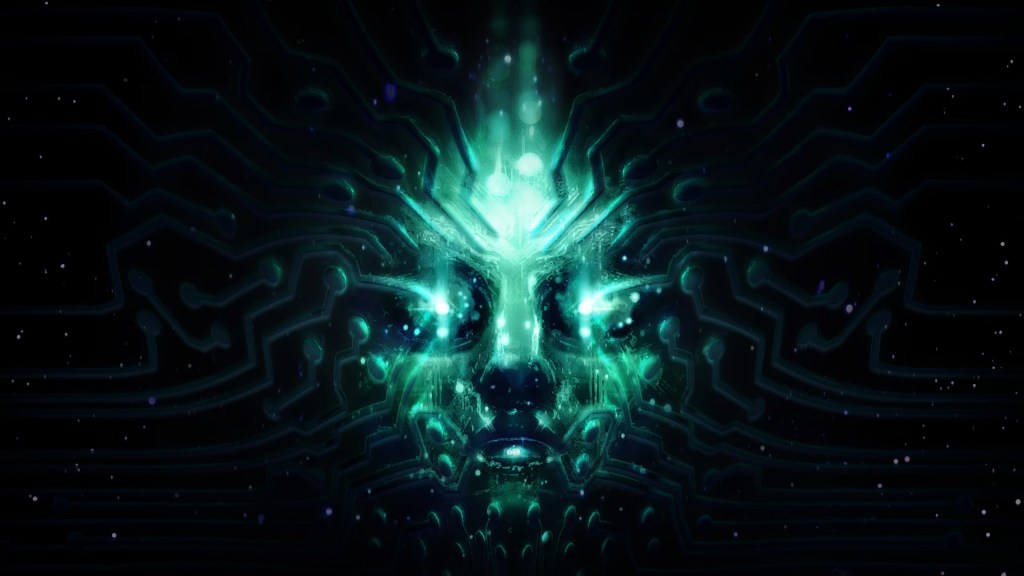
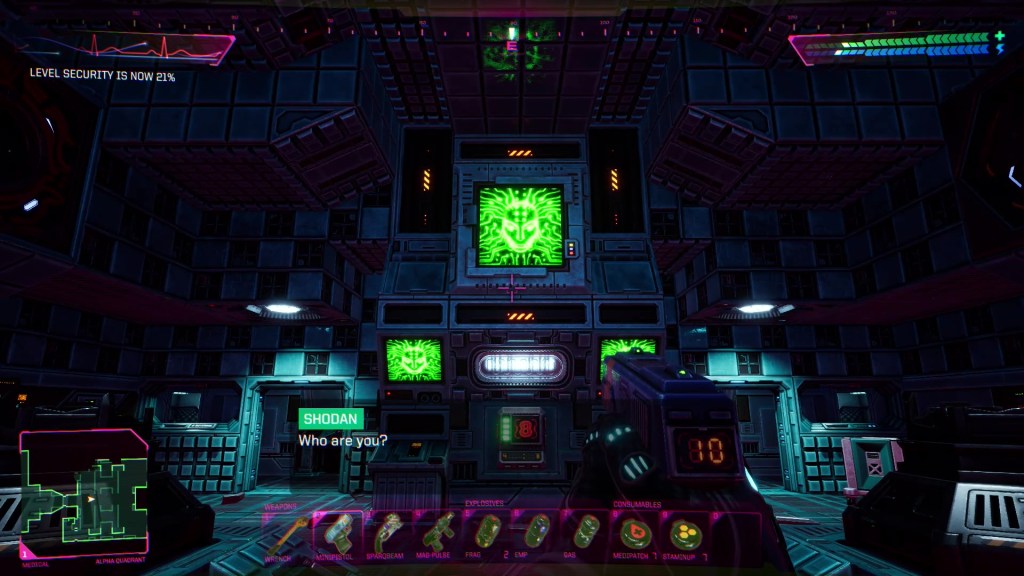
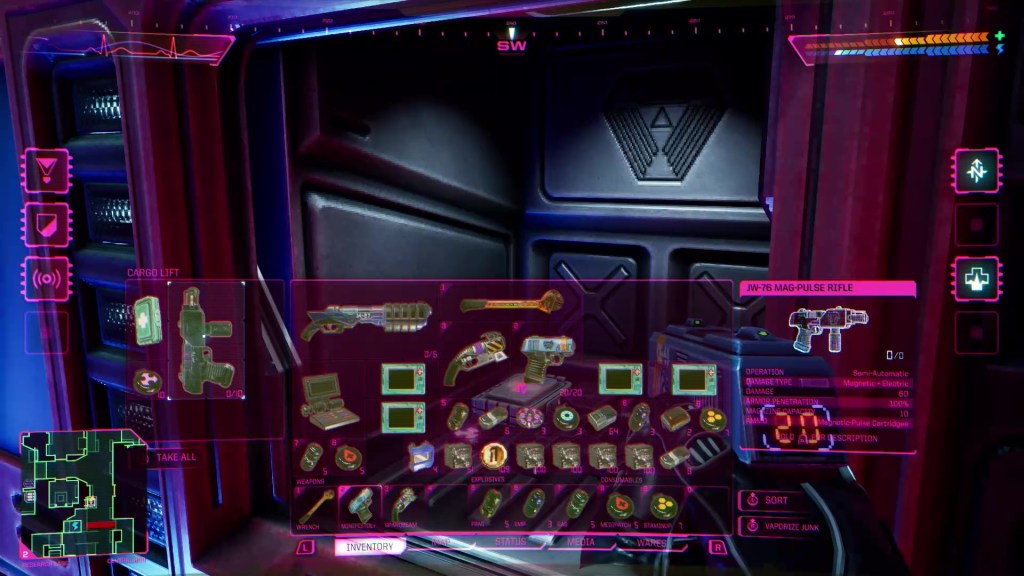
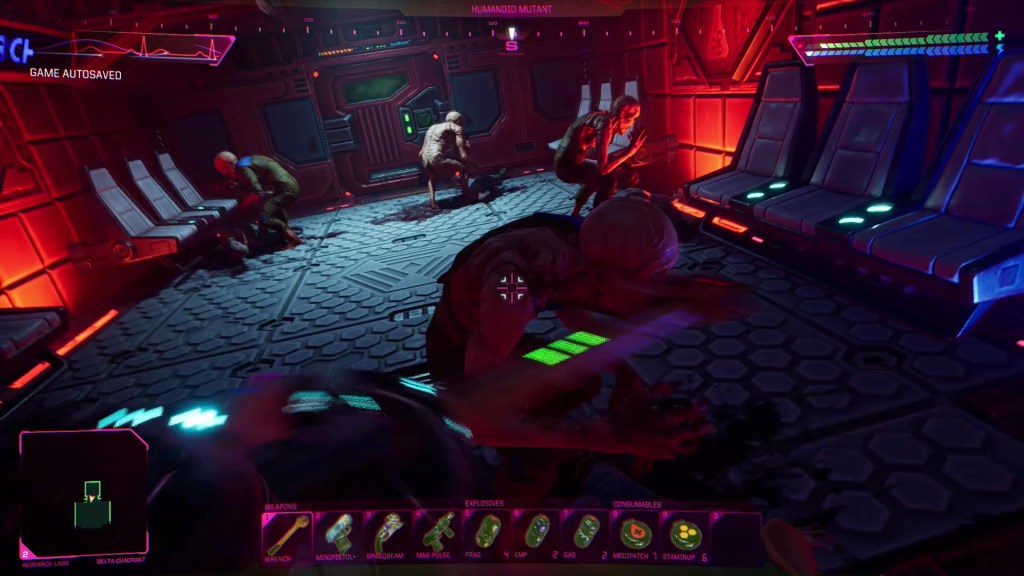
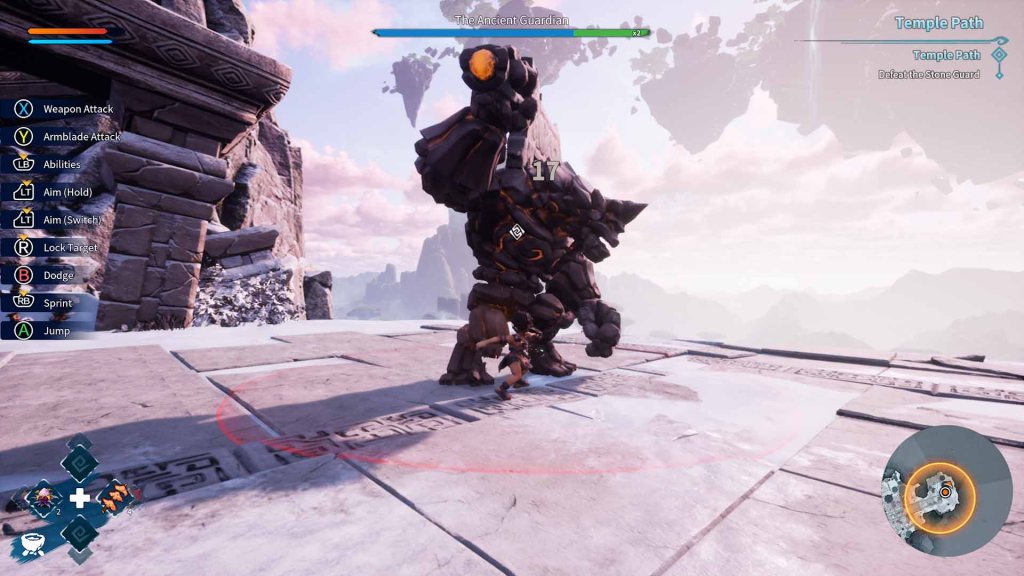
    For those thinking of picking up System Shock for the first time on Nintendo Switch 2, Nightdive Studios’ 2023 remake transforms an iconic but dated immersive sim into a first-person survival/shooter hybrid that doesn’t feel out of place alongside modern games. What started as an unwieldy point-and-click/FPS hybrid now plays as a more traditional FPS and it works well enough with a controller. Given combat is so prevalent the change makes sense, and the shooting feels solid; however, navigating menus, inventory management, and interacting with switches or items in the environment can be finicky.

    It is for this reason I would discourage anyone playing System Shock (2023) using a standard pair of Joy-Cons. Unless you’re a natural with gyro aiming, they feel far too imprecise in a game that offers no auto-aim assist that I can discern. That lack of precision can still frustrate when using a Pro controller, but the game plays smoothly enough (after patches) so that precision aiming and picking up objects in the environment is manageable. If you are stuck with a pair of Joy-Con 2s, you could try using one as a mouse on a lapboard or something serving the same purpose – though I could not find a sensitivity setting that ever felt as good as a proper PC mouse.  

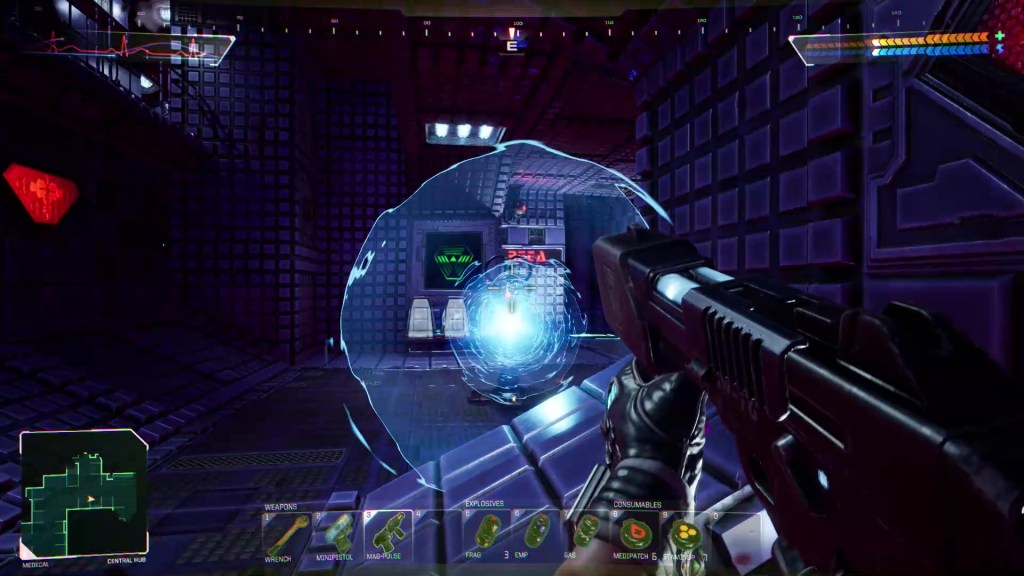
    I’m highlighting this caveat early as System Shock (2023) has survival elements with resource and inventory management. Precision aiming is essential for conserving limited ammunition and minimising the damage you take. It’s only during cyberspace sequences and the end-game – when you have your hands on powerful weapons, weapon mods, and upgraded player augmentations – that System Shock (2023) can be played as a run-and-gun FPS with less concern for accuracy.

    With a Pro controller and the Nintendo Switch 2 docked or propped up in tabletop mode, System Shock (2023) becomes every bit as compelling and immersive as on the other platforms – especially when you combine the stylised visuals with campy voice acting, creepy ambient audio, and an incredible synth-heavy soundtrack. It targets a high resolution with all visual features intact, and it sustains 60fps enough of the time that I rarely noticed any impact on responsiveness. It’s not perfect, however, and given the extensive post-processing effects and pixelation filter on objects near to the player, Nightdive Studios could drop the resolution further to focus on stable performance.

    Considering just the game and not the hardware you play it on, System Shock (2023) is essential for those who enjoy more action-oriented immersive sims like Eidos Montreal’s recent Deus Ex games, or Arkane Studios’ Dishonored series and Prey (2017). It has little interest in providing the typical frictionless, heavily-guide experience of most modern games – even if you set each difficulty sliders to the lowest value. Thorough exploration, reading and listening to notes, and then following clues to key items is a core part of the experience. Even on the lowest mission difficulty, the objective icon only gives you a direction of travel, but getting anywhere in the labyrinthine Citadel Station is still a challenge.

    System Shock (2023) is a game that rewards or punishes player agency as it should. If you explore cautiously, pick off isolated enemies, hack every door panel, hunt for secret stashes, and conserve resources, you’ll rarely be caught off guard; you’ll be able to minimise the effect of environmental hazards; and you’ll always have heavy firepower in reserve to trivialise a boss encounter or ambush. If you ignore your surroundings, charge into groups of enemies, and waste powerful ammunition, you’ll soon hit difficulty spikes that force you back to the last regeneration bay (or you’ll have to remember to make frequent manual saves).

    Despite the focus on player agency and freedom, the System Shock remake is still far more playable than its predecessor and closer in design to its well-regarded and equally influential sequel. There are mid-game requirements that might take you back and forth between levels of the station, but it opens up gradually and escalates smoothly towards the finale. For those who listen to audio logs, read notes, and pay attention to environmental details, it also has a wonderfully fleshed out setting and backstory you can piece together. If an audio log or note hints at an event, you can find evidence of it in the environment. Citadel Station provides a cohesive and believable sense of place despite the sci-fi trappings.

    Wrapping up, I have now explored the remade Citadel Station across four different platforms. After early teething problems that a patch mostly resolved, the Nintendo Switch 2 port is yet another option easy to recommend to fans of the immersive sim genre looking for a portable option (especially important when you consider how few im-sim options there are on Nintendo hardware). The only caveat is that my recommendation only applies if you have a Pro controller, as the standard Joy-Con experience is predictably awful and the Joy-Con 2 mouse option is not as responsive as it should be.

    Pros:

    • Yet another opportunity to play the excellent System Shock remake
    • It’s a rare immersive sim on Nintendo hardware
    • Great visuals, campy voice work, and synth-heavy soundtrack
    • Performance issues mostly resolved with post-launch patches

    Cons:

    • Nintendo Joy-Cons and first-person games are a terrible match
    • Those who need a guided experience beware

    Score: 8/10

    System Shock (2023) was reviewed on Nintendo Switch 2 using a code provided to gameblur by the publisher. It is also available on PC, Xbox One/Series S|X, PS4/5, and Nintendo Switch 1.

  • Review: Blood: Refreshed Supply on Switch offers a gore-soaked battle against the controls, cheap ambushes, and splash damage

    Review: Blood: Refreshed Supply on Switch offers a gore-soaked battle against the controls, cheap ambushes, and splash damage

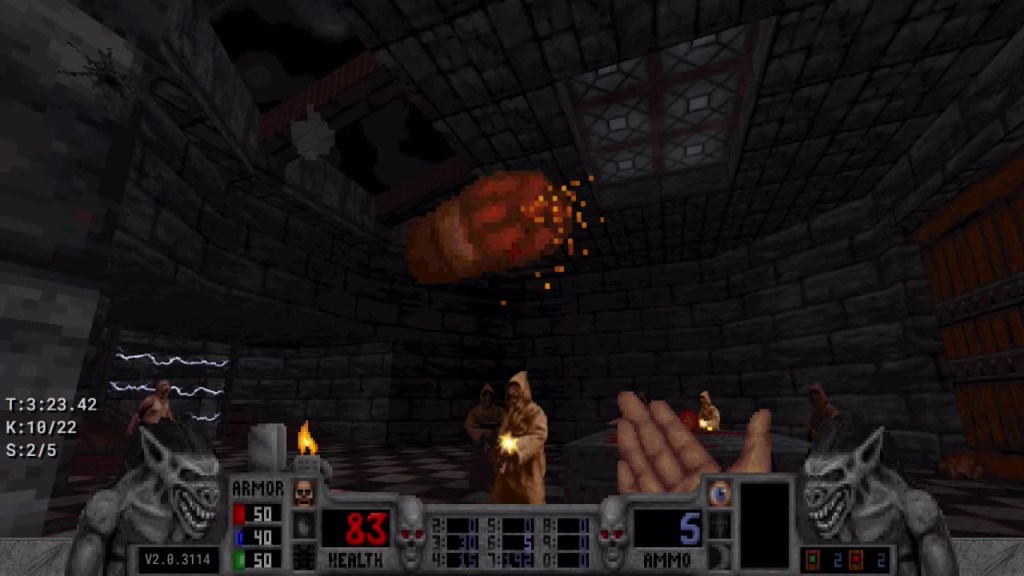
    Nightdive Studios have spent an incredible decade remastering classic ‘90s and early ’00s PC titles and releasing them on consoles too. The relative simplicity of early first-person shooters like Powerslave Exhumed and STRIFE: Veteran Edition lend themselves to controller support, with no true Y-axis and limited verticality. Remasters of true 3D titles, think Quake and Turok, typically benefit from a slick auto-aim implementation that makes you feel skilful while still clearly nudging your shots towards the target. In contrast, Blood: Refreshed Supply doesn’t gel very well with a controller – a problem that exacerbates other dated designs.

    Starting with the good, Blood: Refreshed Supply looks authentic yet wonderfully crisp on both Switch handheld screens and a 4K TV. It also runs great on both the Nintendo Switch 1 and 2. There are plenty of options to tweak the visuals, audio, and controls, and there’s more content in the form of two old expansion campaigns and a new one. It’s a comprehensive and content-rich remastering effort that preserves a game known for both its vocal, snarky protagonist Caleb, and the early introduction of several FPS mechanics that would become commonplace in time.  

    Unlike so many late ‘90s FPS, Blood put more effort into the storytelling beyond simple text-based interludes. A dated but no less entertaining intro video reveals Caleb and other former cult leaders were banished by a demon they once served. With no explanation given, it sets up a revenge story that kicks off with Caleb emerging from a tomb and uttering the iconic line, “I live… AGAIN!”. From that point on, you’re tackling traditional, sequential, classic FPS levels, but they include some unique lines between all the quips to better flesh out the setting and guide the player.

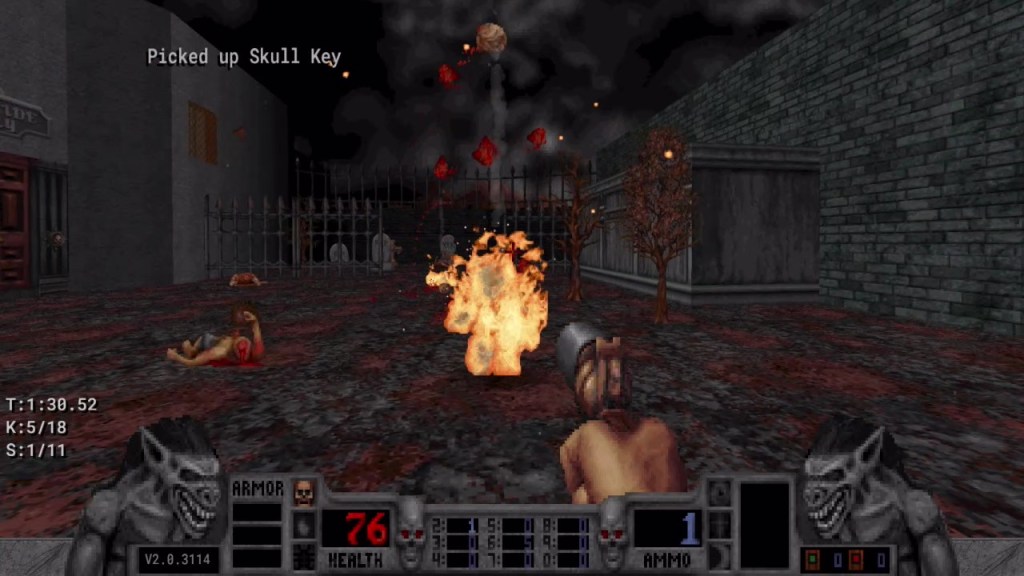
    As a result, Blood has more narrative glue holding together it’s diverse and loosely connected levels. However, it is first and foremost a classic FPS with 99% of the focus on level design, weapons, enemies to use them on, and a boss capping off each act. To its credit, and despite so many commonalities between FPS from that era, the gunplay feels fast and impactful thanks to destructible environments (where scripted, of course); the diverse arsenal; and a focus on over-the-top gore. Earlier games may have offered spectacular death animations for sprites, but Blood offered dismembered limbs and heads bouncing around, and uncomfortably funny burning deaths.

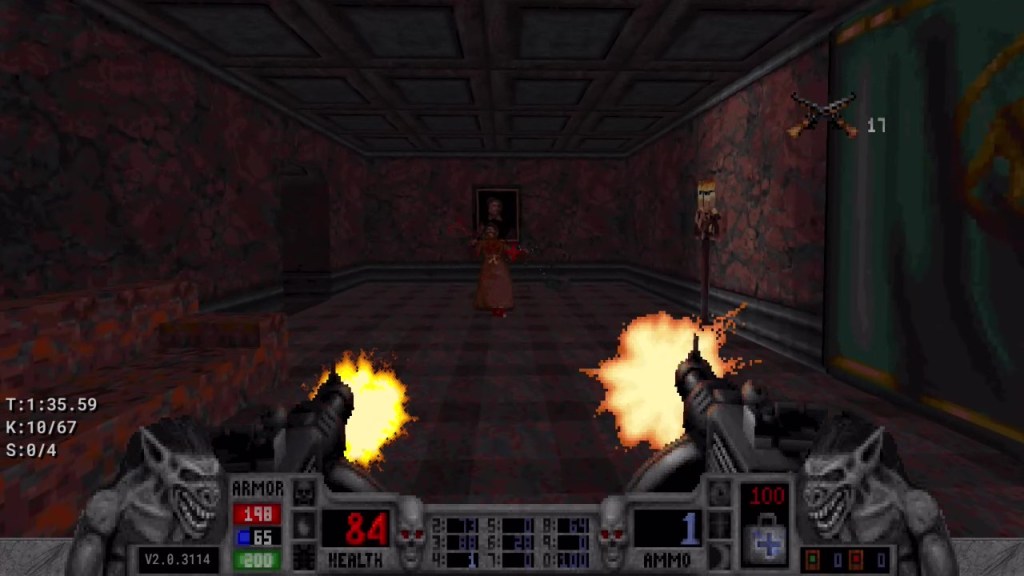
    From a pitchfork, flare gun, and classic double-barrelled shotgun, to an aerosol can and lighter combo, Tesla Cannon, and voodoo doll, Blood: Refreshed Supply offers an entertaining toolset to dispose of the cultists, undead, and demons that impede Caleb’s pursuit of his former master. Better still, most weapons offer an alternate fire mode that gives them greater versatility (on top of the usual FPS pick-ups like temporary mega-health, invisibility, and dual-wielding). The double-barrel shotgun offers the now-ubiquitous one or two-barrel blast, while the Tesla Cannon’s alternate fire chews through ammo to create a BFG-like projectile. Dynamite – which I’ll return to shortly – can be flung to explode on impact or bounced around corners with a timed fuse.

    A great arsenal, a diverse roster of enemies, and a ton of gore – what could go wrong? With a mouse, keyboard, and easy-to-reach quick-save and quick-load keys, not much. On either Nintendo Switch console, regardless of whether you’re using a pro controller or the latest iteration of crappy Joy-Cons, the experience is far less fun and fluid. There is clearly auto-aim of some form, but it can’t compensate for twitchy and imprecise controller inputs that make it far too easy to miss targets in an FPS that can be surprisingly stingy when it comes to ammunition and healing items.

    It’s not just the controls though. No matter how hard I tried tweaking the sensitivity and using gyro-aiming, Blood: Refreshed Supply still hails from an era that relished in labyrinthine levels, packed with keys, secrets, and monster ambushes. Exploration and secret-hunting are a highlight, but this means a lot of the time you’ll be trying to react to enemies that suddenly appear all around you; often a mix of melee rushers and ranged enemies that can shred your health bar quickly (even on the lower difficulties). You might think weapon alternate fire modes and area-of-effect explosives could see you through… but that brings me to another criticism.

    Blood: Refreshed Supply has brutal splash damage irrespective of the source – environmental hazards, enemy attacks, or Calab’s arsenal. When you combine splash damage with cheap ambushes, just as many of my deaths were self-inflicted as a dynamite bundle bounced back at me or hit an enemy that in front of me that appeared as I was tossing it. If you’re someone who dislikes the concept of save-scrumming to optimise every encounter, Blood: Refreshed Supply will brutalise you into compliance.

    Wrapping up, Blood: Refreshed Supply is another great Nightdive Studios remaster, with an unusual setting, dark humour, and satisfyingly gory gunplay. It is, however, cheap when it comes to enemy placement and unforgiving when it comes to splash damage. If you’re a PC player and no stranger to hammering quick-save/quick-load to get through classic FPS, it is easy enough to recommend. On console, however, it might be worth waiting for a few patches to tweak the auto-aim as the imprecise controls can turn challenge into frustration.

    Pros:

    • An unusual setting, dark humour, and snarky protagonist
    • A diverse arsenal and satisfyingly gory gunplay
    • Labyrinthine levels will satisfy those who love exploration and secret-hunting
    • Smart visual enhancements without impacting authenticity

    Cons:

    • A fondness for cheap ambushes that encourage save-scumming
    • Twitchy controller aiming and brutal splash damage are a recipe for self-inflicted deaths

    Score: 7/10

    Blood: Refreshed Supply was reviewed on Nintendo Switch 1/2 using a code provided by the publisher. It is also available on PC, Xbox One/Series S|X, and PS4/PS5.

  • Review: Outlaws + Handful of Missions: Remaster (Nintendo Switch)

    Review: Outlaws + Handful of Missions: Remaster (Nintendo Switch)

    There has to be a point where, when considering the work done by Nightdive Studios in remastering, we should immediately acknowledge the stunning work the company is doing in updating and preserving classic games – some of which were considered lost to time – and making them playable for modern machines. Using their custom KEX Engine, they haven’t just made the games playable on modern hardware, but updated them as well with better visuals, quality of life changes, behind the scenes extras – if those production goodies are still available – and even going as far as creating new expansions, in conjunction with other developers, for certain games. Their track record is nothing short of… wait for it… legendary.

    Not ones to rest on their laurels, Nightdive are constantly jumping into forgotten gaming libraries and pulling out gems to work on; usually multiple titles at a time. Right now, we’re going to focus on one of their latest efforts: the Outlaws + Handful of Missions: Remaster.

    Outlaws might be one of those games you have heard of. Lord knows it’s flown well under my radar for many years, even though it has an illustrious pedigree behind it.

    And that pedigree? None other than LucasArts themselves.

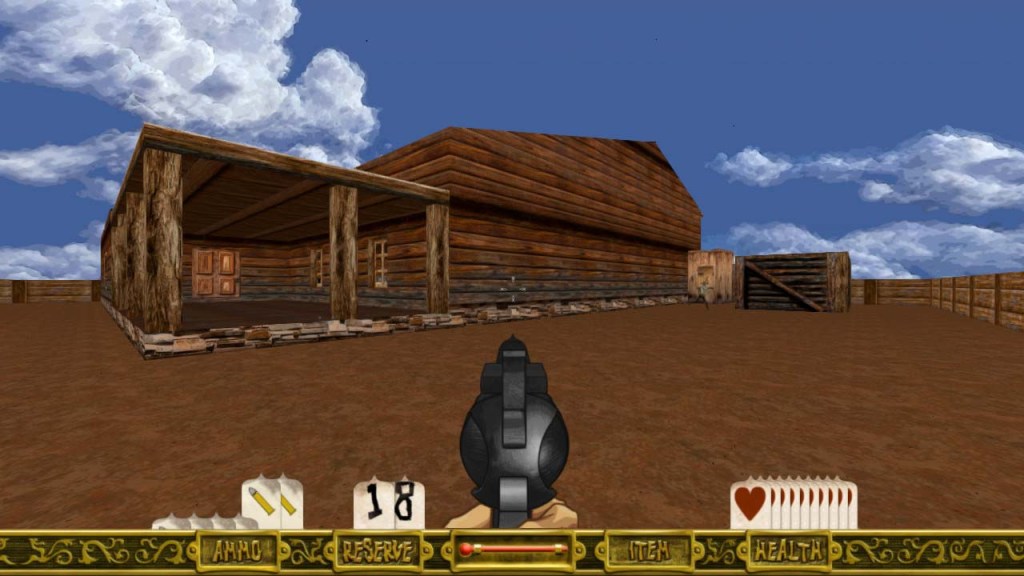
    While most will remember LucasArts for their classic point-and-click adventure games and numerous Star Wars titles (with the enduring legacy of Monkey Island still going strong), but their FPS legacy didn’t begin and end with Star Wars: Dark Forces. Two years after LucasArts gave us one of the best Star War FPS’s, they used the same engine to power a nostalgic trip into the Wild West with Outlaws.

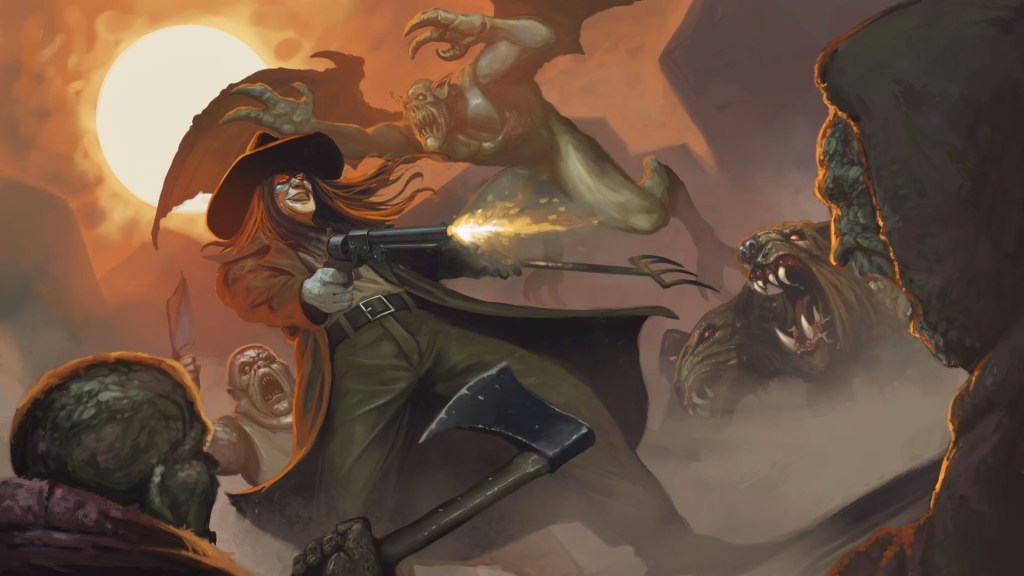
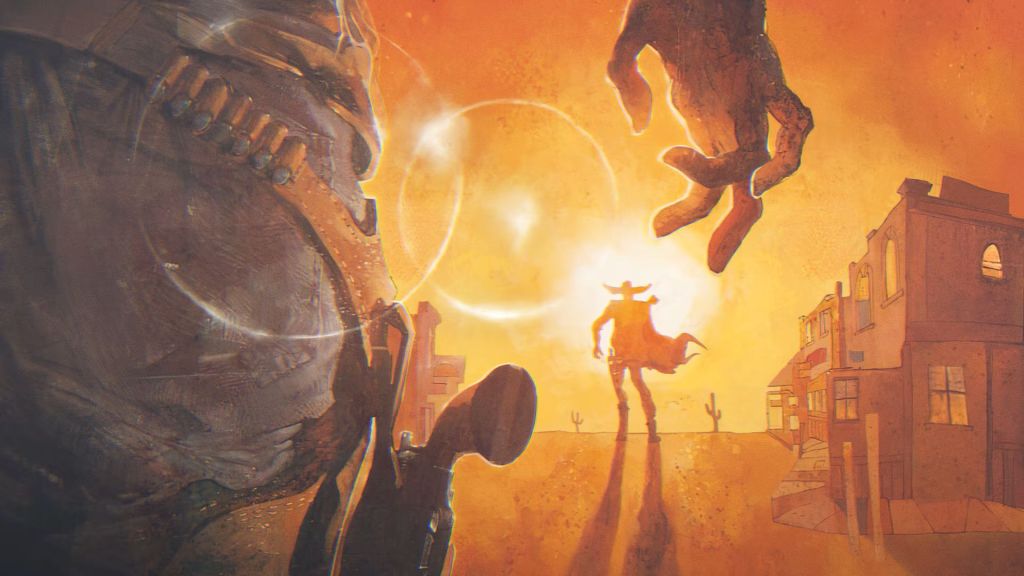
    Heavily inspired by Westerns, particularly of the Spaghetti kind, Outlaws was a surprisingly narrative heavy FPS that took us through Frontier towns and tumbleweed-filled gulches across a lawless land of bandits and land barons. A year later, the free expansion, Handful of Missions, was released to further extend our stay in the lawless frontier. Although Outlaws wasn’t a major commercial success, it managed to gain a cult following as well, along with community-created level packs, and is regarded as the first game to introduce a sniper zoom on weapons and reload animations.

    Like most Westerns, this is a story about revenge. When retired Marshall James Anderson’s wife is killed and his daughter kidnapped by the minions of a ruthless land baron, the good Marshall sets out to get his daughter back and deliver frontier justice to the men that took her.

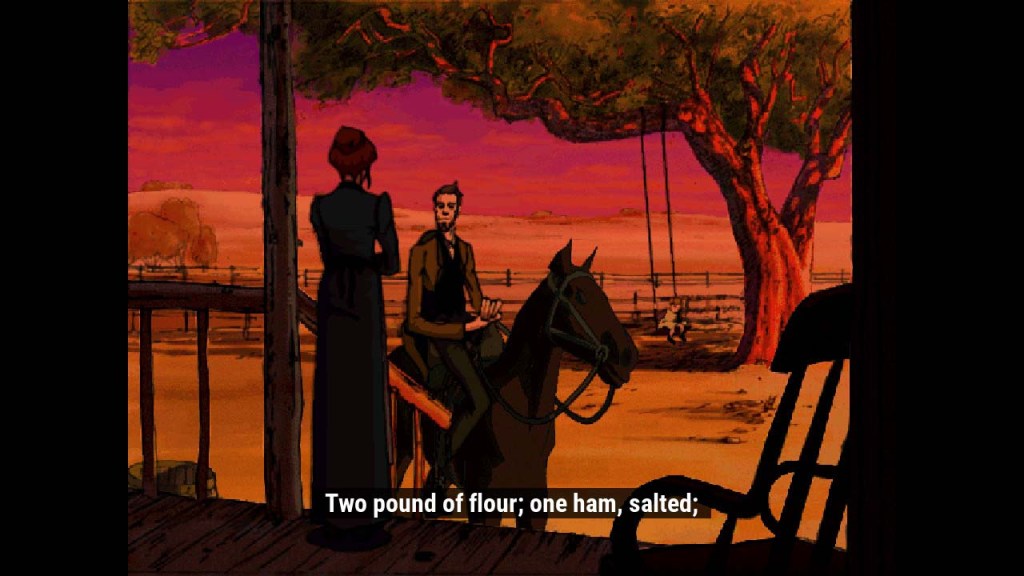
    While this may be a simple story, Outlaws tells it with a surprising amount of cut scenes and dialogue, chronicling Anderson’s bloody journey across the West. LucasArts tells that story with serious cinematic flair, featuring a wonderful opening sequence heavily inspired by Spaghetti Westerns and some fantastic lingering landscape shots. It doesn’t hurt either that the surprisingly dark story is rounded out with a soundtrack that fits right up there with the best Westerns.

    The audio design is great overall, with wonderful sound effects for gunfire and reloads – though I did get a little tired of hearing the same; “You’re outnumbered Marshall!” sound byte playing throughout the campaign.

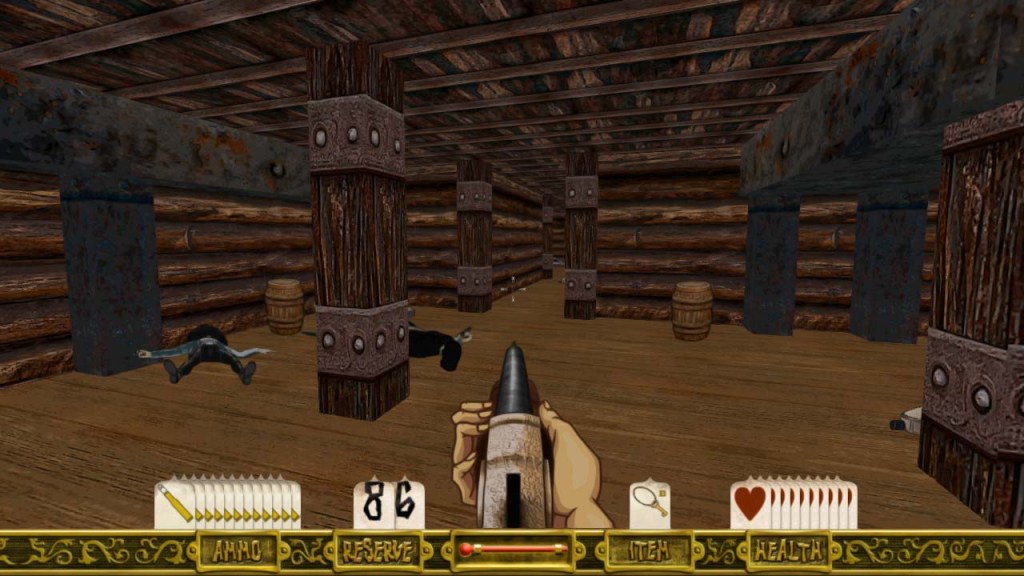
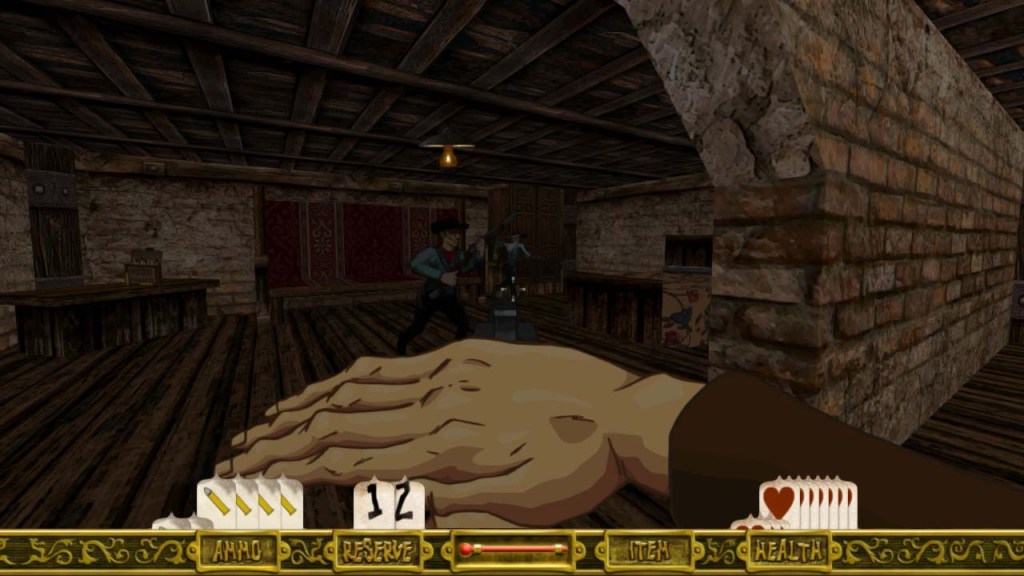
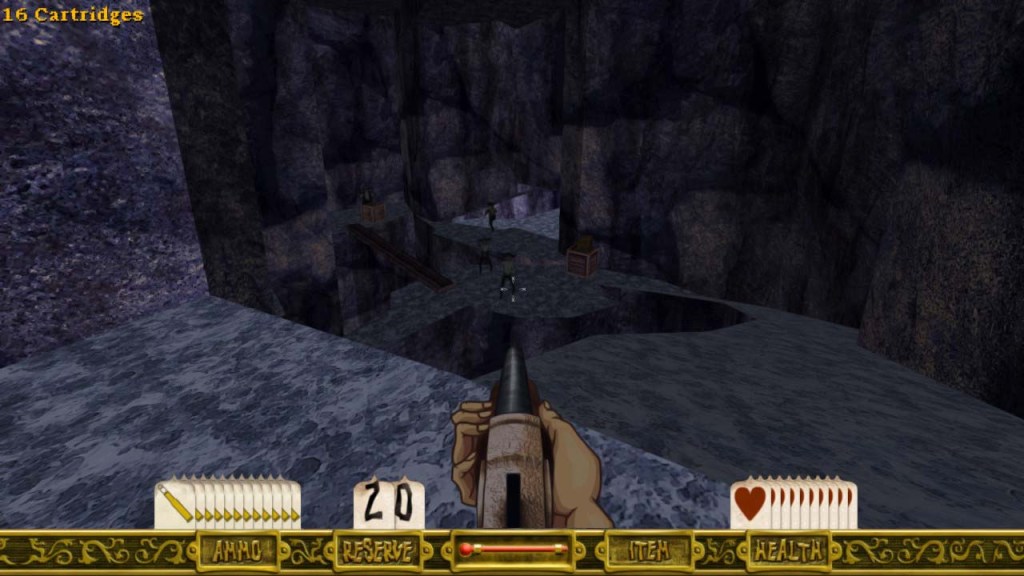
    Featuring a combination of hidden secrets, large multilayered maps, light environmental puzzles, and fun shooting, Outlaws plays like any number of FPS’s from the 1990’s. It may not feature the smartest of enemies, but they fill the role of shooting gallery goons well enough. The Wild, Wild West motif, coupled with the game stunning score, goes  a long way to giving Outlaws its own flavour. Overly complex it may not be, but it is incredibly stylish and fun.

    There are an assortment of items to pick up, from the typical key variants to open locked doors, to oil canisters and throwing knives for combat. Most weapons have an awesome alternate attack. For the double-barrel shotgun, as an example, it’s the classic ability to fire either one round at a time or both. My favourite, however, was the revolver alternate, which lets you quick fire with a fanning technique – that’s slapping the hammer back repeatedly with the palm of your hand. If you’ve watched enough Westerns, you’ll have seen that move often enough.

    If I have one nitpick about the games combat, it would be that important enemies, or bosses if you will, often aren’t all that discernible from regular enemies beyond how much damage they take to go down. More than once I had a level end as I capped someone, only to have a cut scene play showing that I’d just taken down a wanted target when I thought I was blasting just another cattle thief.

    The Handful of Missions expansion, meanwhile, is just that: a handful of missions. Only they take you back into the events that made Anderson the Marshall that he becomes. Across the Civil War battlefield, to hunting down and trying to bring in wanted felons alive, the expansion is a nice continuation of the game for those wanting more High Plains shenanigans.

    As for Outlaws + Handful of Missions: Remaster itself? Well, what is there to say? Nightdive have once again worked their magic to make this the best version of the game to play without spoiling the original vision. Most noticeable, of course, are the reworked, high-resolution visuals which gives the game a lovely, crisp look. You can switch between the original visuals and the new with the push of a button – a feature I always love – but this is one time I certainly do prefer the reworked art assets.

    There’s also cross-play multiplayer, both online and locally, and a Vault for you to take a gander at the games production artwork, script, and development documents. And if you love the soundtrack as much as I do, you can listen to each of the games tracks in the Vault as well. Rounding out the package are a set of Achievements to be earned.

    Overall, Outlaws + Handful of Missions: Remaster is an excellent remaster of a really fun Western-themed shooter long-relegated to a clunky and buggy PC version. It may not be visually or mechanically complex by today’s standards, but it’s still a great FPS featuring a strong narrative and a fantastic soundtrack, that still proves that sometimes, simplicity is the best design.

    Pros:

    • Reworked textures and higher resolution
    • Can switch between original and reworked visuals at any time
    • Excellent soundtrack
    • Fun gameplay

    Cons:

    • Some overused sound bytes

    Score: 8/10

    Outlaws + Handful of Missions Remaster was reviewed on Nintendo Switch 1/2 using a code provided by the publisher. It is also available on PC, Xbox One/Series S|X, and PS4/PS5.

  • Review: Tomb Raider: Definitive Edition (Nintendo Switch 1/2)

    Review: Tomb Raider: Definitive Edition (Nintendo Switch 1/2)

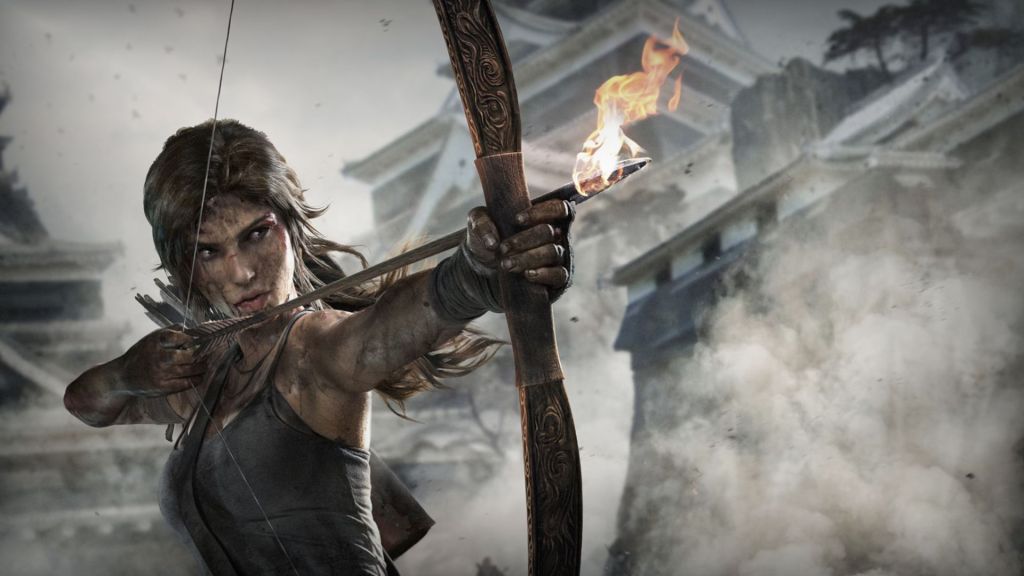
    After Aspyr and Crystal Dynamic’s conservative but smart remasters of the CORE-era Tomb Raider games, I had hoped that a remastered Tomb Raider: Legends, Anniversary, and Underworld Trilogy was the next logical step. Instead, we got the shadow drop of a Tomb Raider: Definitive Edition port for the Nintendo Switch 1 and 2. If you’re after a one sentence summary: it’s a solid, feature-complete portable option; however, it’s hard not to notice visual compromises that make it feel like a Switch 1-focussed project that left Aspyr with few options beyond boosting the resolution and framerate for the Switch 2.

    Starting with the quality of the game rather than the port, it’s hard to believe this reboot released on the Xbox 360 and PlayStation 3 all the way back in 2013, before receiving a spruced up Definitive Edition for Xbox One and PS4 the following year. It still looks good and feels modern – reinforcing my belief the cinematic, open-world, third-person, action-adventure genre has become too dominant and increasingly stagnant in the “AAA” space. When it was released, Tomb Raider (2013) felt like an impressive and polished hybrid of classic Uncharted-style set-pieces and shooting, merged with the fledgling open-world, action-RPG template.

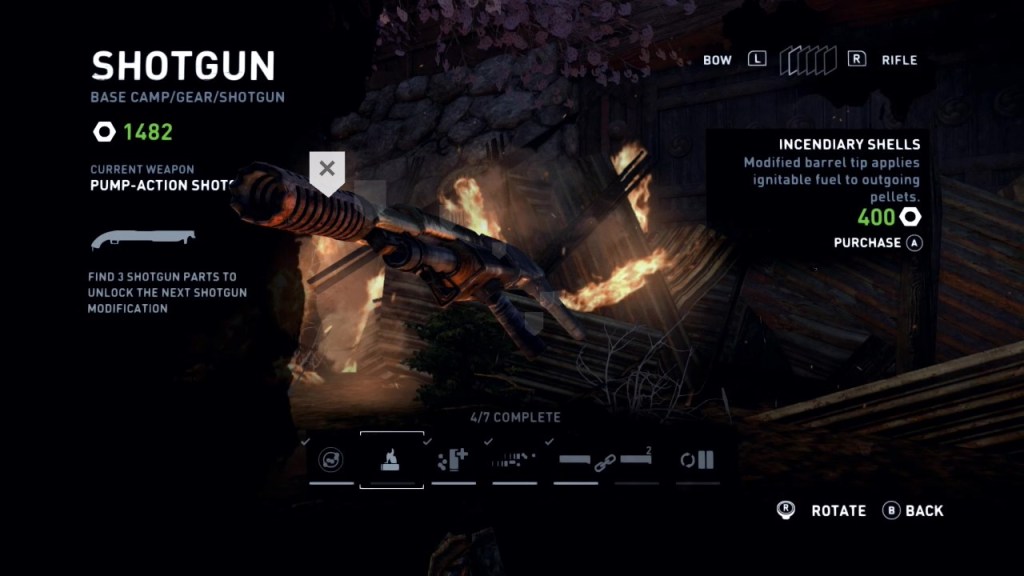
    It’s more open-zone in practice, with the plot taking you through each region on the island. The path occasionally loops back through evolving central regions, and all zones are connected by set-pieces or obvious transitions designed to mask loading screens. There are parts that feel more like Crystal Dynamic’s first reboot trilogy – in which you spend the bulk of your time running, jumping, puzzling, and driving rare animals closer to extinction – but there’s a gradual shift towards wild set-pieces and firefights, coupled with a steady flow of XP and points to invest in a limited skill-tree, and no shortage of collectible weapon parts and scrap to improve your arsenal. It was an early indication of the trend that would see RPG and survival-crafting elements shoehorned into every other genre – but it felt fresh at the time.

    Although many of those designs have been commonplace, Tomb Raider: Definitive Edition on Switch is still worth playing for the first time if you missed it (or worth replaying if you wanted a portable option). Both newcomers and returning players might find the compact world, brisk pacing, and 12- to 15-hour runtime less daunting compared to the AAA bloat we’ve come to expect in 2025. It also serves as a decent introduction to the character of Lara Croft by proving an entertaining albeit dubiously written origin story. Lara goes from terrified victim, to retching after her first kill in self-defence, to killing hundreds of cult-like castaways in often brutal ways (including gratuitous executions you can unlock in a skill-tree for bonus XP).

    It’s a classic example of narrative dissonance in a video game – think gameplay systems and storytelling that don’t feel coherent – but Tomb Raider: Definitive Edition is still a wild ride and good fun if you don’t overthink it. A young Lara and a diverse crew of Hollywood-style archetypes (most only fleshed out later in flashback cutscenes) are shipwrecked in the Dragon’s Triangle while on the hunt for the civilisation of an ancient Japanese Empress who was said to control the weather. A gruelling opening sets the tone, with Lara escaping from a pursuer through a series of gameplay tutorials and classic stick-wriggling, button-mashing, quick-time event (QTEs). As a precursor of what’s to come, failing any of these early QTEs reward you with a gruesome death scene before setting you back to try it again.

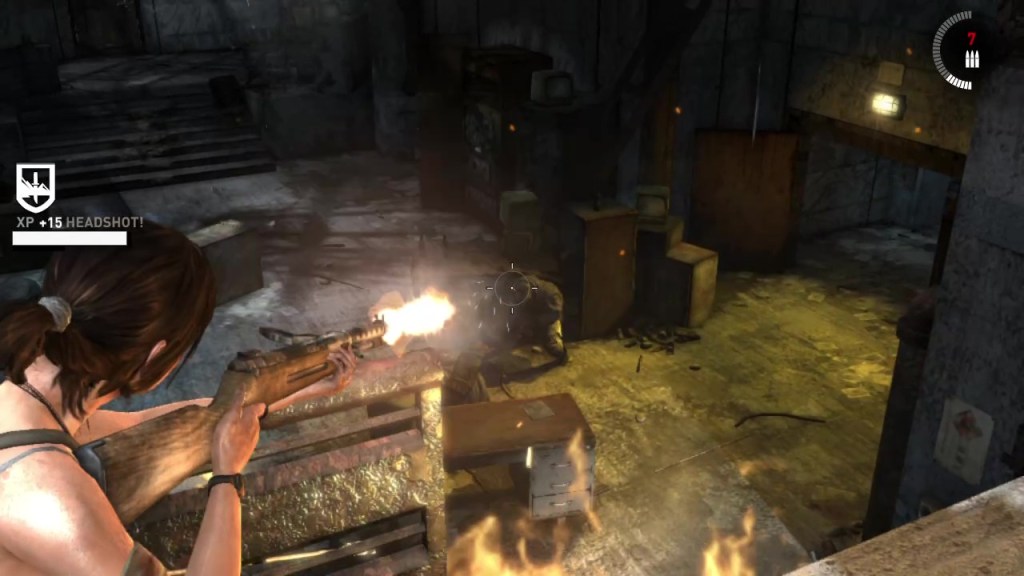
    That over-reliance on QTEs and questionably gratuitous violence feels like baggage from the era but, thankfully, most of the game plays out as a mix of slick third-person platforming, light puzzling, wild set-pieces, and scrappy shooting that sees Lara automatically ducking behind anything waist-high. There are white markers to guide you while platforming; Lara gravitates towards ledges and ropes when jumping; puzzles rarely let you think for more than a minute before giving a hint; you can sneak up on enemies and dispatch them stealthily; there’s a “hunters sense” scanning ability you’ll find yourself spamming to highlight enemies and items, and the map slowly fills with dozens of markers as you explore. Thankfully, that familiarity is less of a problem for Tomb Raider: Definitive Edition in 2025 as only those foolish enough to systematically hunt for every collectible will find it overstays its welcome.

    Returning to the port itself, it’s worth touching on the visuals and technical performance not because they’re terrible or the game is unplayable – the cutbacks are simply unexpected. The Switch 1 has had many great Xbox One/PS4-era conversions, but Tomb Raider: Definitive Edition loses a considerable amount of vegetation density and shadows that can change the entire feel of many forested areas by leaving them far brighter. That said, if you’ve not played the other versions recently, it’s not a deal breaker. More annoying is the visible pop-in when running through an area and framerate drops from the mid-game Shantytown area onwards on Switch 1 that can impact the responsiveness of the controls. The Switch 2 receives no noticeable visual upgrades, but it does have a higher base resolution and reasonably solid 60fps framerate. It ultimately feels underwhelming and clearly underutilises the improved hardware.

    All that said, it’s still a solid portable option for console hardware that has seen far greater uptake than handheld PCs that still have OS and interface issues, compatibility problems, and a lack of developer-created optimised settings for older games. Despite my preference for the older games and criticisms of this port, I played through the bulk of Tomb Raider: Definitive Edition on the original Switch, content to forgive any technical flaws as the tight gameplay loop hooked for another 15 or so hours. Tomb Raider: Definitive Edition may not feel as mechanically fresh in 2025 – having laid many of the foundations for so many modern cinematic, third-person, action-adventures – but it’s compact design and brevity (and budget pricing) offers a breath of fresh air for those daunted by modern AAA games.

    Pros:

    • Tomb Raider (2013) remains a solid reboot that still plays great
    • Completionists will find collectible-hunting sessions a good fit for handheld play  
    • It still looks good on Nintendo Switch displays (and decent enough when docked)
    • The Switch 2 version benefits from boosted resolution and a 60fps framerate…

    Cons:

    • …but the reduced visual settings compared to other platforms are obvious
    • An unstable 30fps framerate can make the controls feel sluggish on the Switch 1 at times

    Score: 7/10

    Tomb Raider: Definitive Edition was reviewed on Nintendo Switch 1/2 using a code provided by the publisher. It is also available on PC, Xbox One/Series S|X, and PS4/PS5.

  • Review: Syberia – Remastered (Xbox Series)

    Review: Syberia – Remastered (Xbox Series)

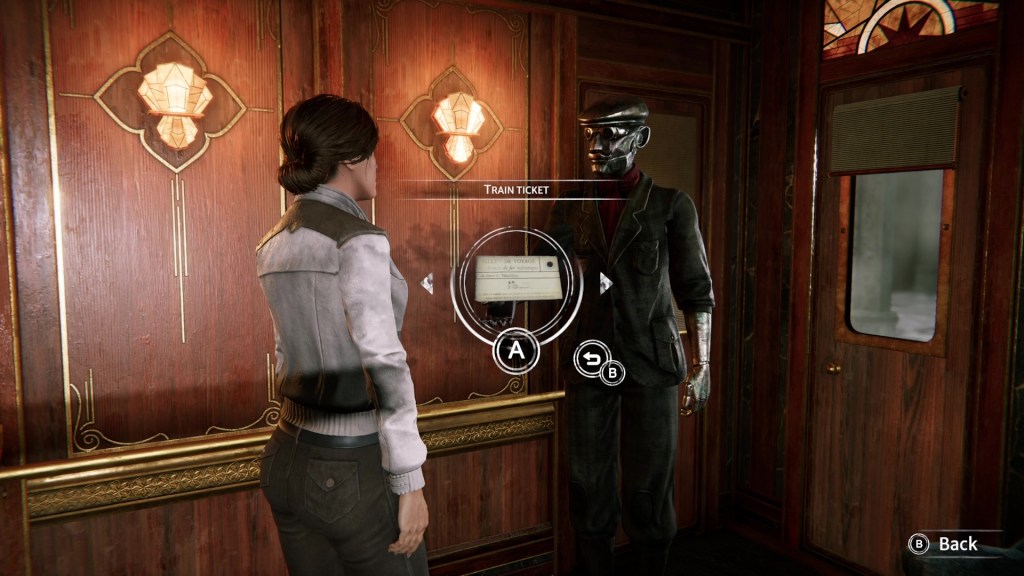
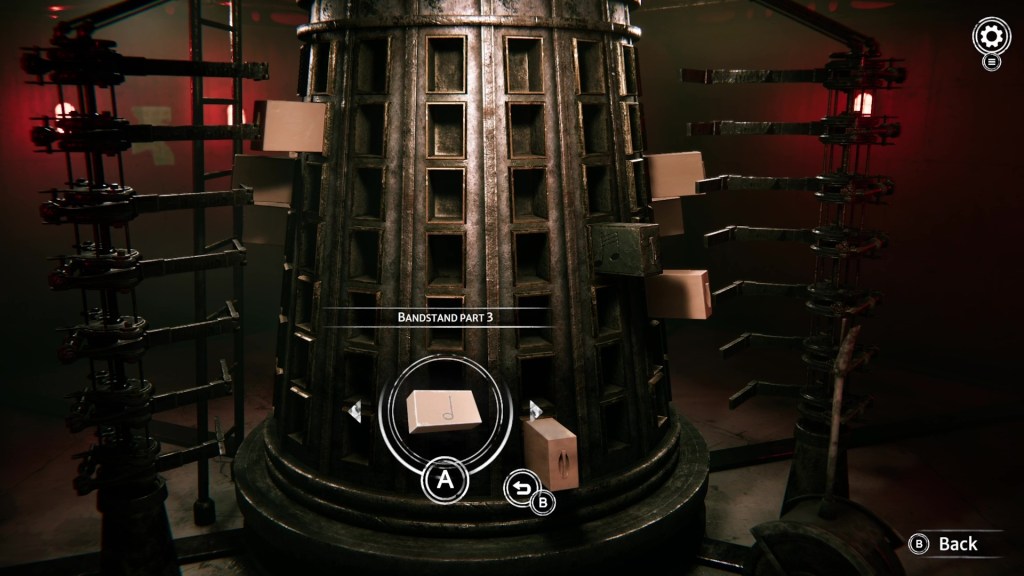
    Syberia first released in 2002 as a point-and-click adventure with relatively unremarkable mechanics for the time. It was, however, elevated by Belgian comic artist Benoit Sokal’s striking designs, an evocative soundtrack, and a narrative that blended the relatable with the surreal. It was easy to play through the remaster for the story – the third time now if I count the awkward console ports of the PC original – and I’d argue Syberia – Remastered is now the most accessible way to play this uneven cult-classic. The updated visuals are beautiful yet faithful, the UI is cleaner, and a few puzzles have even been expanded or tweaked. That, old flaws remain and a few new bugs can frustrate.

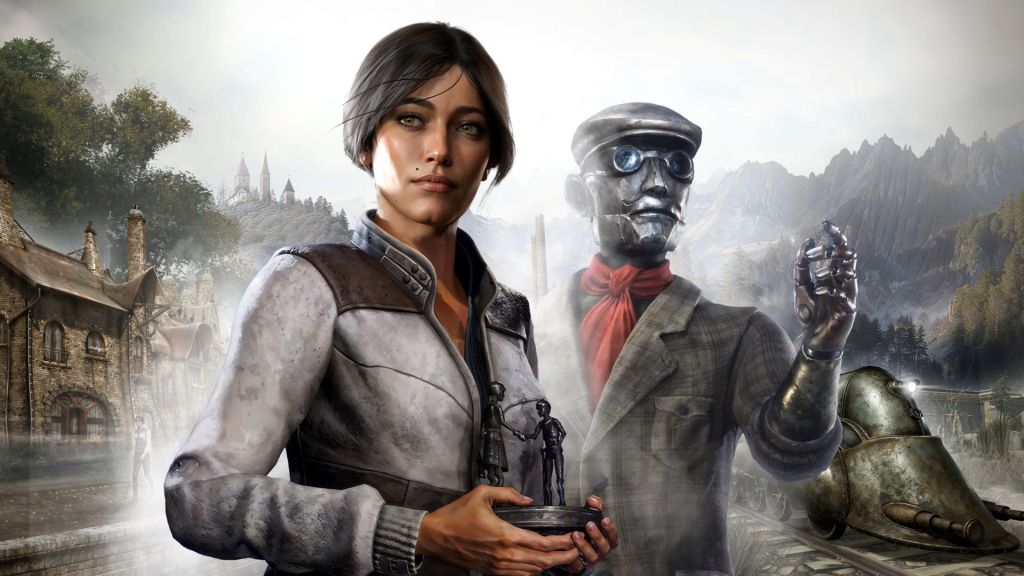
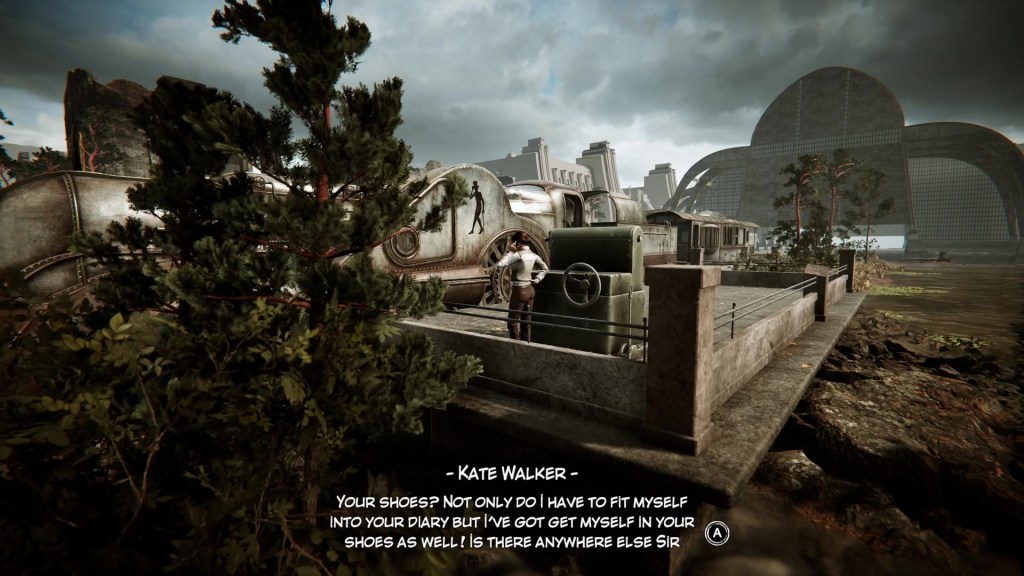
    I think what I love most about Syberia is how it balances a growing sense of wonder with unease. You play as Kate Walker, a New York lawyer who looks and sounds like part of our world, but her journey eastward, from the French Alps towards Russian Siberia, feels increasingly detached from reality. Kate arrives in Valadilène to conclude the sale of the Voralberg family automaton business to an American company, only to find the owner has recently passed away and her short business trip is about to get complicated.

    After learning of another heir, the reclusive Hans Voralburg who was long presumed dead, Kate kicks off a journey that will take her further and further away from her current life – her friends, her family, and everything she thought was important. She ends up travelling on a clockwork train, in the company of the weird but likeable automaton Oscar, following in the footsteps of Hans Voralberg decades later. She delves into the Voralburg’s tragic family history, explores seemingly forgotten corners of the world, and encounters an odd cast of those left behind with unfulfilled dreams.

    It makes for a compelling but weirdly paced narrative that sometimes unfolds with no particular sense of direction (other than geographically). As someone who dislikes modern games with bloated runtimes that kill pacing, you’d think it would annoy me. However, given you can see the end of Syberia – Remastered in just 6-7 hours – puzzle-solving skills permitting – it feels more like deliberate and confident pacing. Kate’s journey is literally about going off the rails while on the rails, full of discoveries and revelations, about both her curious client and herself. It’s not always well written, the voice acting is variable, and it features some dated stereotypes, but it had emotional hits that many modern cinematic AAA games fail to generate.

    Gameplaywise, Syberia – Remastered has the same mechanical weaknesses as the original game – even with an updated journal and a handful of expanded puzzles to flesh out some locations. Unlike so many of its peers, Syberia was never about dense environments, pixel-hunting for interaction spots, or use-everything-on-everything experimentation. Instead, you explore large and beautiful zones, exhaust dialogue trees for plot triggers, find a handful key items, and tackle maybe two or three puzzles in each area. It feels more streamlined and logical than most point-and-click games from that era – but the size of the environments can make backtracking tedious.

    On the upside, Kate’s initial visit to each location feels suitably wondrous and surreal. She explores a declining alpine town with clockwork buildings and specialised automatons serving the ageing population. She travels to a quirky German university located alongside what look like a giant remnant of the Berlin wall, meeting the bizarre faculty members, exploring an incredible aviary, and learning about Hans’ fascination with Siberian Mammoths. She explores an abandoned Russian industrial city run by a deranged mayor; she visits a cosmodrome to help a drunken cosmonaut get airborne; and she finally help an ageing opera singer feel alive again – if only for a while.

    Every step of the journey feels more surreal than the last and Kate’s fiancé, boss, friend, and mother – most of them self-interested and living shallow lives – frequently call and struggle to make sense of Kate’s trajectory from corporate ladder-climber to headstrong explorer willing to push ever further into the unknown. Again, Syberia is no masterpiece of videogame writing (and this remaster has some dubious subtitles and transcriptions), but it nails the atmosphere and Kate’s voice actor – Sharon Mann for the English dub – did an incredible job of capturing her emotions.

    Of course, most cult classics like Syberia benefit from a mix of hyperbolic praise from fans and the resultant hype for this release. As one of those fans, and a fan of classic point-and-click adventures in general, Syberia – Remastered is a worthy effort at preserving a classic game and making it more accessible on multiple platforms. It stays faithful to the source material despite looking more modern, the expanded puzzles add a minor twist for returning players, and the new journal might prove essential for new player – but I still feel the diverse cast and timeless narrative are the main attraction.

    Pros:

    • Experiencing Kate’s journey of self-discovery through a wondrous but surreal world
    • Beautiful, faithfully remade environments better fit the evocative soundtrack
    • Most puzzles are logical and streamlined
    • The expanded journal system makes the tougher puzzle less of a roadblock

    Cons:

    • Backtracking through larger environments can get tedious
    • Rare movement bugs required restarting the game
    • Subtitles and document transcriptions need work

    Score: 8/10

    Syberia – Remastered was reviewed on Xbox Series S|X using a code provided by the publisher. It is also available on PC and PS5/Pro.

  • Review: Kaku: Ancient Seal (Xbox Series)

    Review: Kaku: Ancient Seal (Xbox Series)

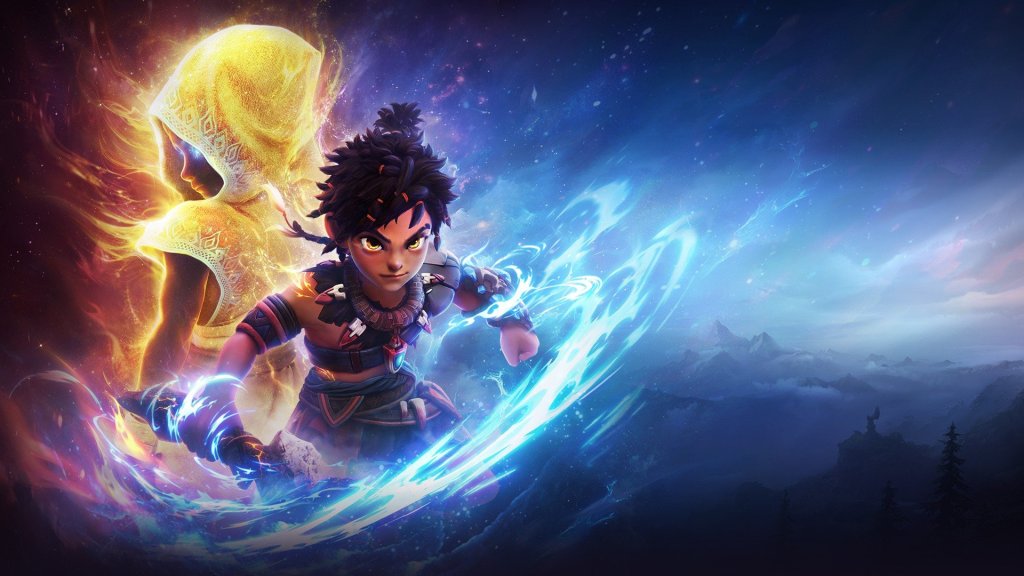
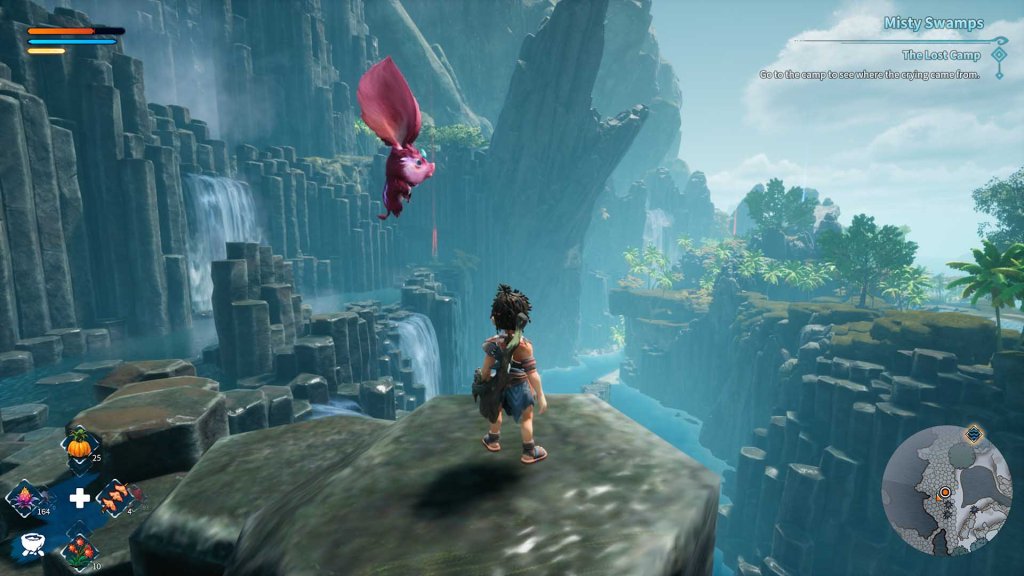
    While Kaku: Ancient Seals bills itself as an open-world, action-adventure RPG, in reality – and spiritually – it feels a lot closer to the PS2- and PS3-era of large zone, action-platformers, like Jak & Daxter and Ratchet & Clank. Just with a sprinkling of modern ARPG mechanics. Make no mistake, that’s no slight against Kaku and developer BINGOBELL’s aspirations, as Kaku certainly goes big in just about every way it possibly can.

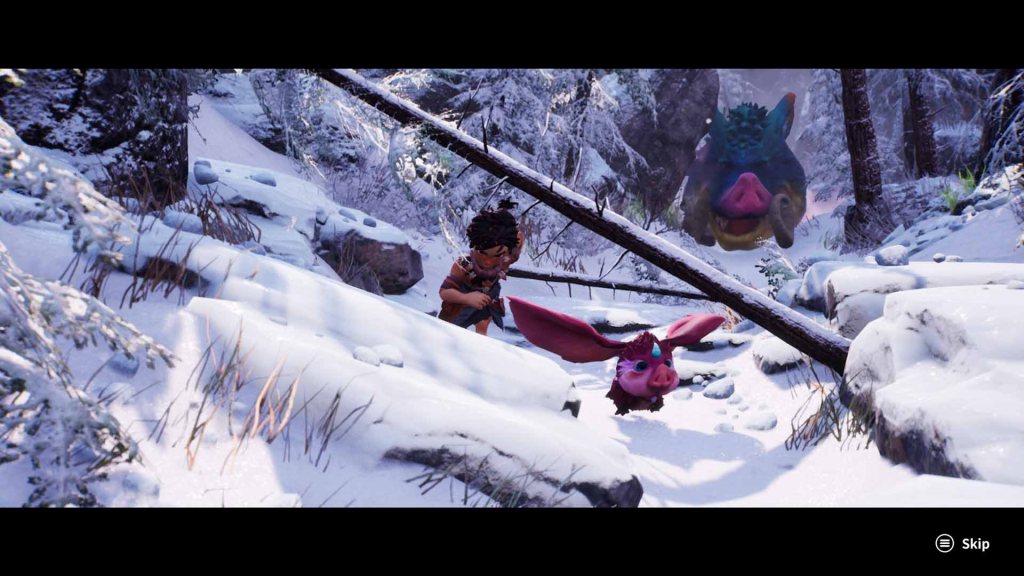
    Set during some primeval era, Kaku throws you into the shoes of young Kaku himself. A quest to capture a flying piggy leads him to a bigger quest to save the world. Kaku is the anointed one and the future of the world – now split into four continents by way of a catastrophe – needs some serious saving. Kaku has to use his newly acquired godly powers and return elemental balance to the world.

    And Kaku’s quest isn’t just big, it’s massive. Because Kaku’s world is massive. There are four continents for you to run across to set things right in, populated by primeval creatures of all sorts, like savage tribes and elemental Lords that need to be taken down to right the elemental imbalance. All of which is rounded out by side-quests to take on, both brain teasing and environmental puzzles to solve, platforming challenges and puzzles, and lots and lots of combat.

    If that sounds like a lot, that’s because it is. Like many open-world games, Kaku perhaps throws a little too much at you to do, a lot of which becomes repetitive by the time you’ve reached the second continent and the play-style and story-flow is established. So while I did eventually wear myself out on finding shrine keys and collecting all the various items you need for upgrades and crafting, the exploration and platforming still managed to keep me hooked. And a lot of that is down to the games world design.

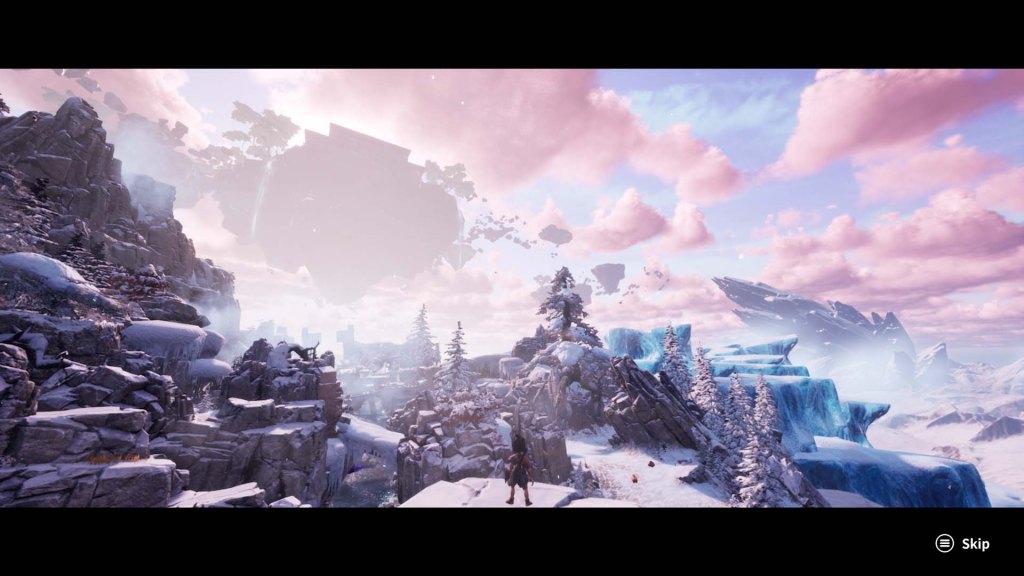
    Each continent is home to a different biome, from wet marshlands to dry-as-bone deserts and freezing glaciers, providing a nice variety of gorgeous locales to explore. Because each area is so large, Kaku is dotted with teleportation pillars for you to unlock via a fun puzzle game that has you sliding blocks to certain positions within a set number of moves.

    Although you can approach any continent at any time (even jumping between them during missions), Kaku’s environments are less open-world and more open-zone, as each continent is broken up into different regions and temples that you load into. This is a good idea as it helps to make each area more navigable, while providing greater variation and themes. Invisible walls do, unfortunately, pop up when you reach the edge of the games map, which both looks and feels awkward.

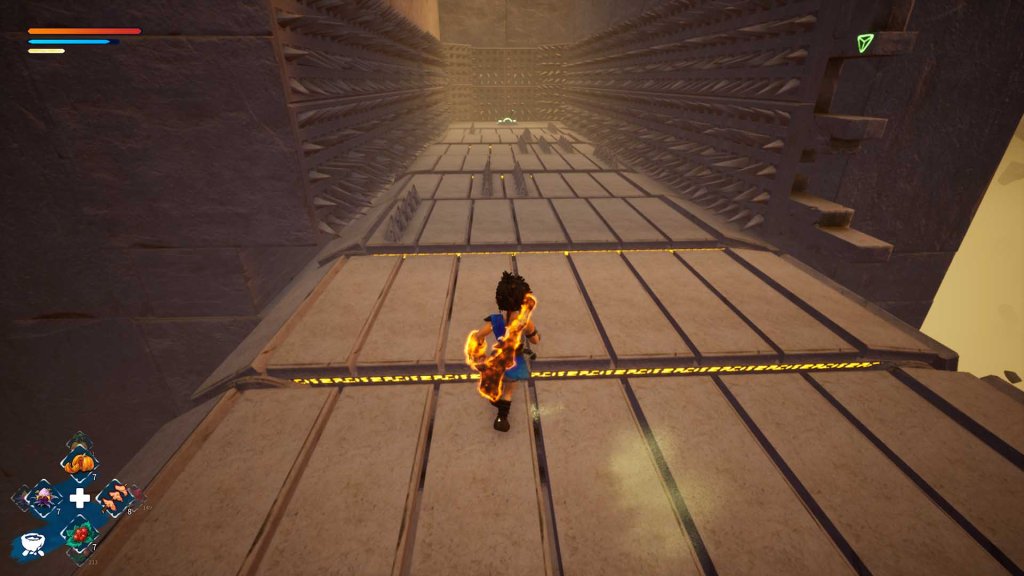
    The platforming, which is one of the games highlights for me, is very traditional, with the ability to double-jump and air dash to navigate the pitfalls around you. We’re talking moving platforms, spiked and fire platforms, and switches you need to hit while riding platforms that are moving or falling apart. In short, it’s fairly traditional stuff for 3D platformers but it is done well.

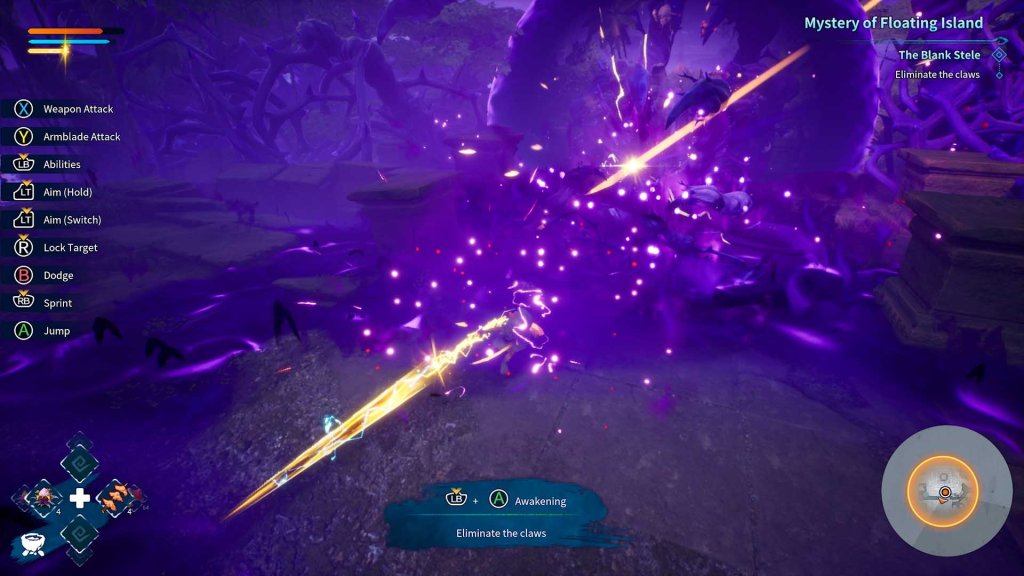
    Combat is where you start to see more modern mechanics with enemies that have massive health and stun bars. Kaku has a light attack, an arm guard attack that damages the stun bar, and a wide range of combat skills to unlock, These range from more melee attacks, ranged attacks, and what is, essentially, a super mode that heals you while giving you access to godly weapons and damage output for short durations.

    The said, combat is easily the weakest aspect for me. The enemies being bullet sponges are just one of the many combat issues that eventually had me kiting enemies from a distance when I could, or just avoiding them completely when I could. A lot of that comes down to Kaku’s combat speed and animations that feel too slow coming out of or transitioning between attacks. When you combine Kaku’s slow move-set with enemy attacks that briefly stun you and many enemy attacks, especially projectiles, that are really fast, all too often you get stuck in stun-lock loops and pummelled in mobs. Enemies also do pretty hefty damage, even when you start to upgrade Kaku’s stats.

    I also found a fair amount of cheap enemy placement in environments that require lots of platforming with deadly drops beneath you. Large enemies on small ledges with little room to manoeuvre is just a giant no.

    Boss fights tend to go big with giant enemies that have multiple health bars and attack patterns you need to pay attention to. While they’re generally more fun to engage than common mobs, they’re still plagued by the same combat issues which can be aggravating when you’ve taken a boss down to it’s last health bar, only to be stun-locked and knocked off a platform to your instant death, and have to restart the entire fight.

    One thing you’re going to have to do is upgrade to keep Kaku alive. If you don’t, you’ll quickly watch your health disappear in a flash while dishing out single points of damage to groups of enemies.

    There are a fair amount of crafting materials to gather: from shards that drop from enemies you use to upgrade your base abilities, to various ores and plants for healing and inventory expansion. There’s a very light crafting system for cooking beneficial foods and creating elemental ammo for your slingshot. Armour and weapons can’t be crafted or upgraded; instead, they’re dropped from bosses or picked up from chests and have buffs associated with them The most you can do is socket them with ruins that add incremental perks like ten percent more health.

    What you really want to do is rapidly upgrade Kaku’s inventory limit, how much food he can carry, his health, stamina, attack, and defence – everything really. Attack, defence, and item limits are easily upgraded in a sort of spirit realm, where you channel crafting items into unlocking higher tiers of damage and defence. Kaku’s skill tree has a variety of useful attacks and you can also only upgrade them here (at launch, the skill tree video is bugged though as it plays the same video for each of Kaku’s skills instead of showing the correct one per skill).

    Following in Breath of The Wilds footsteps, there are small puzzle-platforming temples in the spirit realm you need to complete to upgrade health and stamina. These formed some of my favourite moments in Kaku, as they required you to use the bulk of your platforming skills in bite-sized moments that didn’t outstay their welcome.

    That said, upgrading doesn’t make the combat and it’s surprising difficulty, any better but it does make fights shorter. Even when I’d upgraded Kaku’s damage output to its fourth tier, I still preferred to avoid fighting unless I had no other choice.

    Returning to the positives, Kaku is a mostly gorgeous game. While I don’t think the cut-scenes do a great job of showcasing this, the scenery when you’re exploring Kaku’s world are, oftentimes, quite stunning. There’s a wonderfully massive sense of scale captured by the environment design that always made it a  pleasure for me to see what was around the next bend.

    While Kaku has some issues and kid-friendly visuals that belie its high combat difficulty (and the occasional frustrating platforming moment), BINGOBELLS adventure still manages to feel like a fun return to action-platformers of old. If you can overlook the frustrating combat system that could do with some fine-tuning, there’s still plenty of fun to be had in its primeval world.

    Pros:

    • A massive multi-zoned world to explore
    • Beautiful environments that create an epic sense of scale
    • Fun platforming, puzzling, and exploration gameplay

    Cons:

    • The combat feels overly difficult and mechanics need fine-tuning
    • Some poor/cheap enemy placement
    • Repetitive area side-quests and tasks for upgrades

    Score: 7/10

    Kaku: Ancient Seals was reviewed on Xbox Series S|X using a code provided by the publisher. It is also available on PC and PS5/Pro.

  • Review: Atelier Resleriana: The Red Alchemist and The White Guardian (Nintendo Switch)

    Review: Atelier Resleriana: The Red Alchemist and The White Guardian (Nintendo Switch)

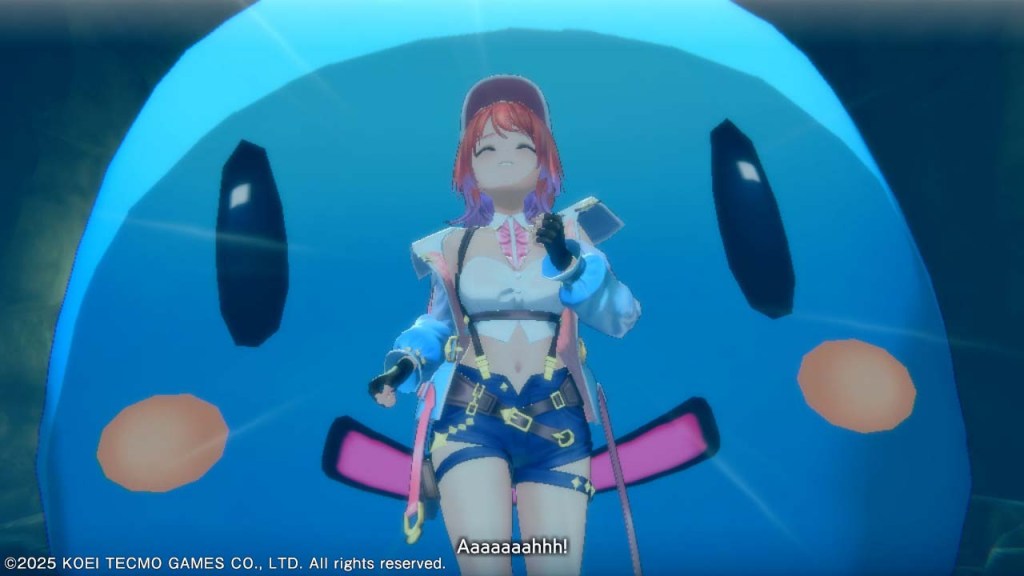
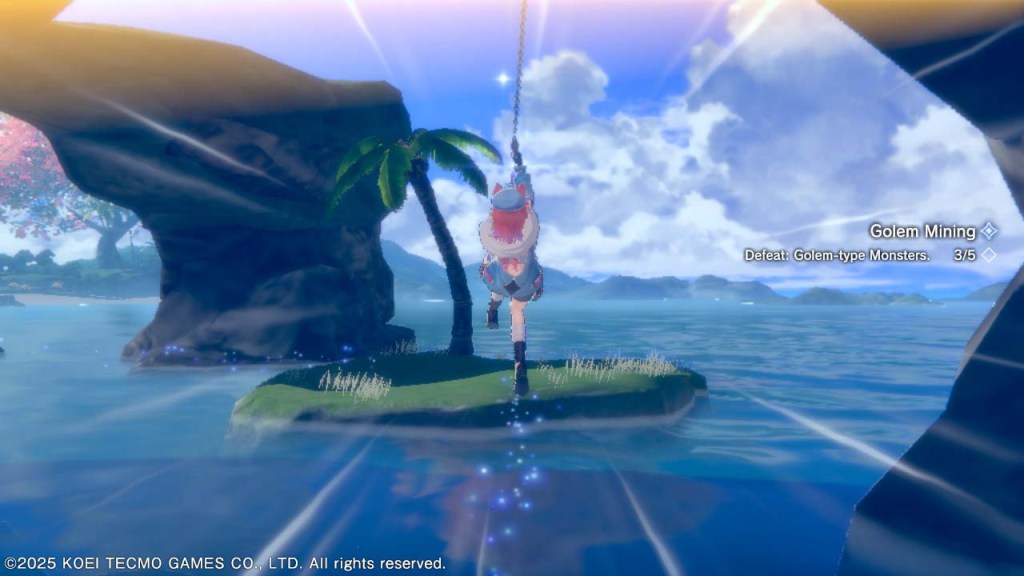
    My journey into Gusts long-running, cozy Atelier RPG’s may have started a little late in the series life but in that time, I’ve come to be enamoured with the games. Each game usually tells a standalone story and falls firmly into the JRPG bracket. However, what set the Atelier series apart for me was its focus on stories that rarely had anything to do with saving the world and instead focused on saving or making your community better. It’s a series that’s about friendship, community, and the journeys you go on together, one in which alchemy makes the journey that much better. And it’s a concept I’ve found to be thoroughly refreshing.

    Later games in the series have delved into larger themes beyond the borders of mere community, with some even changing tone and direction. With twenty-seven titles in the series, some change has to come along somewhere down the line. But it’s always the games based around characters and friendship that bring me back to this enchanting series. And with Atelier Resleriana: The Red Alchemist and The White Guardian, Gust have brought the series back to it’s cozy and uplifting roots.

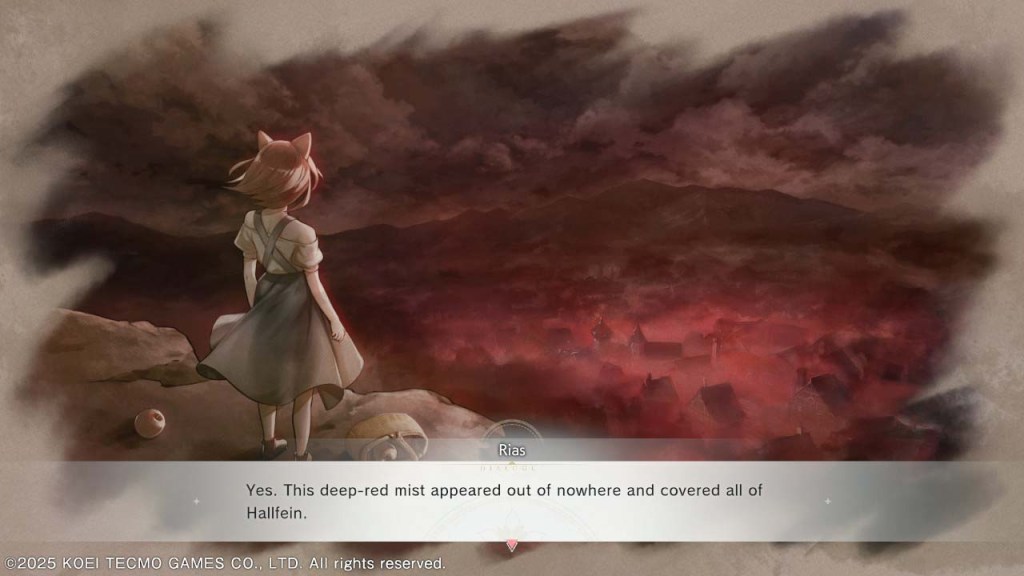
    Set after the events of Atelier Resleriana: Forgotten Alchemy and The Polar Night Liberator – sadly a mobile and PC Gatcha title that reached the end of its life earlier this year – The Red Alchemist throws you into the shoes of dual protagonists, Rias and Slade, who come together by chance in the depths of some ancient ruins. Their discovery of an Atelier and Rias’ gift of a natural born alchemist puts them on a long journey together to restore their hometown of Hallfein, which was damaged in a mysterious incident some twelve years before.

    While tragedy and the makings of something darker add depth to our heroes, The Red Alchemist firmly places its storytelling boots in what got me interested in the Atelier games to begin with: the light-hearted and heartfelt desire to make life better for others. Slade may be on a journey to decipher his father’s secrets, but Rias embraces the role of becoming a better alchemist so that she can use that skill to improve the lives of others.

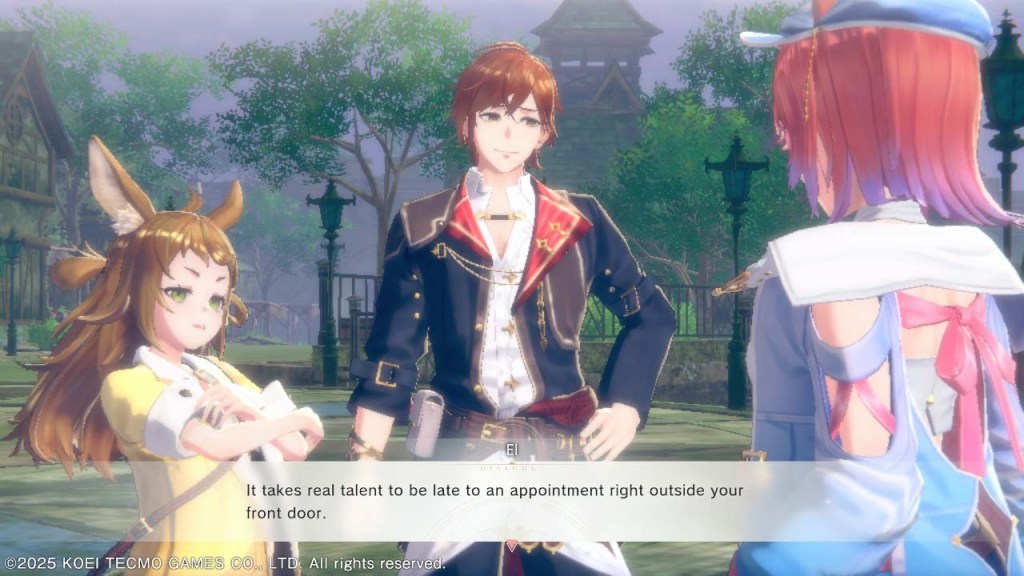
    Along the way, they’re joined by an assortment of amusing characters. New party members join and there are various cameos of major characters from other Atelier games, popping up to keep the story light-hearted and fun. There’s a lot of cut-scenes, fully voiced dialogue, and story bits here that keep the game progressing at a steady enough pace and it’s all wonderfully engaging.

    That story is backed up with some addictive gameplay that made it hard to put The Red Alchemist down. There are a whole bunch of systems at play here, from turn-based battles, to harvesting mechanics and even running a shop – all of which you’re going to have to contend with. For the most part, the developers have made most of the systems easy to understand and link them together towards one of your main goals: rebuilding Hallfein.

    When you first get to Hallfein, damaged buildings and mostly empty streets meet your arrival, but as you begin to fix the place up, new shops open, more people appear outdoors, and more customers come to your shop. It’s a nice visual showcase and satisfying feedback for all your hard work.

    Rias has a store in town that you can run and upgrade over the course of the adventure. The sales you make benefit one of Hallfein’s industries, from mining to nature. Running the store is easy peasy, especially if you hire fairies to do all the work for you. You can let them choose which products to sell if you don’t want to spend time picking them yourself, and you can customise the interior with wallpaper and products that boost sales.

    All of the products you sell can be found in the field through the games harvesting mechanics – which are just as easy. You will need to craft new harvesting tools to harvest from specific sources or get rarer and higher-level resources, but harvesting is as simple as pressing the action button and watching your character whack the resources into existence with one swing.

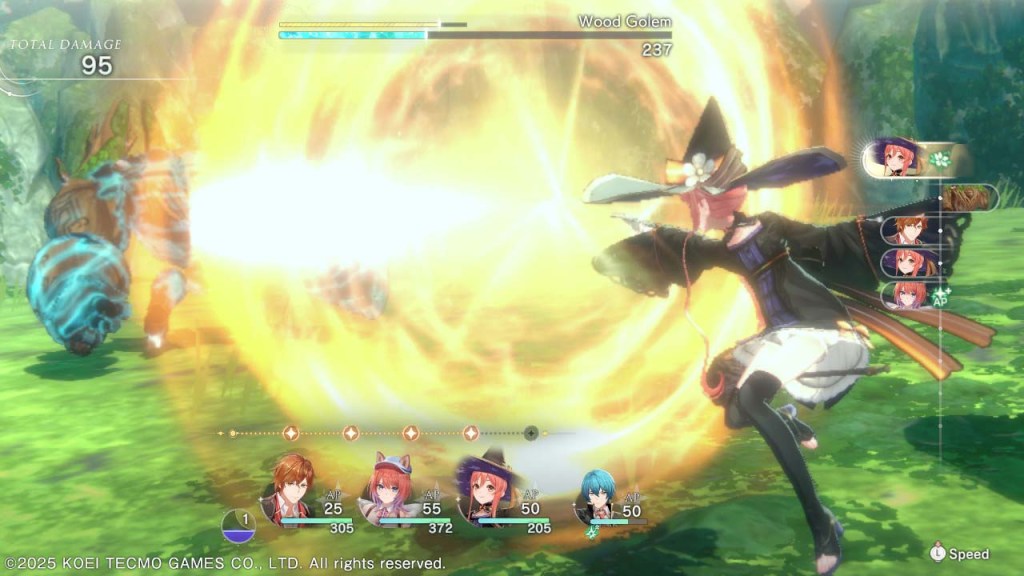
    Combat is one of the games other joys. It’s traditional turn-based JRPG fare but with just enough depth to keep battles interesting and fun. There’s a timeline you can use to plan your attacks, which is very useful as sections of the timeline come with buffs that can affect you or the enemies. Interrupting enemy attacks can delay them but also let one of your party members make use of that buff attribute.

    There’s a front- and backline for party members and you can use technique points built up in battle to initiate combo moves that swaps their places at the end of the turn. Backline party member don’t take part in battles otherwise, but everyone receives experience from combat regardless.

    Once unlocked and a gauge has built up, you get an automatic combo attack by frontline party members that uses special attacks and, along with the swop-out mechanic, typically decimates foes in beautifully explosive displays. Even with Field and Dungeon bosses, The Red Alchemists combat may be too easy for some.

    Personally, I loved the difficulty curve of the game (which gets a bit harder during the latter half) and the ease with which foes were decimated. It kept fights short, interesting, and fun, while making it feel like I was never grinding. In fact, this is one of The Red Alchemists strengths. Grinding, whether for XP or items, never feels like a grind at all because the game is just such joyous breezy fun to play.

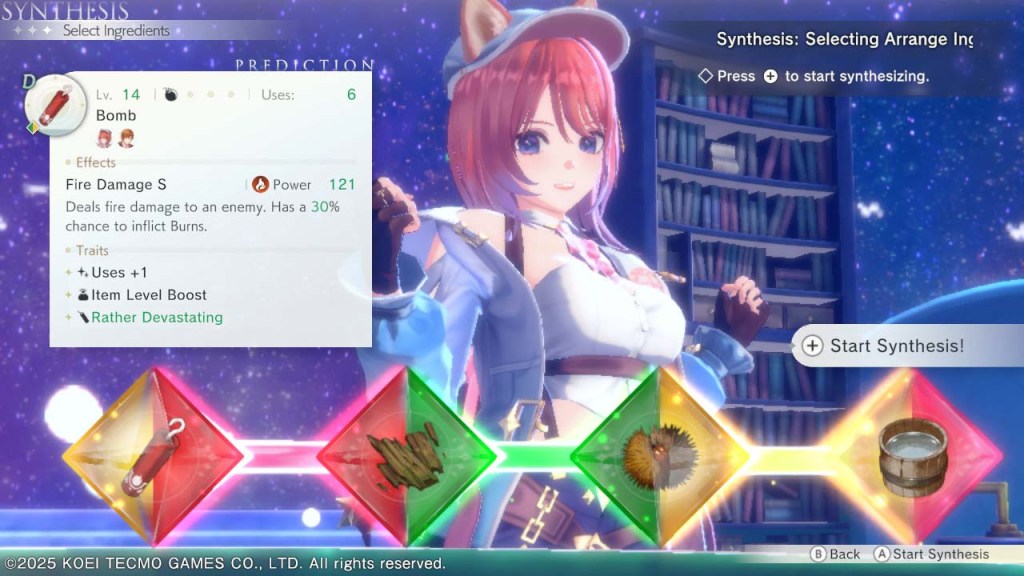
    Alchemy does present a fair amount of complexity that I feel the game didn’t explain as well as it could have. There’s a lot to take in when trying to craft the perfect item. From colour-coded items that increase an items level, to various effects that can be crafted into it, along with a transmutation function that can be used to change one item to another. There’s a fair amount to wrap your head around, especially when you get a request to craft an item you don’t have a recipe for yet.

    One area that The Red Alchemist does drop the ball a bit on – along with showing its mobile roots – are the games Dimensional Path dungeons. These areas are procedurally generated rooms that take you across different floors of enemies to find more fairies, chests, items, and story snippets for Slade. They accomplish the goal of giving you more enemies and repeatable bosses to fight, but don’t have the strength of a handcrafted dungeon.

    From a performance and visual perspective, Atelier Resleriana: The Red Alchemist and The White Guardian runs at a stable and smooth 30fps on the original Nintendo Switch. I encountered no performance issues, but that smooth performance does come at the cost of the visuals. Make no mistake, The Red Alchemist does have its visual flair, especially in the character designs, but the visuals have a fuzzy, un-aliased look to them that we’ve come to expect from a lot of multiplatform Nintendo Switch games.

    With Atelier Resleriana: The Red Alchemist and The White Guardian, Gust have taken the Atelier series back to its cozy RPG roots featuring fun and endearing characters. And they’ve backed up those themes with highly addictive and fun gameplay that made the game incredibly hard to put down. Fans of the Atelier series will love Atelier Resleriana: The Red Alchemist and The White Guardian, while those looking for a new RPG series to dive into can do no wrong by starting with this stunning gem.

    Pros:

    • Fun gameplay that’s hard to put down
    • Endearing characters
    • Harvesting ingredients is easy
    • Surprising depth to the alchemy system

    Cons:

    • Procedurally-generated dungeons
    • Slightly fuzzy visuals on Nintendo Switch

    Score: 9/10

    Atelier Resleriana: The Red Alchemist and The White Guardian was reviewed on Nintendo Switch using a code provided to gameblur by the publisher. It is also available on PC, Xbox Series S|X, PS5, and Nintendo Switch 2.

  • Review: Castle of Heart: Retold (Nintendo Switch)

    Review: Castle of Heart: Retold (Nintendo Switch)

    With the original Castle of Heart, released back in 2018 as a Switch exclusive, developer 7Levels decided that they wanted to bring back really old-school action-platforming to the market. One that gave us the difficulty of yesteryear wrapped in a shiny new hardware package. Castle of Heart managed to earn a reputation for being quite difficult, but not always for the right reasons.

    Seven years on, 7Levels have half remastered, half remade Castle of Heart with a significant number of improvements, both visually and behind the scenes, to make this the definitive version. And they haven’t skimped on the difficulty in the process.

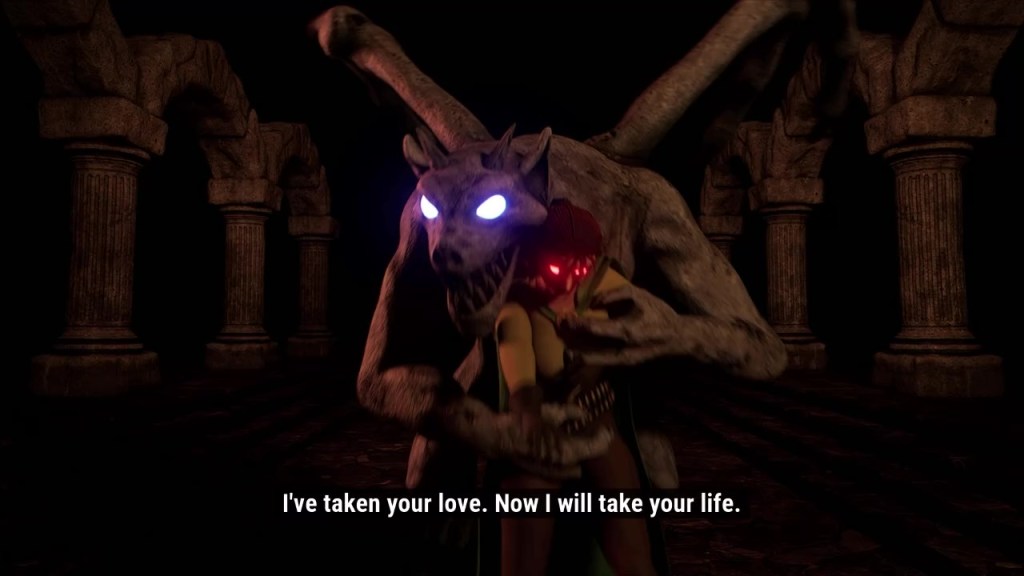
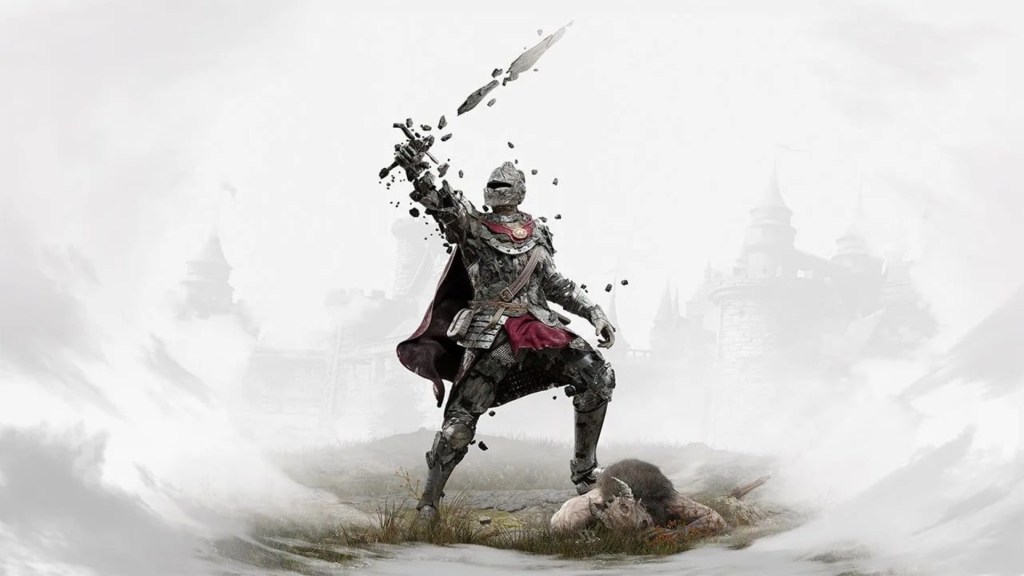
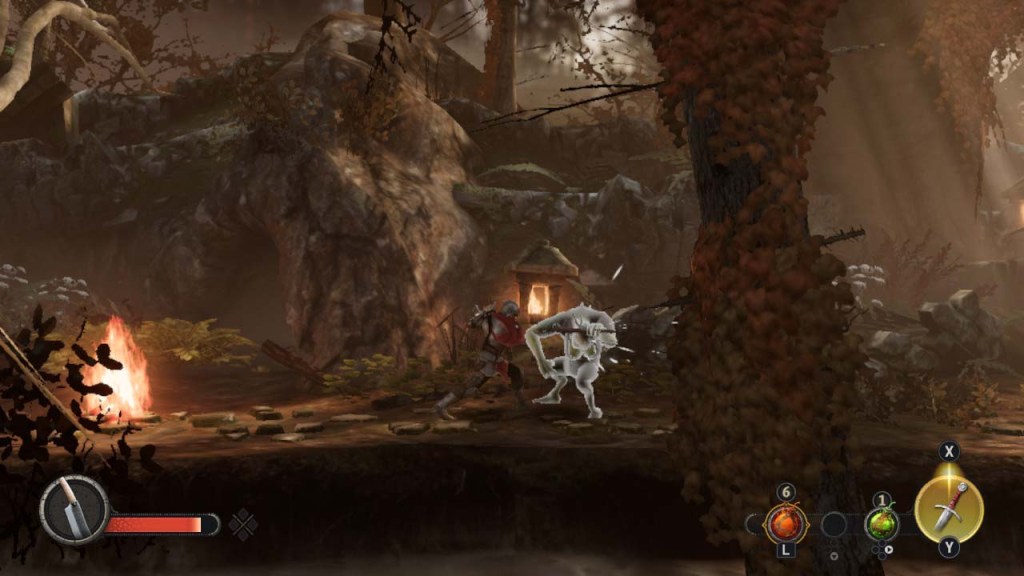
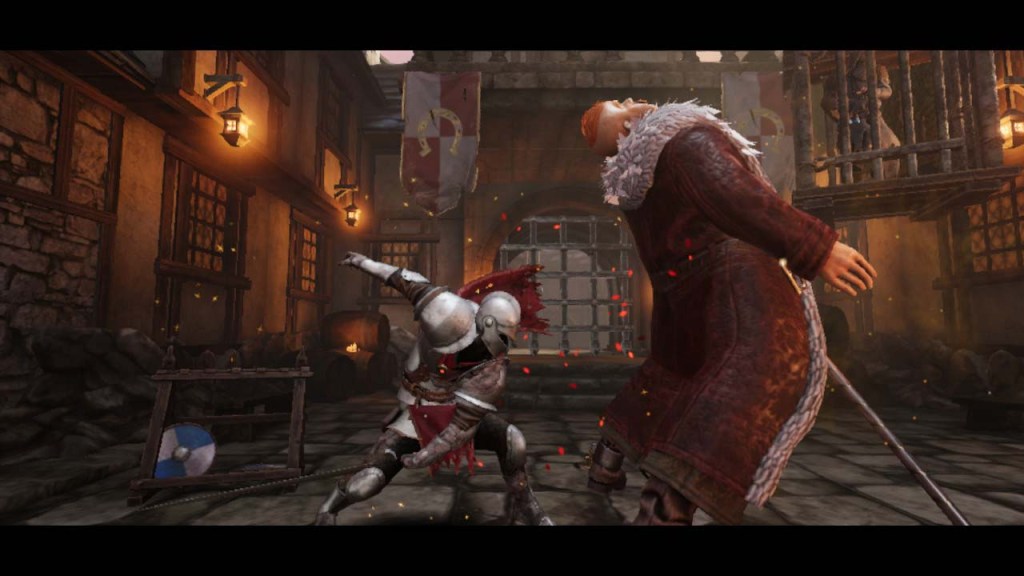
    Castle of Heart’s story is one we’ve heard countless times in the fantasy genre. An evil wizard gains too much power through shady, otherworldly dealings and begins to subjugate the world. One priestess dares to stand against him, earning the wizard’s wrath. And, when a brave knight stands up to the wizard to protect the priestess, the wizard abducts the priestess and turns everyone else into stone. But, don’t you know it, thanks to the priestess’ tear, the knight is only partly transformed. Grabbing his sword, he goes on a mission to rescue the priestess, slay the wizard, and, hopefully, undo the curse before it does him in fully.

    As the brave knight, you have twenty visually distinct levels to survive, along with a handful of bosses to slay on the way to saving your love and yourself. While the knight is mobile, the curse is still active, slowly turning him to stone as you fight your way to salvation. Health pick-ups from the environment and defeated enemies will restore a portion of your health, but you’re always on a strict time limit, watching it whittle away as you charge across each stage. And charge you will have to, if you want to make it to the end before crumbling into stone.

    As the knight, you can dual-wield weapons for extra damage, block attacks, dodge roll out of the way, and jump high enough to put most superheroes to shame. All of these skills you’ll need to chain together on a regular basis. You’ll want to dual wield, whether that’s with swords or crossbows, to deal extra damage because every little bit of health you save makes the difference between life and death.

    With your health always depleting, losing too much of it causes your arm to shatter and eventually the rest of your body follows suite. Getting through enemy encounters and environmental traps as quickly as possible is therefore paramount to your survival. The stages are littered with health pickups and enemies drop slivers of health on death, while hitting a checkpoint restores you fully before the next section. However, between the damage dealt by enemies – which increases in later stages – and how long it may take to get through an encounter, you always feel like you’re on the back-foot. Even with gems hidden throughout each stage that increases your total health, it always feels like you’re one step away from crumbling to dust. The sense of urgency is very real.

    That said, enemy encounters have been retooled. Unblockable attacks now have a visual prompt, and early enemies don’t take as many swings to put down. You can get caught between them though, which makes for some troublesome times but, thankfully, your dodge roll also knocks down enemies to create some valuable breathing room. Enemy placement can be a bit of a pain and feel unfair at times, such as projectile enemies at the lip of a jump you need to reach or flying enemies just going about their business near a rope you need to swing on.

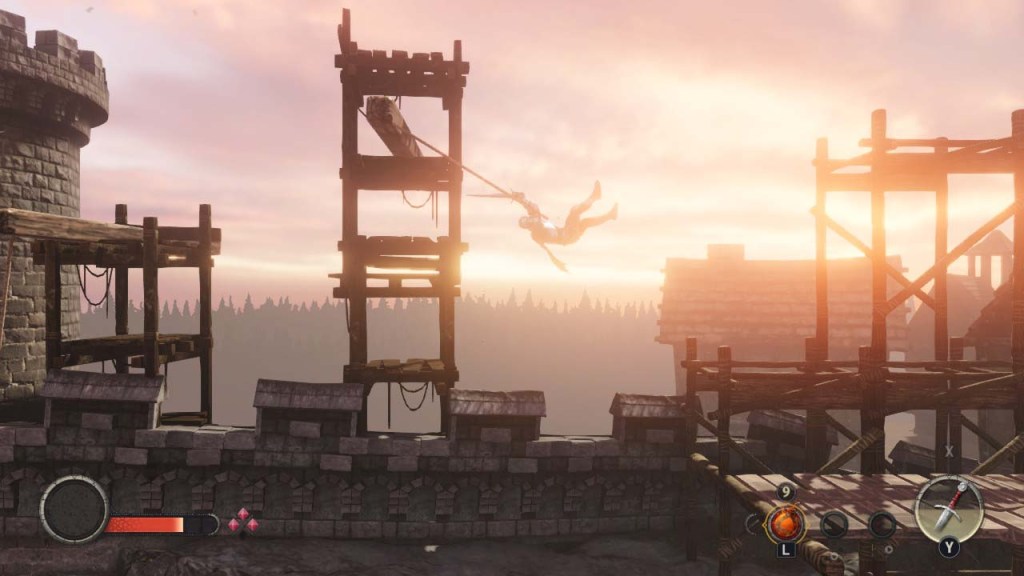
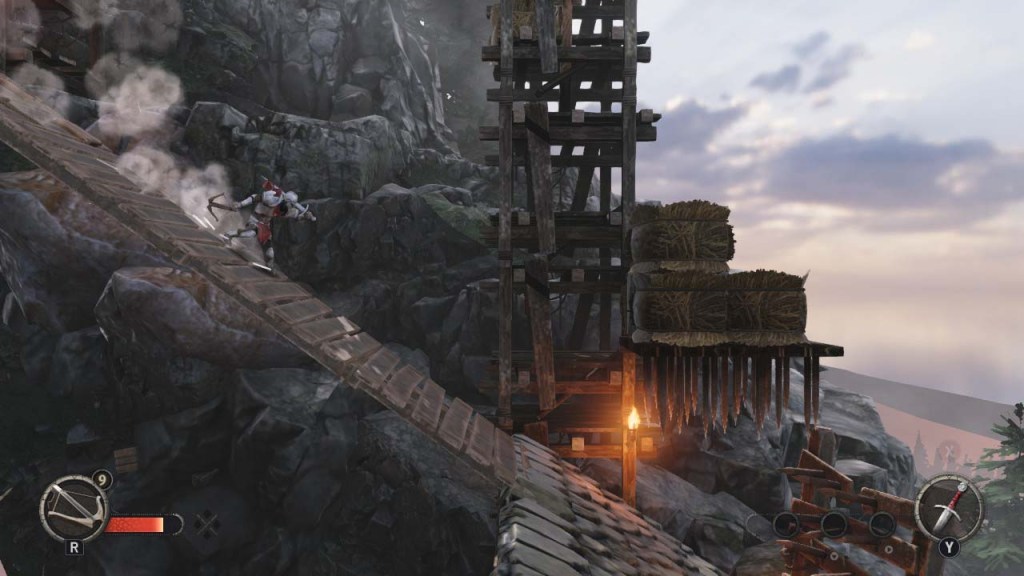
    Stages are very linear, but the developers build upon each environmental design after they’ve been introduced in early levels. Before long, you’ll be swinging across large gaps to land on collapsing platforms, jumping over spikes, and leaping into a group of enemies. These are some of the best moments in the game and require you to be absolutely on point to make it through. There’s no room for even a tiny misstep in these sequences.

    That said, instant death haunts you on just about every step of your journey. Mistime a swing or jump too late from those floorboards, it’s curtains and right back to the last checkpoint. To mitigate the number of instant deaths in the game, the developers have liberally placed checkpoints around the stages and give you infinite lives. There’s no game over screen here, just another chance to get it right. While that is appreciated, it doesn’t mitigate how unforgiving certain instant death platforming sequences feel, such as having to make it to the top of a flooding mine before the water catches you were even a split-second delay in your response time determines whether or not you succeed.

    Castle of Heart: Retold has been rebuilt with better textures and materials, improved meshes and geometry, and significant lighting improvements. It is, quite simply, gorgeous with much of the game falling into the screenshot worthy status. The 3D world with a 2.5D perspective making for a stunning spectacle, with multiple layers of scenery adding tons of depth to each location. Animations have been improved as well, for both our hero knight and the various enemies you’ll encounter, making the game feel closer to a remake than a remaster at times.

    While it seems that the bulk of the original’s issues have been addressed – such as combat difficulty, control issues, visual quality, and a complete script rewrite – Castle of Heart: Retold still has some issues that keep it from old-school greatness.

    While enemies may be visually distinct, with each area introducing new ones that fit the biome, attack patterns are repeated. Later encounters less about learning and exploiting new move-sets, and more about dealing with more incoming damage. This may make it easier to use the same tricks to defeat them, but between the escalating damage and your life draining away, I found it made more sense to just jump over enemies and rush past those that I could.

    Another issue that increases the difficulty is a common problem that most multi-layered 2D games suffer from: foreground elements obstructing the action. That happens in quite a bit in Castle of Heart: Retold, especially in the sliding sequences. Yes, it makes the game look beautiful, but when that tree trunk or rock in the foreground hides the edge of a cliff or drop from a roof at any point in a long platforming sequence, it can feel infuriating.

    On the whole, Castle of Heart: Retold is a great remake/remaster of an existing game that focuses on fixing the original releases problems, while bringing back old-school action-platformer difficulty. With a beautiful visual upgrade and plenty of tense set-pieces, it will suit those in the mood for significant challenge from their platformers.

    Pros:

    • A gorgeous visual remake
    • Some nicely constructed platforming sequences
    • The turning-to-stone premise keeps you on the edge of your seat

    Cons:

    • Some sequences can be very frustrating, especially when the environment can obscure your view
    • Later enemies just feel like reskins with the same move-set

    Score: 7/10

    Castle of Heart: Retold was reviewed on Nintendo Switch using a code provided by the publisher. It is also available on PC, Xbox One/Series S|X, PS4/5, and Nintendo Switch 2.