Category: Editorial

  • Editorial: Phantom Fury takes too long to get good in an age when no one has patience

    Editorial: Phantom Fury takes too long to get good in an age when no one has patience

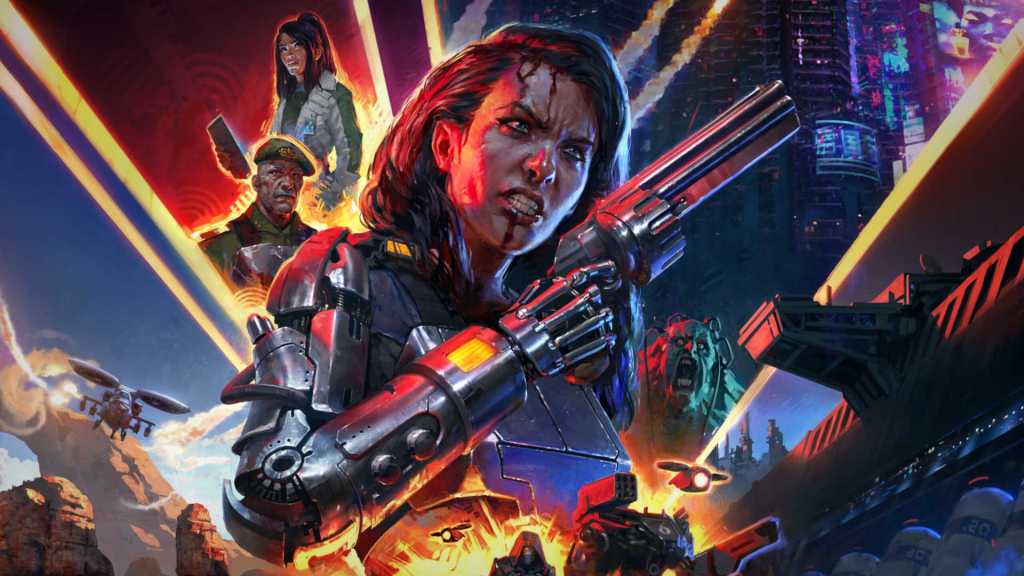
    Phantom Fury requires several hours of patience before it starts to shine – and even then, you’ll have to endure a considerable degree of jank and inconsistent quality throughout. In an era where competition is fierce and patience non-existent, it received middling reviews and predominantly negative user scores. Perhaps more annoying for the fans of the genre, Phantom Fury was yet another retro-inspired shooter published under Gearbox, which must have suffered from a turbulent development cycle. It’s got plenty of B-movie charm, solid shooting, and some standout level design, but these moments are interspersed with clunky or dull sections, often designed to highlight derivative and undercooked mechanics that ultimately dilute the experience rather than enhance it.

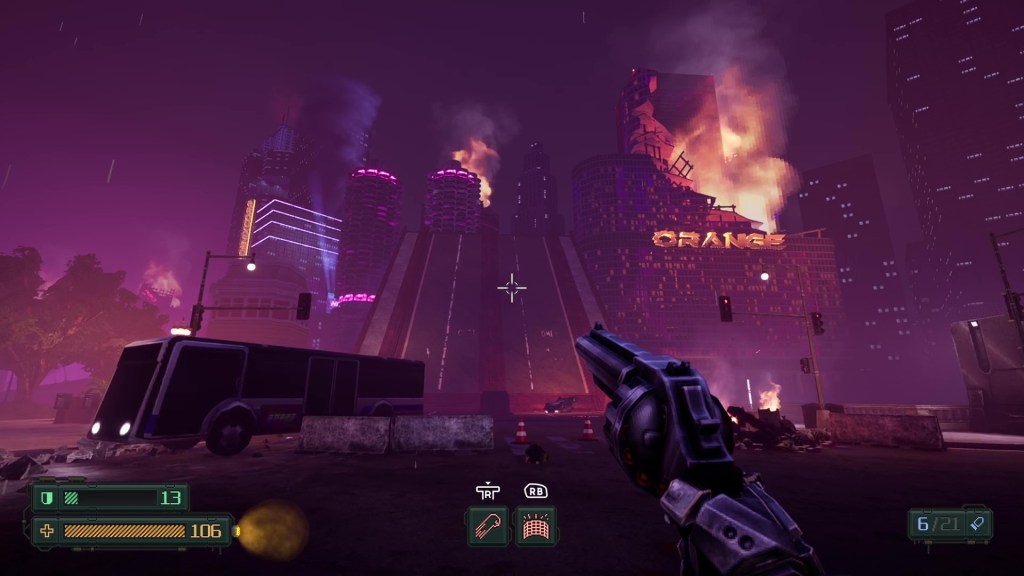
    Phantom Fury serves as a sequel to 2019’s Ion Fury and a prequel to 2016’s Bombshell which first introduced bomb disposal expert Shelly Harrison. It features all the cliched villainy you’d expect, with power-hungry military men, unethical scientists, no shortage of betrayals, and plenty of cringeworthy one-liners. It dips briefly into Shelly’s past to flesh out her character, and it even features a cameo from John Blade – protagonist of 1998’s Sin – who gifts you his iconic magnum for the finale. That said, it’s not a game you should play for the plot as, at best, it provides a barely coherent excuse to push you from level to level and provide some justification for Shelly’s vendetta.

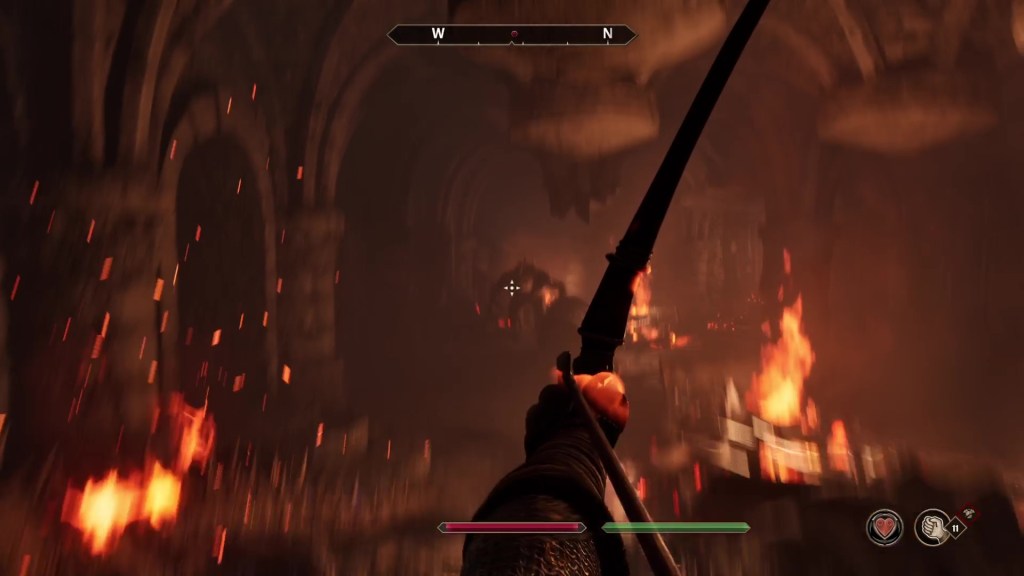
    Unlike Ion Fury – which used a modified version of the Build Engine that powered its inspiration, Duke Nukem – Phantom Fury emulates classic 3D shooters, such as Quake II, Half-life, and Sin, using an Unreal Engine 4 build that’ll look and feel familiar if you’ve played Graven. Rather than blisteringly fast movement, snappy shooting, coloured key hunts, and gory sprite-work, Phantom Fury is a more grounded 3D FPS, with greater verticality, more physics objects, more complex set-pieces, and chunkier gore – but also an identity crisis.

    The opening level provides a hint of what’s to come, as you’re forced to read emails for codes, manipulate devices using terminals, stack crates, sneak through vents, and enter “0451” on a keypad to progress – all while being bombarded with updates to your mission log. It’s not bad in and of itself, and I’d argue a game like Graven benefitted from exploration, puzzling, and secret-hunting that was more enjoyable than the combat ever was. My issue is that Phantom Fury could stand on its own two feet as a pure FPS. It offers a diverse and situational arsenal, and plenty of mid- to late-game encounters that’ll test your mobility, tactics, and aim.

    However, the first third seems unfocused, happy to funnel you between bland corridor firefights against a small and familiar roster of enemy archetypes, frequently interspersed with gimmicky and janky set-pieces. The early game also saddles you with just a basic pistol, a pitifully weak pump shotgun, and the iconic Loverboy revolver that is still powerful, but also less reliable at locking on to enemies for a double-tap. To rub salt in the wound, my settings would often reset when loading a save, the weapon-wheel could stop working until I paused and un-paused the game, and rare hard crashes had a nasty habit of happening right at the end of gruelling battles or boss fights.

    Yet despite those issues, by the time I entered the White Sands laboratory near the 3-hour mark, with nearly half the arsenal unlocked, Phantom Fury was starting to feel more like the iconic 3D shooters it wants to emulate. It pushed me to keep mobile, prioritise targets, constantly swap to the most effective tool for the job, and hoover up health and ammo pick-ups amidst the chaos.

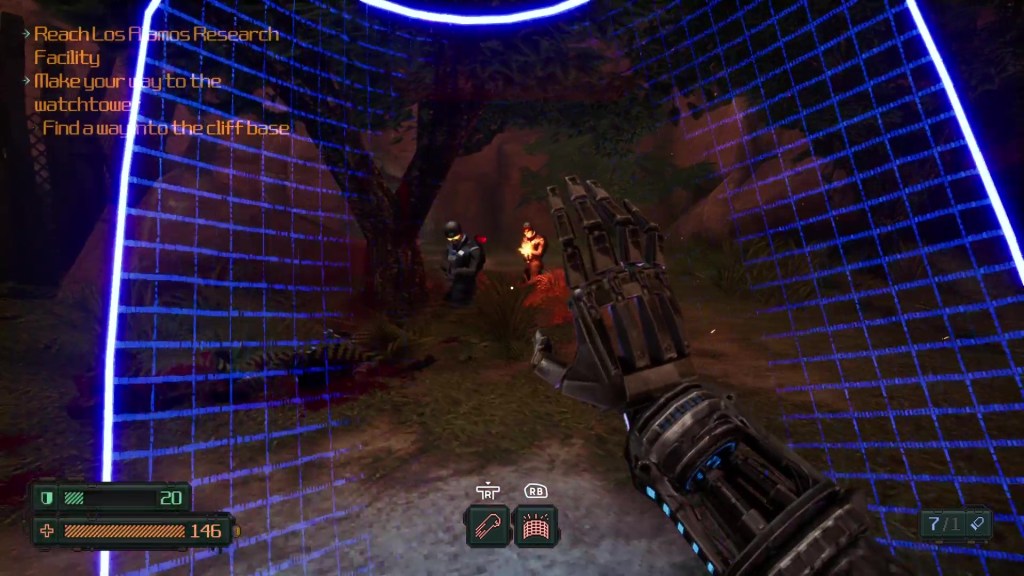
    The degree of interactivity in the game world felt less like puzzle-based roadblocks, and more integral to the combat experience. Exploding barrels and steam vents sent enemies flying; the crates and walls I used for cover could crumble under fire; while in the background glass and props shattered, alarms went off showering the area in water or smoke, and soundtrack ramped up and down in sync with the action. Holding objects as shields or flinging them as weapons never felt reliable, but Shelly’s bionic arm allowed me to punch melee enemies into gibs or briefly block incoming fire as I got close with the triple-barrelled Motherflakker shotgun in hand.

    It was also around that point the level and encounter design began to feel a little more refined, consistent, and polished. Phantom Fury follows the traditional design of tight corridors leading into open arenas, but each level felt more interconnected and made better use of 3D space. You would emerge above or below areas you fought through earlier, open up smart shortcuts back after completing a sub-objective, while a greater variety of enemy archetypes would limit your ability to hunker down behind corners.

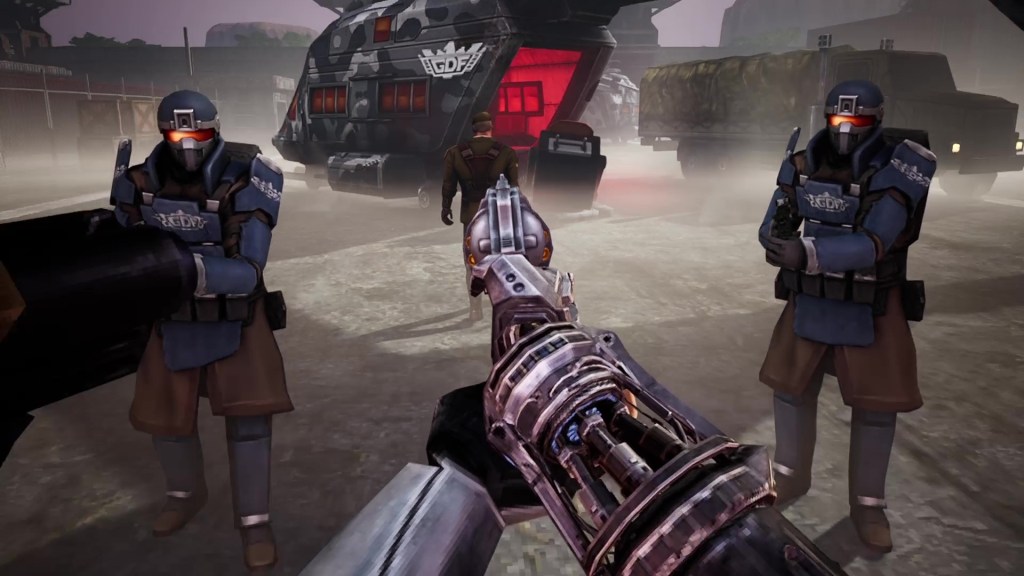
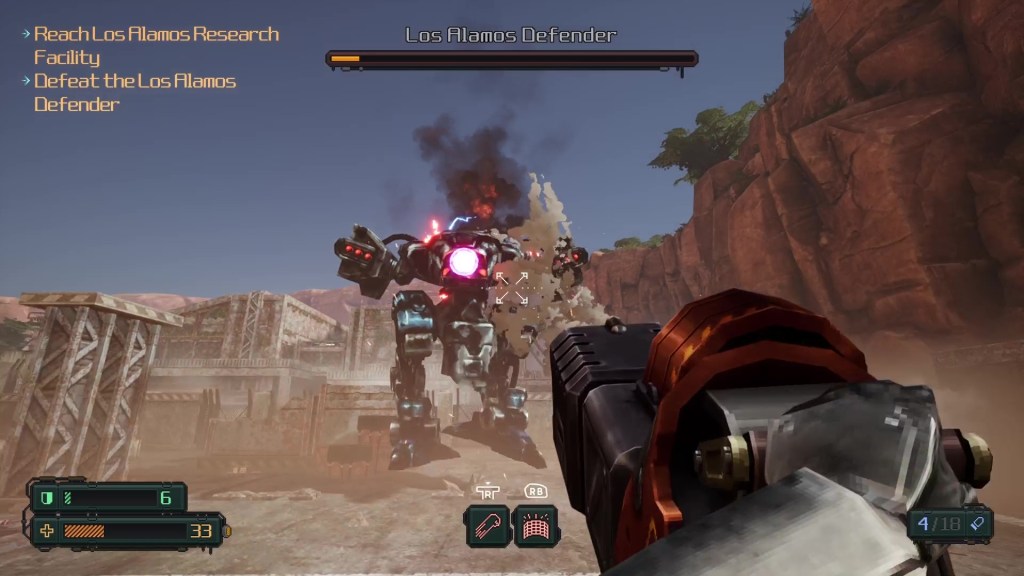
    Standout examples include the aforementioned “Buried Lab” that takes inspiration from Half-life’s “Blast Pit”, as you work your way around a central chamber reactivating a locked-down facility, dealing with rogue GDF forces and escaped mutants. After that came the “Train to Flagstaff” level, which sees you battling through claustrophobic carriages, before fighting your way back across the top of the train and fending off a helicopter. The “Grand Canyon Facility” is another interconnected laboratory level with some great vistas, while the “Los Alamos” levels begin with an outdoor rampage and giant mech battle, before completely shifting gear as you explore a creepy abandoned facility, juggling power distribution to access new areas and fending off mutants in the dark. The game culminates with running battles through the ruined streets of Chicago, a scrappy firefight up a skyscraper, and multi-phase rooftop boss battles.

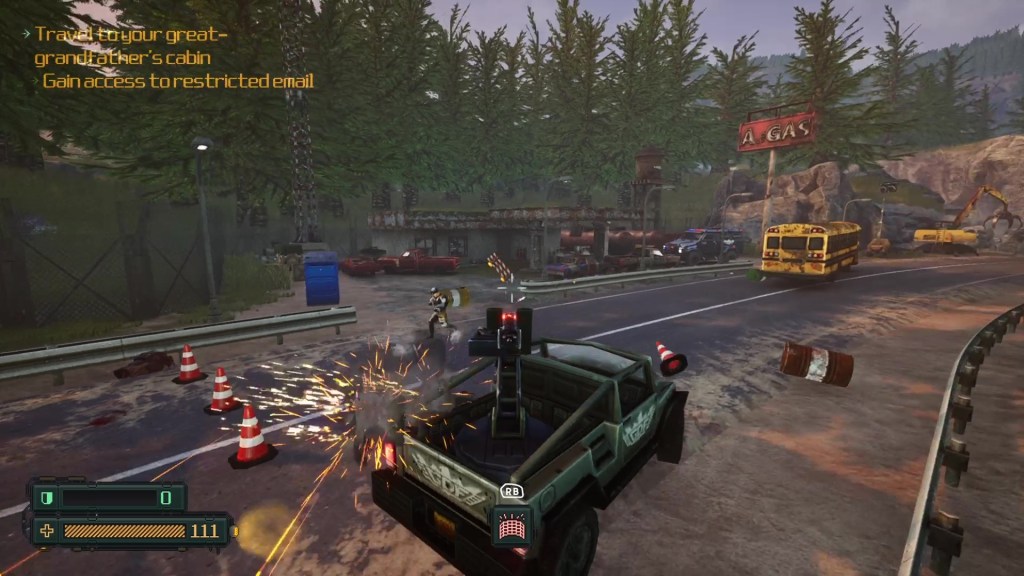
    Unfortunately, Phantom Fury’s is also described as a “road movie adventure”, which means vehicle sections that range from mediocre to frustrating. Your first encounter with a GDF jeep makes the Warthog sections in 2001’s Halo look remarkable in comparison, with clunky handling, boring terrain, and a useless machine gun that takes an age just to kill a basic grunt. A section in a stolen jet is entirely on-the-rails, leaving you to simply aim and alternate between another useless machine gun and moderately more useful missiles. A submersible section is perhaps the worst, combining imprecise movement with inaccurate torpedoes and swimming mutants that’ll insta-kill you if they get close.

    None of these sections are particularly long in the grand scheme of things, but they’re sandwiched between the good levels, felt the most janky, and always served as a downer.

    As a consequence – and even after two major patches – it’s not easy to recommend Phantom Fury without highlighting the caveats. After a plodding opening hour or two, it gets into a groove – but it’s one that’s periodically interrupted by weak vehicle sections. What’s worse is that they never feel like a core part of the gameplay loop – just gimmicky additions that would have been better left as short cutscene transitions so the devs could double-down on polishing the on-foot sections. If you’ve got this far though, I’d say fans of the genre should grab it on a sale, just temper your expectations for an hour or two, and try focus on the 80% of the game that Phantom Fury gets mostly right.

    Phantom Fury was played on Xbox Series S|X using a code provided to gameblur by the publisher. It is also available on PC and PlayStation 5.

  • Editorial: Hammerwatch Anniversary Edition is perfect for those who love methodical dungeon delving

    Editorial: Hammerwatch Anniversary Edition is perfect for those who love methodical dungeon delving

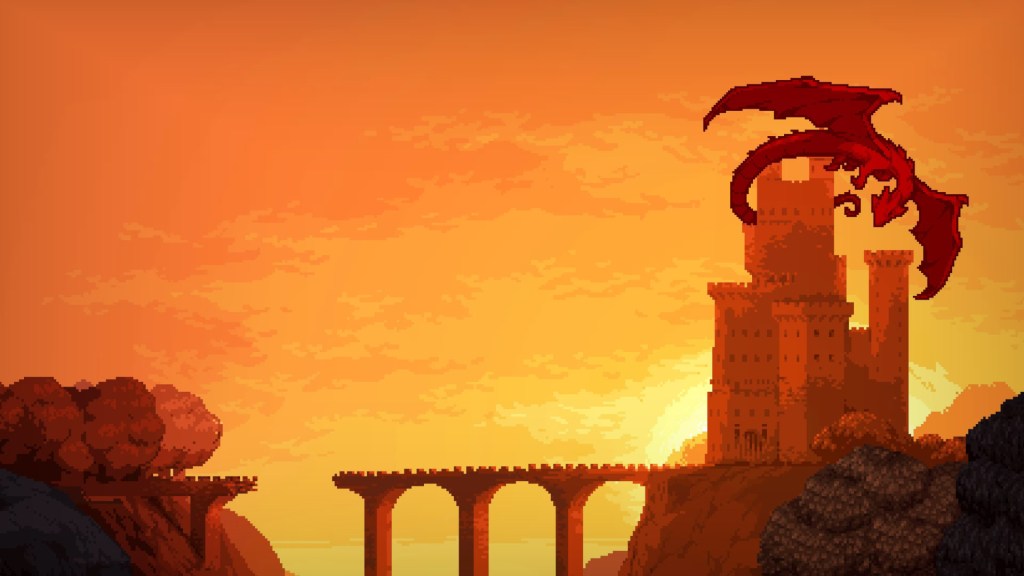
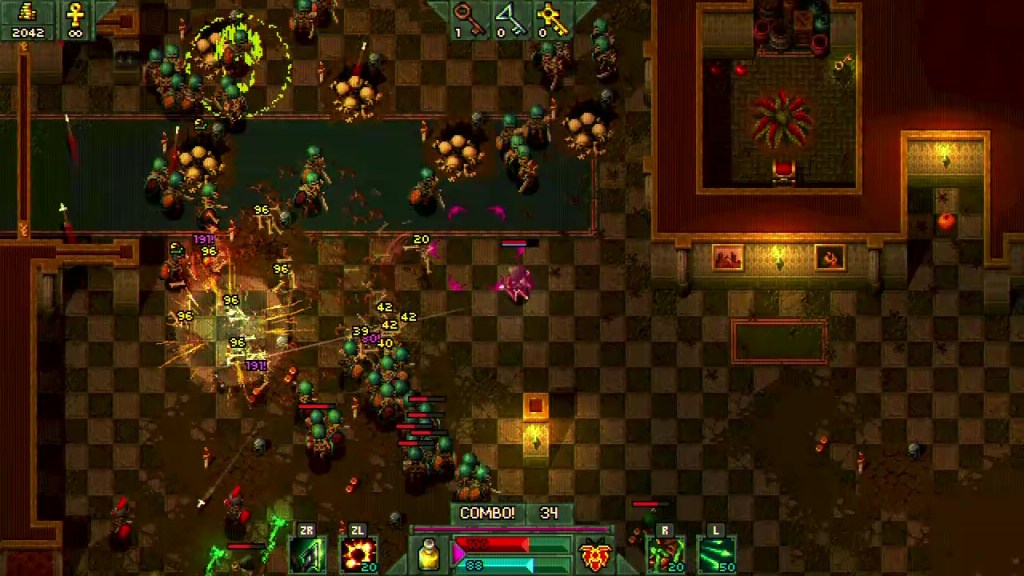
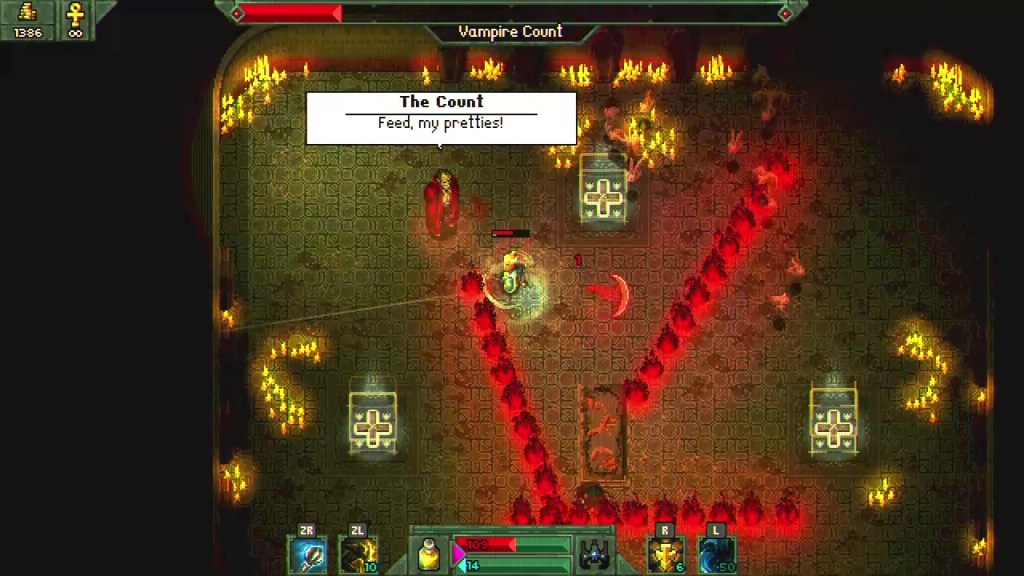
    If someone told me they thought the Hammerwatch games were boring, I’d be hard-pressed to argue despite enjoying them so much. The developers Crackshell were inspired by the early Gauntlet games from the mid- to late-’80s (something made obvious the moment you discover a secret level) so Hammerwatch offers up a mix of systematic exploration, switch and key hunts, hundreds of secrets to find, deadly traps to avoid, and chaotic combat against hordes of monsters and damage-sponge bosses – all of which feels much more exciting if you bring a friend or three along for the ride.

    The game uses a top-down perspective with gorgeous pixel-art and sprite-work, coupled with a catchy “8-bit orchestral” soundtrack from composer-duo Two Feathers that has been stuck in my head for over a decade. On paper, it sounds solid but unlike so many modern games, progression and pacing are rigidly methodical and formulaic, which won’t appeal to everyone.

    If I had to pick one argument as to why I love the Hammerwatch IP, it would be that the games feel like the antithesis of modern ARPGs like Diablo III or IV, Path of Exile, and Grim Dawn. All excellent games in their own right, but all with a focus almost entirely on character and gear progression through repetition. Even if they offer epic stories and stylish cinematics, their game worlds are designed for infinite grinding and many use procedural generation. As such, the layout of a dungeon rarely matters, there are few locations that feel unique, and it’s rare you get to make lasting change to the environment despite all your time and effort.

    In contrast, every campaign in the recently remastered Hammerwatch Anniversary Edition makes learning the level layout essential to finding exits, secret hunting, upgrading your hero, and surviving hordes of monsters and deadly traps.

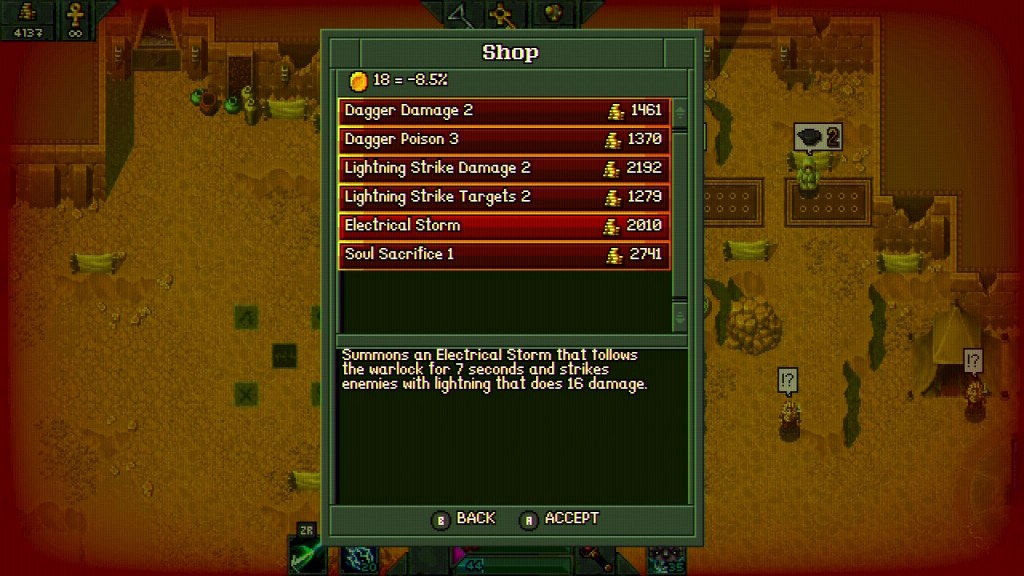
    None of which makes Hammerwatch novel in the traditional sense – just pleasingly anachronistic in contrast to modern games, as it rewards systematically tackling everything on offer and there’s actually a finite amount. You push forward room by room, revealing the dungeon layout and expanding a useful auto-map; you keep an eye out for switches and traps; and you plan how best to kite enemies that’ll shred your health bar in seconds if you end up surrounded. Scattered checkpoints function as save and respawn points; food and potions keep your health and mana topped up; gold is spent on trainers to unlock or improve hero skills; while dozens of secrets range from more gold and accessories to extra lives, and there are even hidden collectibles if you want the “true” ending to some campaigns.

    Unlike many other ARPGs in which repetition equates to progression, Hammerwatch doesn’t have respawning monsters and there’s no XP or loot gained from slaying them. Instead, thorough exploration, hoovering up every last piece of gold, and secret hunting is how you improve your hero. Collectible power-ups provide an incremental but permanent buff to your core attributes; weapon upgrades, higher-tier offensive skills, and a bigger mana bar all boost your damage output; while upgrades to your armour level, defensive skills, and health bar make you more resilient.

    The more you explore and the more enemies you clear out, the easier it is to backtrack through sprawling levels on the hunt for the secrets and gold you need to become more powerful. Finding every power-up and upgrading everything is not essential but also can’t grind endless trash mobs if you’re having difficulty with a boss encounter.

    Played from a top-down perspective, with twin-stick-style controls and only a handful of abilities to consider per class, Hammerwatch is simple to pick up and the on-screen action is typically easy to follow – useful in a game where mobility and a bit of strategy also count for a lot. However, with the prospect of limited lives, the risk of stumbling into insta-kill traps, and tough boss encounters that can feel like bullet-hell shooters, it remains a challenging game irrespective of your chosen difficulty – at least if you stick to the default settings.

    Hammerwatch Anniversary Edition offers a short but useful list of modifiers, independent of difficulty, that you can pick from before starting a campaign. For new players (or those with an inexperienced co-op companion) infinite lives or bonus life pick-ups let you to focus on exploration and secret hunting with reduced risk. For wizards and warriors alike, buffs to health and mana regeneration can keep them in the fight without the need to backtrack for consumables.

    At this point, it’s worth wrapping up by discussing why I’m highlighting the more recent (and pricier) Hammerwatch Anniversary Edition, instead of the original release I first played a decade ago. Part of the that is simply to support the developer and hope profits eventually go to a console port of Serious Sam’s Bogus Detour (the best Serious Sam game since the original pair), but I also thought it would be useful given the developer’s website and storefront listings are surprisingly low on detail and initially put me off picking it up until it was suitably discounted. First up, the remastering effort is excellent – just in sense it looks like you might remember it. Go back and take a look at the original however, and the improvements to the artwork, sprites, atmospheric effects, auto-map, and control scheme are obvious and much needed.

    From a gameplay perspective, you have updated introductions and conclusions for each campaign that tie into the larger narrative introduced in Hammerwatch II; you have access to all seven classes with new customisation options and some nice situational voice lines; and there’s a simple tiered accessory system that add a little more diversity to character builds – though you can only carry one at a time.

    Most significant for returning players is the substantial “Shaftlocke Tower” campaign, which remasters assets from the rogue-like Heroes of Hammerwatch, and turns them into a traditional campaign even longer than the length of the original, packed with an expanding hub, more intricate levels, tougher combat encounters, more bosses, and more secrets. The only downside is that, if like me, you first replay the original Castle Hammerwatch and brisk Temple of the Sun campaigns back-to-back, Shaftlocke Tower can push that formulaic structure to breaking point.

    Wrapping up, despite the higher price point and the reworked “more of the same” approach to the new campaign, I’d still recommend Hammerwatch Anniversary Edition to existing fans, those that wanted a traditional campaign from Heroes of Hammerwatch, and as the best starting point for new players, whether on PC or any of the consoles – even if it took a few patches to get to the “definitive” experience. It’s not for everyone and fans of modern ARPGs might find it too dull – but if you get a kick out of systematically clearing dungeons, room by room, floor by floor, and hunting for secrets, Hammerwatch Anniversary Edition offers a lot of quality content and an indie price point.

    Hammerwatch Anniversary Edition was played on Nintendo Switch. It is also available on PC, Xbox One/Series S|X, and PS4/5.

  • Editorial: Warhammer Age of Sigmar: Realms of Ruin is a great case study on what does and does not work with console RTS

    Editorial: Warhammer Age of Sigmar: Realms of Ruin is a great case study on what does and does not work with console RTS

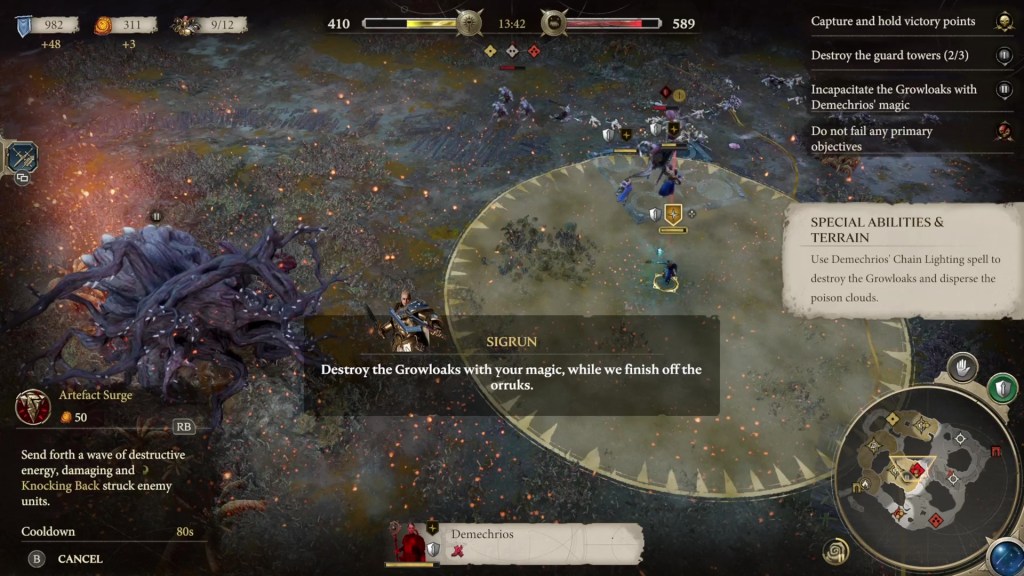
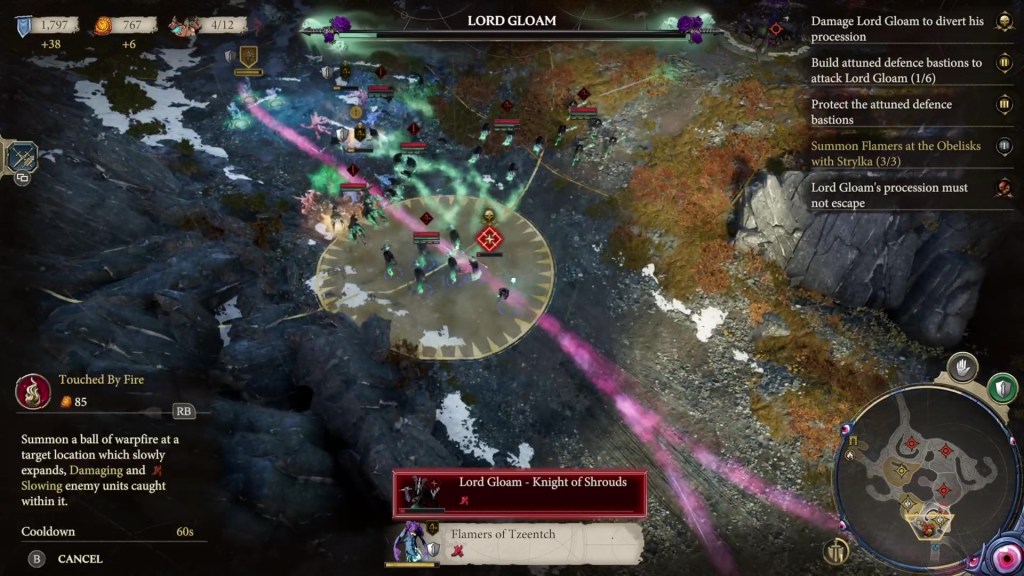
    As someone who has always enjoyed playing real-time strategy ports on console – going all the way back to Command & Conquer and Red Alert on the PS1 – Warhammer Age of Sigmar: Realms of Ruin feels like a case study on what does and doesn’t work when you have to work around the limitations of a gamepad.

    During the cinematic-heavy campaign, there were times I was reminded of the methodical, scripted approach Blizzard pioneered with the StarCraft and WarCraft III – a design that works well enough on console when the player has more control over the pacing. The rest of the time – by which I mean a third of the campaign missions and every other mode: AI skirmishes, Conquest, or multiplayer – it often felt like trying to play a fast-paced, lane- and territory-control-focussed MOBA with a severe handicap.

    Starting with the positives, there’s a cinematic 18-mission campaign, with four difficulty settings and optional mission challenges, complemented by AI skirmish maps and a Conquest mode – think a succession of increasingly tough skirmish maps with modifiers. With beautiful environments, detailed character models, and intricate unit animation, Warhammer Age of Sigmar: Realms of Ruin’s in-engine cutscenes do an impressive job presenting another grim, violent, yet often amusing and absurd Warhammer story. It’s full of contrived scenarios, improbable attrition rates, one-note faction leaders making poor decisions, and – more so than any recent RTS I can think of – it shamelessly functions as a glorified tutorial for basic commands, faction abilities, and game modes.

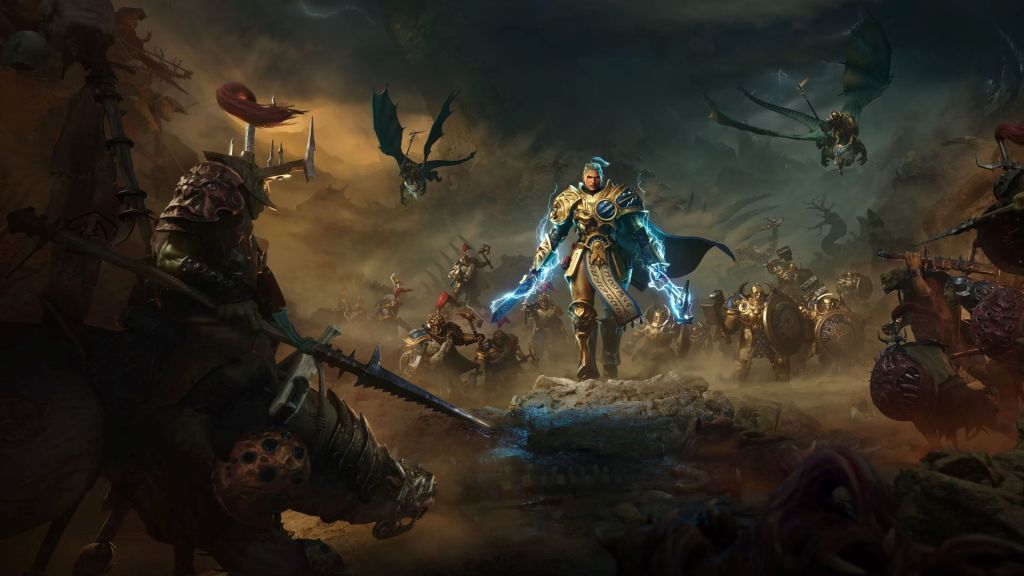
    The Stormcast Eternals seek an artefact of power that may help them reclaim the Region of Ghur; the Ork Kruleboyz are in pursuit of the same prize to elevate the status of their Warboss; and a few flashback missions reveal how The Disciples of Tzeentch originally battled the undead Nighthaunt faction for possession of the artefact. It’s all stylishly presented and – if you can get to grips with the gamepad controls and gameplay basics – the campaign is decent fun and moves at a brisk pace, switching up factions, objective types, and introducing a few novel scenarios. There are times you’re just battling from point-A to point-B down branching corridors, claiming Arcane Conduits to build outposts and generate resources as you go, but there are a few missions that rely almost exclusively on heroes; one that functions as an unforgiving tower defence; one that features clunky stealth; several that have you battle over control points, and even gimmicky boss battles that add some twist to chipping away at a giant HP bar.

    The campaign also serves to highlight what the control scheme and game design gets right. Much like the underappreciated Halo Wars 1 and 2, Warhammer Age of Sigmar: Realms of Ruin focuses on streamlined base-building, managing only two resources, and smaller skirmishes influenced by unit composition, positioning, and the strategic use of abilities – more so than sheer numbers. You can upgrade you primary building to recruit new unit types and unlock three-tiers of unit and outpost upgrades – many of which are mutually exclusive abilities or passive buffs to specialise units. Each faction also has two defence-oriented structures – a tower that deals minor damage but buys you time to muster your army, and a healing bastion to support defensive groups.

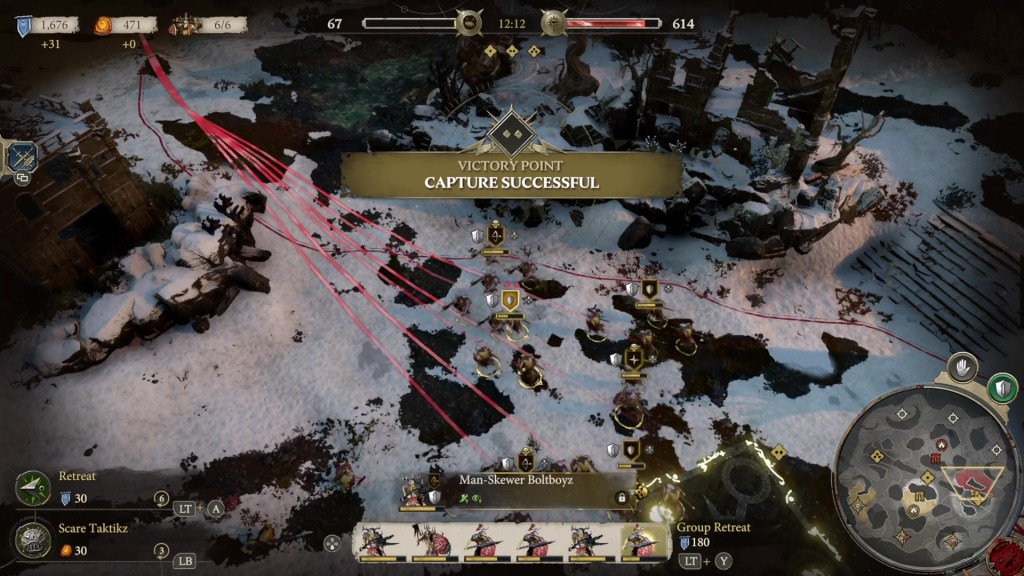
    The controls are what you’d expect from a modern console RTS with one situationally useful addition – “DirectStep” control. The camera latches to your selected unit or group, it’s easier to aim and trigger abilities, and you assign movement or attack-move waypoints to individual units. It’s a smart option for managing small skirmishes but it decreases situational awareness, and I found myself falling back on the emulated reticule controls. In the introduction, I mentioned Warhammer Age of Sigmar: Realms of Ruin could feel like a MOBA, and that’s because it adheres to the rule-of-three design and forces you to multi-task. There are three unit types in the combat triangle (shields vs. bows, bows vs. swords, and swords vs, shields); often three objectives to clear out or three control points to hold; and there are typically three paths you need to defend around any Arcane Conduit. It should come as no surprise the d-pad is used to manage 3 control groups, pad with the last input used to quickly cycle through units within a group.

    On paper and in practice, the controls and streamlined gameplay loop work well enough in the campaign – even on tougher missions that feel like skirmish maps with the AI playing by a general ruleset, rather than custom scripting. The problem is how quickly they buckle when you’re under pressure. In addition to juggling multiple control groups spread across a map, you’ve got to cycle units to access their abilities, deal with barely coherent formations, and interrupt dubious automated decisions. The challenge feels greater still when you realise how quickly the balance of combat shifts when something goes wrong – allowing other players or the AI to push you into a losing spiral. In Warhammer Age of Sigmar: Realms of Ruin, the less of the map you control, the less you can upgrade or reinforce your troops, and the less multitasking your opponent requires to contain and destroy you.

    The most persistent issue is micro-managing your way around the combat-lock mechanic. Units engaged at melee range can’t disengage – unless they’re sent retreating back to your main structure before you can regain control. With no obvious formation behaviour and ranged units prone to outrunning melee units, you need to constantly assign individual attack orders based on type, then utilise abilities to further modify the flow of battle – usually by buffing your troops or inflicting an area-of-affect attack. You can alternate between move and attack-move commands, and you can define the firing-arc of ranged units, but to effectively micromanage just one army, you need to use all three available control groups. On top of that challenge, you’ve still got pathfinding issues and, despite several upgrades allowing you to focus on ranged damage, hybrid units are prone to engaging in melee once they get close – even if their target is combat-locked with another unit.

    As a result, Warhammer Age of Sigmar: Realms of Ruin sits in a weird middle ground, demonstrating both smart design decisions that make a lot of sense in a console RTS – but it also demands a degree of manic multitasking simply not suited to a gamepad. Most campaign missions are either scripted enough or offer maps defensible enough that you can push out cautiously and regroup if things go wrong. However, that’s simply not an option on AI skirmish or Conquest maps, where even the low-difficulty AI can simultaneously contest all control points, harass your outposts, and spam abilities in battle against your primary force. It had me wishing for a pause-and-command option even if it was antithetical to the developer’s intent. An inadvertent positive is that a few multiplayer matches against other human players felt more balanced, as my opponents stuck to managing a single but mobile army I could frantically counter with my own.

    Warhammer Age of Sigmar: Realms of Ruin was played on Xbox Series S|X using a code provided to gameblur by the publisher. It is also available on PC and PS5.
  • Editorial: Old-Gen games in need of ray-tracing

    The new generation of consoles and PC hardware is now upon us with some serious juice under the hood wherever you go. Loading times, thus far, have been rendered inconsequential thanks to SSD’s but one of the latest graphical updates has to do with the new GPU’s and ray-traced lighting techniques. A computationally expensive procedure, ray-tracing was previously relegated to pre-rendered frames for animated movies, with real-time usage a pipe dream.

    Now, thanks to evolving GPU technology, real-time ray-tracing is here and is the latest visual upgrade for games pushing visual fidelity to all new highs. Not only are we looking at real time reflections but a much higher quality of in-game lighting as well. If you’re lucky enough to own one of the newer consoles or GPU’s then you can already see the quality difference that this brings to the table in the games that support the features or have been designed with them in mind.

    With that in mind, Andrew and I are taking a look back at some games from yesteryear that ray-tracing – whether for lighting or fancy reflections – could really make stunning.

    Adam:

    Deus Ex: Human Revolution:

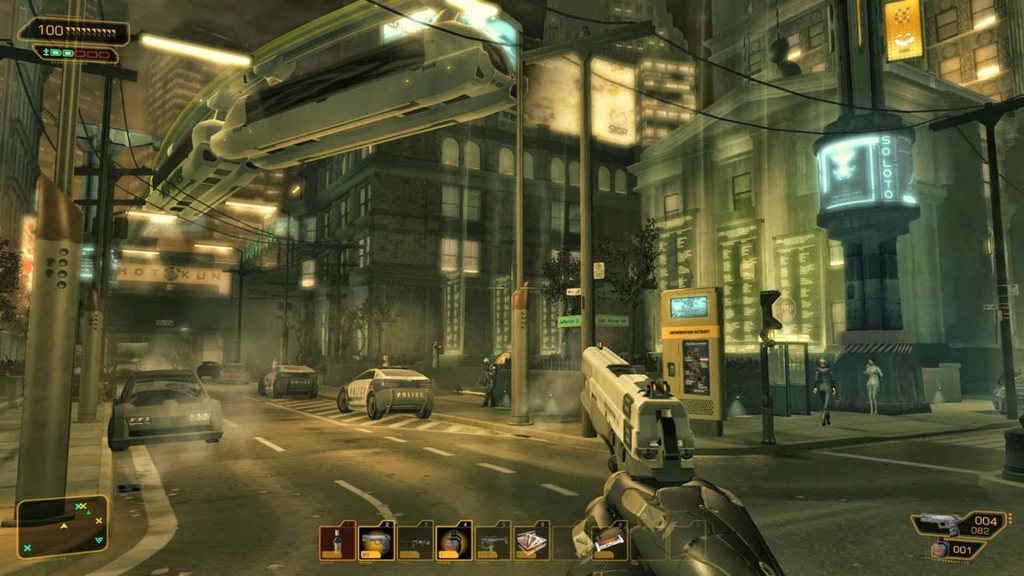
    Now you may be wondering why I didn’t pick the sequel, Mankind Divided as that was a visual stunner at launch with some fantastic materials and lighting to push the dystopian cyberpunk vibe. Part of it has to do with the fact that Mankind was already beautiful at launch but the other part has to do with the fact that I think Human Revolution is a better game. When Human Revolution came out, it too was a visual marvel during the PS3/Xbox 360 era, though you may not think that now. It became the standard by which I wanted to see cyberpunk visuals, and it also became one I wished I could see running at much higher resolutions. It’s setting alone is prime ground for the enhancements brought along with more realistic lighting and there’s a wealth of neon light and metallic and glass environments that could do with some reflections. It would go a long way to making a great game even better.

    Mirror’s Edge:

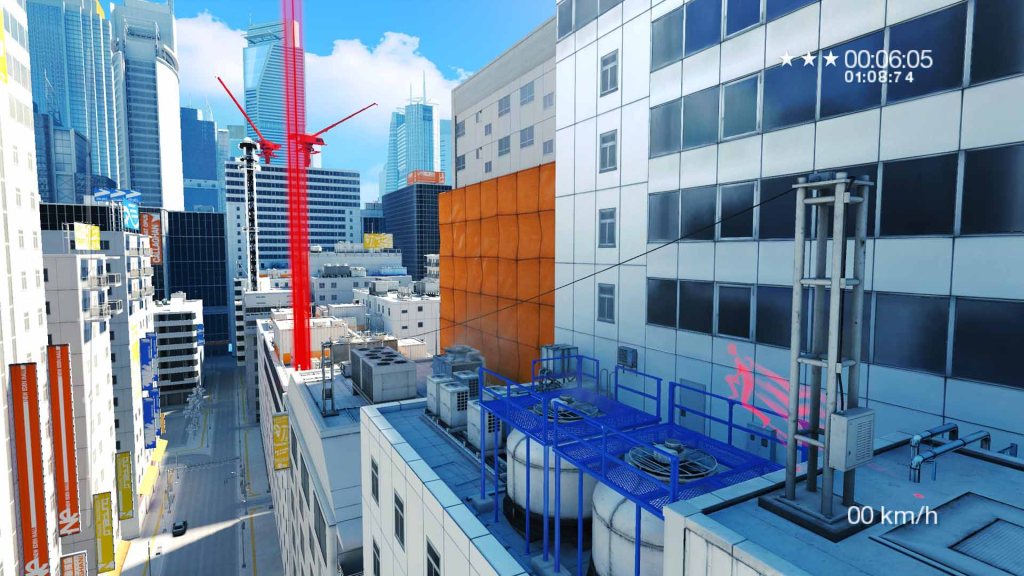
    DICE’s phenomenal parkour game didn’t light up the charts on launch, becoming a cult classic that, surprising everyone, birthed a sequel. Once again the sequel on PS4 boasts better visuals, but I believe the first game needs an update and to be released back into the wild for new players to discover. With its minimalist and stylised colour palette, Mirror’s Edge is groundbreaking in visual design whose limited use of colours still makes for one of gaming’s most breathtaking playgrounds. And though it’s use of mostly whites, oranges and reds may make you wonder why Ray-tracing would be needed, the materials themselves are perfect for enhanced lighting and reflections on metal and glass surfaces. The way light is rendered with a Ray-traced system in the games outdoor areas would be jawdropping alone.

    Need For Speed: Heat:

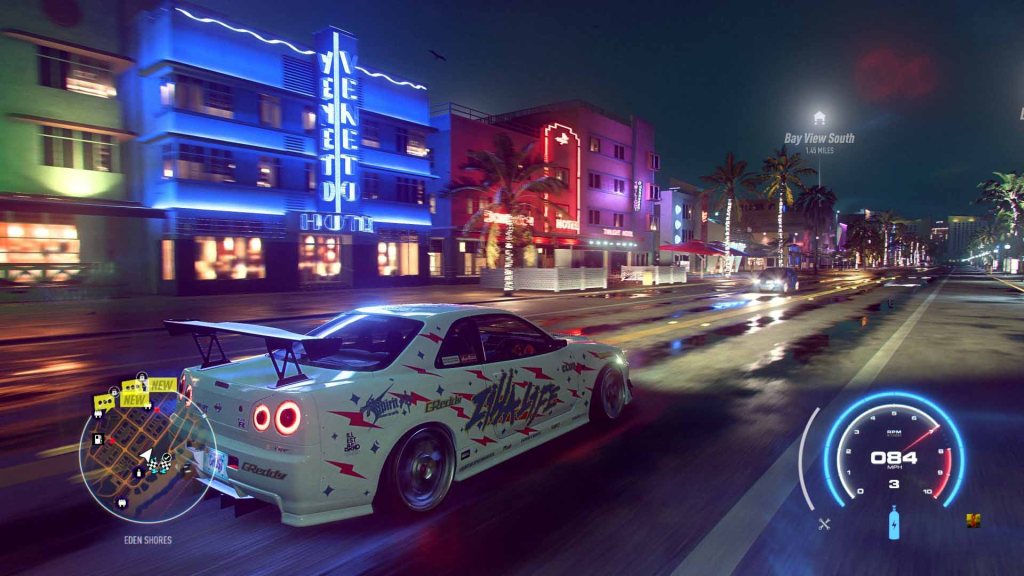
    Racing games have always been – and still are – a perfect showcase for next gen hardware. Complicated visuals along with pure speed really show off a systems power. Now while Heat is not an old game, and already has some gorgeous visual effects in it, it’s still a “last gen” game meaning that those complicated visuals are built on old techniques. Yes there are reflections, but they’re built around the Screen Space Reflection techniques rather than been real time. The game also showcases some gorgeous nighttime visuals with a whole lotta neon and rain effects that blast by at a stupendous pace. It doesn’t hurt either that it’s actually a pretty good game. Now take those already sumptuous visuals and throw some next gen Ray-tracing power at them and imagine just how much better it will all look. Real time reflections on the cars, windows and puddles along with even better lighting during both the day and the neon powered night time. Tell me that doesn’t get your V8 revving.

    Andrew:

    Bioshock 1 and 2:

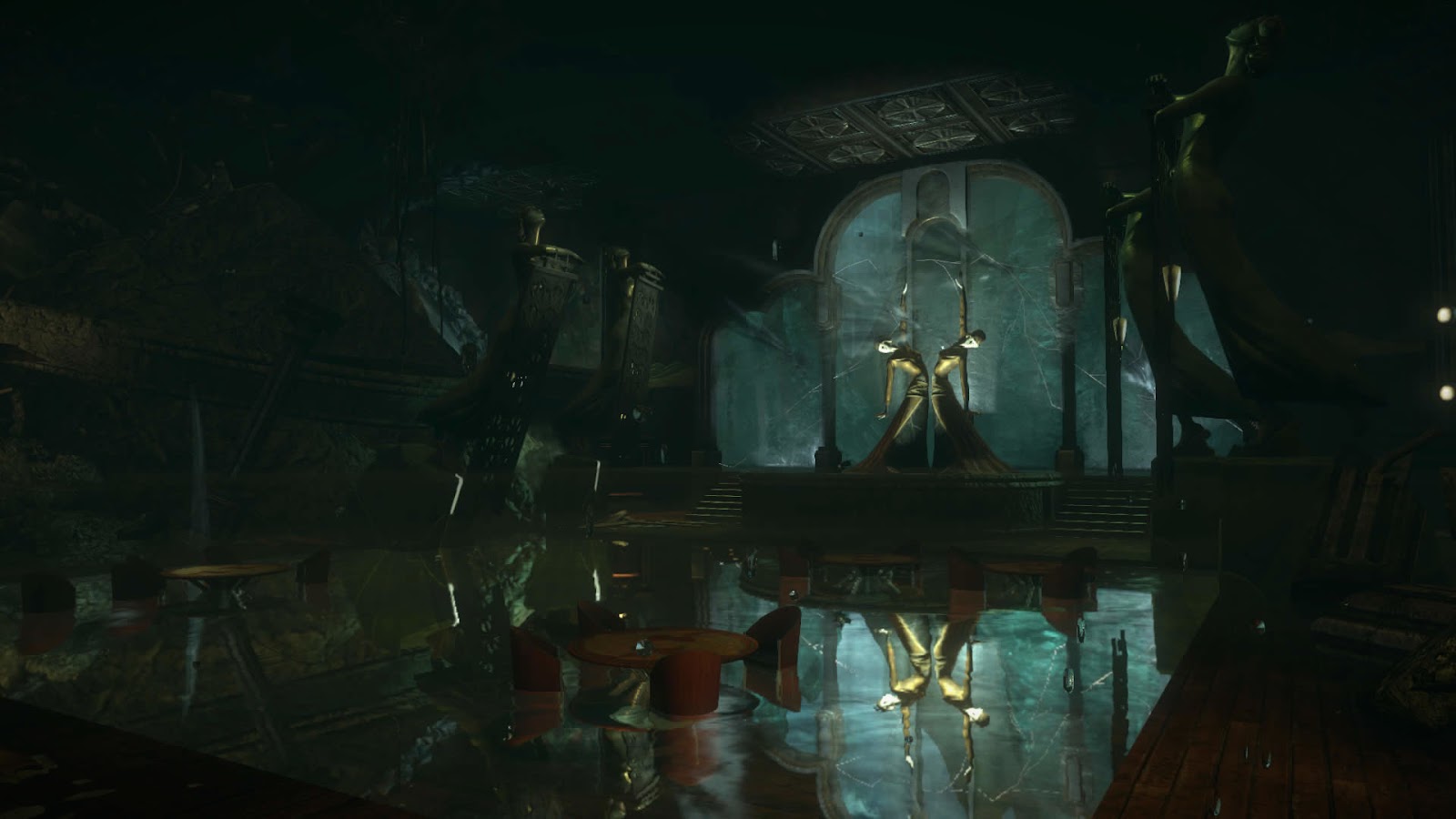
    I’m conflicted about this choice as the visuals in the Bioshock are incredibly stylised and adding accurate, more-realistic reflections may alter the look irreparably. That said, I’d still be interested to see what a crumbling Rapture would look like given the amount of glass and water present in both games.

    Plenty of time is spent trudging through dark, ruined locations, but it’s rare you’ll go more than a few minutes without seeing reflective glass windows, ceilings, and transit tunnels with views of the seafloor. Given the ongoing collapse of Rapture in both games, there’s also water everywhere – plenty of opportunity for puddles and other water-slicked surfaces to reflect their surroundings.

    Crysis 2 and 3:

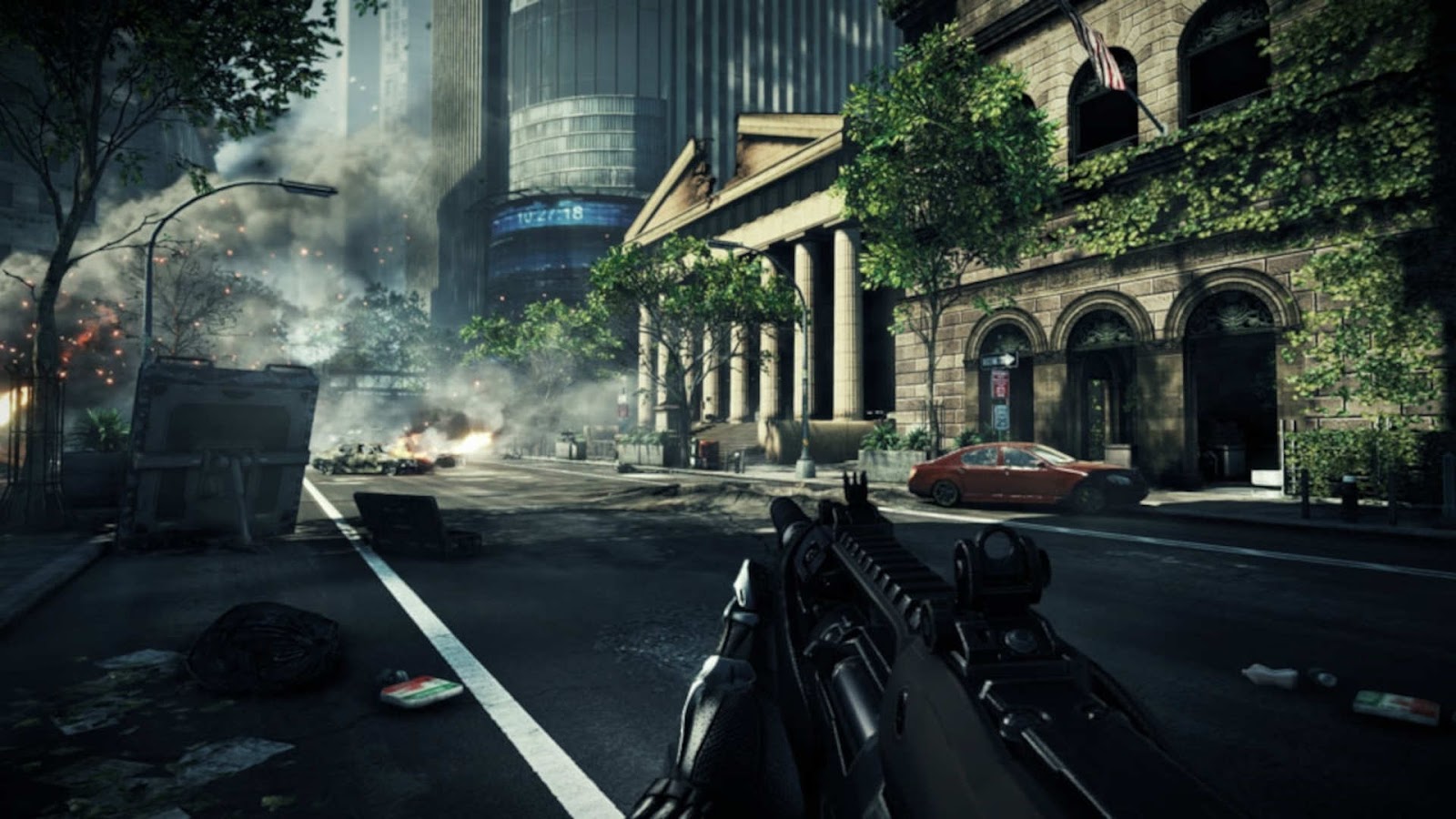
    I’ll happily admit I played this sequel before going back to the original and, if you forced me to pick one, I’d sooner replay it (or the third game). Maybe it was the fact I had shifted towards console gaming at the time but I found exploring a ruined New York, with so many identifiable locations, thrilling. 

    Breaching quarantine in Crysis 2 was still an incredible moment, looking up at massive skyscrapers and down full of streets wrecked vehicles, flaming storefronts, and burst water pipes. It’s a prime opportunity to have ray-traced reflections everywhere. Even the more overgrown version of New York in Crysis 3 has plenty of shiny CELL facilities to explore. It could even introduce a novel tactical option if you could spot enemy patrols by their reflections while stalking the ruined streets.

    Halo: The Master Chief Collection:

    To be fair – given the focus on battling across the titular Halo rings – this update may be unnoticeable for large chunks of each game. However, there are still plenty of shiny human and covenant-made locations in each game that could be improved with ray-traced reflections (just think of how incredible accurately reflected plasma trails would look in enclosed spaces?). 

    The otherwise bland “Library” level in Halo: Combat Evolved, Cairo Station in Halo 2, the towers you raid during “The Covenant” mission in Halo 3, any time spent as the rookie exploring the Mombasa streets at night in Halo 3: ODST, Promethean facilities in Halo 4, and New Alexandria in Halo: Reach – all of these iconic locations could look even more spectacular with ray-traced reflections.